Goldfish Show Basics — Preparation, Entry & Judging Criteria
Everything about goldfish shows: history, judging criteria, conditioning your fish for competition, and what to expect on show day.
Key Takeaways
Everything about goldfish shows: history, judging criteria, conditioning your fish for competition, and what to expect on show day.
Related Species
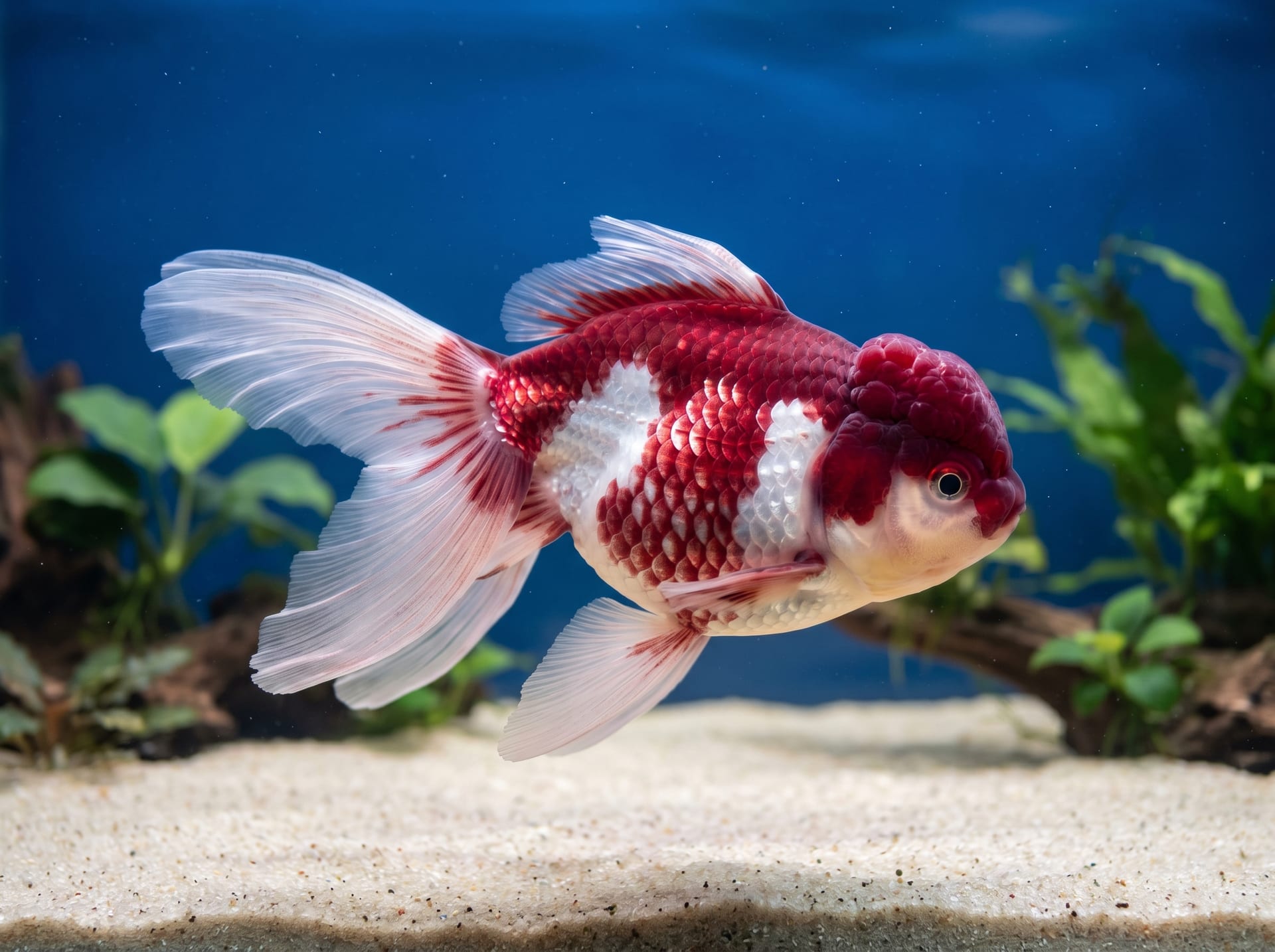
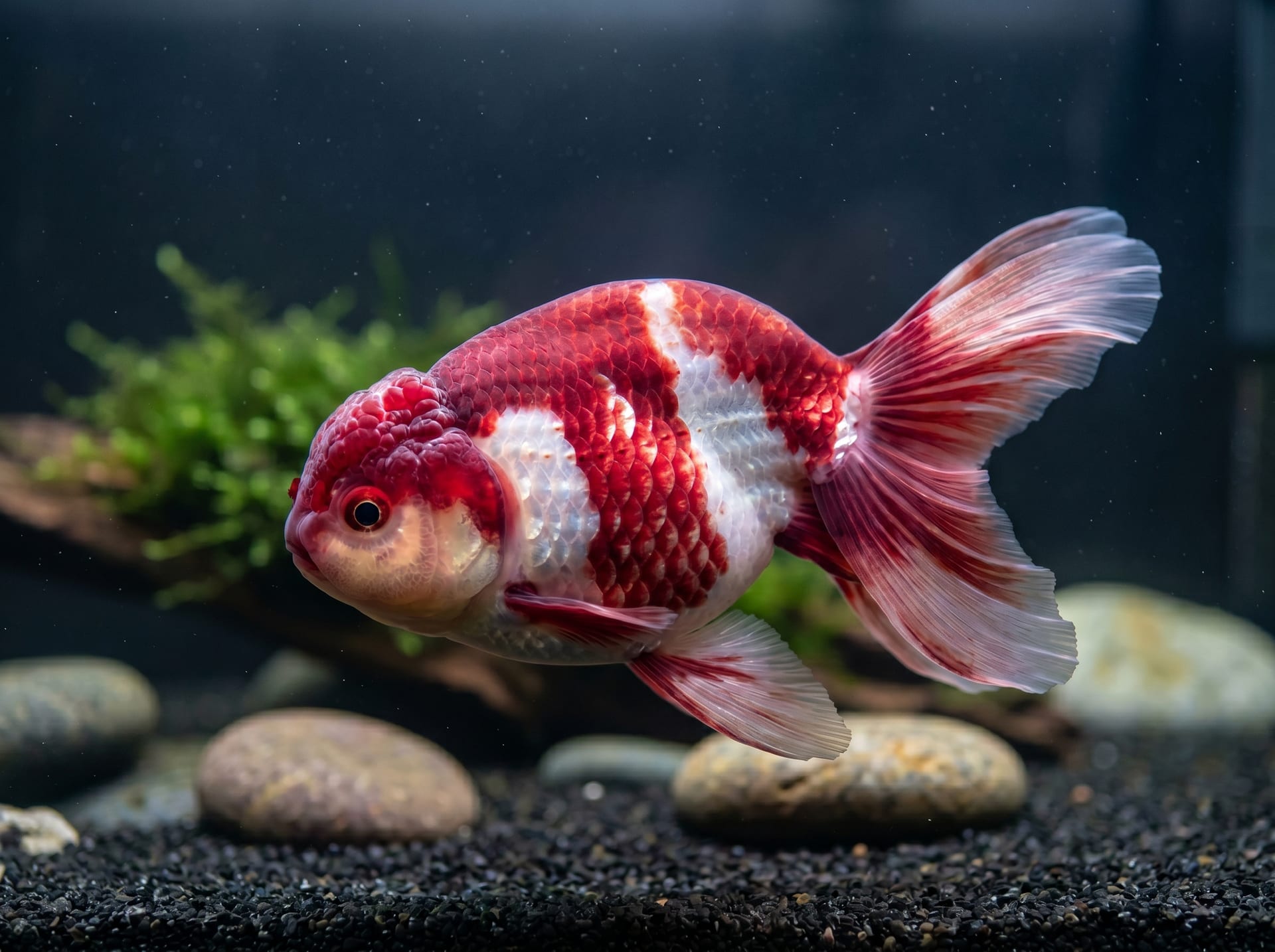
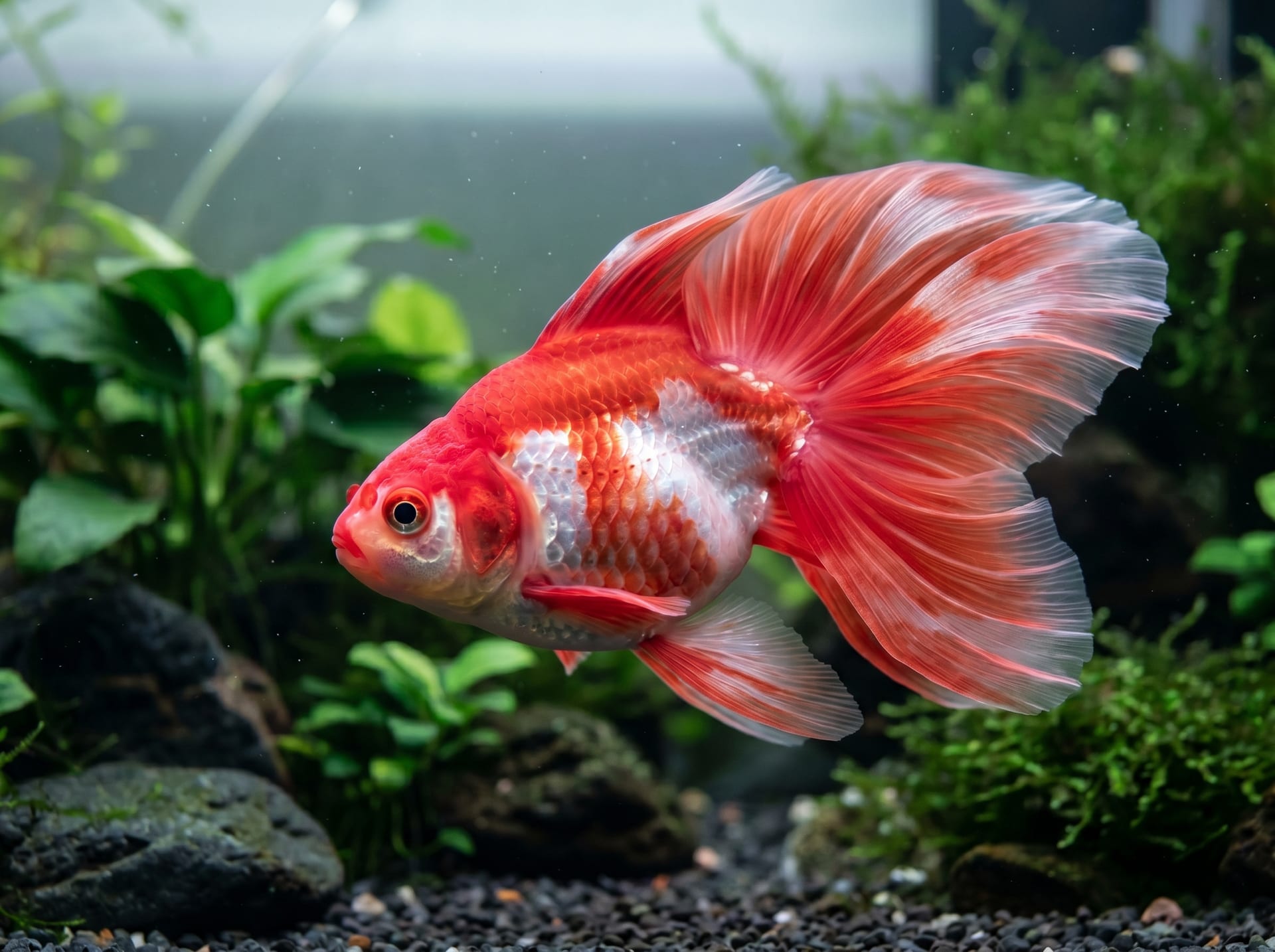
Goldfish competitions are traditional events where enthusiasts and breeders showcase the beauty of goldfish they have carefully raised. Held throughout Japan, these competitions attract a wide range of participants, from beginners to veterans. Exhibiting at a competition offers a valuable opportunity to have your breeding technique objectively evaluated, while also serving as a chance to connect with fellow enthusiasts who share your passion.
History and Types of Goldfish Competitions
The history of goldfish competitions in Japan dates back to the Meiji era, with records showing they were already being held across the country at that time. Today, goldfish clubs and local governments throughout Japan continue to host competitions, with numerous tournaments held throughout the year.
Major National Competitions: The Japan Ornamental Fish Fair is the largest competition held every spring in Tokyo. The All Japan Goldfish Competition is a national tournament that brings together goldfish that have won regional preliminaries from around the country.
Regional Competitions: Goldfish-producing regions such as Yamato-Koriyama (Nara), Yatomi (Aichi), and Edogawa (Tokyo) host community-based competitions. Regional competitions have relatively low barriers to entry and are recommended for first-time participants.
Breed-Specific Competitions: Specialized competitions exist for particular breeds, such as Ranchu-only competitions (sponsored by organizations like the Japan Ranchu Association) and Tosa goldfish competitions.
Basic Judging Criteria
Judging criteria at competitions vary by breed, but there are common evaluation points shared across all.
Body Shape: Conformity to the breed standard is the most heavily weighted criterion. For Ranchu, a rounded body shape and thick caudal peduncle are required; for Ryukin, an egg-shaped body and short body length are desired. A well-balanced body with left-right symmetry receives high marks.
Tail: The beauty of the tail, one of the most distinctive features of a goldfish, is also an important judging criterion. The spread, left-right symmetry, and balance between firmness and suppleness are evaluated. The Ranchu tail is ideally characterized by a unique spread called "sashi-o," while the Ryukin tail is highly valued when long and flowing gracefully.
Color: Vibrant and uniform coloring is required. For red, a deep crimson is ideal; for white, a transparent pure white is preferred. For calico (red and white pattern) goldfish, the balance of the pattern is also a judging point. Left-right symmetry in markings and fish with color cleanly entered on the head receive high evaluation.
Swimming: The ability to display the breed-specific swimming style is also assessed. Ranchu, lacking a dorsal fin, are expected to demonstrate a distinctive, leisurely swimming style that is active yet graceful.
Wen (Head Protuberance): For breeds with wens such as Ranchu, Oranda Lionhead, and Tosaikingyo, the development and shape of the wen are important judging criteria. An ideally balanced wen that develops evenly across the entire head is preferred.
Conditioning for Competition Entry
To achieve good results at a competition, systematic conditioning beginning several months in advance is necessary.
Selection: Goldfish for competition are narrowed down in spring. Select the individual that best matches the breed standard by comprehensively evaluating body shape balance, color pattern, and tail shape. Continue rearing multiple candidates and make a final selection as the competition approaches.
Rearing Environment: During the conditioning period, rear in an environment with minimal stress. Avoid overcrowding, maintain stable water quality, ensure adequate water circulation and oxygen. Outdoor rearing in direct sunlight has a positive effect on body color development. However, high water temperatures require caution.
Feed and Nutrition Management: For 2-3 months before the competition, provide high-quality feed in sufficient quantity to condition the body. In addition to high-protein artificial feed, live food such as frozen bloodworms and brine shrimp should also be utilized. Using color-enhancing feed (containing spirulina or astaxanthin) will improve red coloration. However, overuse of color-enhancing feed can cause reddish tones to appear even in white areas, requiring caution with calico individuals.
Health Management: Particular attention to disease prevention is needed starting one month before the competition. White spot disease or tail rot, once treated, may leave permanent marks. Maintain rigorous water quality control and avoid introducing new fish.
Preparation in the Final Week
Preparation in the week leading up to the competition and on competition day is also important.
Final Water Change: 3-5 days before the competition, perform a large water change to achieve pristine water conditions. Fresh water has the effect of tightening the fish's skin and enhancing color vibrancy.
Transport Preparation: Prepare a container for transporting the goldfish to the venue. Standard practice is to transport in a styrofoam box using oxygen-filled plastic bags. To prevent sudden temperature changes, use cooling packs or hand warmers depending on the season. Secure the container to the car seat to minimize vibration during transport.
Pre-Competition Fasting: Do not feed the goldfish the day before the competition. If the fish defecates during transport or judging, the water becomes cloudy and the goldfish's appearance suffers.
Competition Day Flow
A typical competition day proceeds as follows.
Registration is completed in the morning, and the goldfish are transferred to competition-designated wash basins or tanks. As competitions are divided by breed and size, enter your goldfish in the appropriate division. Judging typically takes place in the morning, with judges circulating through each division for evaluation. The judging method varies by competition, but the traditional method is "line judging," where wash basins are arranged in a line for comparative evaluation.
After results are announced, there is time for photographing award-winning fish and socializing. A competition is a valuable opportunity to exchange information with fellow enthusiasts who share your passion for the same breed. You may learn breeding tips from veteran hobbyists or receive superior bloodline goldfish from them.
How Beginners Can Participate in Competitions
Competition participation is surprisingly accessible, with many competitions accepting general entries. Start by joining your local goldfish club. Clubs hold regular meetings where you can learn breeding techniques and receive support for competition entry. Rather than aiming for awards in your first attempt, it's better to focus on viewing other entered fish to develop an eye for them and listen to veteran advice.
Meeting Competition-Grade Goldfish at Breedify (BreederDirect)
To obtain goldfish with the potential to excel in competitions, direct purchase from an experienced breeder is the most reliable approach. BreederDirect features breeders with competition award records, allowing you to select goldfish after confirming their bloodline and selection history. For those aiming for competition success, receiving direct advice from breeders is a significant advantage.