The World of Goldfish Breeders
We delve deep into the work of goldfish breeders active in competitions, the stories behind creating popular varieties, and the benefits of purchasing goldfish directly from breeders.
Key Takeaways
We delve deep into the work of goldfish breeders active in competitions, the stories behind creating popular varieties, and the benefits of purchasing goldfish directly from breeders.
Related Species
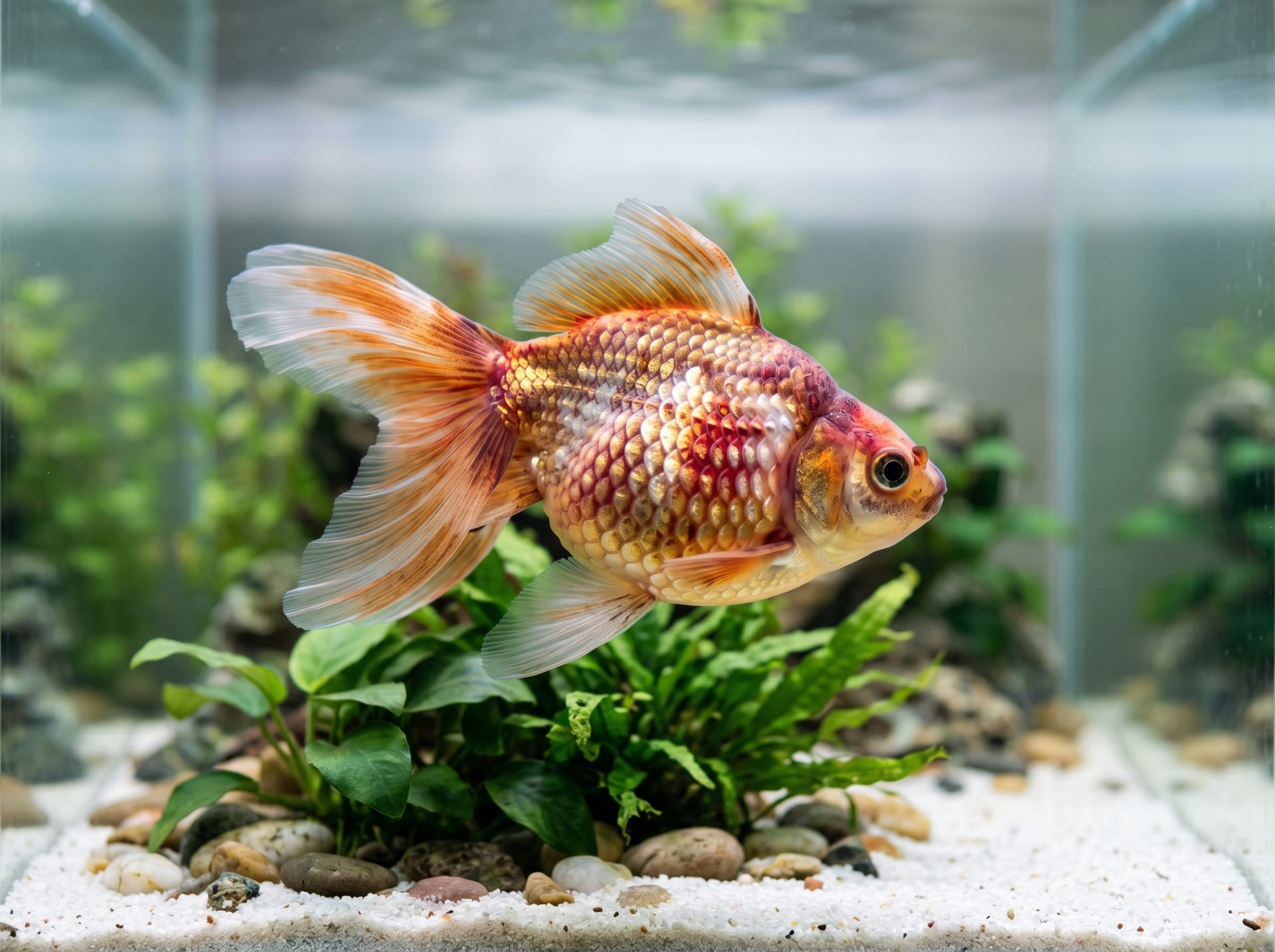
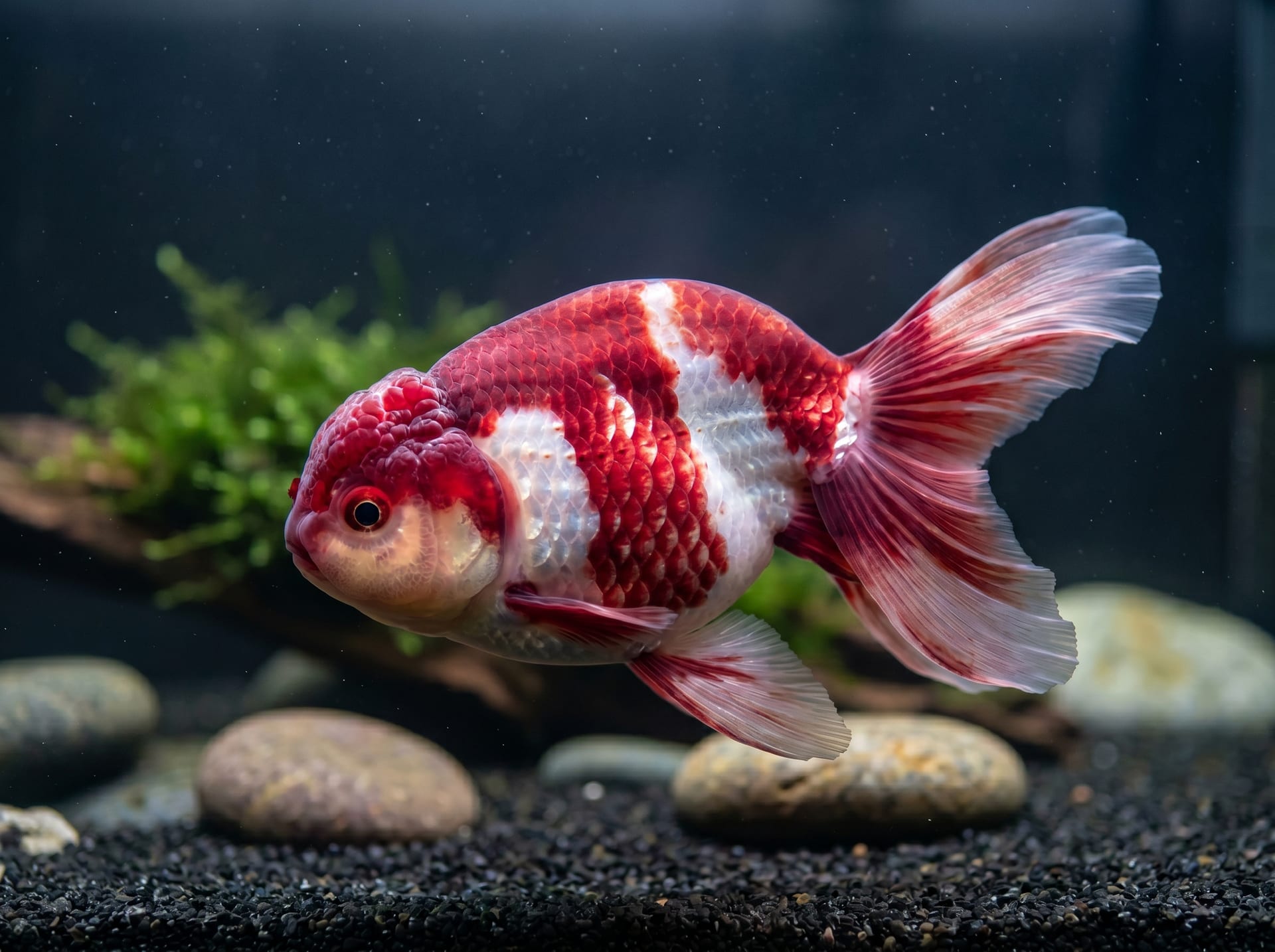
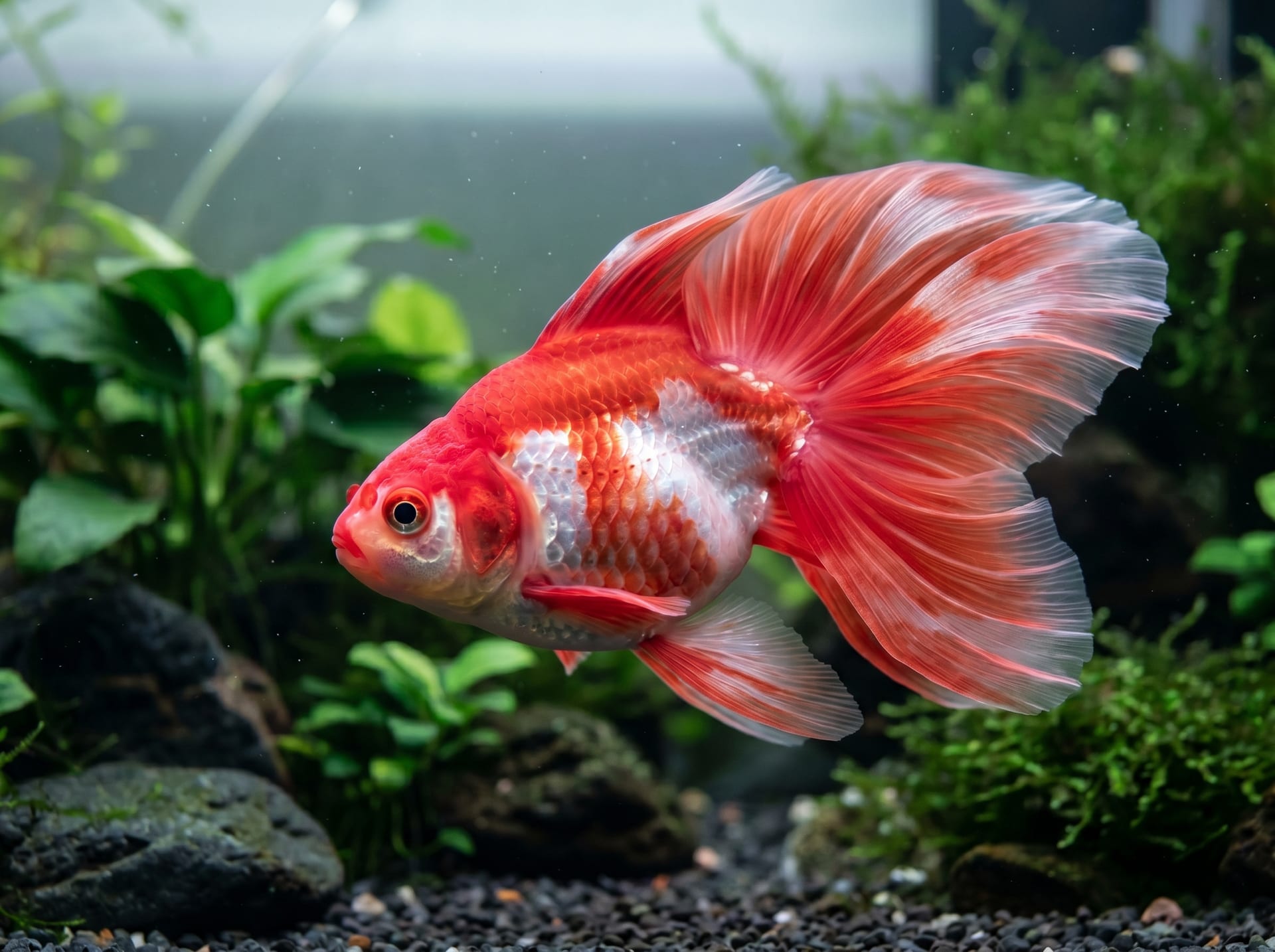
Goldfish are the oldest ornamental fish species in Japan, with a history of selective breeding spanning over 1,000 years. After arriving from China, unique Japanese varieties began to emerge during the Edo period, and today there exists an unparalleled diversity of goldfish varieties found nowhere else in the world. We introduce you to the world of goldfish breeders who strive daily toward winning awards at competitions.
What is a Goldfish Breeder?
A goldfish breeder is a specialist who pursues the ultimate beauty of a specific variety through planned breeding. It is not merely about increasing fish numbers, but rather consistently producing individuals that approach the ideal form of the variety as defined by competition judging standards.
It is said that becoming a top-tier breeder requires over 10 years of experience, and demands advanced technical skills to comprehensively control all aspects including water quality, temperature, diet, and breeding stock pedigree management. Additionally, the ability to "read the fish"—discerning a goldfish's health from its expression and swimming behavior—is an essential skill that can only be cultivated through years of experience.
Annual Schedule
- January–February: Selection and final evaluation of breeding stock, hibernation management (maintaining water temperature of 5–10°C)
- March–April: Spawning preparation, gradually raising water temperature to induce spawning
- May–June: Spawning and hatching, fry selection (busiest period of the year)
- July–September: Rearing and growth management, refining body shape by adjusting both quantity and quality of food
- October–November: Competition season, final conditioning of individuals and preparation for show entry
- December: Planning for the following year, hibernation preparation
Popular Goldfish Varieties
Ranchu
Regarded as the "king of goldfish," the ranchu is the pinnacle variety. It lacks a dorsal fin, with its most distinctive feature being the unique bulbous protrusion on the head called a wen. At competitions, the balance of the head, body, and tail fin is strictly judged, and award-winning individuals can fetch prices reaching hundreds of thousands of yen. Depending on origin, there are distinct regional characteristics, such as "Azuma ranchu" (Eastern ranchu) and "Hanna ranchu" (Osaka-Nara ranchu), and enthusiasts often have strong preferences for specific bloodlines based on origin.
Tosa Kin
Originating in Kochi Prefecture, the Tosa kin is a domestic Japanese goldfish variety whose dramatically arched triple tail is called "swimming art." It has extremely high husbandry difficulty, requiring special water current management and shallow water conditions, making it a variety that tests experienced breeders' skills. It is also a rare variety designated as a Japanese Natural Monument.
Azuma Nishiki
An oranda-type goldfish with a three-color (calico) pattern of red, white, and black. Its appeal lies in the significant individual variation, with no two fish having identical markings, making it highly collectible. Body color can change as the fish grows, providing long-lasting enjoyment in raising them.
Ping Pong Pearl
An endearing variety characterized by its rounded body shape and pearl-like iridescent scales (mosaic scales). In recent years, it has gained popularity among women and beginners, and because it can be enjoyed even in small aquariums, it is gaining attention as an ideal introductory ornamental fish.
Breeder Breeding and Selection Techniques
Goldfish breeding season centers on spring (March–May). In preparation, breeders manage carefully selected breeding stock in separate tanks from autumn onward, allowing them to build up maximum stamina. Before the spawning season arrives, consulting the Spring Breeding Season Preparation Guide to understand water temperature management and breeding stock condition checks can enable more successful spawning.
After spawning, the hatched fry can number in the thousands to tens of thousands, but breeders then conduct multiple rounds of "culling." Removing individuals with abnormal body shapes within days of hatching, and those with fin or color issues weeks later, leaves only tens to hundreds of fish in this rigorous selection process.
The precision of culling is where a breeder truly demonstrates their skill, and the decision of "which individuals to keep" greatly influences that year's results. At the fry stage, predicting their final form is difficult, making years of experience and observational acuity essential. By keeping records of the breeding process and selection criteria, you can use them to improve future years' results. For more details, see the Breeding Record Keeping Guide.
The Culture of Competitions
Goldfish competitions are held nationwide in autumn, with specialized shows for each variety such as ranchu and Tosa kin. While judging criteria vary by variety, evaluations include body shape, body color, fin form, swimming behavior, and overall harmony.
Competitions are not merely venues for competing, but also vital gathering places where breeders exchange techniques and share pedigree information. The breeding stock of award winners is highly valued as a "bloodline," creating high demand for their fry. This competition culture has been the driving force behind elevating Japanese goldfish varieties to world-class standards.
Benefits of Purchasing Directly from Breeders
Transparency of Pedigree and Quality
Individuals born from award-winning parents can be obtained, making pedigree information extremely important for those considering future breeding. Purchasing directly from a breeder allows you to learn detailed information about the parent's name, competition history, and rearing conditions.
Carefully Selected Individuals
Only individuals that have passed multiple rounds of selection from thousands of fry and have balanced body shape, fins, and coloration reach your hands. The quality is fundamentally different from fish found in mass-market retailers.
Support Through Expert Knowledge
Being able to directly ask about treatments for goldfish-specific diseases such as ich, dropsy, and swim bladder disorder, as well as species-specific advice on water quality, diet, and temperature management, is one of the greatest benefits of purchasing from a breeder. After purchase, refer to the Introduction to Quarantine (Treatment) for New Fish to safely introduce them to your existing setup.
Appropriate Shipping Management
Breeders are well-versed in packing and shipping methods that account for temperature and season, and can appropriately manage transport risks during extreme heat and cold.
Finding Goldfish Breeders on BreederDirect
BreederDirect provides an environment where you can purchase directly from trustworthy goldfish breeders. From competition-level high-quality individuals to beginner-friendly standard varieties, you can search for fish alongside information about their origin, bloodline, and rearing methods. Through direct communication with breeders, enjoy finding your perfect fish.