Among long-time goldfish breeding enthusiasts, many think, "I'd like to try selling the fry I've raised." While selling goldfish as a business requires legal procedures, with proper knowledge and preparation, it can be established as a side business or individual enterprise. This article explains all the steps to get started selling as a goldfish breeder.
Essential Legal Knowledge First: Animal Handling Business Registration
In Japan, when selling animals (mammals, birds, reptiles, fish, insects, etc.) as a business, registration for animal handling (sales) business is required (Animal Welfare and Management Law, Article 12).
When Registration is Required
"As a business" is defined as selling continuously and repeatedly for compensation. A one-time transfer to an acquaintance is not covered, but continuous sales through SNS and auction sites are considered "as a business." Selling without registration is subject to fines of up to 1 million yen, so be sure to register before you start.
Registration Requirements
| Requirement | Details |
|---|
| Practical Experience | At least 6 months of practical experience or specified qualifications such as pet care management specialist |
| Facility Standards | Clean breeding space with proper ventilation and temperature control |
| Animal Handling Manager | One person assigned per business location |
| Application Window | Apply to the prefectural governor (or mayor of a designated metropolitan city for urban areas) |
While goldfish don't have as strict standards as mammals, birds, or reptiles, proper health management and record-keeping (sales ledger) of individuals for sale are required.
Application Process Overview:
- Consult and confirm in advance with your prefectural office (Environment Department, Public Health Department, etc.)
- Prepare application documents (facility plans, breeding management plans, etc.)
- Facility inspection (varies by prefecture)
- Issuance of registration certificate (required to display registration number on business cards, websites, etc.)
Fundamentals of Breeding and Inventory Management
To stabilize sales, a planned breeding schedule and inventory management are important.
Example Annual Breeding Schedule
| Period | Tasks |
|---|
| Feb-Mar | Nutritional enhancement of breeding pairs, water temperature adjustment begins |
| Apr-May | Spawning induction, egg collection, hatch management |
| Jun-Aug | Fry sorting, growth promotion |
| Sep-Nov | Final finishing of yearlings, sales begin |
| Dec-Jan | Parent fish overwintering, rest period |
In the goldfish market, "yearlings" (tosai)—young fish less than one year old—have the highest demand. The basic cycle is spawning in spring and selling fry in autumn.
Selection and Quality Management
Select individuals for sale that meet breed standards in terms of traits, body shape, and body color. The clearer the selection criteria, the higher customer satisfaction and the more repeat customers you'll gain.
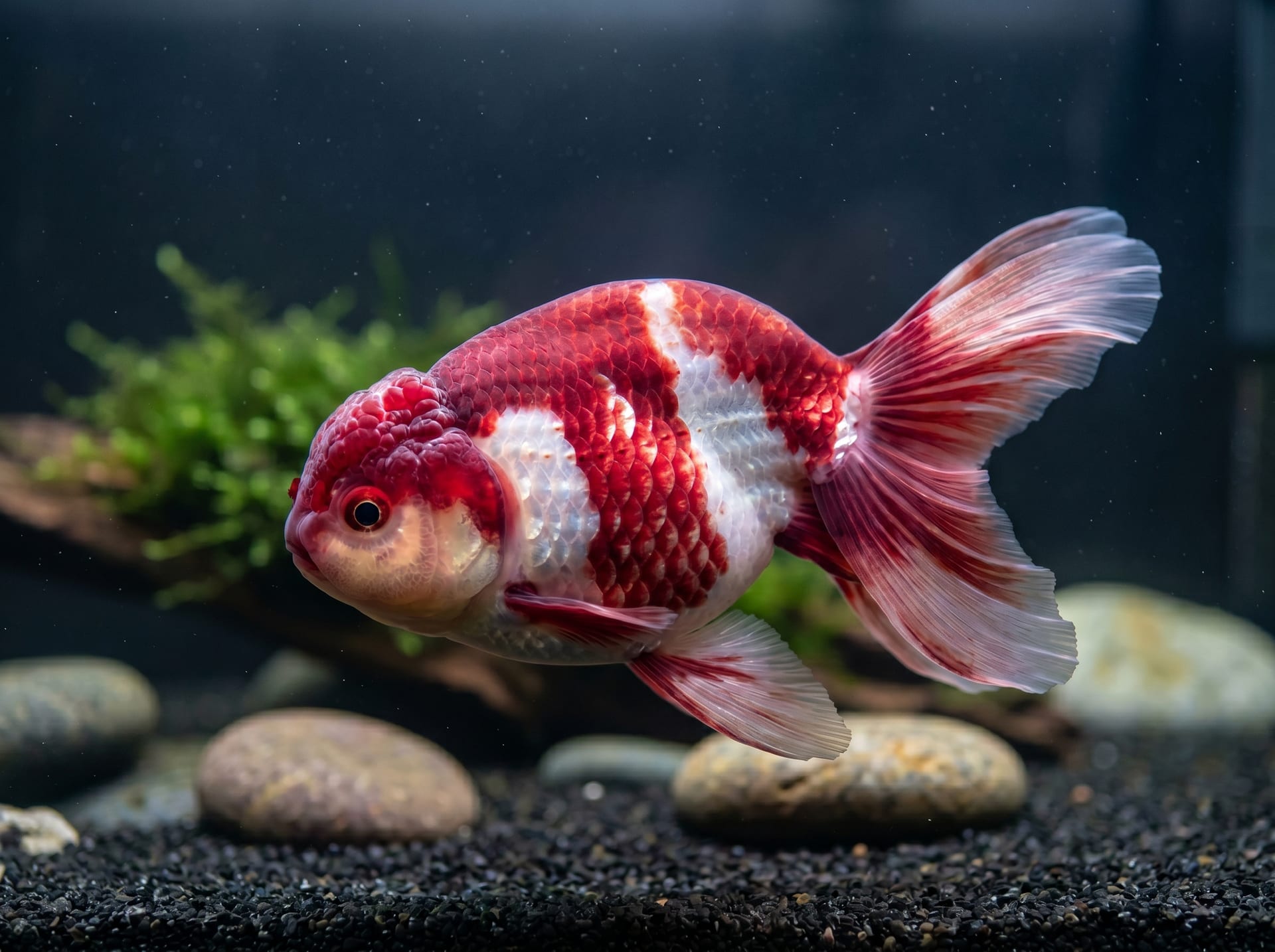
- Body Shape Check: Breed-appropriate body shape (curved back for ranchu, rounded body for ryukin)
- Fin Check: Tail fin shape and symmetry
- Color and Markings: Ideal coloration according to breed
- Health Status: No abnormalities in gills or body surface
Pricing Strategy
Appropriate goldfish prices vary greatly depending on breed, size, quality, and rarity.
Price Range by Breed
| Breed | Typical Price Range for Yearlings |
|---|
| Wakin/Comet (Common) | ¥100-500 |
| Ryukin/Bubble Eye (Common to Medium) | ¥500-2,000 |
| Ranchu (Below Show Quality) | ¥2,000-10,000 |
| Ranchu (Top Show Quality) | ¥10,000-50,000+ |
| Tosagold/Jigane (Premium Breeds) | ¥5,000-30,000 |
Pricing Tips:
- Research market prices for similar size and quality in the same breed before setting your price
- Communicate the value of direct breeder sales (disclose parent fish lineage and care history)
- Set rare breeds and high-quality individuals above market price to avoid underpricing
Choosing and Developing Sales Channels
Online Sales
BreederDirect (br-choku.com): A platform specialized in direct breeder sales of live animals. It has a goldfish category with free listings and a completely success-based fee structure where commissions are only charged at sale. You can provide detailed information about lineage, parent fish, and breeding environment on dedicated pages.
Yahoo Auctions / Mercari: Have large existing user bases and offer good initial traffic potential. However, be sure to check guidelines for live animal sales (packaging standards, complaint handling, etc.).
Custom Website / SNS: Sharing breeding progress on Instagram, X (formerly Twitter), and YouTube builds trust and increases repeat customer rates before direct sales.
In-Person Sales
- Local Shows and Sales Events: Participating in shows is the best opportunity to connect with goldfish enthusiasts. For serious high-end breed sales, show participation enhances credibility.
- Wholesale to Aquarium Shops: Approach nearby shops with proposals for quality, pricing, and consistent supply. While profit margins are lower, it provides stable income.
Packaging and Shipping Standards
In live animal mail sales, oxygen depletion, temperature fluctuation, and water quality changes during transport are major causes of death.
Basic Packaging Steps:
- Fast the fish the day before shipping to prevent water quality deterioration
- Seal water and oxygen (air) in transport bags (thick plastic bags) at approximately 1/3 water to 2/3 oxygen ratio
- Use ice packs in summer (with cushioning between bag and ice) and hand warmers in winter
- Secure firmly in cardboard with "This Side Up / Live Animals" markings
- Next-day delivery is essential (Sagawa Express or Japan Post)
Customer Service and Follow-Up
Problems can arise in live animal sales. Establish clear policies in advance.
Key Items to Include in Terms:
- Condition verification method upon arrival and communication timeframe (within 2 hours of receipt)
- Dead-on-arrival guarantee details and conditions (photo evidence required)
- Acclimation instructions (deaths due to buyer negligence are not covered)
Including helpful care instructions with the shipment (acclimation steps, initial precautions) increases satisfaction and leads to word-of-mouth recommendations and repeat purchases.
Summary
To start sales as a goldfish breeder, four pillars are essential: animal handling registration, planned breeding management, appropriate pricing, and reliable sales channel development. While the procedures may seem complex at first, once established, it becomes a sustainable side business leveraging your hobby. The joy of seeing the goldfish you've carefully raised bring happiness to new owners is one of the greatest rewards of goldfish breeding.