A Guide to Visiting Goldfish Exhibition Shows | Spectating Etiquette, Highlights, and National Event Information for First-time Visitors | ブリちょく
Goldfish| ✍️ BreederDirect Editorial
A Guide to Visiting Goldfish Exhibition Shows | Spectating Etiquette, Highlights, and National Event Information for First-time Visitors
A guide to enjoying goldfish exhibition shows as an audience member. Explains judging criteria, major national competitions, and spectating etiquette for first-time visitors.
Key Takeaways
A guide to enjoying goldfish exhibition shows as an audience member. Explains judging criteria, major national competitions, and spectating etiquette for first-time visitors.
Goldfish Exhibition Shows Are Enjoyable "Just by Watching"
✍️
BreederDirect Editorial
The BreederDirect editorial team specializes in care information for animals, covering veterinary care and breeding to deliver beginner-friendly guides.
Find Goldfish on BreederDirect
Buy directly from verified breeders
Browse Related Listings
Find Goldfish listings related to this article on BreederDirect. Buy directly from verified breeders.
Goldfish exhibition shows are often thought to be closed events for exhibitors and experienced breeders. However, many competitions are actually open to the general public, allowing visitors to attend for free or a small admission fee. An exhibition show where you can observe fish whose coloration, body shape, and swimming grace have been refined to perfection is an invaluable learning opportunity for goldfish enthusiasts. This guide compiles spectating etiquette, highlights, and major event information across Japan for those visiting an exhibition show for the first time.
Major Exhibition Shows Nationwide and Seasonal Schedule
Throughout Japan, exhibition shows and competitions are held in various locations each year, primarily in autumn. Representative examples include the following:
The National Goldfish Exhibition Competition is a prestigious show held for many years at facilities adjacent to Korakuen Amusement Park in Bunkyo Ward, Tokyo. Major varieties such as ranchu and ryukin gather together, attracting exhibitors from across Japan. While the show typically occurs around October to November, the timing varies by year, so be sure to check official announcements each time.
Regional exhibition shows and competitions organized by enthusiast clubs are held throughout Japan. Many regions—such as Tokai, Kansai, and Kyushu—have enthusiast clubs that independently operate their own competitions, providing a valuable opportunity to see fish bred by local quality breeders. In major urban areas like Aichi, Osaka, Hiroshima, and Fukuoka, multiple events may be held annually.
To find information about exhibition show schedules, check websites of goldfish enthusiast clubs in your prefecture or national organizations, search the "goldfish exhibition show" hashtag on social media (X/Instagram), or contact local goldfish specialty shops. Since dates, venues, and viewing policies may change annually, always verify official information beforehand.
Spectating Etiquette First-time Visitors Should Know
At exhibition shows, delicate goldfish under judging or on display are arranged in tanks and troughs. By following the etiquette below, exhibitors, staff, and all other visitors can enjoy the event comfortably.
Don't touch tanks or containers: Placing your fingers or hands on glass surfaces or wooden barrels can transmit vibrations that stress the fish. Leaning against containers is strictly prohibited.
Confirm whether flash photography is prohibited: Intense light flashes can startle the fish. Some shows have flash-free or photography-free zones, so always check the venue rules before taking photos.
Avoid loud voices and running: Sound and vibration travel through water to the fish. If attending with children, remind them to observe quietly.
Choose the right time to speak with exhibitors or judges: Avoid interrupting during judging. Many shows include a networking time after judging ends, which is an excellent opportunity to ask breeders directly about breeding techniques.
Check item restrictions: Food and beverages may be restricted from the venue. Additionally, water and supplies from other shows or specialty shops may be prohibited (as a disease prevention measure). Confirm these rules in advance.
What to Watch For
Observing an exhibition show becomes more meaningful when you understand the judging criteria, making the strengths and weaknesses of each fish clearer. Here are key points for first-time visitors to focus on:
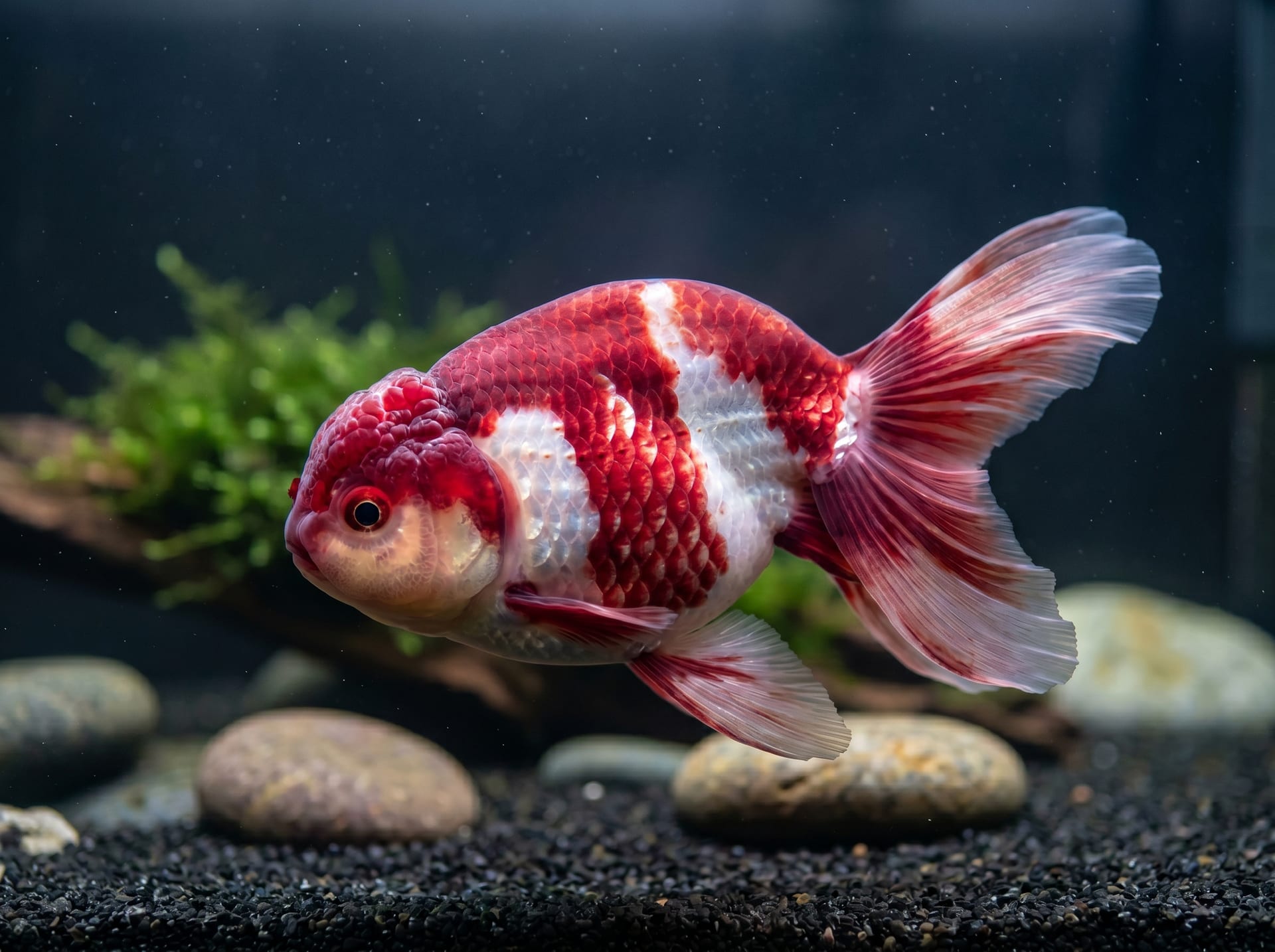
Body shape and bilateral symmetry: Fish with egg-shaped bodies and rounded torsos that conform to breed standards, along with evenly balanced curves on both sides, receive high marks. Even minor asymmetries are penalized.
Fin shape and spread: Tail fin shapes vary by breed—such as three-lobed, four-lobed, or cherry blossom tails. Fish that maintain the correct form while swimming with fins fully extended are highly rated. Also note whether fins are free of damage, chips, or cloudiness.
Color vibrancy and pattern clarity: In sarasa goldfish (with white and red coloring), sharply defined color boundaries and deep, vibrant hues tend to receive higher scores.
Swimming style and balance: Even a beautiful body shape loses points if the fish tilts or sways while swimming. The ideal is to swim gracefully while maintaining a horizontal position.
Size and age: Exhibition shows typically divide entries into age categories—yearlings (about one year old) and older fish (two years or more)—with size and maturity compared within each age group.
What You Can Learn and Take Away from Exhibition Shows
The greatest benefit of attending an exhibition show is being able to see top-quality fish firsthand and imprint the "ideal form" in your mind. You can experience the three-dimensional presence, color depth, and underwater movement in ways that photos or videos cannot convey.
Through interaction with exhibitors and enthusiasts, you can gain practical knowledge about water quality management, feed selection, and seasonal care tips. Most breeders enjoy sharing their passion for goldfish and willingly answer questions from beginners.
High-quality fish, feed, and supplies that are difficult to obtain through ordinary channels may be sold around the venue or at sales booths held concurrently. However, be mindful of transport stress after purchase, and be sure to prepare proper containers and oxygen supplementation for the trip home.
The Option of Purchasing Directly from Breeders
Once you find a favorite variety or breeder at an exhibition show, consider purchasing directly online as your next step. br-choku connects buyers directly with breeders across Japan, featuring award-winning bloodlines and rare varieties. Use the discerning eye you've developed at the show to find your perfect fish.