Chakin Care Guide | Characteristics and Raising Methods of the Subdued Brown Ryukin/Oranda-Type Variety
Explains Chakin characteristics, body color development, water quality management, feeding and color enhancement, and precautions for mixed-species housing. A practical guide for skillfully raising this Ryukin- or Oranda-type variety with its beautiful, subdued brown coloring.
Key Takeaways
Explains Chakin characteristics, body color development, water quality management, feeding and color enhancement, and precautions for mixed-species housing. A practical guide for skillfully raising this Ryukin- or Oranda-type variety with its beautiful, subdued brown coloring.
Chakin is a goldfish characterized by tan-to-brown body coloring, with a Ryukin-type or Oranda-type body. In a goldfish world dominated by flashy reds and whites, its subdued color palette exudes a unique presence. Though relatively unknown in Japan, it maintains a dedicated following as a connoisseur's choice among subtle-hued varieties. This article provides detailed explanations of Chakin's characteristics, acquisition methods, and practical breeding points.
✍️
BreederDirect Editorial
The BreederDirect editorial team specializes in care information for animals, covering veterinary care and breeding to deliver beginner-friendly guides.
Find Goldfish on BreederDirect
Buy directly from verified breeders
Browse Related Listings
Find Goldfish listings related to this article on BreederDirect. Buy directly from verified breeders.
Related Tools
Related Articles
Browse by Category
🪸Coral
🐠Marine Fish
🐟Tropical Fish
🐡Goldfish
🐟Medaka
🦎Reptiles
Share
Characteristics and Origins of Chakin
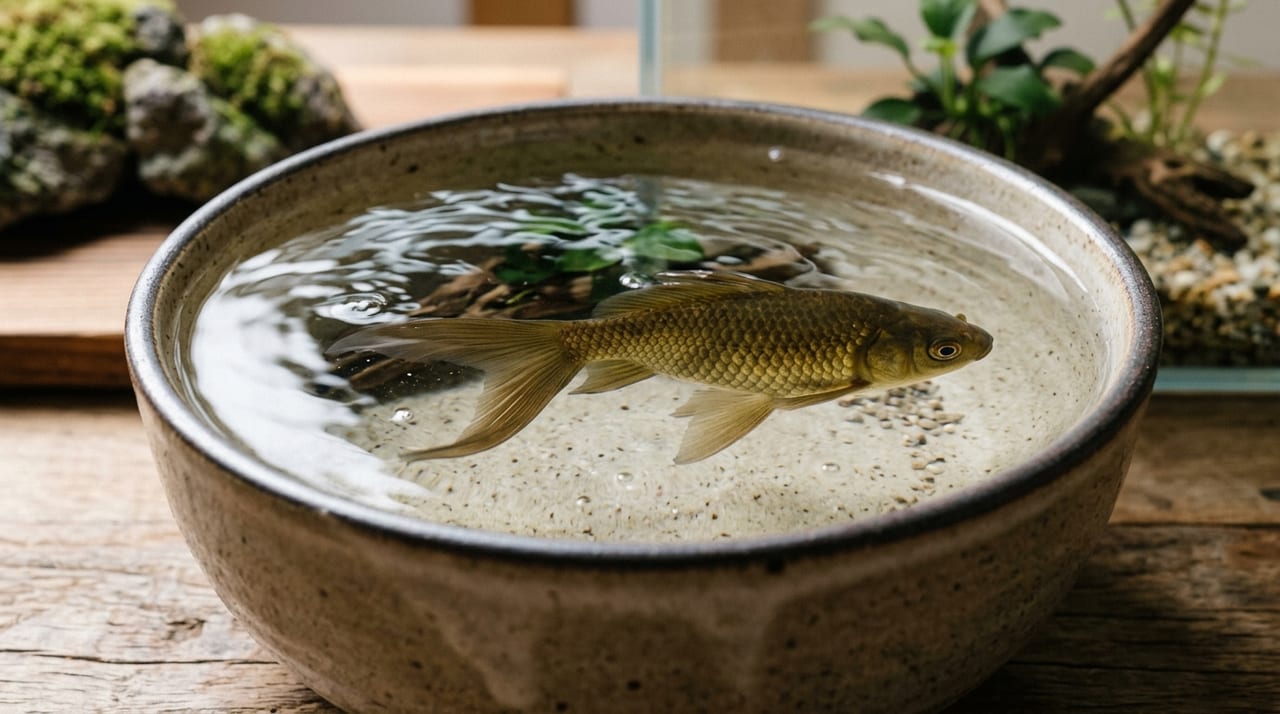
Chakin is a variety imported from China after World War II. It comes in two body types, the rounded Ryukin type and the Oranda type with a longer body than the Ryukin, and some individuals develop a head growth (hood). Its greatest feature is its body color, which displays tan, brown, or olive-tinted hues. True to its name "Chakin," its body color features a subdued tone reminiscent of tea.
Body color is prone to change with rearing environment and diet, and exposure to sunlight tends to intensify coloring. Outdoor pond rearing in earth pools particularly favors beautiful tea-brown coloration, while indoor aquarium rearing may result in somewhat lighter tones. Juveniles often display blackish or ordinary golden coloring, with the characteristic tea-brown hue appearing as they mature. Observing this color transformation process is one of the pleasures of Chakin cultivation.
Chakin has lower availability compared to standard Wakin and is typically obtained from goldfish specialty shops or dedicated breeders. They are rarely seen in pet shops, but are relatively easy to find at goldfish competitions and tropical fish/goldfish specialty stores. Prices vary by quality, but general specimens for home rearing can be obtained for several hundred to several thousand yen.
Physique and Swimming Characteristics
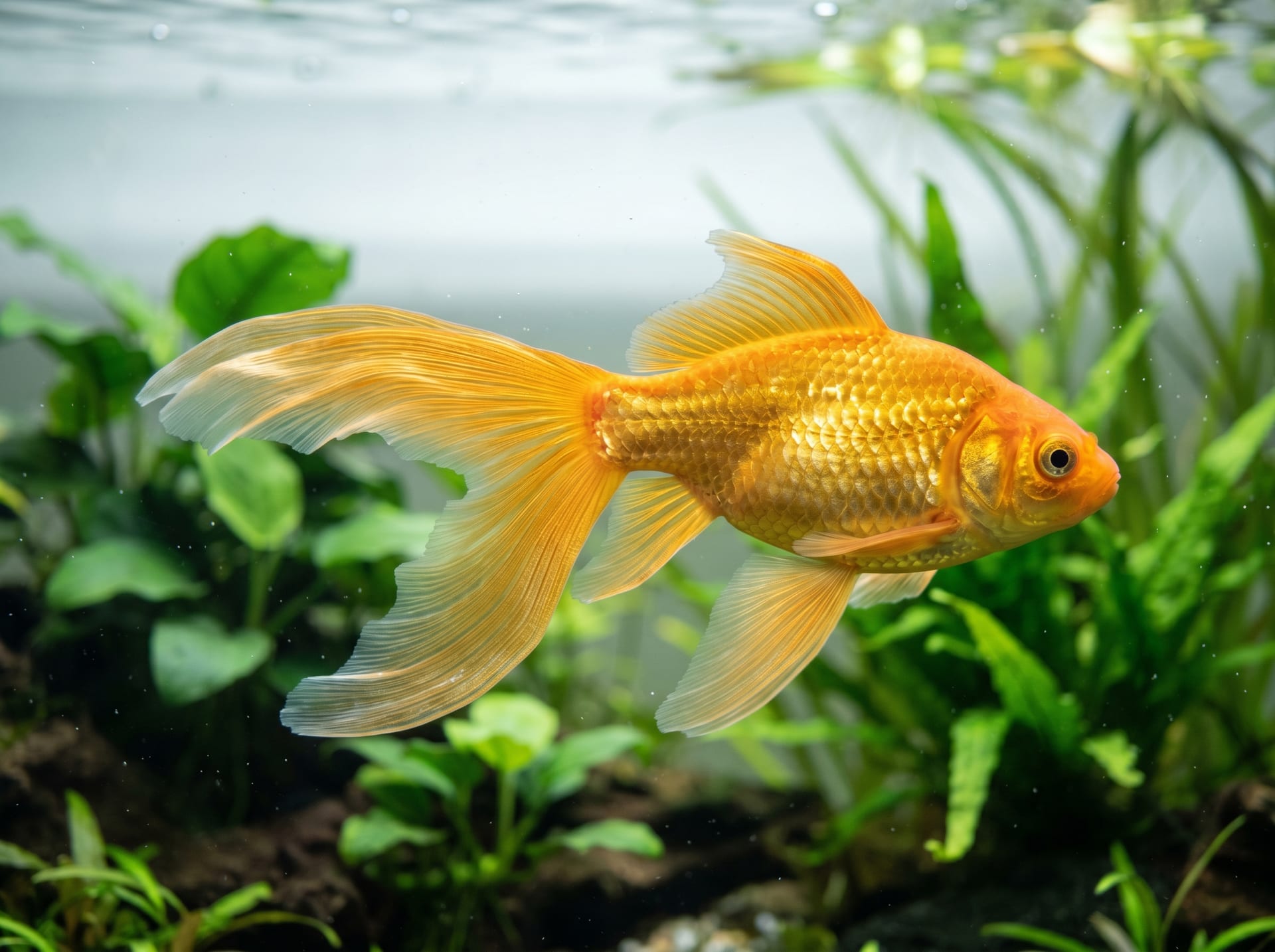
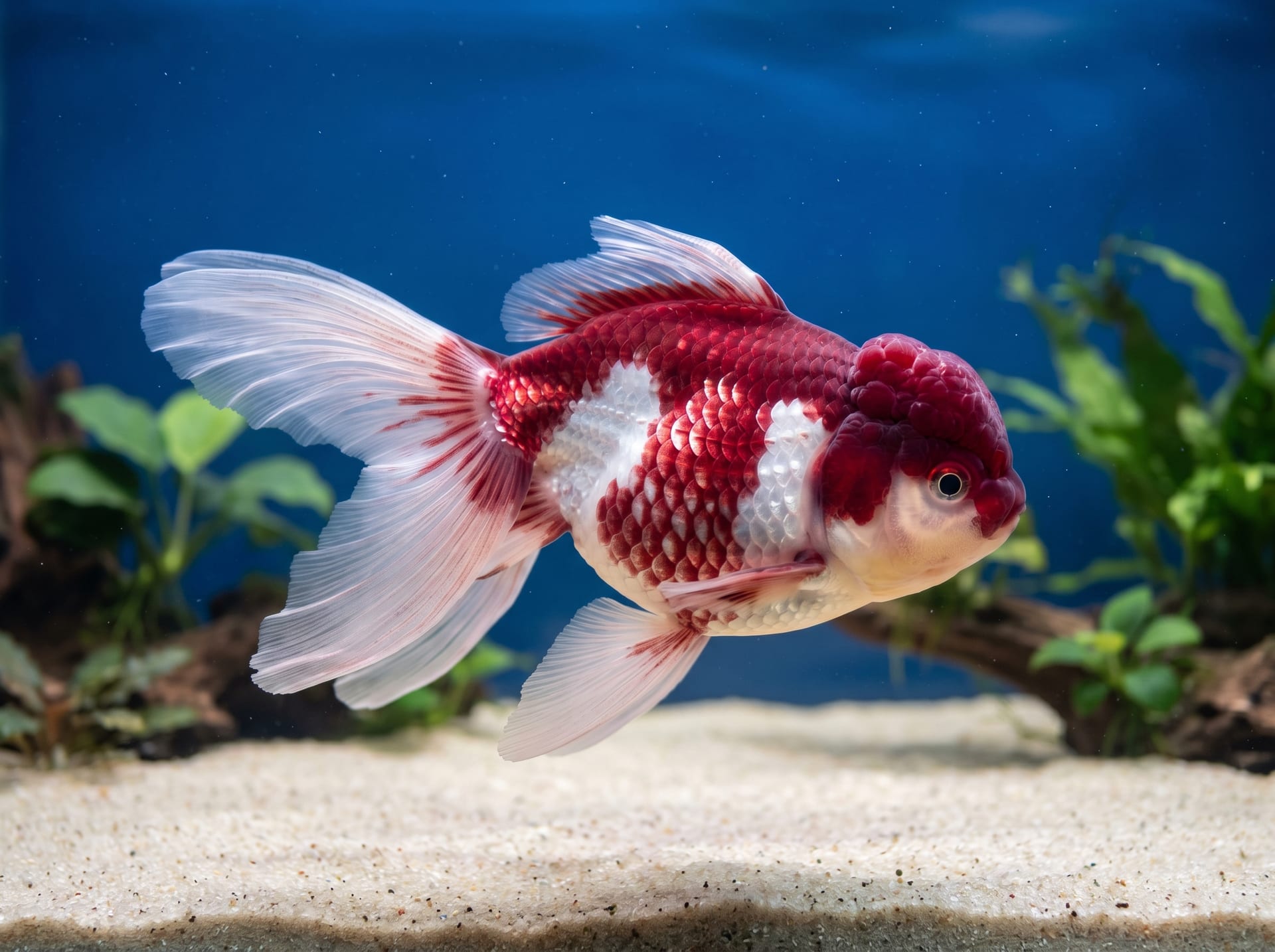
Chakin, with a Ryukin-type or Oranda-type body, has a rounded form and swims at a leisurely pace, not as fast as slender varieties such as Wakin. Providing a spacious rearing tank is a considerate approach to goldfish care.
Adult body length typically reaches 10–20 cm. A tank of at least 60 cm is the baseline, and a 90 cm tank is preferable for adults exceeding 10 cm in length. They thrive very well in plastic tubs and outdoor setups, and rearing in spacious environments enhances both body form beauty and color vibrancy. Prioritize bottom surface area over tank depth when selecting containers.
Water Quality and Temperature Management
The main reference values for rearing are as follows.
Item
Reference
Ideal Temperature
10–28°C
Winter Temperature Drop
Can overwinter in dormancy even with natural temperature drops (5–10°C)
Summer High Temperature
Above 30°C weakens fish; avoid direct sunlight or use a cooling fan
Ideal pH
6.5–7.5 (weakly acidic to neutral)
Water Change Frequency and Volume
1–2 times per week, 20–30% of total water volume
Temperature Difference Between New and Rearing Water
Within ±2°C (avoid abrupt temperature changes)
Ammonia and nitrite are highly toxic, as with other goldfish, requiring regular water changes and proper filtration system maintenance. Goldfish have strong appetites and produce abundant waste, placing heavy load on filters. Choosing filtration systems with higher processing capacity—such as top-mounted or external filters—rather than hang-on filters stabilizes water quality. Always dechlorinate new water before adding it.
Feeding and Color Enhancement Tips
Color enhancement in Chakin is effective with specialized color-enhancing feeds containing carotenoids (astaxanthin) or foods containing spirulina. However, excessive color-enhancing feed can cause body color to take on reddish tones. To enjoy Chakin's natural tea-brown and tan coloring, use color-enhancing feeds moderately and utilize outdoor rearing and green water to maintain natural coloration.
Keep the following points in mind regarding feeding.
Feeding Frequency and Amount: 2–3 times daily, in quantities consumed in about 5 minutes
Low-Temperature Periods (15°C or Below): Reduce feeding amounts as digestive function declines; select easily digestible, low-protein foods
Live Foods (Daphnia, Bloodworm): Highly palatable; effective for recovery and pre-breeding nutritional supplementation
Precautions for Mixed-Species Housing and Breeding
Chakin, as a round-bodied Ryukin-type or Oranda-type goldfish, has compatibility considerations for tank mates.
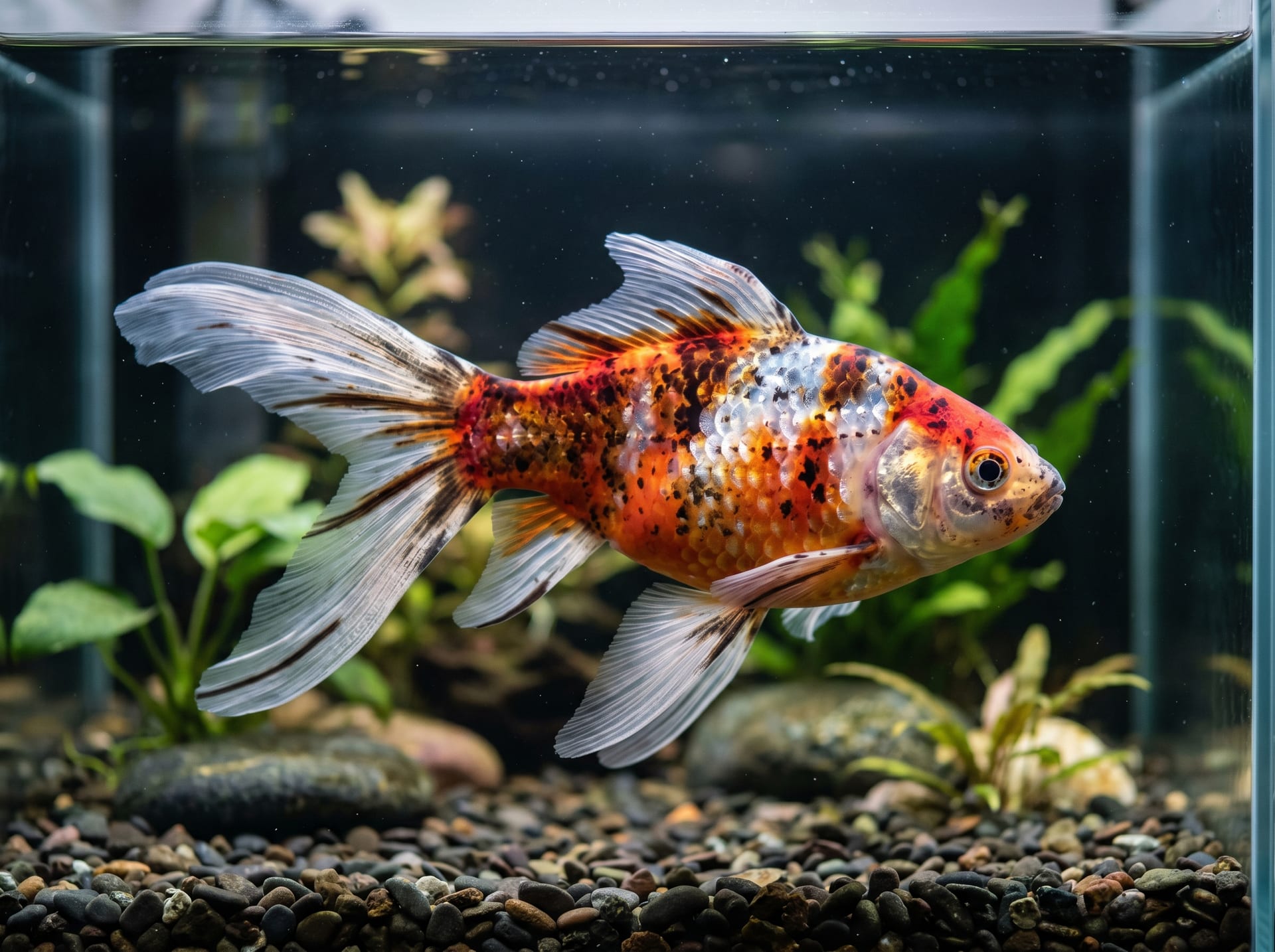
Tank Mates to Avoid: Fast-swimming, slender-bodied varieties such as Wakin, Comet, and Shubunkin (differences in swimming speed can result in Chakin being unable to feed or having their fins damaged)
Compatible Tank Mates: Varieties with the same round body type, such as Ryukin and Oranda
During breeding season (primarily March through May), males exhibit aggressive pursuit behavior called "chasing." If spawning is not desired, separate males and females into different tanks or increase water volume significantly to provide escape space. To encourage spawning, "temperature stimulation"—temporarily lowering then gradually raising water temperature—is effective. For spawning, introduce aquatic plants or dedicated artificial spawning mats, and move eggs to separate containers before parent fish consume them; this is the foundation of fry rearing.
Summary
Chakin is hardy and long-lived, with its subdued coloring seamlessly blending into Japanese-style spaces—a truly charming variety. Though lacking flashiness, its subtle beauty deepens with cultivation, becoming increasingly rewarding as one continues goldfish keeping. Offering unique coloration, Chakin is a variety suited to both beginners and experienced hobbyists. We encourage you to raise Chakin, which embodies the profound depth of Japanese goldfish culture.