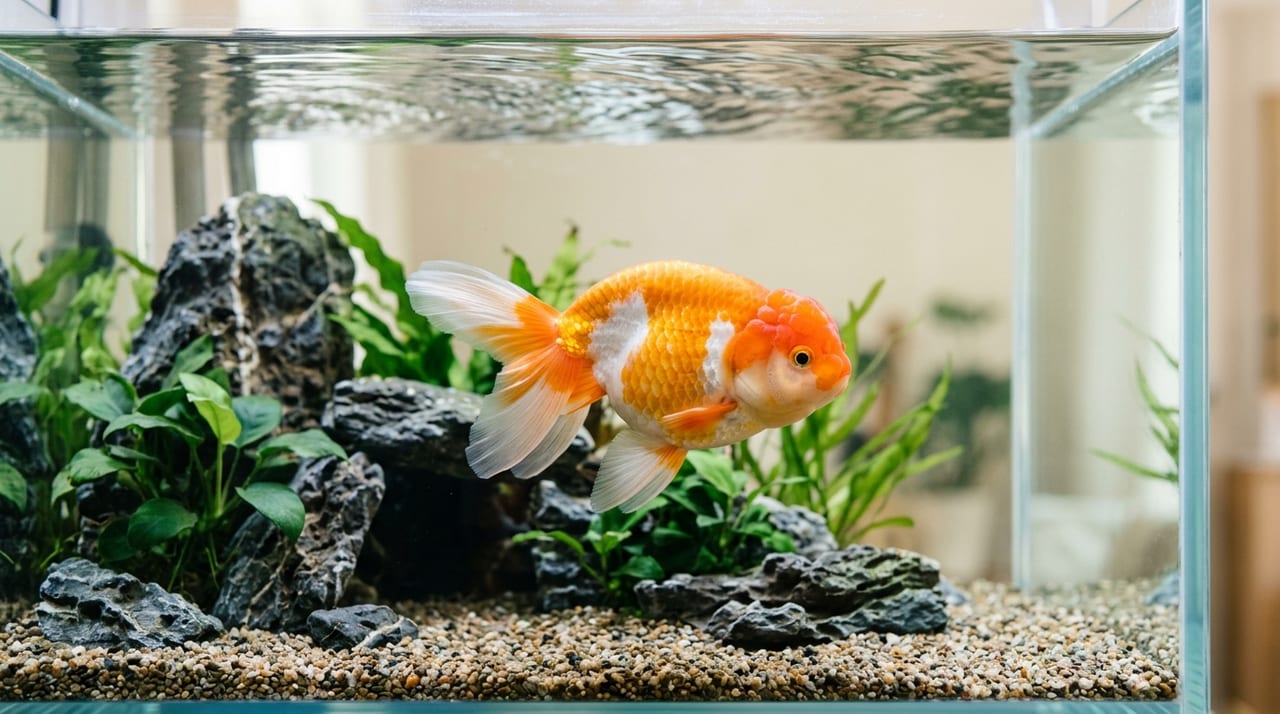
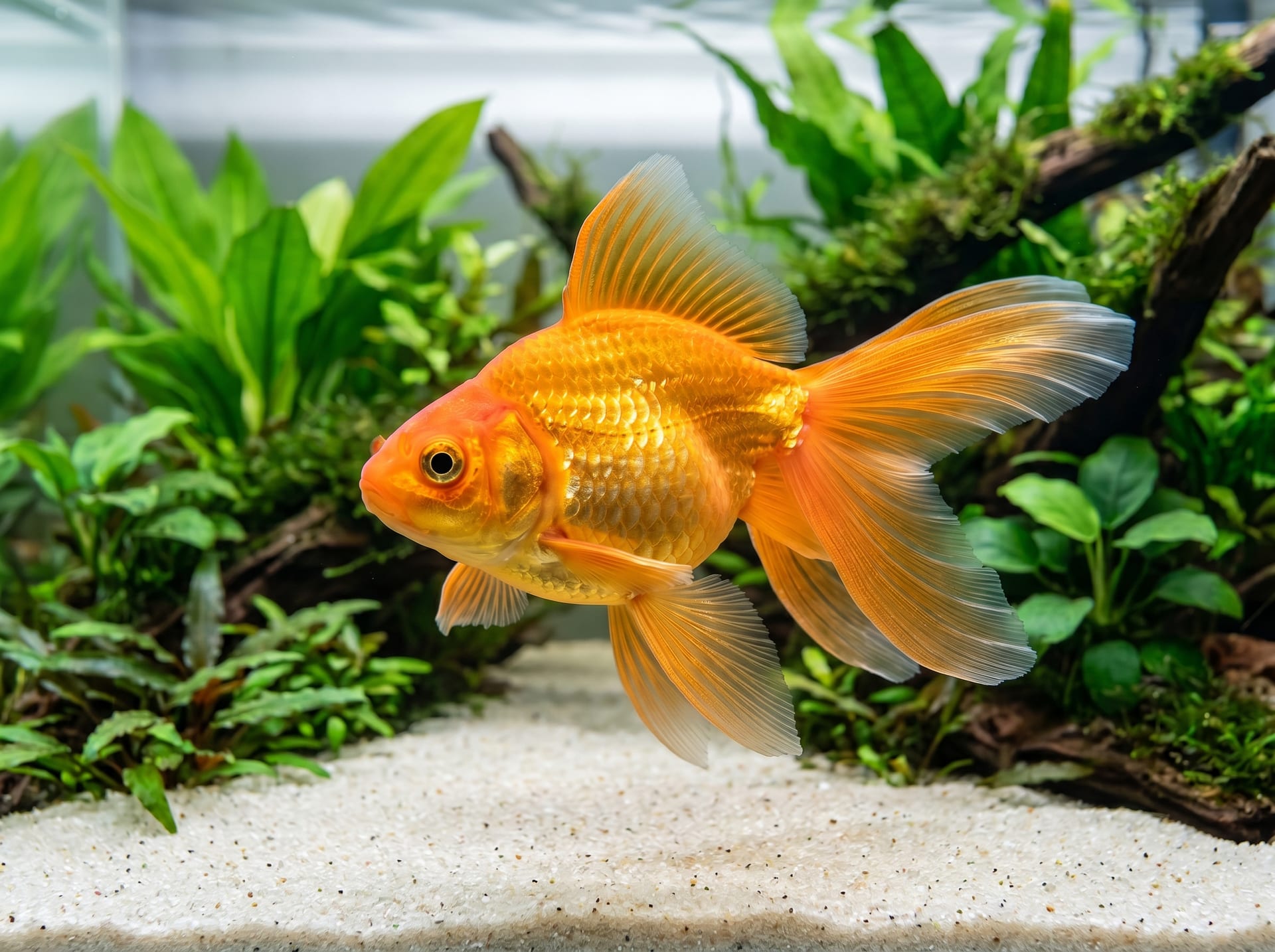
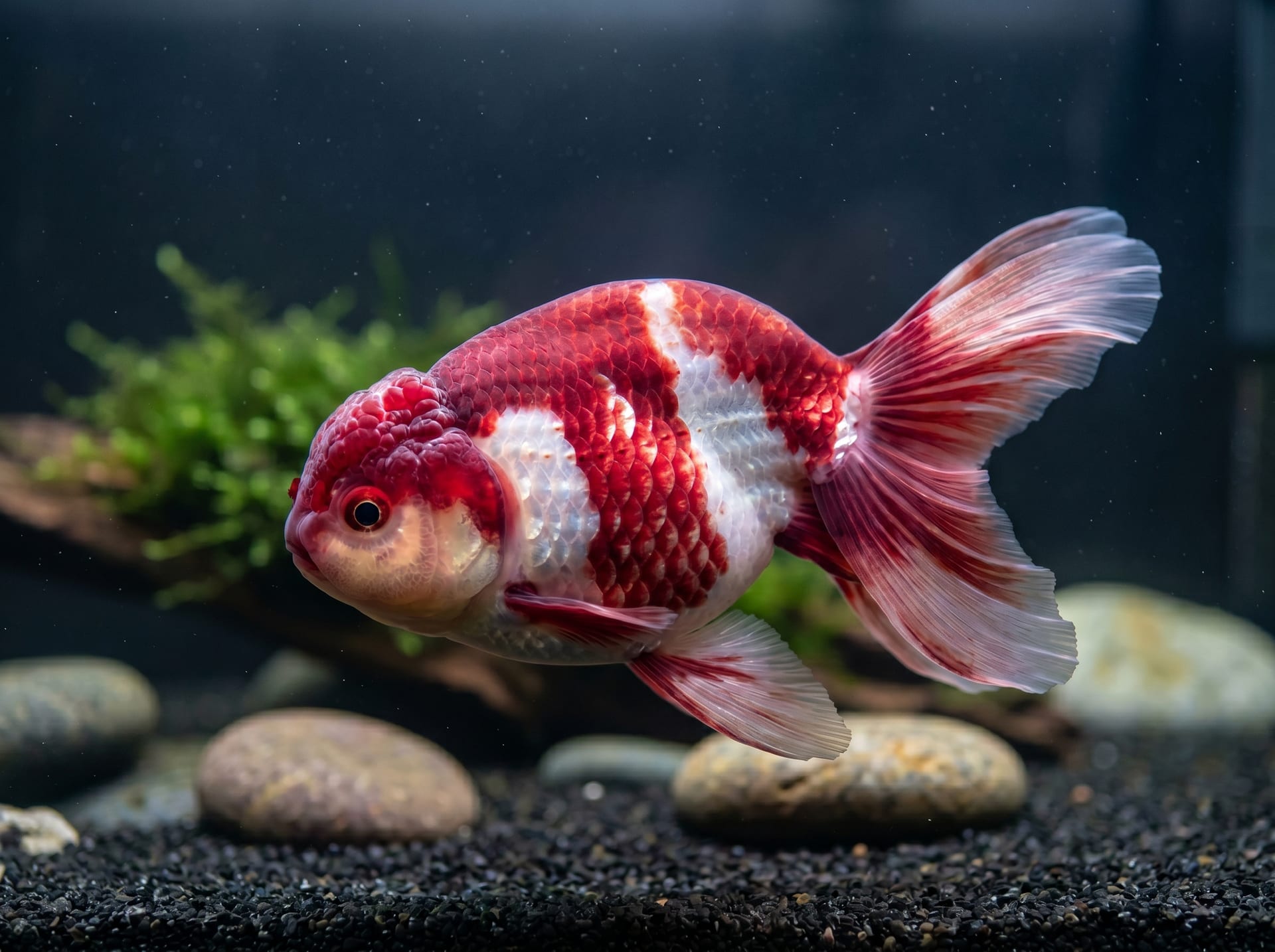
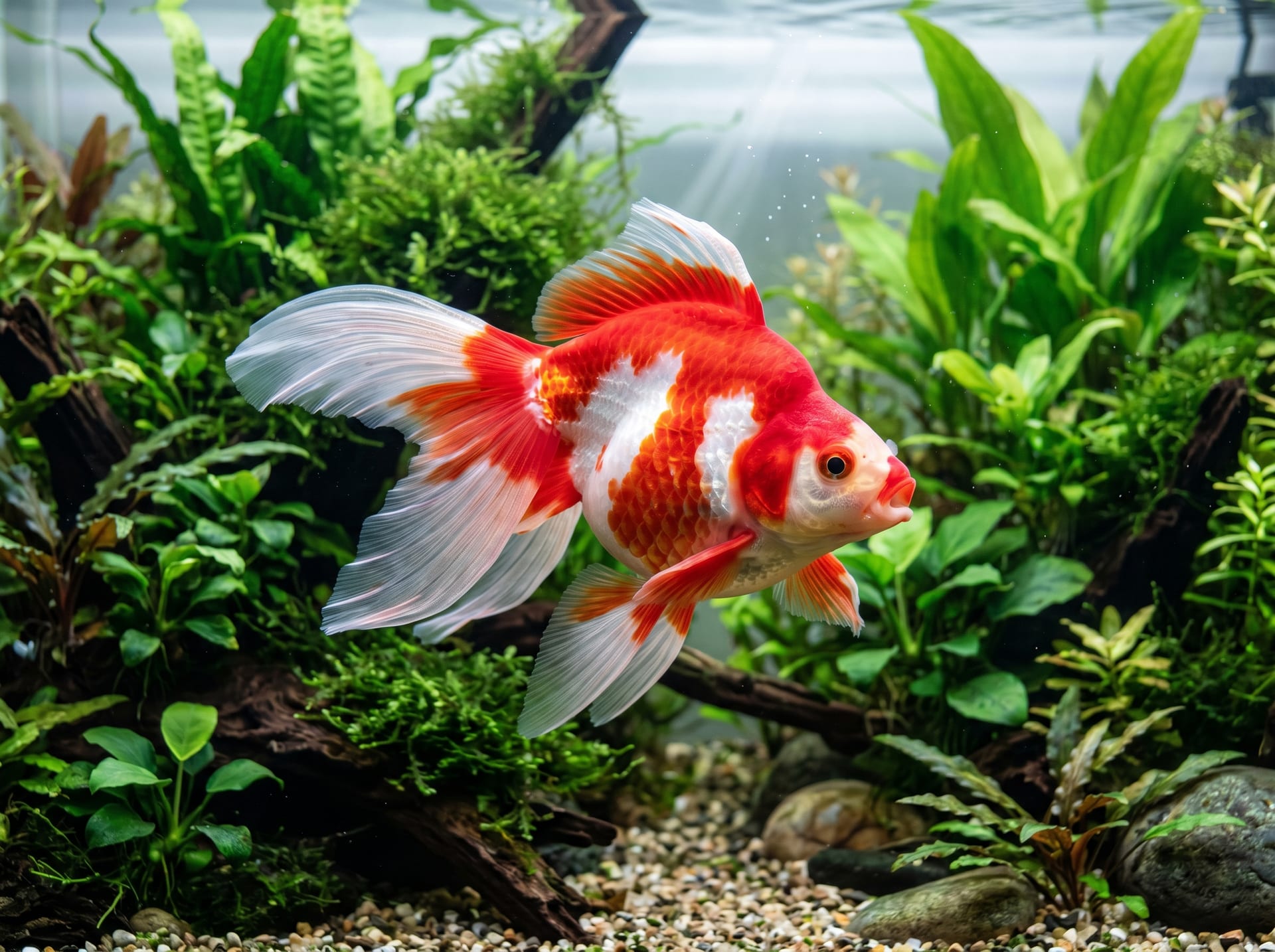
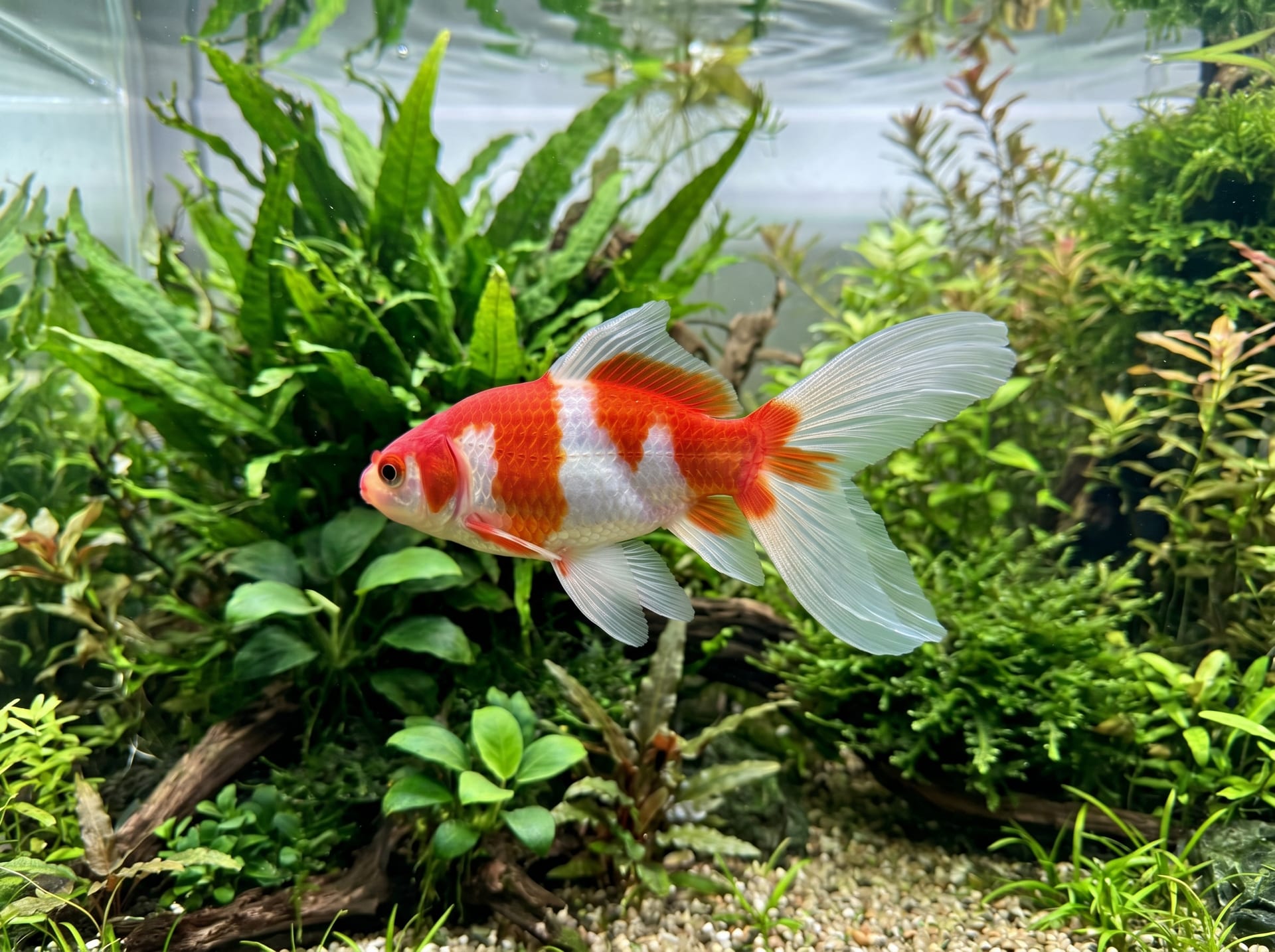
Sarasa refers to one pattern of goldfish body coloration, characterized by red (orange) markings on a white base. It is a fundamental color expression found in many varieties, including wakin, ryukin, and ranchu, and has long been appreciated as a pattern representing the traditional beauty of goldfish. This article explains in detail how to select sarasa goldfish and the care and management methods needed to maintain their beautiful body coloration over the long term.
What is Sarasa Pattern? | How Goldfish Body Color Works
Sarasa patterns are created by a mixture of red pigments (melanin-based) and white pigments. The red color in goldfish is due to carotenoid-based pigments such as astaxanthin accumulating in the dermal chromatophores, and this coloration is easily affected by rearing conditions and diet.
Pattern variation is highly individual, ranging from "red-dominant" patterns with more red to "white-dominant" patterns with more white, asymmetrical flowing patterns, and mosaic patterns at the scale level. Even siblings from the same parents can have completely different patterns, so at competitions the "beauty of the pattern" itself becomes the evaluation criteria.
Main Varieties Displaying Sarasa Patterns
| Variety | Characteristics of Sarasa Pattern |
|---|
| Sarasa Wakin | Active swimmers with long single tail and flowing fins. Patterns tend to display clearly |
| Sarasa Ryukin | Large flowing patterns stand out against the rounded body shape |
| Sarasa Ranchu | Beautiful color contrast when viewed from above. A star attraction at competitions |
| Sarasa Tosaikkin | Complex patterns including expressions close to calico (three-color) |
| Sarasa Fantail | Double tail movement and pattern work synergistically for striking appeal |
How to Select Sarasa Goldfish | Evaluating Pattern and Health
Pattern Evaluation Points
When selecting a sarasa goldfish, it is important to be mindful of "potential future pattern changes" rather than just the current appearance. Juveniles are prone to color changes, and patterns you like at purchase may change significantly as the fish grows.
Criteria for High-Quality Sarasa:
- Sharp, well-defined boundaries between red and white areas (minimal bleeding)
- Evenly balanced patterns on both sides of the body
- Pattern distribution across the head, body trunk, and tail fin
- Vivid red color with strong orange tones (young, pre-fading coloration)
Health Assessment
While it's easy to focus on pattern, health assessment is essential.
- Swimming behavior: Does it swim horizontally without lifting its head? (No signs of swim bladder issues)
- Fins: Free from white spots or bleeding; tips not damaged
- Gills: Both gills moving evenly
- Feces: Clear, white, or thin feces indicate digestive issues
- Body surface: Scales uniform and even; no excessive mucus
Basic Rearing Environment Setup
Tank Size and Stocking Density
Sarasa goldfish vary significantly in growth size depending on variety. A general rule of thumb is "1-2 liters of water per 1 cm of body length," but since goldfish tend to foul water, it's best to select a tank with adequate capacity.
| Tank Size | Recommended Number (Adult Fish) |
|---|
| 60cm Standard (approx. 60L) | 3-4 fish of 5-8cm |
| 90cm (approx. 160L) | 8-10 fish of 5-8cm |
| Japanese Outdoor Pond (300L+) | Approximately 10-20 fish |
Overcrowding accelerates fading of red pigmentation and increases disease risk. To keep sarasa patterns beautiful, maintain adequate stocking density with generous space.
Filtration and Water Flow
Goldfish have high oxygen demands and require powerful filtration and adequate oxygen supply.
- Hang-on Filter: Ideal for 60-90cm tanks. Large filter media capacity suits goldfish
- Canister Filter: Appropriate when combined with planted tanks
- Air Pump: Aeration is essential. Dissolved oxygen drops easily in summer and at high temperatures
Excessive water flow strains ryukin and ranchu-type swimming. Ideal setups diffuse filter output against tank walls or use a shower pipe to gently ripple the surface.
Temperature Management
The ideal temperature range for sarasa goldfish is 15-25°C. Summer heat (over 30°C) increases oxygen depletion and white spot disease risk, while sudden winter cold depletes the fish's energy reserves.
- Summer care: Aquarium chiller or cooling fan, light-blocking curtains
- Winter care: Maintain 15°C or above with a heater (separate protocol if overwintering)
- Avoid rapid temperature swings: Prevent changes of 2°C or more per day (careful acclimation essential)
Feeding Methods to Maintain and Enhance Body Color
Using Color-Enhancing Foods
The red coloration of sarasa goldfish depends on carotenoid pigments obtained from diet. Commercial "color-enhancing foods" contain astaxanthin, spirulina, krill meal, and other ingredients; regular feeding improves coloration.
Recommended Feeding Plan:
- Main diet: High-protein, color-enhancing sinking pellets
- 2-3 times weekly: Frozen bloodworms (including brine shrimp nauplii) for protein supplementation
- Once weekly: Spirulina tablets for pigment supplementation
Precautions:
- To prevent swim bladder disease, soak pellets briefly in water before feeding to release trapped air
- Avoid floating pellets due to the risk of air ingestion; sinking pellets are safer
- Strictly limit portions to what can be consumed within 5 minutes
Feeding Frequency and Preventing Overfeeding
Goldfish are prone to intestinal stress from overeating, a contributing factor to swim bladder disease. Feeding guidelines based on water temperature are as follows:
| Water Temperature | Feeding Frequency | Amount per Feeding |
|---|
| 20-25°C | Twice daily | Consumed within 2-3 minutes |
| 15-20°C | Once daily | Small amount |
| 10-15°C | Every other day | Very small amount |
| 10°C or below | No feeding | — |
Water Quality Management and Water Change Tips
Water Change Schedule
Sarasa goldfish produce more ammonia than most other ornamental fish. Perform water changes 1-2 times per week, changing 1/3 to 1/2 of the total water volume.
Water Change Tips:
- Use dechlorinator to completely remove chlorine and chloramine
- Match new water temperature to existing water within ±2°C
- Use a gravel vacuum to remove debris while changing water
- Never perform a complete water change at once (beneficial bacteria will be lost)
Target Water Quality Parameters
| Parameter | Target Value |
|---|
| pH | 7.0-8.0 |
| Ammonia | 0 ppm |
| Nitrite | 0 ppm |
| Nitrate | 40 ppm or less |
| Hardness | 5-15 dGH |
Addressing Pattern Changes and Preventing Color Fading
Mechanisms of Color Change
During the juvenile stage, pigment is unstable, and red color may increase or decrease with growth. Even in adult fish, body color changes due to the following factors:
- Insufficient UV exposure: Indoor rearing tends to pale coloration. UVB lighting or sunbathing is effective
- Nutritional deficiency: Carotenoid deficiency leads to red color fading
- Water quality deterioration: Chronic poor water quality causes overall color dullness and cloudiness
- Stress: Overcrowding, excessive water flow, and insufficient lighting affect color
Effective Color Enhancement Care
- Outdoor rearing (in ceramic Japanese pots or outdoor ponds) readily enhances color through natural UV and sunlight
- For indoor rearing, maintain 8-10 hours of daily lighting and supplement with specialized LEDs for blue-spectrum wavelengths
- Weekly 1-2 sunbathing sessions (monitor temperature rise with direct sunlight) promote coloration
Summary
The greatest appeal of sarasa goldfish is their "one-of-a-kind pattern" unique to each individual. To preserve their beauty over time, the key is consistent feeding with color-enhancing foods containing carotenoids, maintaining adequate water volume and regular water changes, and careful attention to lighting. Sarasa patterns naturally change gradually over time—the true joy of keeping sarasa goldfish is appreciating these changes as part of their long-term care. When acquiring fish from a breeder, ask to see photos of the parent fish's pattern and siblings; this makes it easier to predict future pattern changes.