AI-generated image
Sarasa Wakin
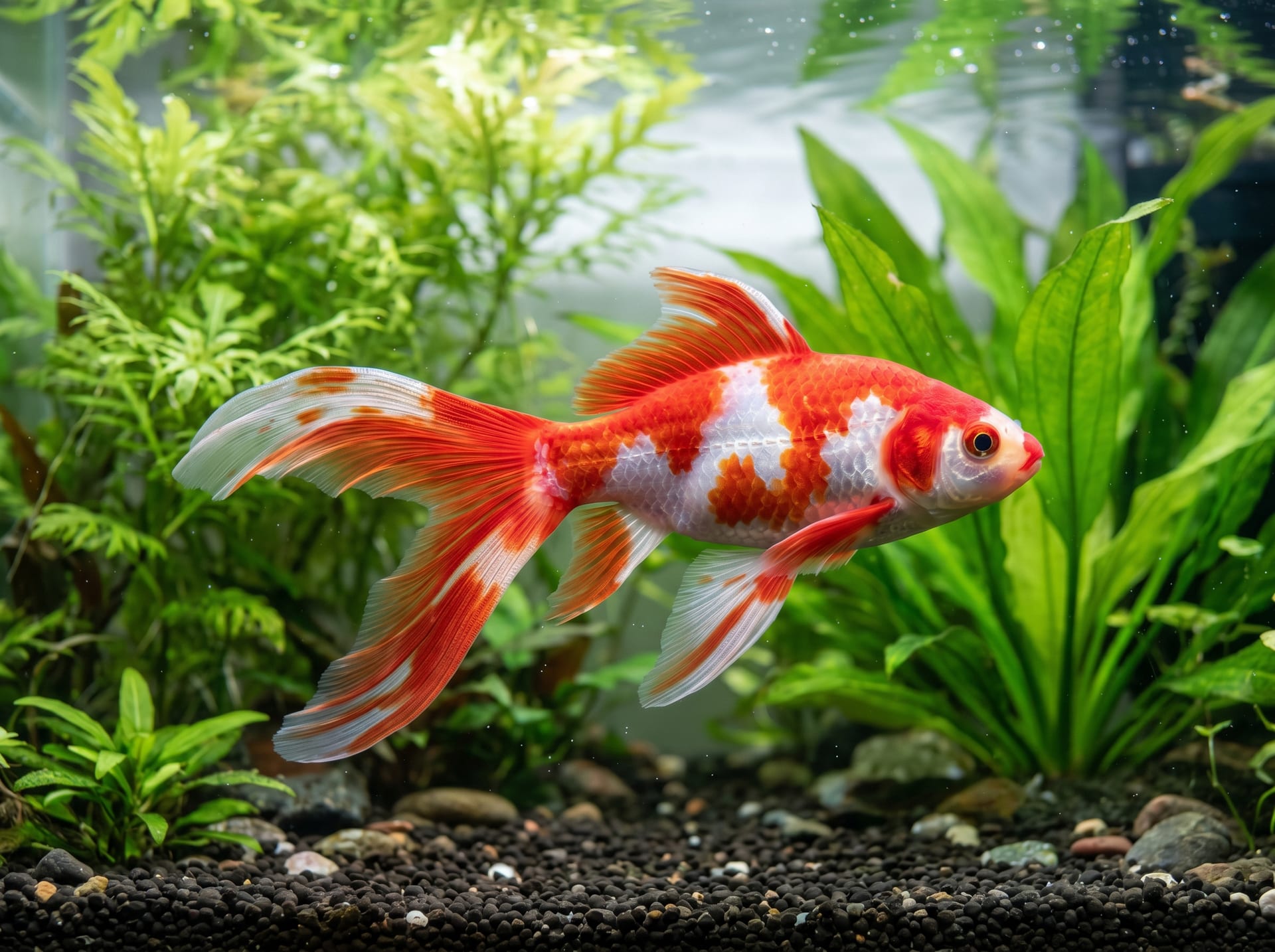
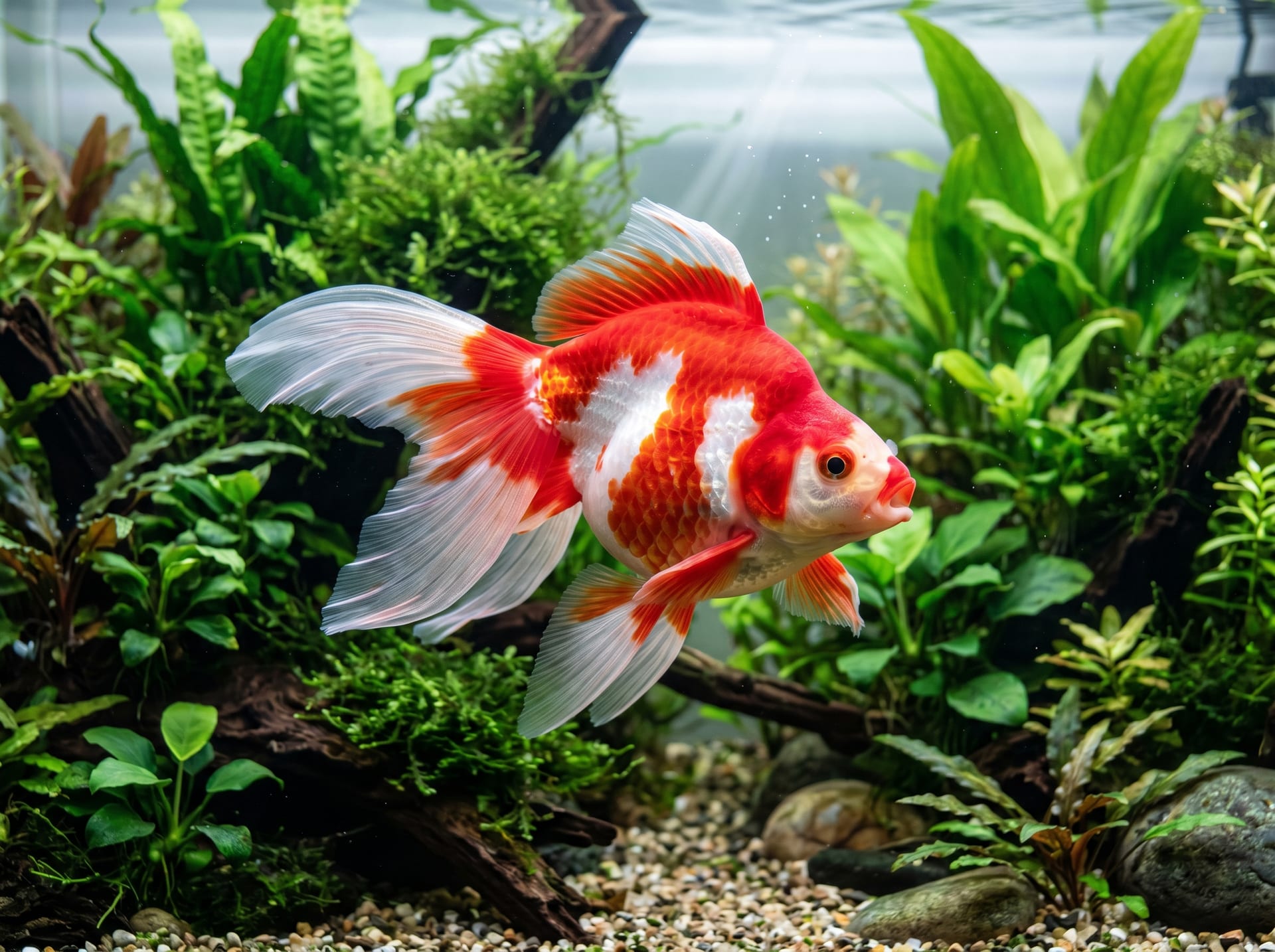
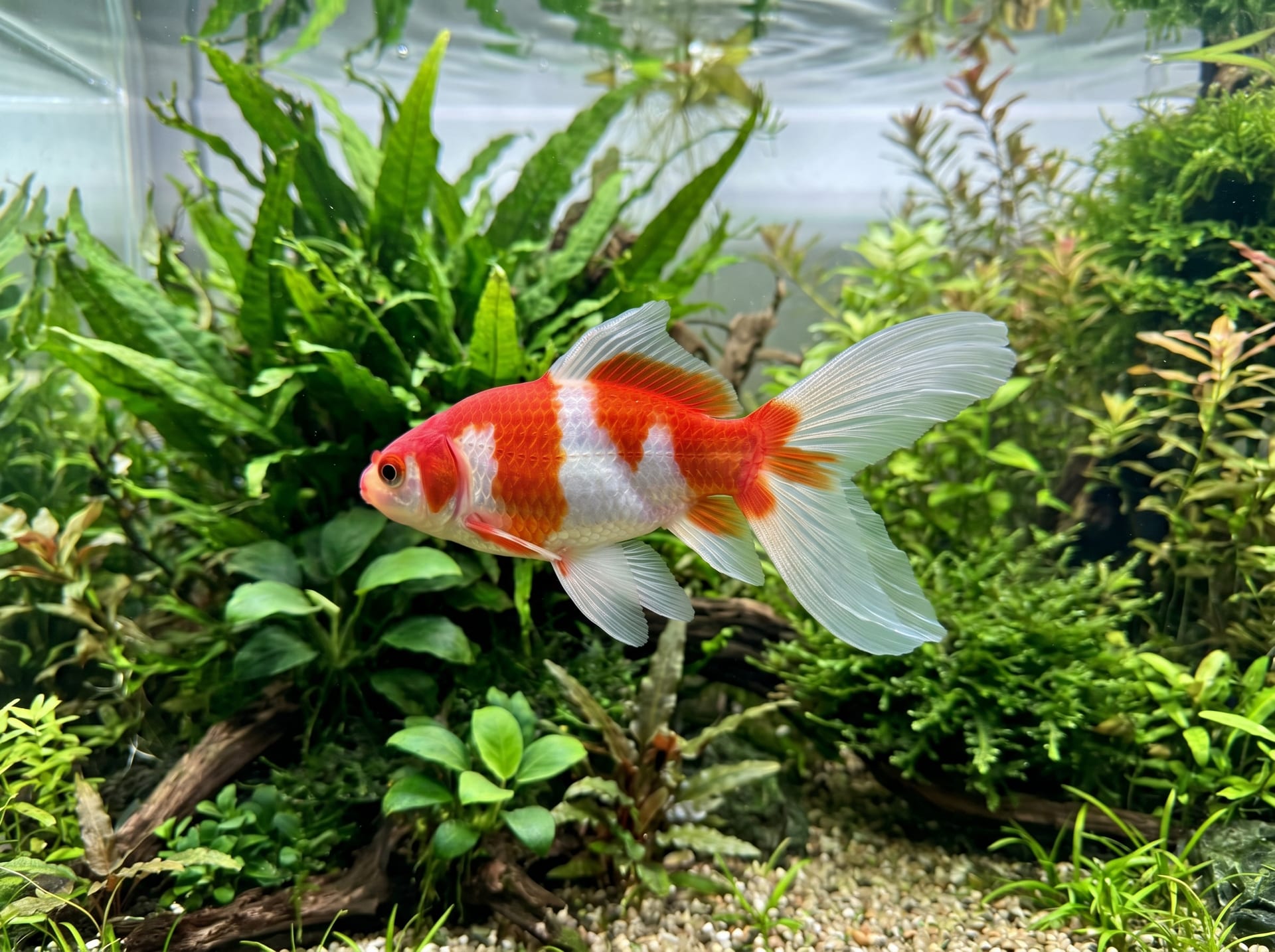
BeginnerA wakin with red-white sarasa pattern. Hardy traditional Japanese goldfish with active swimming.
Difficulty
Beginner
Temperature
5〜30℃
Lifespan
10-15 years
Size
15-30cm
Diet
Pellets, Bloodworms
About
The Sarasa Wakin is a traditional Japanese goldfish combining the hardy, streamlined body of the Wakin with the classic sarasa (red-and-white) coloration pattern, in which vivid red markings contrast with a pure white base. This clean, bold coloration aligns with long-standing Japanese aesthetic values and has made the Sarasa Wakin one of the most enduring ornamental goldfish in Japan. Like the Wakin, it is an active, strong swimmer best suited to outdoor ponds or large aquariums, where it can grow to 15–30 cm and live 10–15 years under good conditions. Its vigorous appetite and competitive swimming make it incompatible with slow-moving fancy varieties. Maintaining the white-and-red contrast in the best condition requires clean water and, optionally, color-enhancing foods.
Lifespan of the Sarasa Wakin
The Sarasa Wakin lives 10-15 years.
Size of the Sarasa Wakin
The Sarasa Wakin grows to 15-30cm.
Temperature & humidity for the Sarasa Wakin
The ideal water temperature for the Sarasa Wakin is 18〜23℃.
It is cold-hardy, adapting to temperatures from 5 to 30°C and capable of year-round outdoor pond keeping without heating.
Basic Info
Origin
Japan
Lifespan
10-15 years
Size
15-30cm
Care Specifications
- pH
- 6–8
- Hardness (GH)
- 5–19 dGH
- Water Temp.
- 18–23℃
PeacefulGroupBreeding: Moderate
Sources: FishBase / Aqueon Goldfish Care Guide
Captive Breeding
Egg-laying
- Clutch size
- 2000〜4000
- Incubation days
- 2〜9 days
Breeding season: Spring to early summer (March–June). Rising water temperature above approximately 18–22°C is the primary spawning trigger. A winter cooling period is considered important to prime the fish for spawning.
Breeding notes
Sarasa Wakin, like all goldfish varieties, is a domesticated form of Carassius auratus and shares the same spawning biology. In captivity, providing spawning mops or floating plants (e.g., Cabomba, Elodea) encourages deposition of adhesive eggs. Hatching duration depends on water temperature and typically spans 2–9 days. Parents should be removed promptly after spawning to prevent egg predation. Gentle aeration and good water quality are considered important for maximizing hatch rates and fry survival.
Breeding requires planning, proper husbandry, and responsibility. These figures are general guidelines.
Morphs (Varieties)
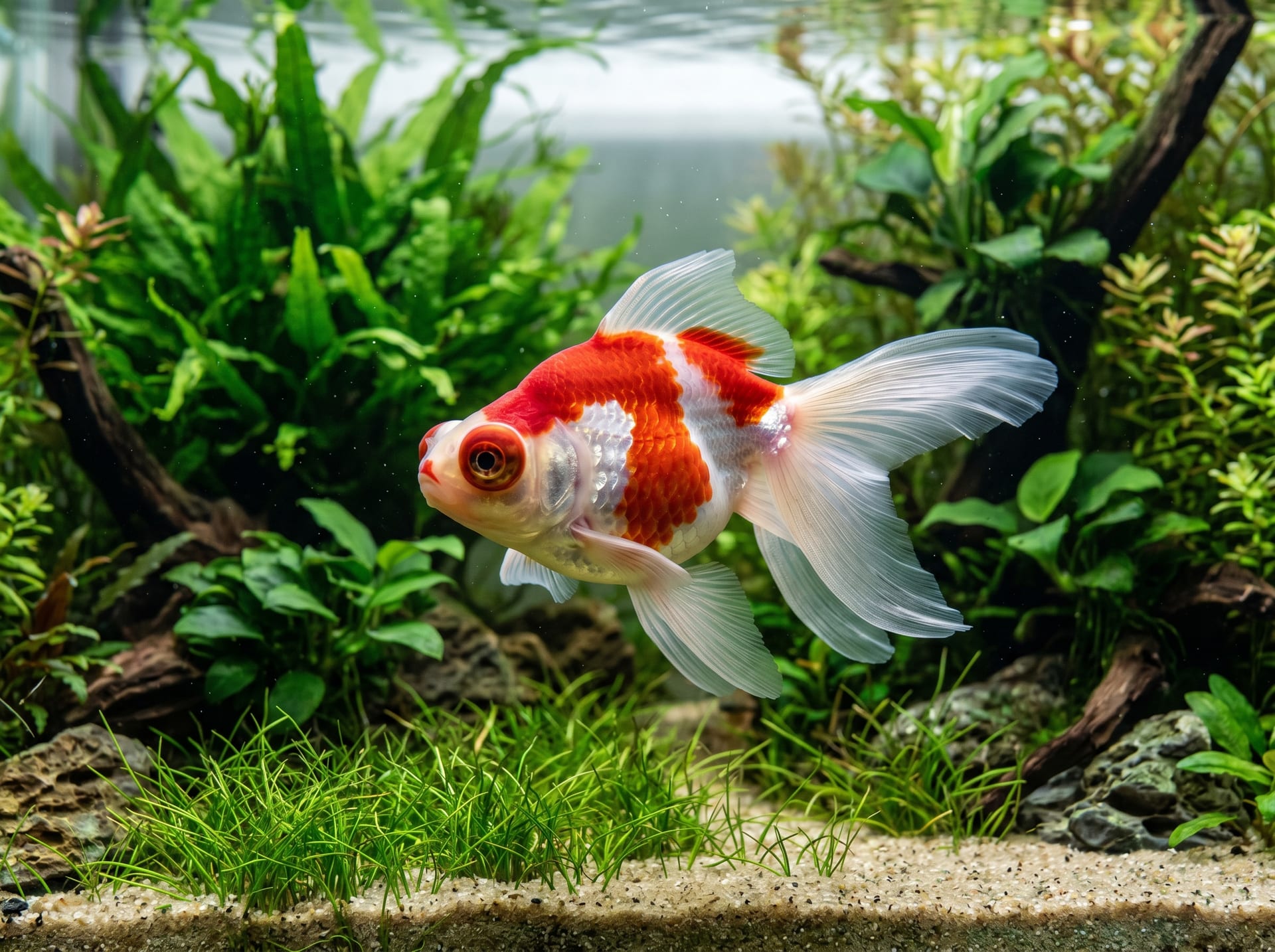
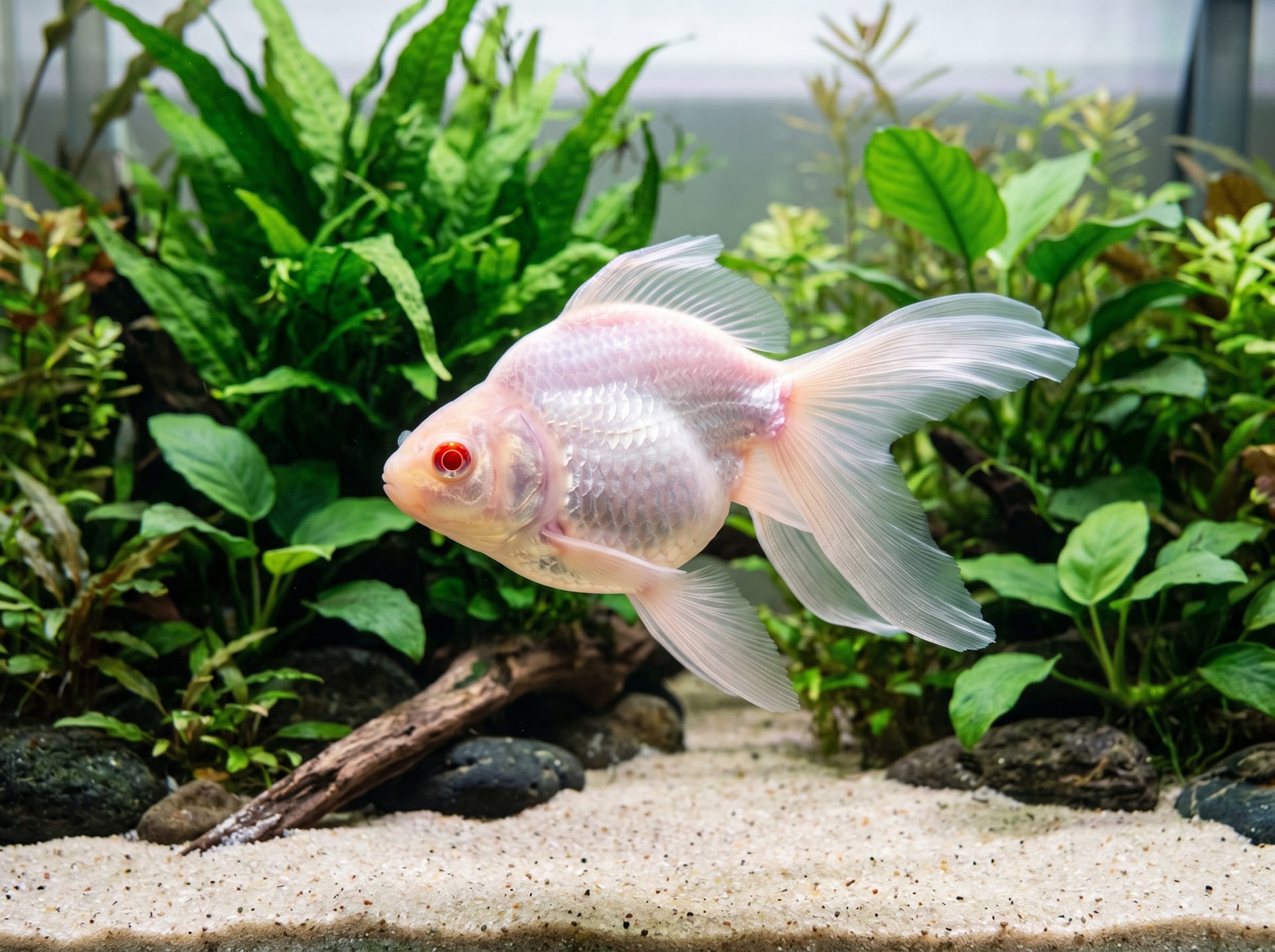
Goldfish varieties are line-bred for body shape, tail type, scale type, and coloration. Traits such as protruding eyes, transparent scales (calico), and albinism are single-locus traits.
Line-bredEstablished by selective line breeding.
Single tail (wild-type fin)Sarasa (red-and-white)
Sources: Wikipedia - Goldfish (Varieties) / Goldfish — Wikipedia (Japanese edition, varieties)
A curated selection of notable morphs. Inheritance modes are a breeding-planning guide; actual appearance varies with combos.
References & Sources
Edited & verified by: BreederDirect editorial team
The taxonomic, regulatory, and husbandry data on this page are compiled and verified against the authoritative primary sources below.
Taxonomy & Authority
Accepted name: (Linnaeus, 1758)
Synonyms: Cyprinus auratus Linnaeus, 1758, Carassius auratus auratus (Linnaeus, 1758), Cyprinus thoracatus Valenciennes, 1842, Carassius burgeri Temminck & Schlegel, 1846, Cyprinus chinensis Gronow, 1854
Authority databases: FishBase · GBIF · FishBase: Carassius auratus · GBIF: Carassius auratus
Nomenclature follows global taxonomic authority databases.
Sarasa Wakin Listings
Loading latest listingsFind listings for this species