Complete Care Guide for Shubunkin and Wakin Goldfish | Single-tail Species Characteristics and Advanced Breeding Techniques
A guide to caring for Shubunkin and Wakin goldfish, single-tail species known for their excellent swimming ability. Covers breed characteristics, appropriate tank environments, and breeding techniques.
Key Takeaways
A guide to caring for Shubunkin and Wakin goldfish, single-tail species known for their excellent swimming ability. Covers breed characteristics, appropriate tank environments, and breeding techniques.
Related Species
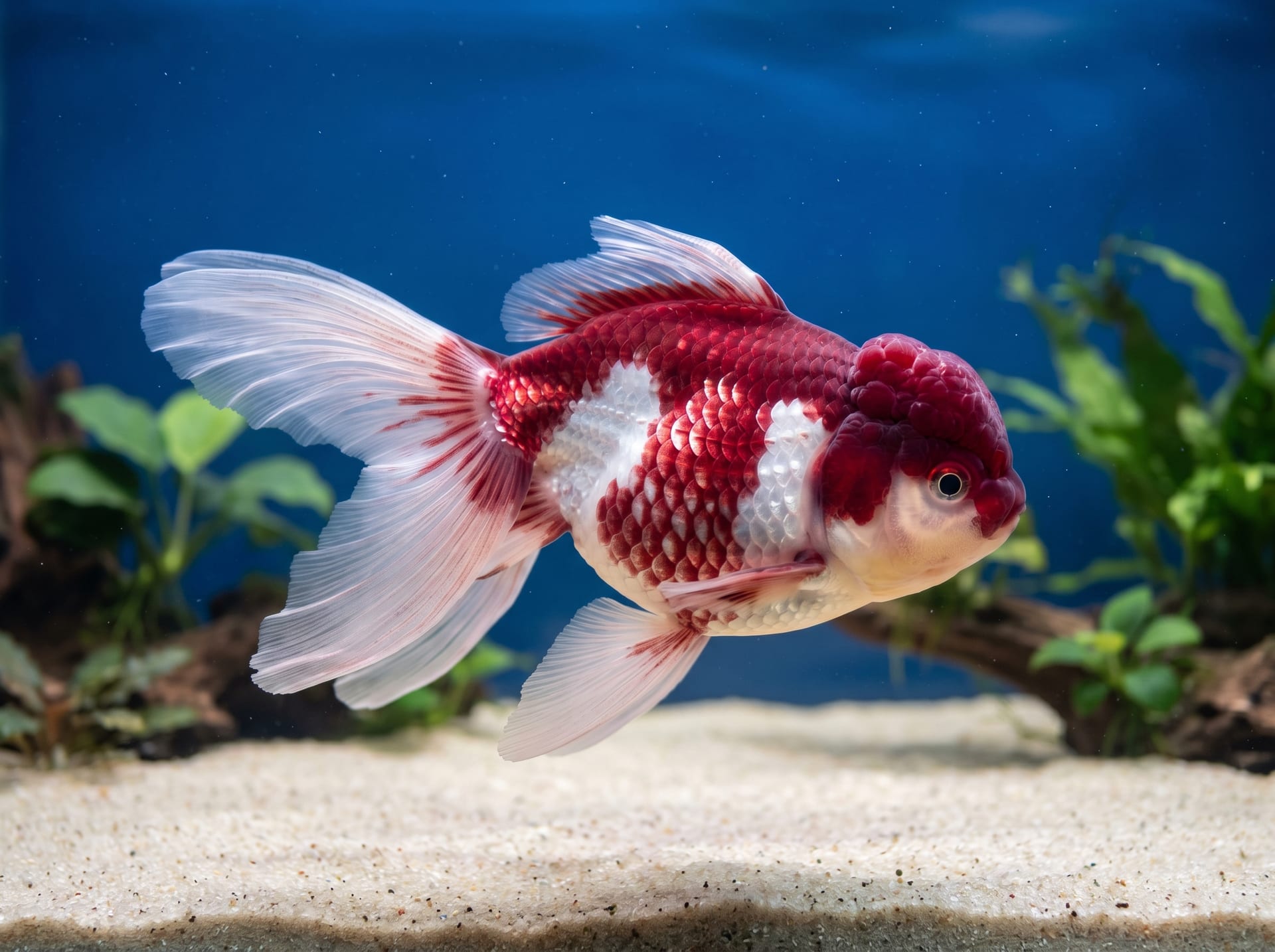
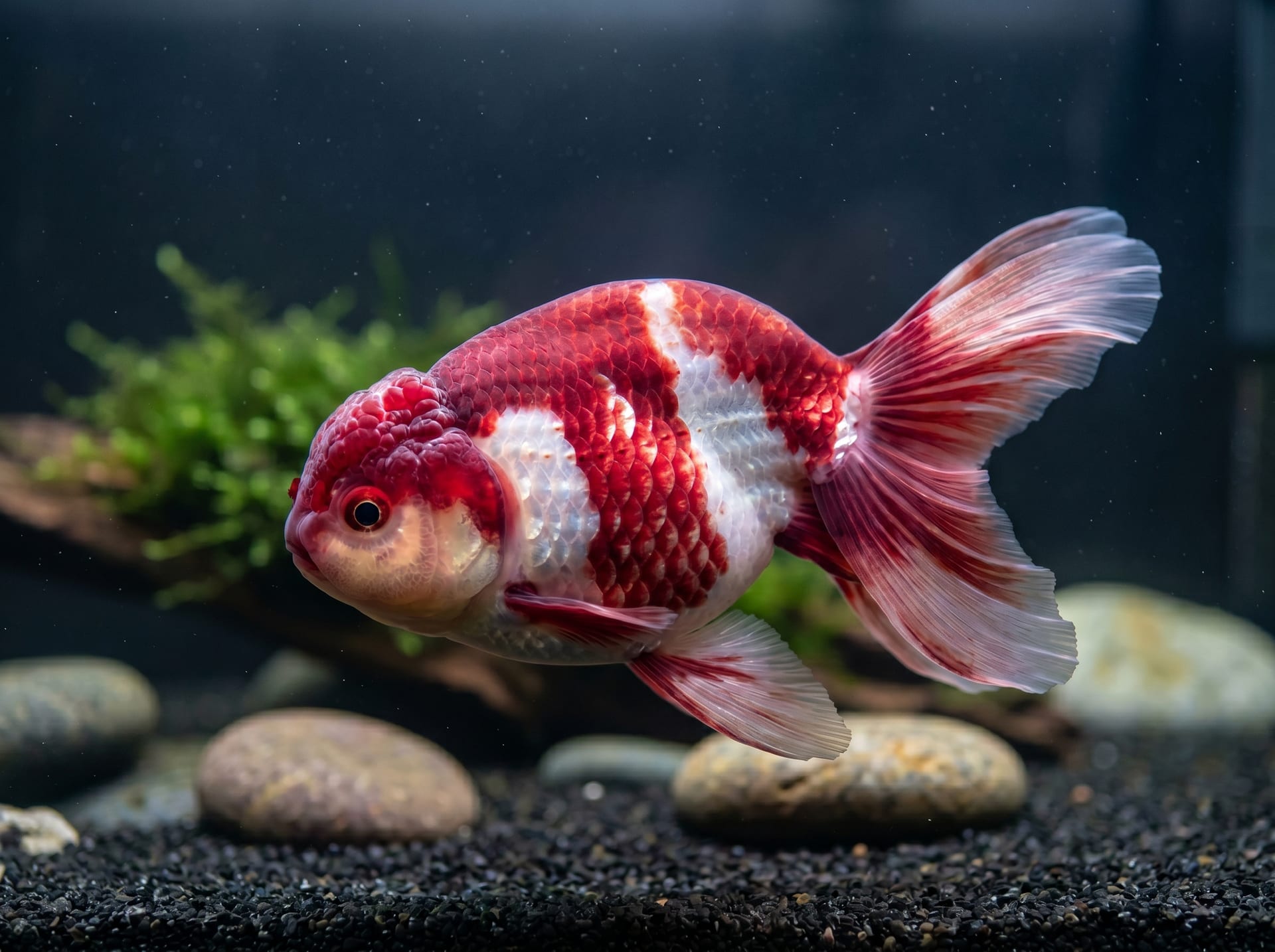
In the world of goldfish, varieties such as Ryukin and Ranchu—the "round-bodied" and "no-dorsal" breeds—command high popularity as ornamental fish. Yet the single-tail species that represent the origin of goldfish keeping—the Wakin (和金) and Shubunkin (朱文金)—possess a unique charm and depth that round-bodied varieties cannot match. This article explains how to properly understand the characteristics of single-tail species and master the breeding techniques that bring out their full appeal.
Basic Differences Between Wakin and Shubunkin
Though often confused, "Wakin" and "Shubunkin" are distinct varieties with different appearances and origins.
Wakin
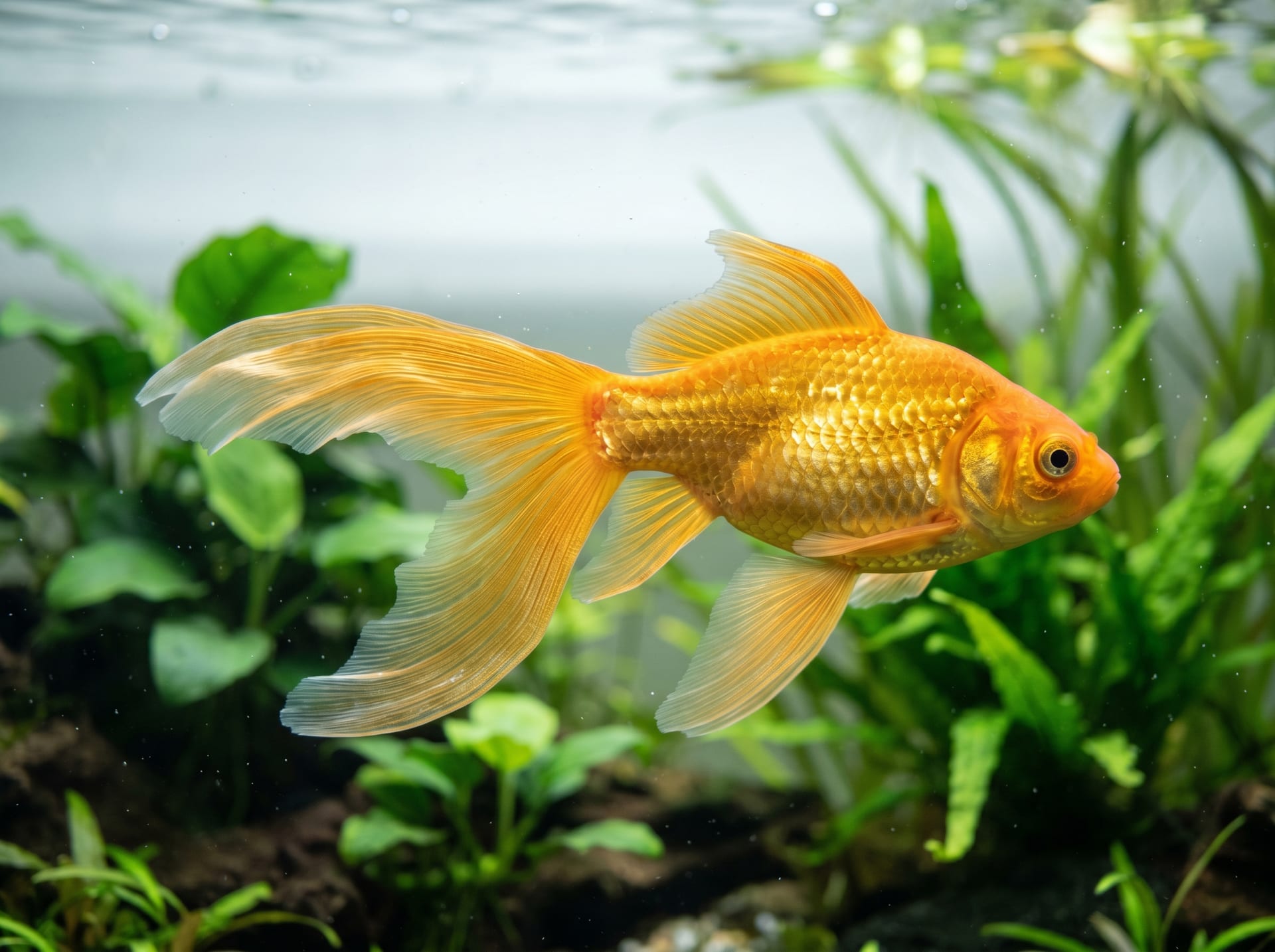
The Wakin is the oldest goldfish variety bred in Japan, regarded as the foundational form of ornamental goldfish. Its body shape is streamlined, resembling that of a wild carp, and the tail fin splits into two parts—variously called "carp tail," "three-part tail," or "four-part tail." The standard body color features a sarasa (紗羅紗) pattern of red and white, but many variations exist, including solid red (all red), and white-dominant patterns (mostly white with small red areas).
Among goldfish species, Wakin ranks among the easiest to care for, boasting disease resistance and hardiness—making them ideal for beginners. At the same time, some individuals grow to over 30 cm in length when well-maintained, and enjoying this impressive size is something unique to the Wakin.
Shubunkin
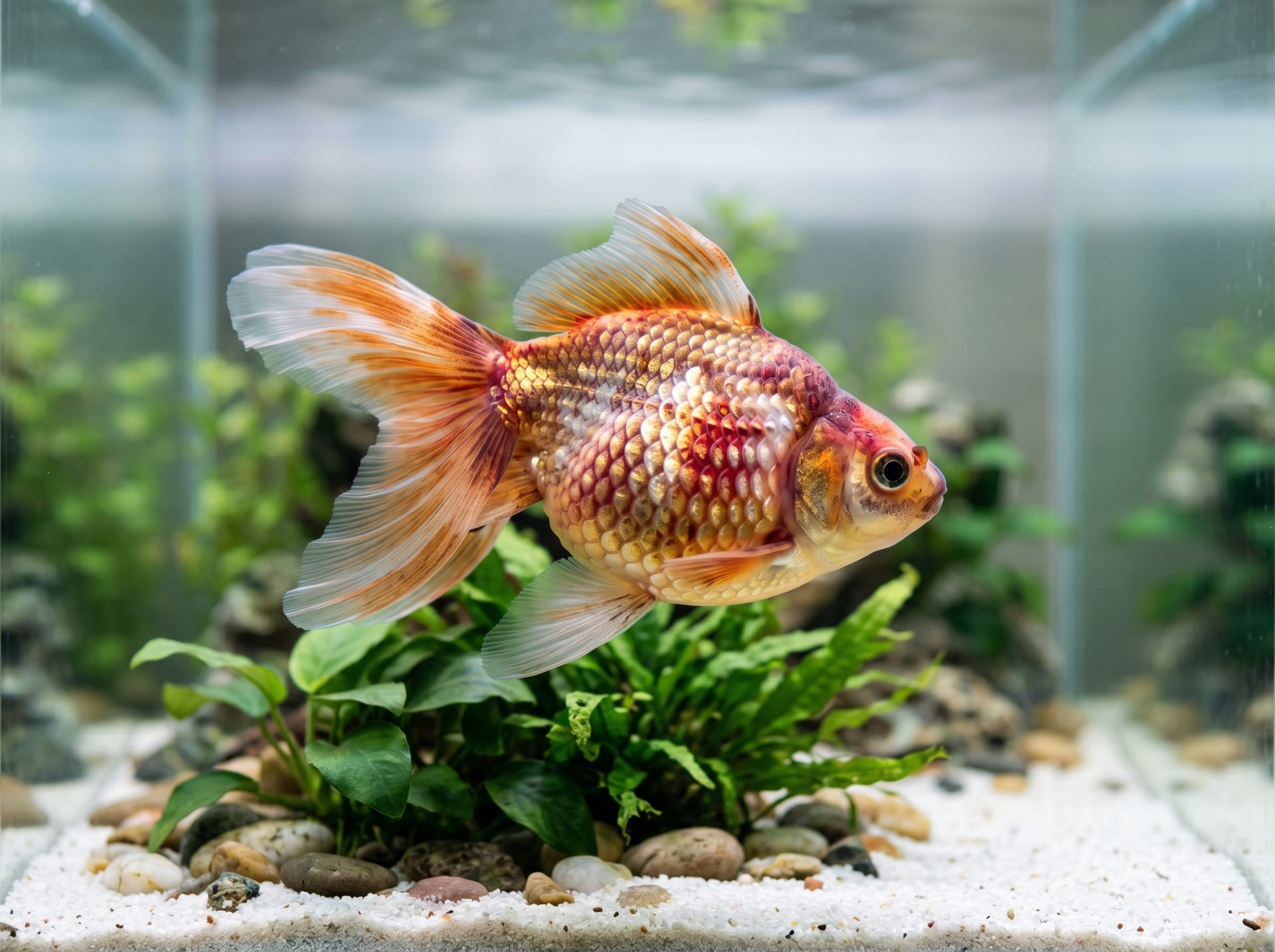
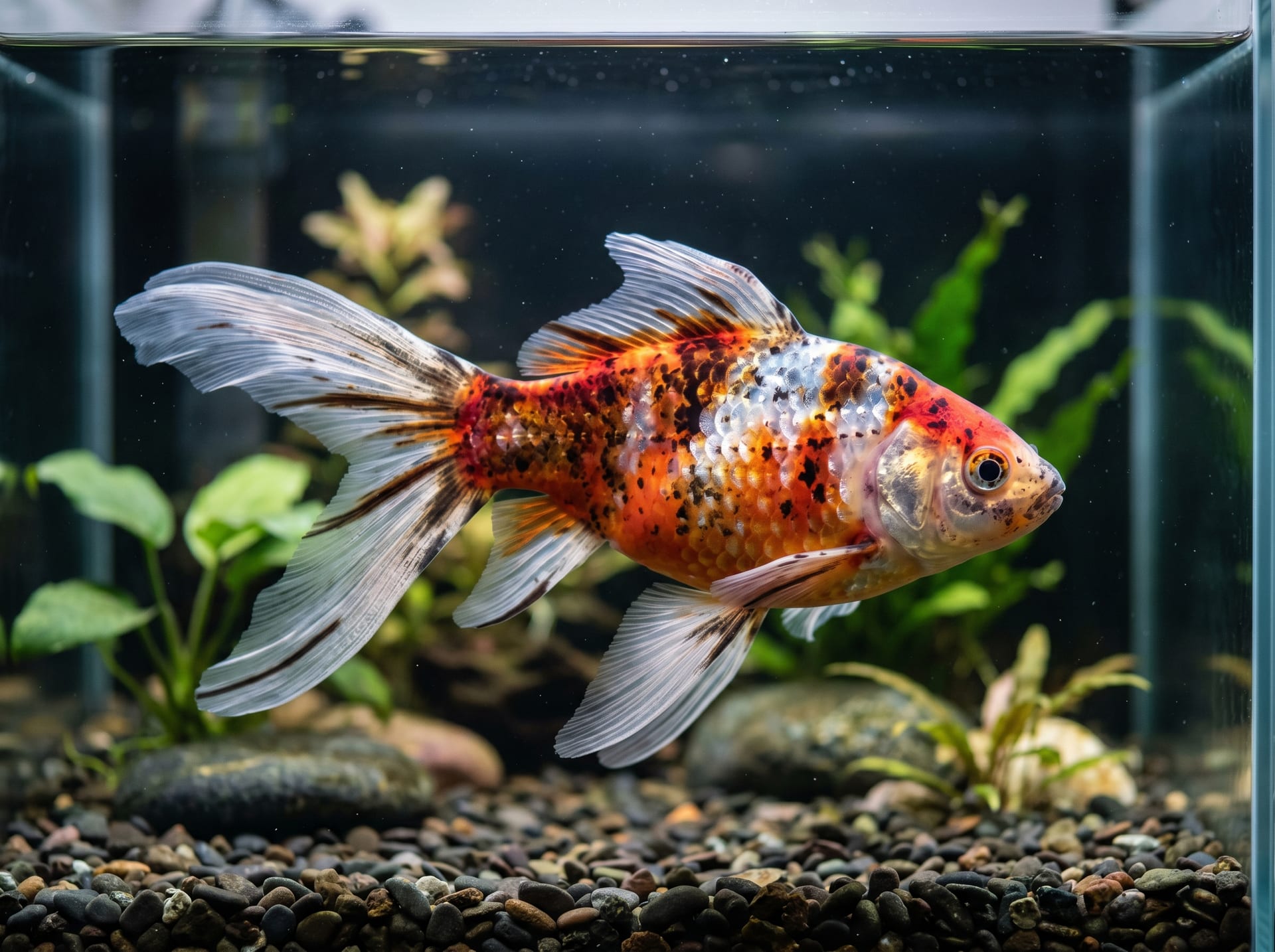
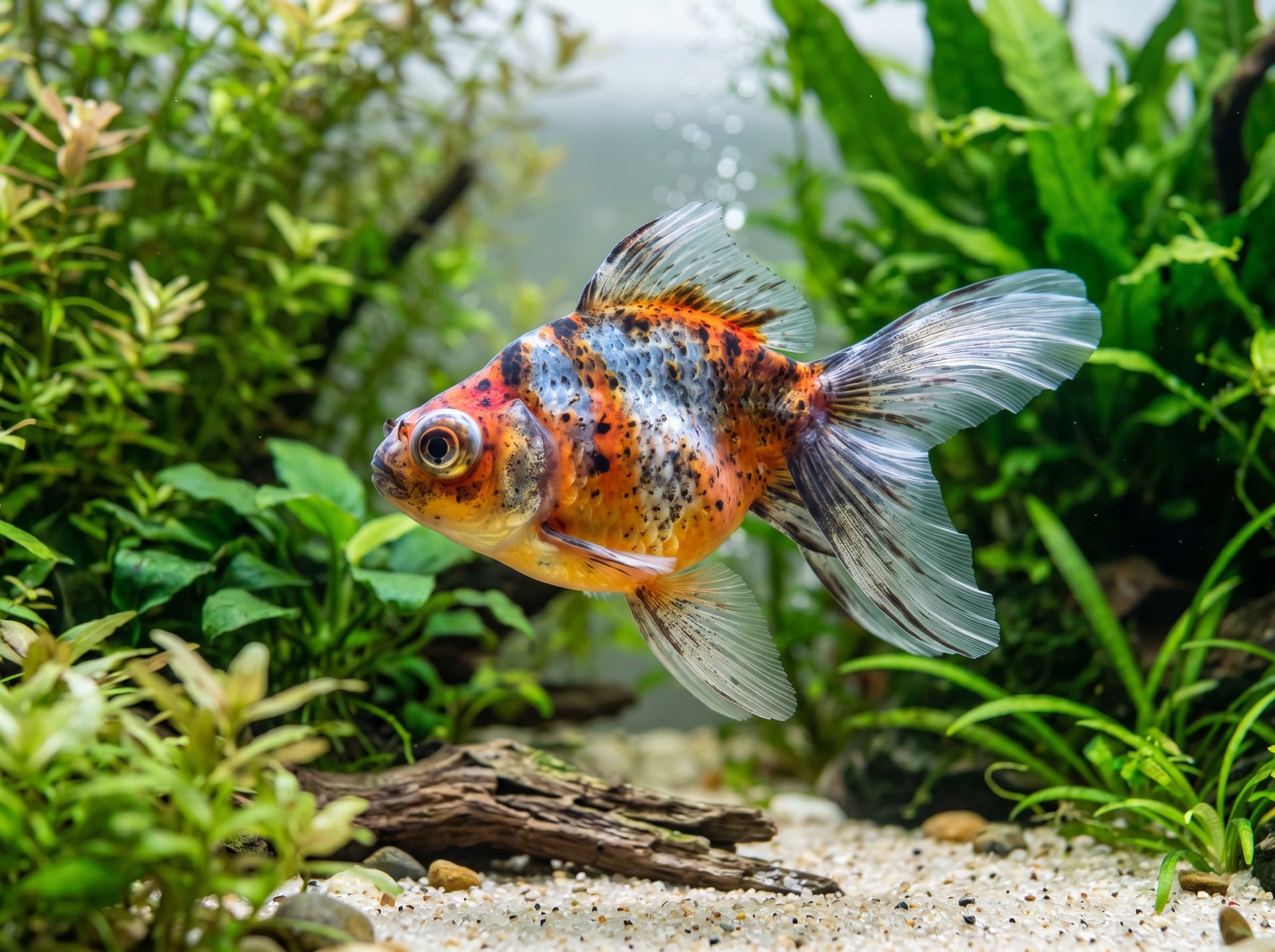
Shubunkin was developed in Japan in the late Meiji period through cross-breeding Wakin, Calico Telescope-eye goldfish, and three-tailed Wakin. Like Wakin, they are single-tailed in body shape, but their defining feature is a calico body color—red, white, black, and blue mottled together. The distinctive asagi-iro (浅葱色), a blue-tinged base color unique to Shubunkin, possesses an unparalleled transparency not found in other varieties.
In exhibition shows, body color balance—the even distribution of red, black, white, and blue and the quality of the asagi-iro base—is a critical judging criterion. Like Wakin, they are active swimmers and prefer spacious environments.
Physical Characteristics of Single-tail Species and Their Impact on Care
Single-tail varieties (Wakin, Shubunkin, Comet, Jiki-kin, and others) possess a streamlined body shape resembling a wild carp. This body form excels at efficient swimming and directly affects the following care characteristics.