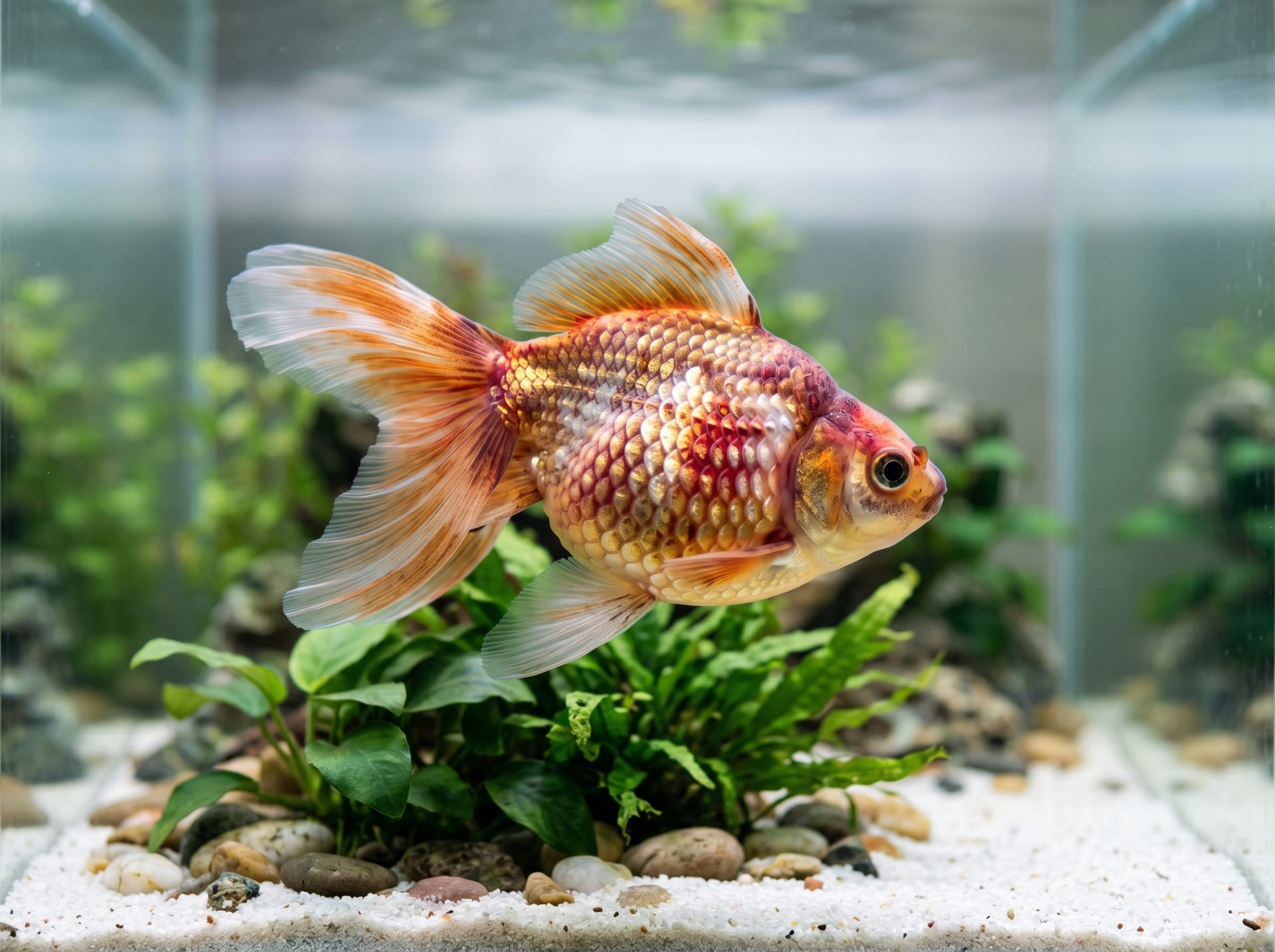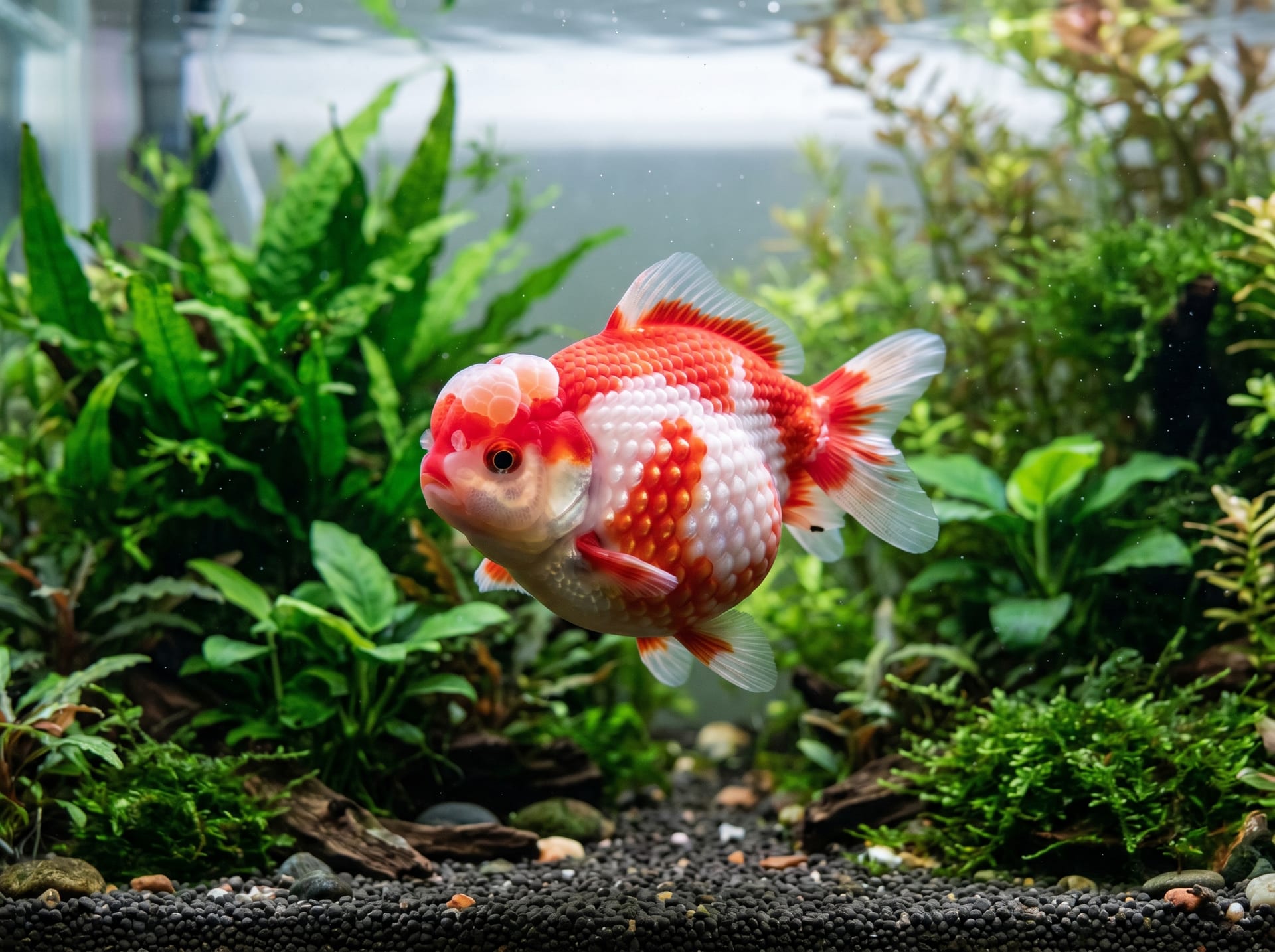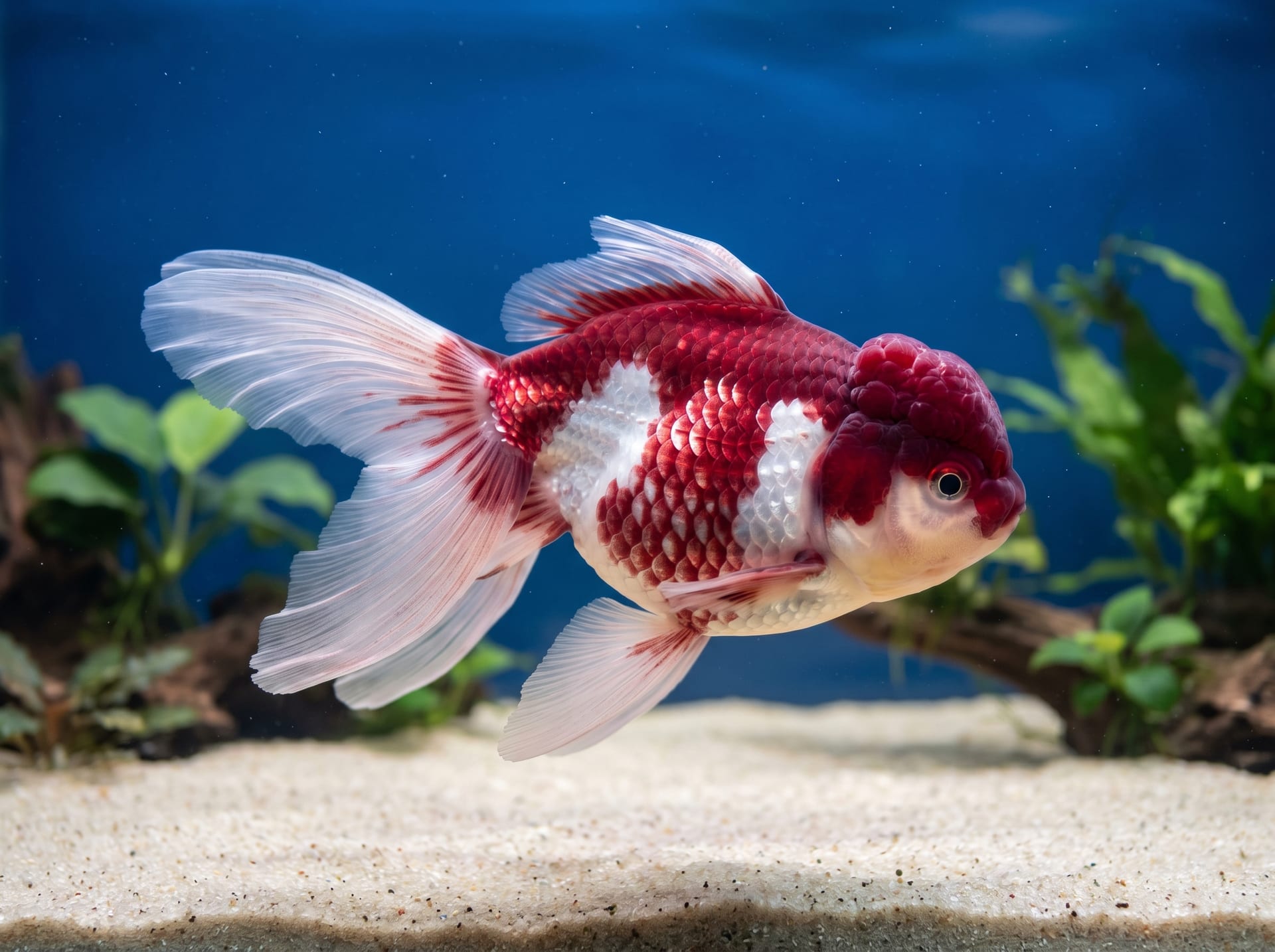
AI-generated image
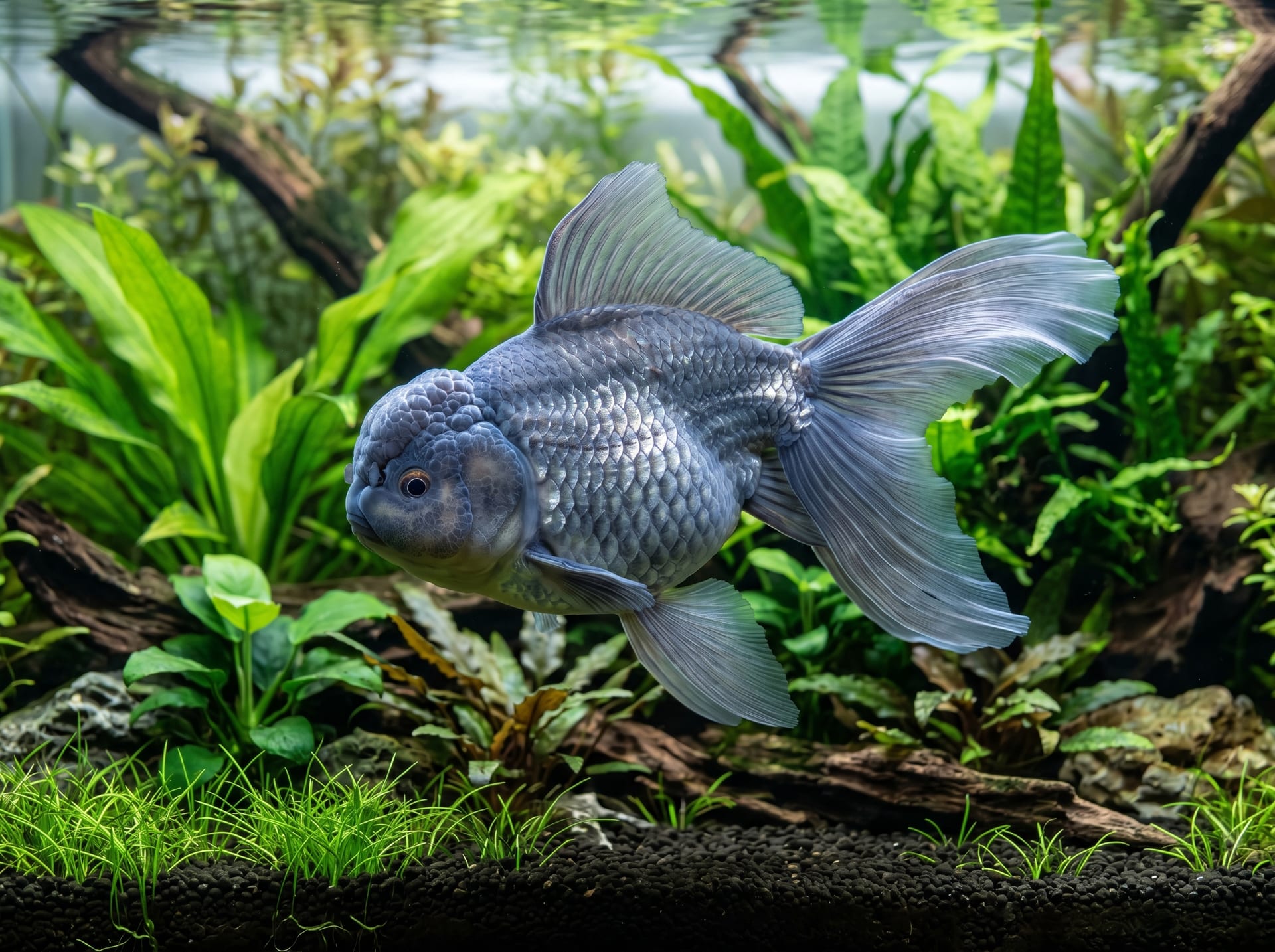
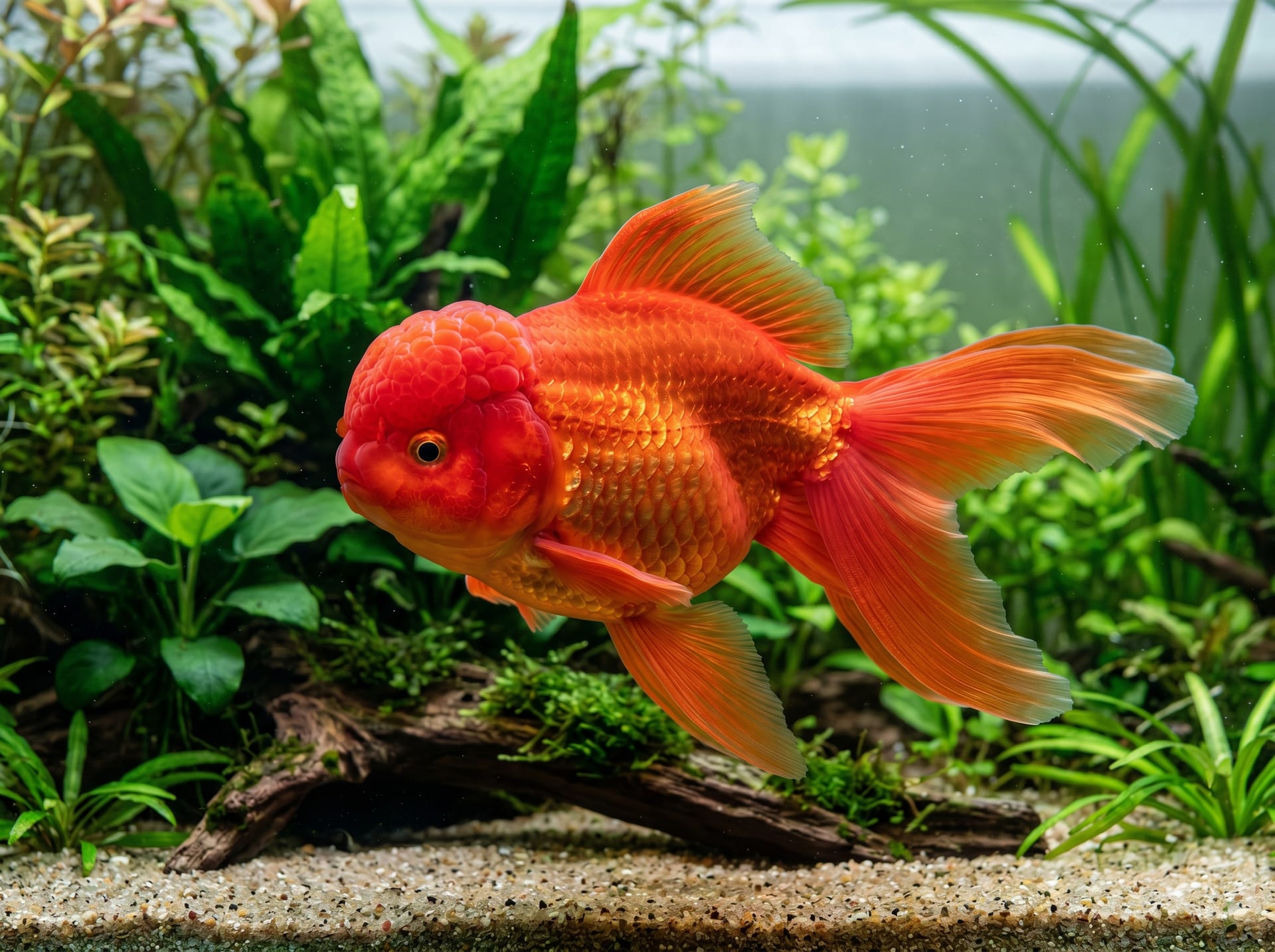
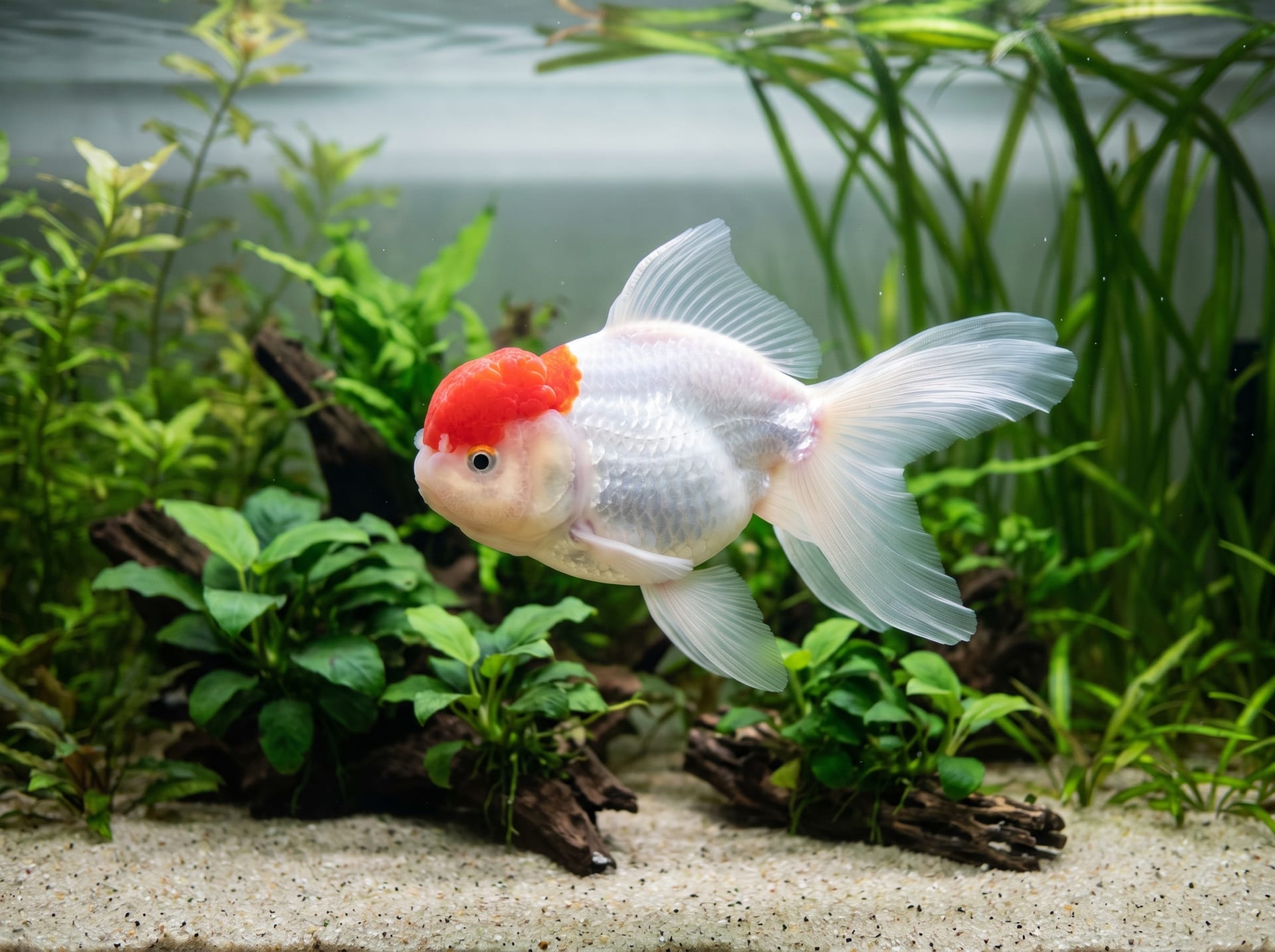
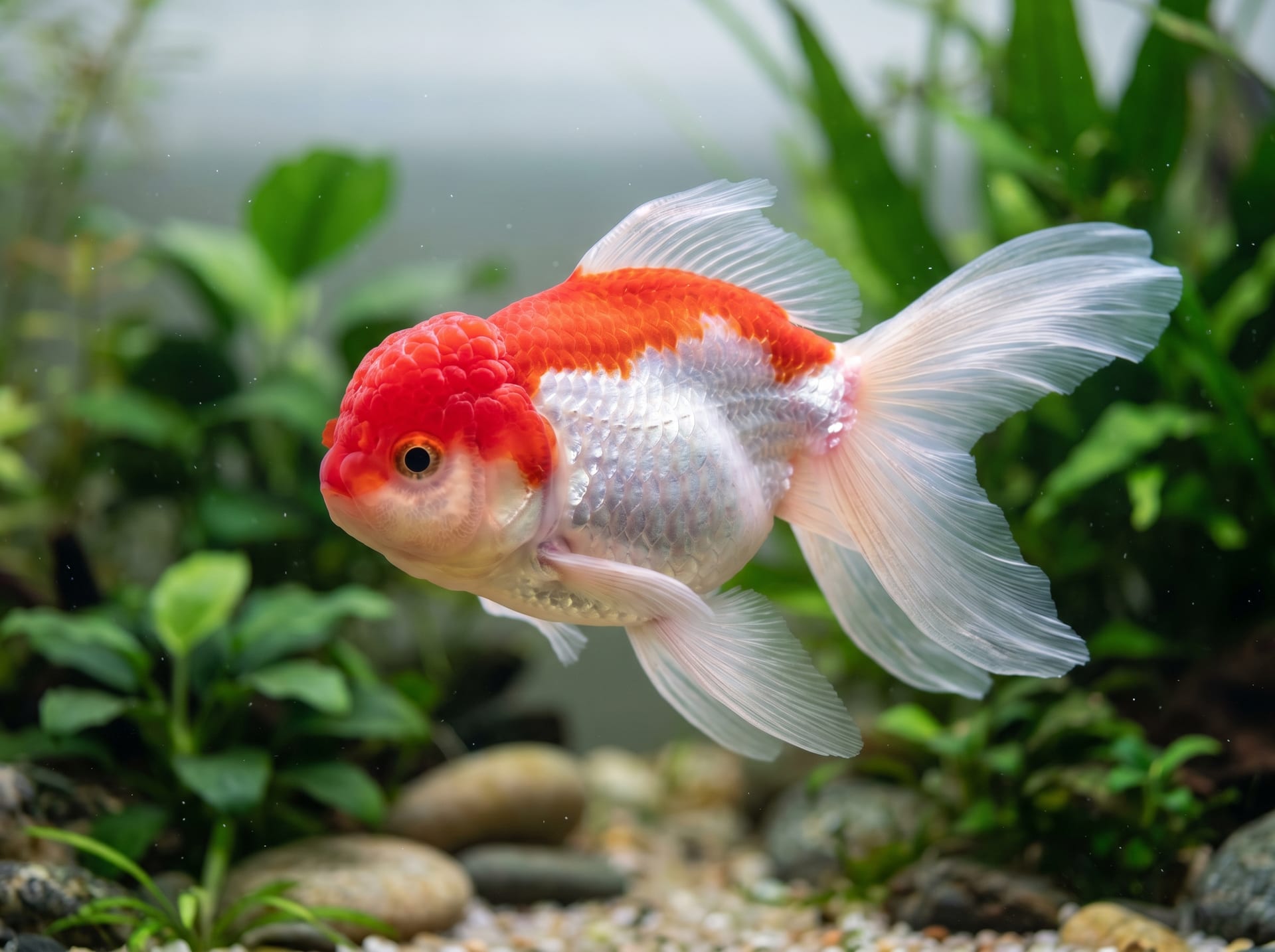
Oranda
IntermediateNamed for the lion-mane-like head growth (wen). Ryukin body shape with rich colors. Often called the king of goldfish.
Difficulty
Intermediate
Temperature
15〜25℃
Lifespan
10-15 years
Size
15-30cm
Diet
Goldfish pellets, bloodworms
About
The Oranda is one of the most recognizable fancy goldfish varieties, distinguished by the fleshy head growth known as a "wen" that covers the top of the head or, in fully developed specimens, the entire face except the mouth. Despite its Dutch-sounding name, the Oranda was developed in China and introduced to Japan during the Edo period via Dutch trading ships, hence the name. The wen develops gradually with age, and its quality—judged by symmetry, density, and coverage—is a key criterion in competitive shows. Oranda come in a wide range of colors including red, white, sarasa, and calico. They are moderately active and compatible with other slow-swimming varieties. Maintaining clean water is critical, as the crevices of the wen can harbor bacteria, potentially leading to infection.
Source: Wikipedia (CC BY-SA 4.0)
Lifespan of the Oranda
The Oranda lives 10-15 years.
Size of the Oranda
The Oranda grows to 15-30cm.
Temperature & humidity for the Oranda
The ideal temperature for the Oranda is 15〜25℃.
Basic Info
Origin
China
Lifespan
10-15 years
Size
15-30cm
Care Specifications
- pH
- 6–8
- Hardness (GH)
- 5–19 dGH
- Water Temp.
- 15–25℃
PeacefulGroupBreeding: Moderate
Sources: FishBase / Aqueon Goldfish Care Guide
Morphs (Varieties)
Goldfish varieties are line-bred for body shape, tail type, scale type, and coloration. Traits such as protruding eyes, transparent scales (calico), and albinism are single-locus traits.
PolygenicContinuous trait from multiple genes; intensified by selective breeding.
Head growth (wen)
Line-bredEstablished by selective line breeding.
Deep body / dorsal humpFantail (paired caudal)
Sources: Wikipedia - Goldfish (Varieties) / Goldfish — Wikipedia (Japanese edition, varieties)
A curated selection of notable morphs. Inheritance modes are a breeding-planning guide; actual appearance varies with combos.
References & Sources
Edited & verified by: BreederDirect editorial team
The taxonomic, regulatory, and husbandry data on this page are compiled and verified against the authoritative primary sources below.
Taxonomy & Authority
Accepted name: (Linnaeus, 1758)
Synonyms: Cyprinus auratus Linnaeus, 1758, Carassius auratus auratus (Linnaeus, 1758), Cyprinus thoracatus Valenciennes, 1842, Carassius burgeri Temminck & Schlegel, 1846, Cyprinus chinensis Gronow, 1854
Authority databases: FishBase · GBIF · FishBase: Carassius auratus · GBIF: Carassius auratus
Nomenclature follows global taxonomic authority databases.
Oranda Listings
Loading latest listingsFind listings for this species