How to Raise Dutch Lionheads and White Calicos: Water Quality and Feeding Management for Wen Development
This article explains the characteristics and husbandry methods of Dutch lionheads and white calicos. It covers the nutritional management, water quality, and lighting necessary for wen development, head care precautions, and management tips for maintaining beautiful body coloration.
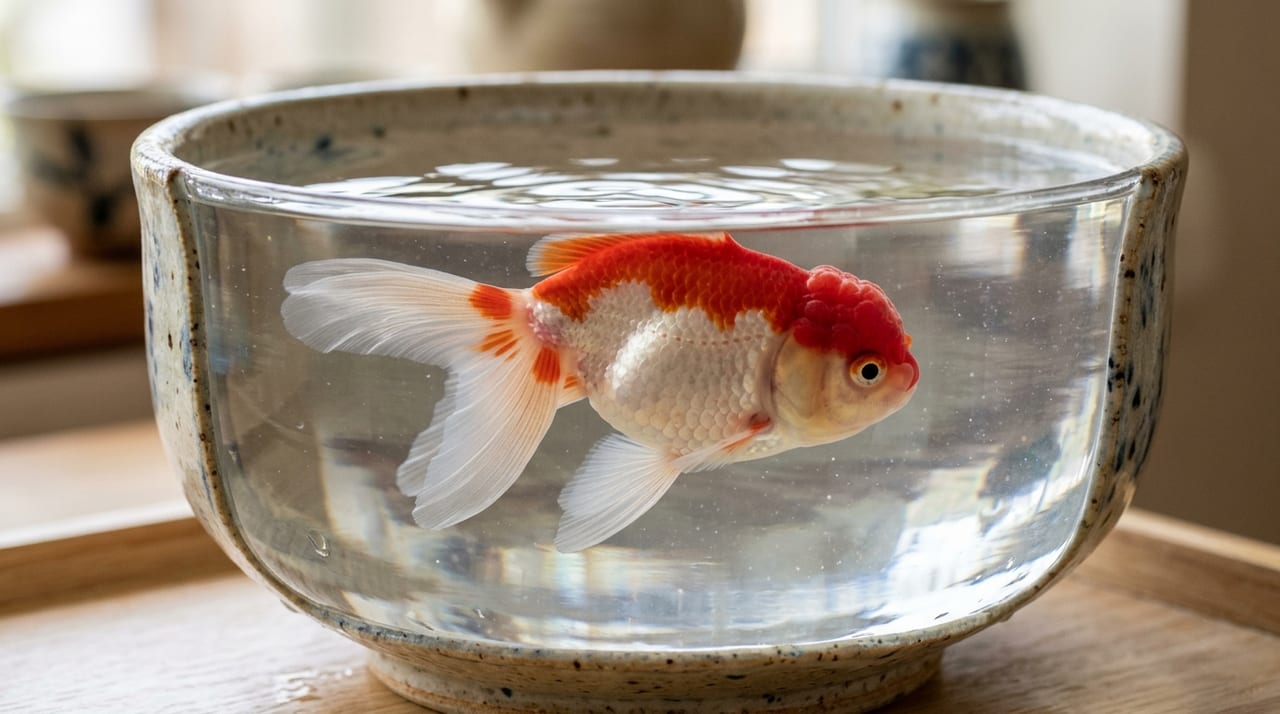
Key Takeaways
This article explains the characteristics and husbandry methods of Dutch lionheads and white calicos. It covers the nutritional management, water quality, and lighting necessary for wen development, head care precautions, and management tips for maintaining beautiful body coloration.
Related Species
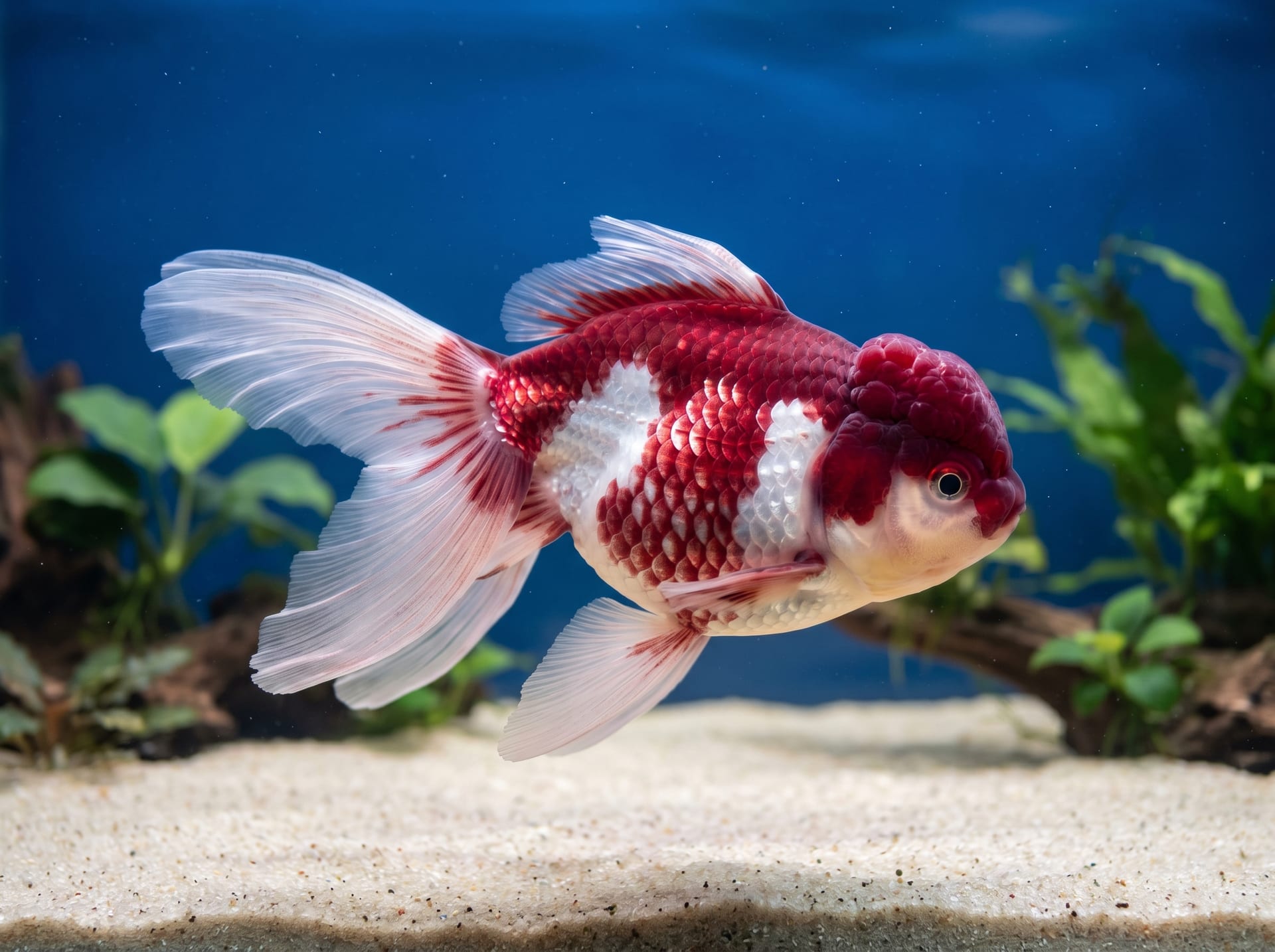
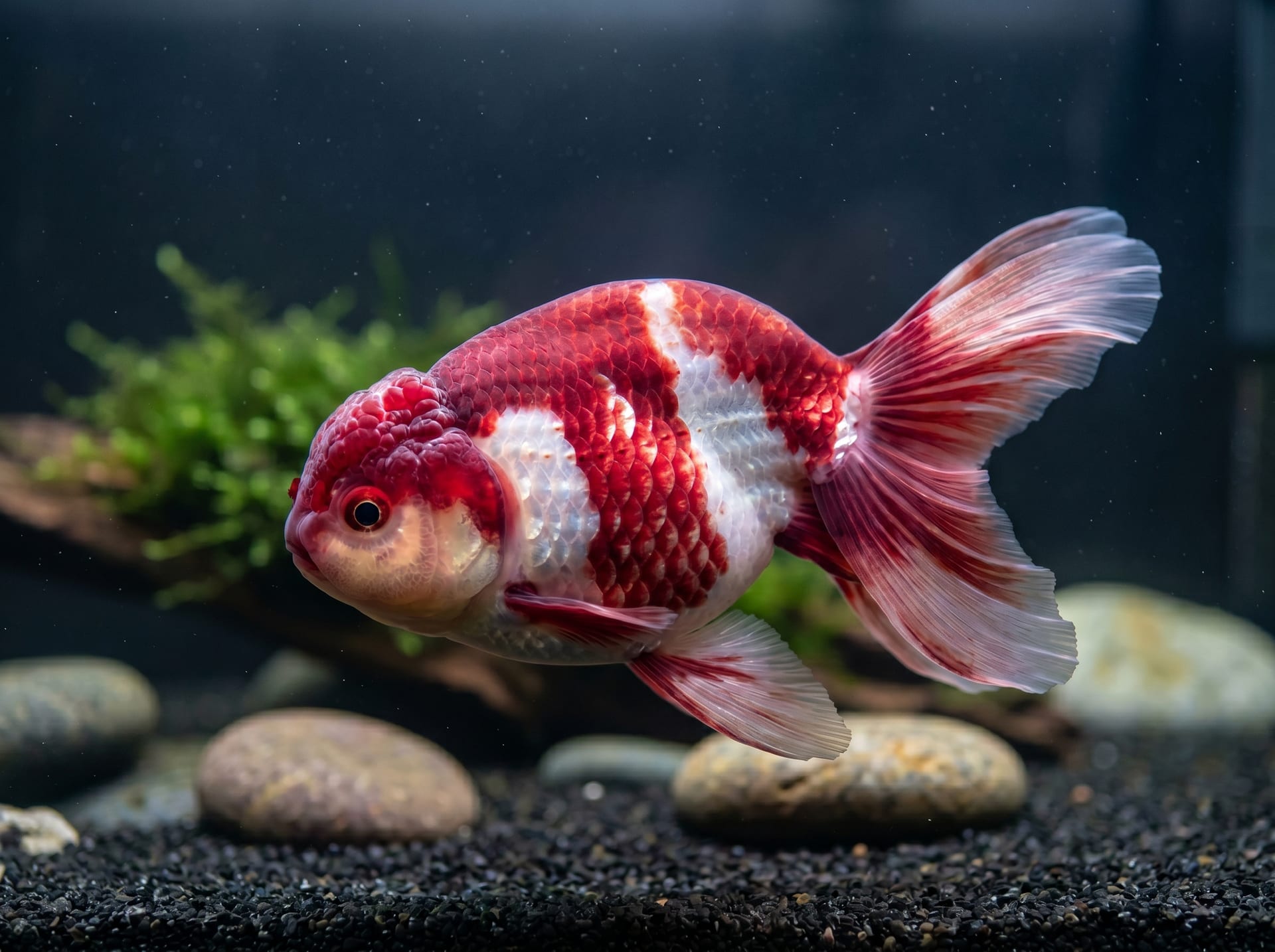
Dutch Lionheads and White Calicos
The Dutch lionhead (Dutch lionhead goldfish) is a goldfish whose most distinctive feature is the developed "wen" on its head. While Ranchus have uniform wens across their entire head, Dutch lionheads are characterized by particularly pronounced wens from the crown to the forehead, creating impressive silhouettes when viewed from the side. Their body shape is similar to the Ryukin type with a dorsal fin, and their tail fin is long and gracefully flowing.
The white calico (white utsurium) is a variety with black markings on a white base, featuring a unique monochromatic beauty while having the body shape of the Dutch type. The placement of black varies considerably between individuals, with more visually striking specimens commanding higher values. Additionally, the black coloration in white calicos changes in tone depending on water temperature and rearing conditions, making the management approach itself directly connected to body color expression—a characteristic that appeals to breeders.
Both types offer breeders considerable room to control the development of the wen, making them varieties with deep long-term rearing enjoyment.
Feeding Management to Develop the Wen
Feeding management is one of the most important factors in promoting wen development. Since the wen grows primarily using protein as its raw material, continuously providing high-protein, high-calorie feed is fundamental. The characteristics of each feed type are as follows:
| Feed Type | Characteristics |
|---|---|
| Live daphnia, frozen bloodworms, frozen brine shrimp (live food / frozen food) | High digestibility and absorption rate; nutrition directly supports wen growth |
| Goldfish-specific pellets (artificial feed) | Select products with 40–50% or higher protein content |
| Dried krill (shrimp) | High calorie and excellent palatability, but carries risk of gas generation in the intestines; best combined with other feeds rather than used alone |
The basic feeding frequency is 2–3 times daily, though for adult fish focused on wen development, 3 feedings (morning, midday, evening) are effective. Feed amounts should be roughly what the fish can consume in 3–5 minutes; always remove any uneaten food. Overfeeding directly causes swim bladder disease and digestive disorders, so portion control is essential. When water temperature drops below 18°C, digestive function declines; during cold periods, either halve the feed amount or switch to more easily digestible plant-based feed.
Water Quality Management Directly Supporting Wen Development
Maintaining clean water is, alongside feeding management, fundamental to wen development. In environments where nitrate has accumulated, wen growth slows even with adequate nutrition, and the risk of congestion and inflammation increases. The key points of water quality management are as follows:
- Water changes: Ideally 30–50% changes 2–3 times per week. Water must be dechlorinated, and temperature difference adjusted to within 2°C
- pH: 6.8–7.5 (weakly acidic to neutral) is the appropriate range
- Nitrate: Measure with test reagents approximately monthly; aim to maintain 20 ppm or below
- Filter: Combining a sponge filter with hang-on or upper filters is effective, enhancing biological filtration capacity while also removing physical debris
Even when a filter's biological filtration is stable, large varieties like Dutch lionheads produce substantial waste, making frequent physical water changes essential. Sudden temperature fluctuations trigger ich and Aeromonas infection.
Rearing Container and Lighting Environment
To develop the wen, an environment allowing adequate movement is advantageous over one restricting swimming. Choose a rearing container with 30–40L per adult fish. In goldfish husbandry, expanded polystyrene containers or wooden frame ponds offering top viewing are popular alternatives to wide rectangular tanks.
Natural light enhances body coloration and boosts metabolism. In outdoor rearing, an environment receiving 4–6 hours of direct sunlight daily is ideal, though in summer adjustment with shade cloth is necessary to prevent water temperature exceeding 30°C. For indoor rearing, activate ornamental fish LED lights with a wide wavelength range for 8–10 hours daily. White calicos' black coloration tends to appear particularly deep and vivid with a combination of lower water temperatures (15–20°C) and appropriate light conditions. For those aiming at shows, color enhancement management leveraging the low-temperature period from autumn through winter is effective.
Points for Wen and Health Checks
The wen has a complex structure with fine grooves and creases where dirt and uneaten food easily accumulate. When water quality deteriorates, the wen may appear red and congested, or show whitening and deterioration. In many cases this is an early symptom of bacterial infection (columnaris or Aeromonas disease), so early detection is important.
During daily observations, check the wen's color, shape, and luster. Upon discovering congestion or white deposits, first perform a 50–70% water change, then continue salt bathing at 0.3–0.5% salinity for 3–5 days. If salt bathing shows no improvement, use commercial goldfish antibacterial agents (such as Green F Gold Liquid).
Swim bladder disease is particularly high-risk for Dutch lionheads whose large, heavy wens stress the swim bladder. To reduce strain, keep water depth moderate at around 20–30cm; switching feed from floating to sinking types is also an effective preventive measure given digestive considerations.
Summary
Dutch lionheads and white calicos are varieties where the breeder's management technique directly impacts individual beauty—among the most rewarding to raise when experiencing the true enjoyment of goldfish husbandry. By feeding high-protein food in appropriate amounts, preventing nitrate buildup through frequent water changes, and controlling light and water temperature, the wen develops steadily and the black coloration of white calicos deepens. The accumulation of daily careful observation and water quality management produces individuals with commanding presence years later. Acquire healthy young fish from breeders and enjoy the satisfaction of raising them with a long-term perspective.