Dutch Lionhead Goldfish Care Guide | Methods to Enhance Hood Beauty
A guide to caring for Dutch lionhead goldfish. Learn about feed and water quality management to promote hood development, and considerations for tankmate compatibility.

Key Takeaways
A guide to caring for Dutch lionhead goldfish. Learn about feed and water quality management to promote hood development, and considerations for tankmate compatibility.
Related Species

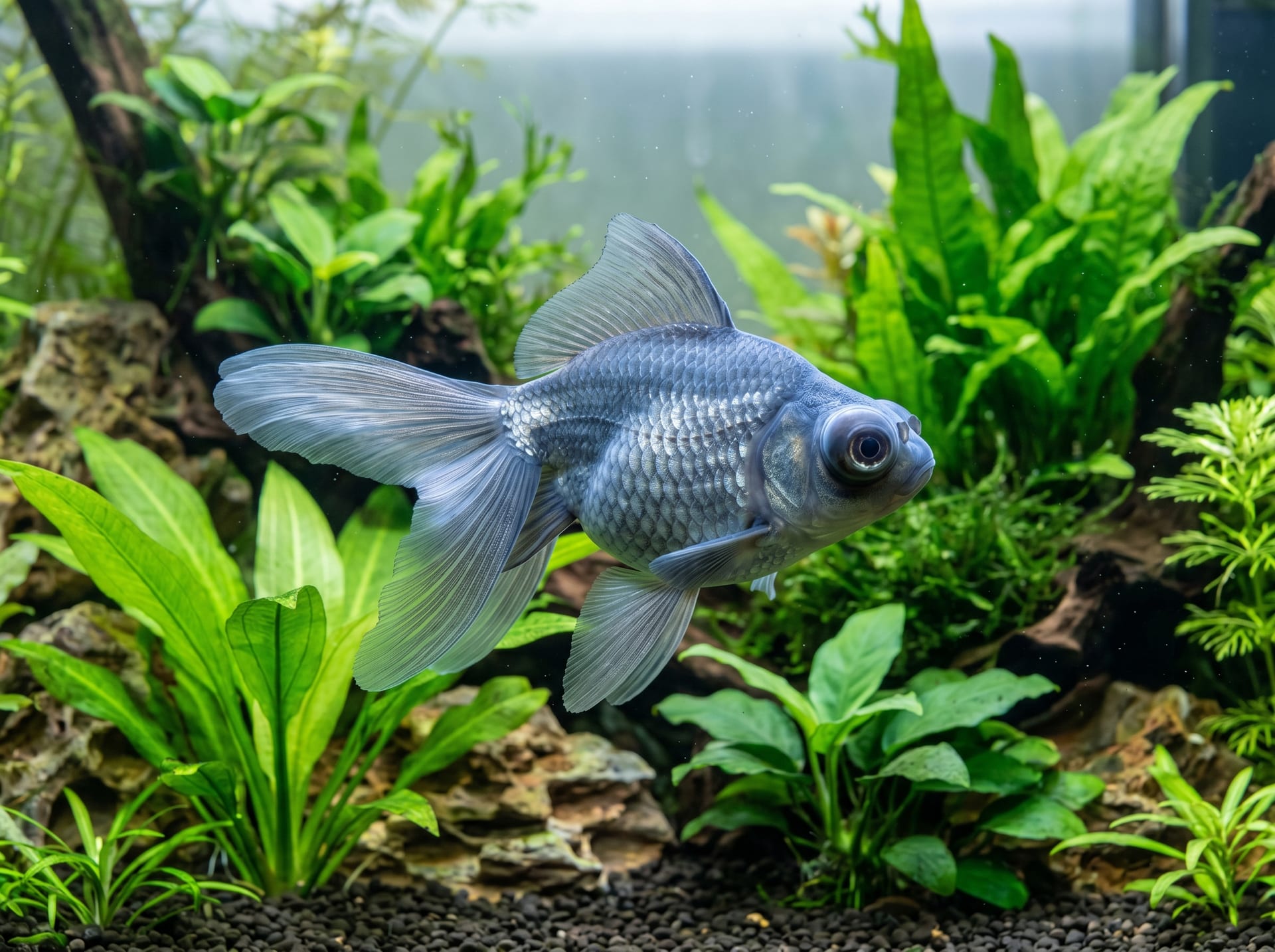
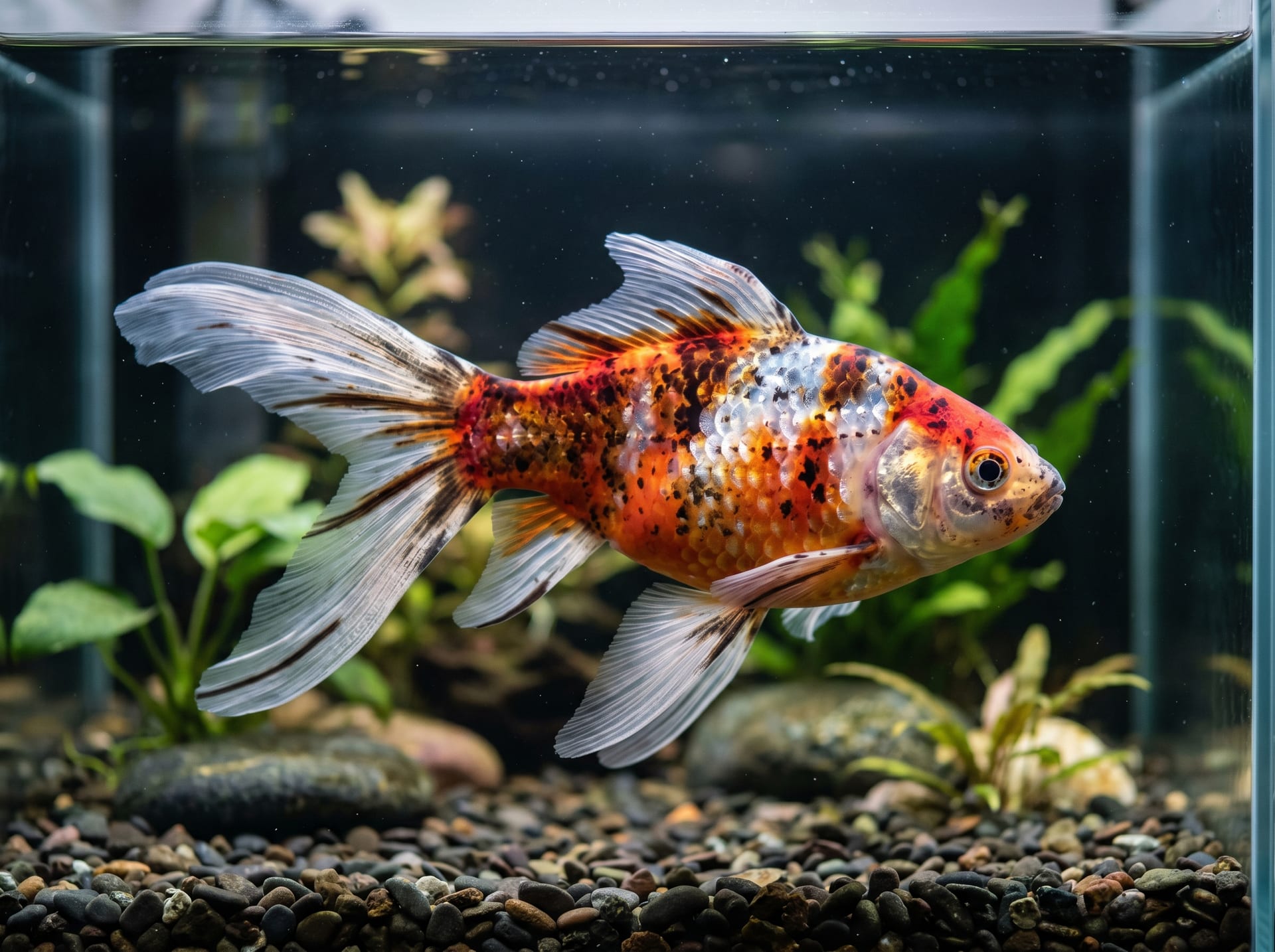

Characteristics and Appeal of Dutch Lionhead Goldfish
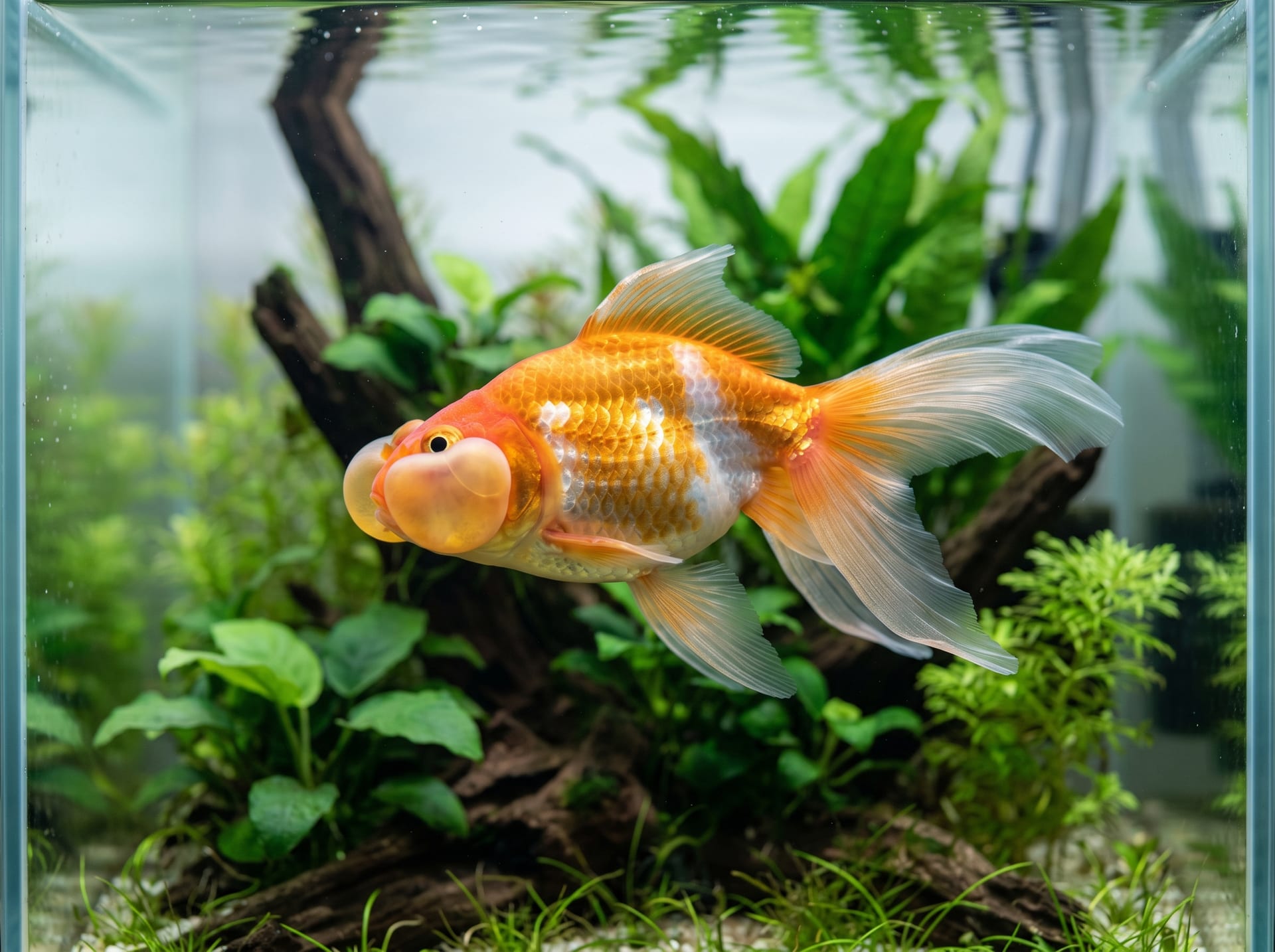
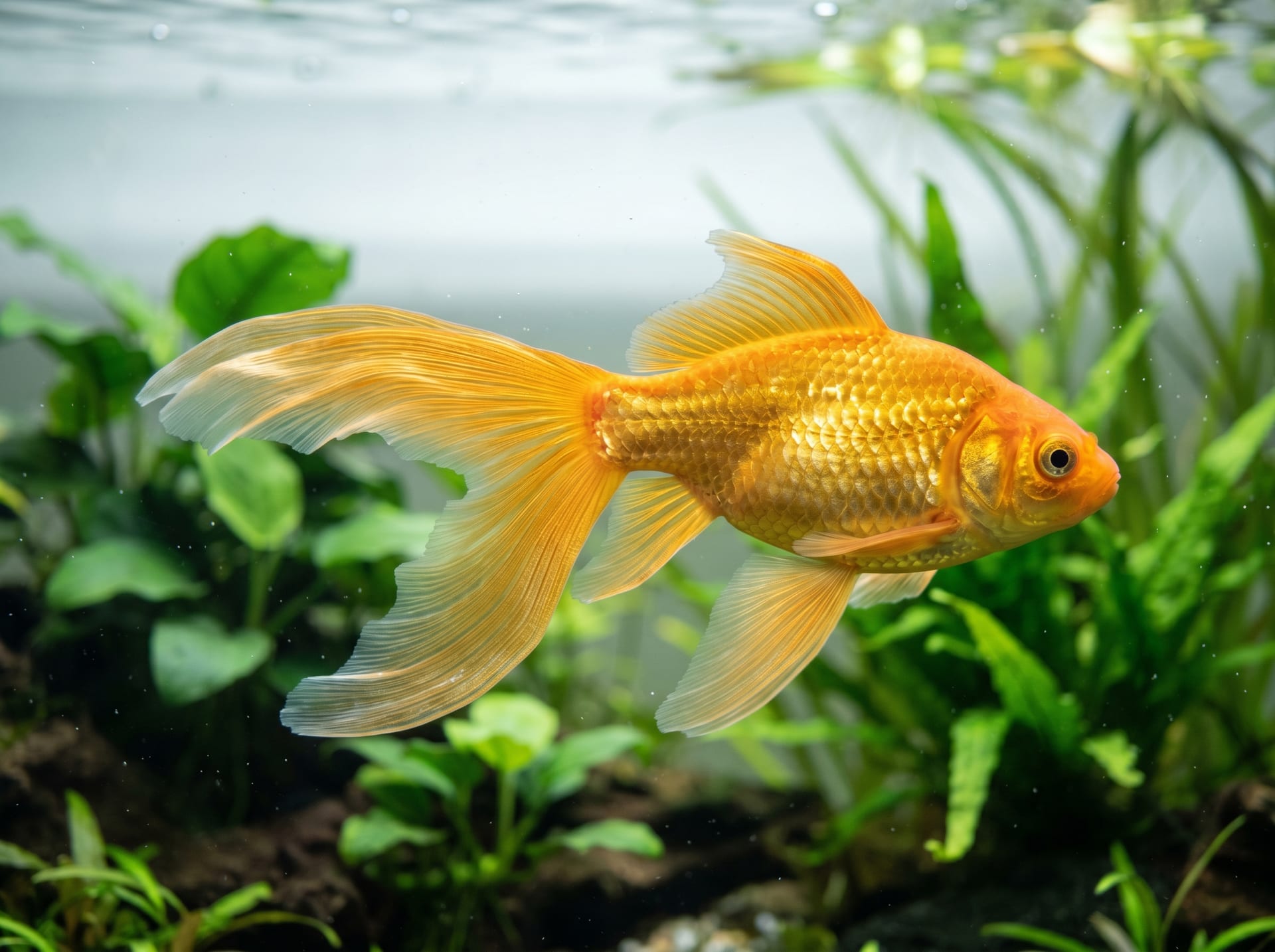
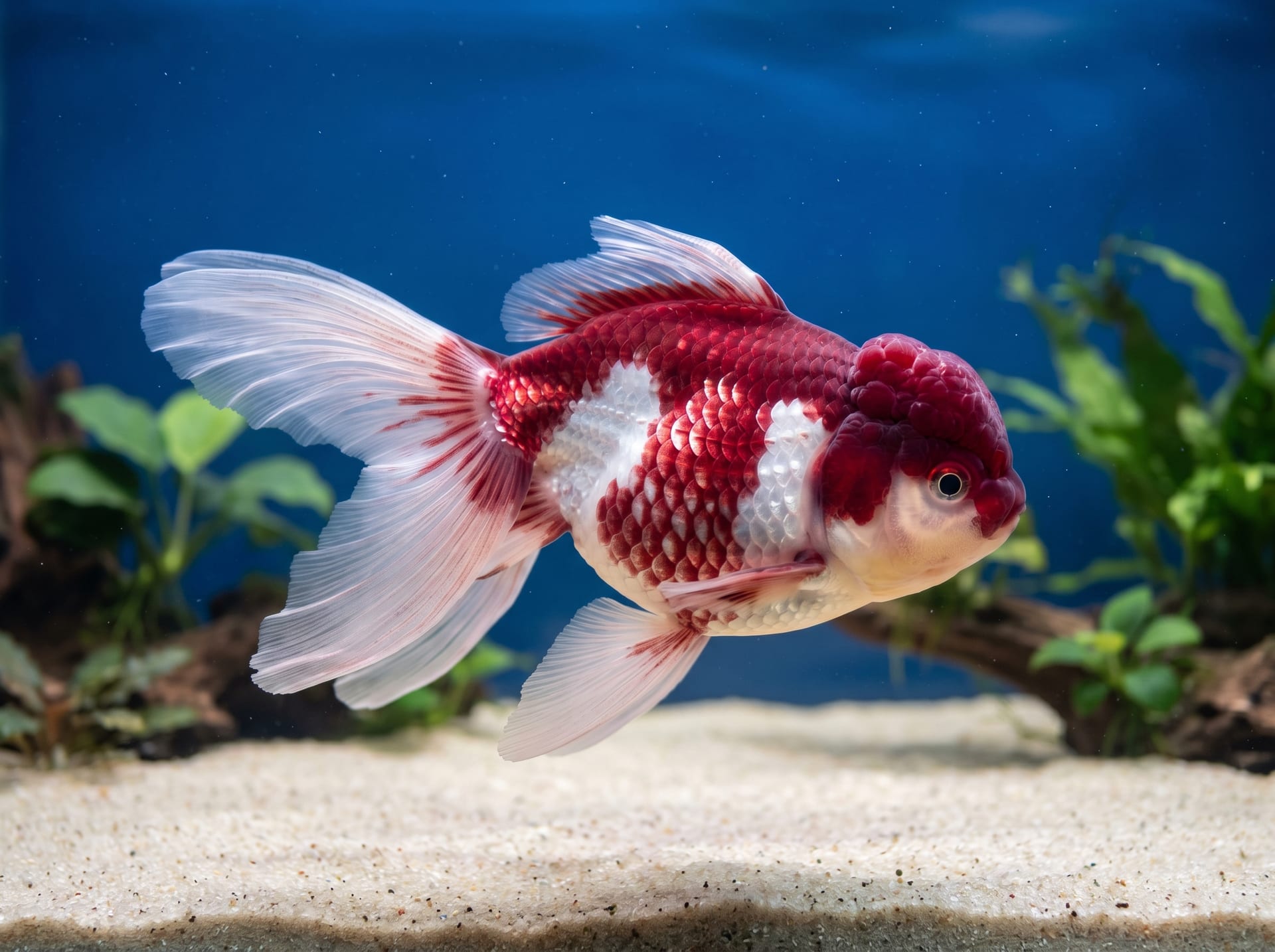
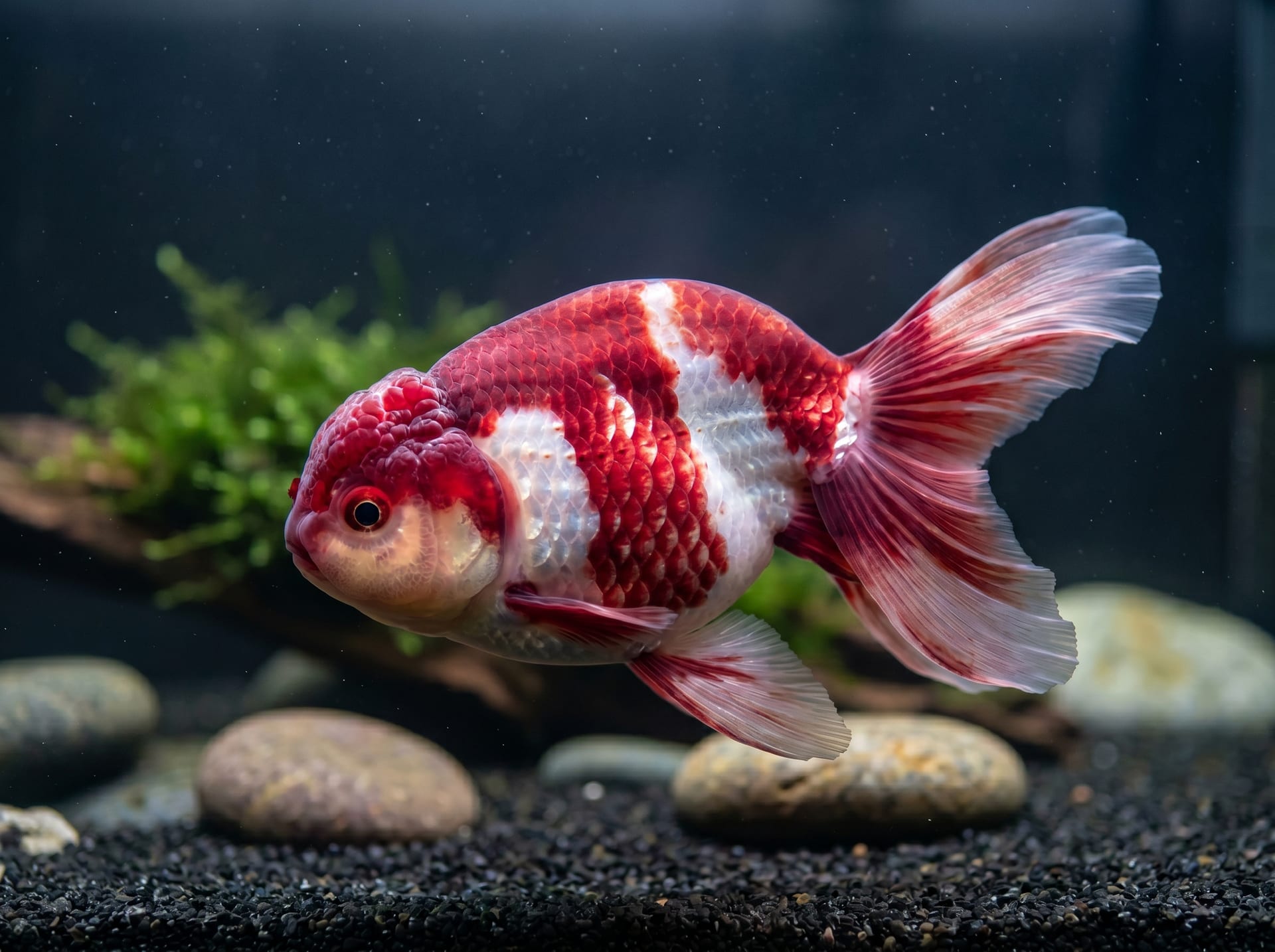
The Dutch lionhead goldfish is an elegant breed featuring a developed hood (wen) on the head and a dorsal fin. Along with ranchu, it has a strong exhibition culture, with the size, symmetry, and color quality of the hood being the primary evaluation criteria. However, because it has a dorsal fin, it has more stable swimming balance than ranchu, making it a popular choice for beginners as a relatively easy-to-keep variety.
The main characteristics are as follows:
- Body Type: A rounded body with a dorsal fin, and long four-lobed or three-lobed tail
- Hood: A fleshy protuberance extending from the crown across the entire face. Develops over 2–3 years starting from the juvenile stage
- Size: Adults reach 15–25 cm. Final size is influenced by tank size and stocking density
- Lifespan: 10–15 years with proper care
- Colors: Diverse, including red, calico (red and white), black, blue-scaled, and chocolate (brown)
Hood development varies greatly among individuals, and even fish from the same bloodline will show different results depending on feed, water quality, and temperature management. The "joy of raising" a Dutch lionhead is the greatest appeal of this variety.
Feeding Methods for Beautiful Hood Development
The development of the hood is most influenced by the balance of protein and fat. Generic, inexpensive feeds often result in slow hood growth, so select high-protein feed specifically formulated for goldfish.
Choosing Your Main Feed
Pellet feed formulated for goldfish containing 35–45% crude protein is ideal. Both floating and sinking types work, but sinking pellets have the advantage of reducing the risk of bloat from intestinal gas due to superior digestibility. Feed 2–3 times daily in amounts that will be consumed in 3–5 minutes, and always remove uneaten food.
Using Live and Frozen Foods
Feeding frozen bloodworms or brine shrimp 2–3 times per week will noticeably accelerate hood growth. Live feed has a superior amino acid balance and can supplement nutrients that are difficult to provide through artificial feed alone. However, overfeeding directly compromises water quality, so it is safest to limit live foods to small amounts once daily, either in the morning or evening.
Water Temperature and Feeding Relationship
When water temperature drops below 18°C, digestive function declines, so reduce feeding to once daily or less during winter. In the 22–26°C range, metabolism becomes active and hood growth is promoted. Using a heater to maintain 22°C or above year-round will support consistent growth throughout the year.
Ideal Rearing Environment and Water Quality Management
Maintaining clean water quality is essential for healthy hood development. When water quality deteriorates, the hood may develop cloudiness, congestion, or rot, and in the worst cases, tissue necrosis can occur.
Tank Size
A minimum 60 cm tank (approximately 60 liters) is required for each adult. For individuals with large hoods or multiple-fish setups, 90 cm or larger is recommended. Larger water volume makes water quality more stable and reduces the risk of hoods colliding. Fine-grain gravel or a bare tank (no substrate) are the easiest to manage.
Filtration and Aeration
Use a hang-on or canister filter with filtration capacity rated at 3–5 times the tank volume per hour. Goldfish produce large amounts of waste and accumulate ammonia quickly, so it is wise to choose a filter with slightly higher specifications. Always install aeration to ensure adequate dissolved oxygen.
Water Change Frequency and Water Quality Targets
The standard practice is to change 25–30% of the total water volume twice weekly. If nitrate concentration is maintained below 40 mg/L, stress on the hood is minimized. Target water quality values are as follows:
- Water Temperature: 22–26°C (heater management recommended)
- pH: 7.0–7.5 (neutral to slightly alkaline)
- Ammonia: Below detection limit
- Nitrite: Below detection limit
- Nitrate: 40 mg/L or below
Tankmate Considerations
Dutch lionhead goldfish have narrow vision and slow swimming speed. Choosing inappropriate tankmates can prevent them from eating adequately, leading to poor growth and delayed hood development.
Compatible Species
Mixing with round-bodied breeds of similar swimming speed, such as ryukin, telescope eye, celestial eye, and bubble eye goldfish, is ideal. If there is a large size difference, choose individuals of similar size.
Species to Avoid
Avoid streamlined, fast-swimming breeds such as wakin, comet, and shubunkin goldfish. These not only steal feed but also differ in their tolerance to water currents, making them sources of stress. Additionally, individuals whose hoods have developed to cover the eyes experience significant vision loss, so single housing or mixing only with others of similarly impaired vision is safest.
Hood Troubles and Solutions
White Cotton-Like Growth (Fungal Infection)
If white cottony deposits appear on the hood surface, infection by water mold (Saprolegnia) is suspected. The causes are water quality deterioration and injury. Early detection is important; administer a 0.5% salt bath for 3–5 days while changing water daily. For severe cases, combine with methylene blue or Green F Gold treatment.
Hood Congestion and Redness
Redness from visible capillaries is typically caused by water quality decline, sudden temperature changes, or stress. Temporarily increase water change frequency (20% daily) and administer a 0.3–0.5% salt bath to boost immune function. If no improvement is seen after several days, bacterial infection is possible; consider medicated baths with antibacterial agents such as fish medications.
Hood Shrinkage or Atrophy
Prolonged malnutrition or low water temperature can cause the hood to shrink. Reviewing feed content and ensuring consistent water temperature management will resolve most cases. However, natural shrinkage may occur in aged individuals.
Diseases Common to Dutch Lionhead Goldfish
Ich (White Spot Disease)
A protozoan infection marked by granular white spots on the body. Often triggered by sudden temperature changes. Treat by raising water temperature to 28–30°C while administering medicated baths (methylene blue or nitrofurazone-based medications).
Upside Down Disease (Floating Disorder)
A goldfish-specific condition where the fish cannot maintain normal posture while floating at the surface or sinking. Causes are varied, including overfeeding, constipation, swim bladder malfunction, and genetic factors. Basic treatment involves fasting, small frequent feedings, and switching to easily digestible foods.
Gill Disease
A condition where gill function is impaired, with symptoms including slow swimming near the surface and gasping. Causes include bacterial infection, parasites, and poor water quality. Treat with early detection, water changes, and medicated baths.
Fungal Infection (Cotton Wool Disease)
White cottony fungal growth appears on body wounds. Triggers include injury, shedding problems, and low water temperature. Treat with salt baths (0.5%) or methylene blue medicated baths.
Fish Shows and Display
Dutch lionhead goldfish are among the most exhibition-focused of all goldfish breeds.
Evaluation Criteria at Shows
- Hood size and symmetry (development across the entire head, cheeks, and around the eyes)
- Body symmetry (bilateral balance, belly fullness)
- Color vibrancy (intensity of red, purity of white)
- Tail fin shape and spread
By acquiring a Dutch lionhead from a breeder with good bloodlines and raising it carefully using the methods described above, achieving exhibition-quality individuals is not a dream. Goldfish breeder direct-sales sites carry high-quality individuals with pedigrees.
Choosing Dutch Lionhead Goldfish from BreederDirect
BreederDirect offers high-quality Dutch lionhead goldfish with well-balanced hoods available for direct purchase from breeders. Rare colors and individuals from specific bloodlines that you would never find in mass retail stores are listed, giving you the enjoyment of finding your ideal specimen. Being able to ask sellers questions directly allows you to confirm rearing history, feeding practices, and water temperature management details before purchase—a major advantage. Stock ranges from young fish with future potential to mature fish already displaying magnificent hoods. Enjoy communicating with breeders as you search for your ideal Dutch lionhead goldfish.