Guide to Entering Oranda Lionhead Goldfish in Competitions | Judging Criteria and Finishing Techniques
Explanation of entering Oranda lionhead goldfish in competitions. Introduction of judging criteria, finishing breeding techniques, and condition management.
Key Takeaways
Explanation of entering Oranda lionhead goldfish in competitions. Introduction of judging criteria, finishing breeding techniques, and condition management.
Related Species
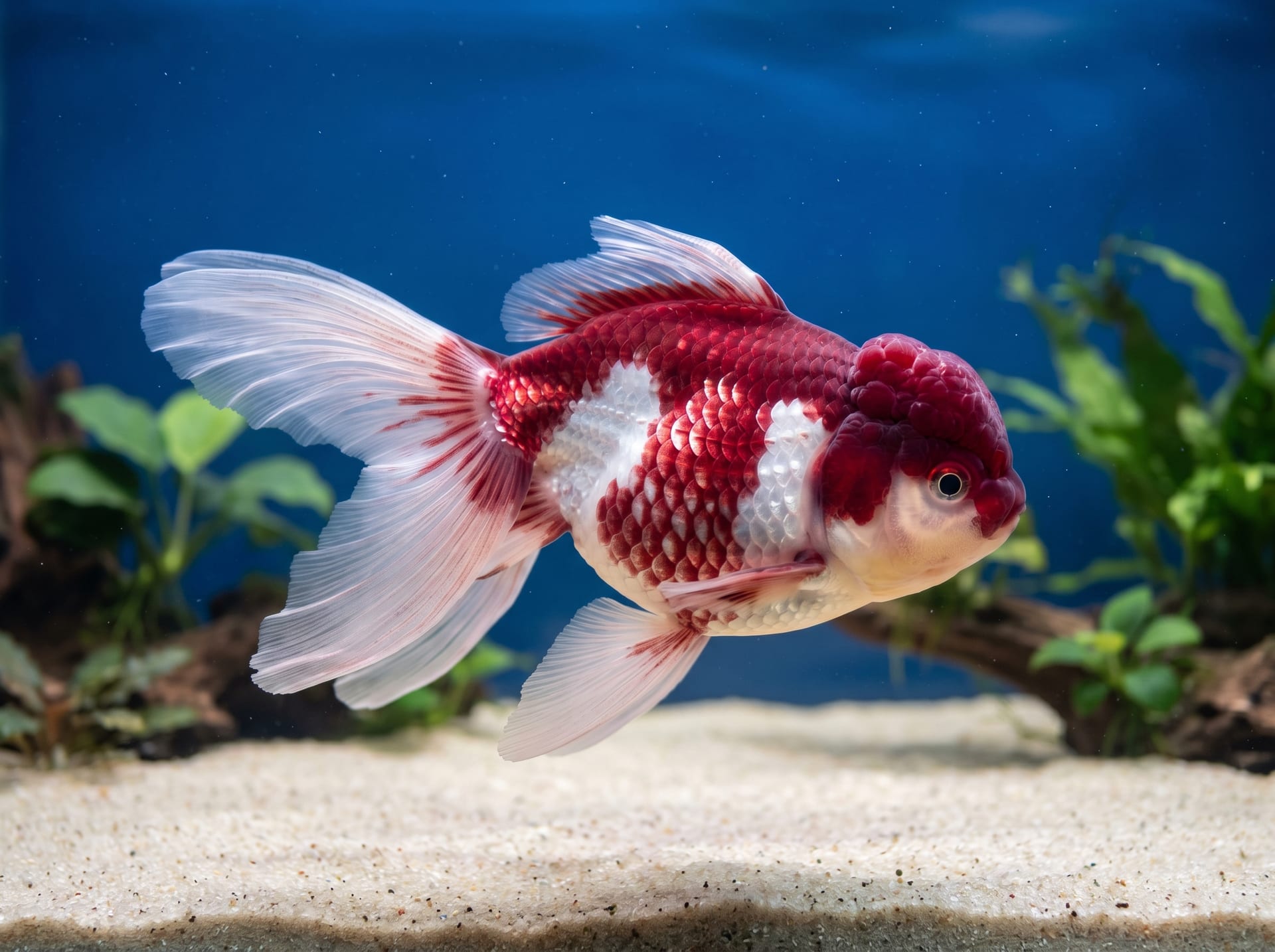
Goldfish competitions are a traditional Japanese culture that has continued since the Edo period. This venue, where enthusiasts gather with goldfish they have carefully raised and compete in their beauty, has long been cherished not merely as a contest, but also as a place to improve breeding skills and exchange with fellow enthusiasts. Among all varieties, the Oranda lionhead is a popular breed with many entries, and can be said to be the star of competitions.
This article clearly explains the judging criteria you should know when entering Oranda lionhead goldfish in competitions, as well as finishing techniques to prepare for the event. The content is broadly useful for everyone from those considering their first entry to intermediate breeders aiming for awards.
What Kind of Goldfish Is the Oranda Lionhead?
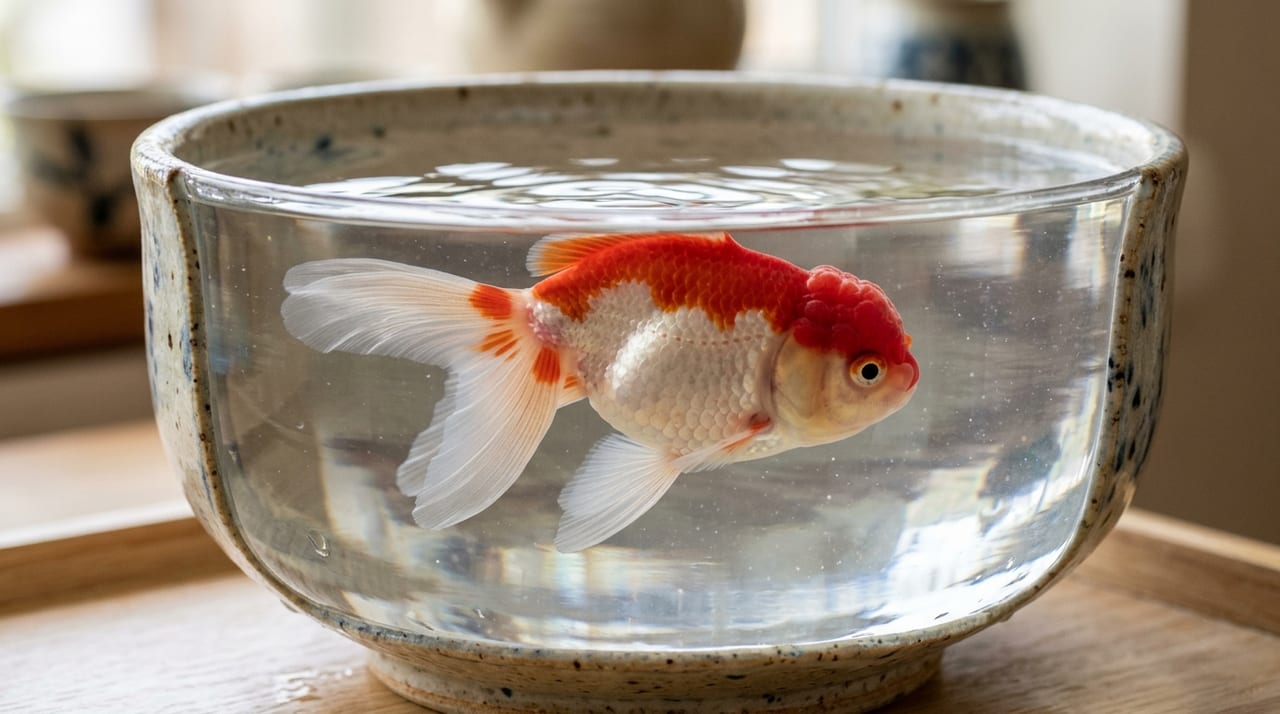
The Oranda lionhead is a goldfish characterized by a developed 'wen' (a fleshy protuberance on the head) and a rounded body shape. While the name includes 'Oranda,' it is actually a variety that came to Japan from China, and is said to have originated from goldfish imported on Dutch ships during the Edo period.
Body colors are typically red, white, and calico (red and white mottled), and the pleasure of viewing lies in the balance between the vibrant coloration and the impressive wen. While it has a rounded body shape similar to the Ryukin, the powerful wen on the head creates a unique presence. The difficulty level of keeping them is moderate, and with proper management, anyone can raise beautiful specimens.
Detailed Explanation of Competition Judging Criteria
Competitions have multiple judging categories, and understanding the point value of each is the shortcut to winning awards. Let's look at the main judging criteria and their key points.
Body Shape (Estimated Points: 30%)
Body shape is the highest-scoring category. The ideal body shape is a 'rounded, egg-shaped' form that spreads equally on both sides when viewed from above.
- The back line forms a gentle arch
- The head and body are well-balanced
- The belly is not unnaturally bloated
- The body depth is sufficient when viewed from the side
Since skeletal and body shape have strong genetic factors, the selection of parent fish is important. On the other hand, growth differences also result from husbandry environment and nutrition management, so daily care is crucial.
Wen (Estimated Points: 25%)
The wen, which is the most distinctive feature of the Oranda lionhead, is a highly valued part in judging.
- It develops uniformly from the top of the head down to the cheeks
- It is large enough without covering the eyes (vision is preserved)
- It has a fine-textured, plump appearance
- It is balanced left to right
Wen development is influenced by water temperature, water quality, and nutrition, all of which matter. Management during the growth period (from fry to one year old) is especially important, as the husbandry environment during this time greatly affects how the wen develops.
Tail Fin (Estimated Points: 25%)
The tail fin has high visual impact alongside body shape and is an important point that catches judges' attention.
- The ideal is a symmetrical four-lobed tail
- It spreads out in the water with good extension
- It has no tears, splits, or missing sections
- The tail peduncle (base of the tail) is strong and sturdy
The tail fin condition is easily damaged by injuries from mixed housing or poor water quality, so consider switching to individual housing before competition entry.
Coloration (Estimated Points: 15%)
The beauty and clarity of the color are also important evaluation points.
- Red is deep without dullness
- The boundary line between red and white is crisp and clear
- There is no color loss or fading
- The overall color balance is well-coordinated
Specialized color-enhancement foods and spirulina-based feeds are effective for color development, but it's ideal to bring out natural coloration without relying too much on excessive additives.
Swimming (Estimated Points: 5%)
Though it has a low point value, it influences judges' overall impressions.
- The body swims level without tilting left or right
- It swims actively with lively movement
- It swims stably with minimal wobbling
Specimens with swim bladder issues or those that tend to tilt are not suitable for competition entry. Keep water temperature, feeding amount, and stocking density appropriately managed at all times.
2-Week Finishing Schedule Before Competition Entry
Once you understand the judging criteria, plan your finishing strategy for the competition. Ideally, start two weeks before entry.
Two Weeks Before: Strengthen Water Quality Management
Increase water change frequency above normal levels (around 20-30% of total volume daily) and maintain water quality at a high standard. Clean water promotes vibrant coloration and improves mucus coat condition. Starting at this point, move the specimen to be entered into a separate tank and switch to individual or small group housing to reduce the risk of injury.
One Week Before: Feed Primarily Color-Enhancement Food
Switch to color-enhancement foods containing spirulina or carotenoids as the main feed. However, abruptly changing feed can affect digestion, so it's safer to transition gradually over several days.
Three Days Before: Reduce Feeding
Reduce feeding to less than half the normal amount to prevent belly bloating. This is an important step in reducing the risk of digestive issues and swim bladder problems.
Day Before: Final Water Change and Health Check
Perform a water change to condition the mucus coat. At this stage, carefully check the body for injuries, white spot disease, or redness, and be prepared to withdraw from competition if any issues are found.
Day Of: Transport Quietly and Slowly
Transport stress can temporarily diminish coloration and affect swimming. Transport in a well-oxygenated bag, avoiding temperature changes, vibration, and direct sunlight. When arriving at the venue, remember to acclimate the fish by gradually matching water temperature before transferring to the tank. Since waiting time before judging can be long at some venues, having a light-blocking cloth ready can help reduce specimen stress.
Daily Care Tips for Competition Preparation
Daily husbandry management is the foundation for maximizing the effectiveness of finishing techniques.
- Stocking Density: Overcrowding inhibits wen development. Ensure at least 30-40L of water per fish.
- Temperature Management: The ideal range is 18-25°C. Sudden temperature changes can cause health problems.
- Filtration: Use a filter with stable biological filtration and maintain ammonia and nitrite at zero as a basic principle.
- Lighting: Moderate natural light or aquarium lighting is effective for color development, but be careful to avoid temperature rises from direct sunlight.
- Keep Records: Recording feeding content, water change frequency, and body length changes provides valuable data for planning next year's finishing strategy.
BreederDirect's Safe and Secure System
If you want to obtain goldfish at a level suitable for competition entry, the best approach is to purchase directly from a trusted breeder. BreederDirect is a platform where you can purchase various live animals, including goldfish, directly from breeders.
Specimens from breeders with competition award histories have clear lineage, husbandry records, and health status, so you can raise them with confidence after purchase. Additionally, being able to ask breeders directly is a major advantage, as you can get advice on care methods and finishing techniques on the spot.
Unlike goldfish lined up in shops, bringing home a specimen carefully raised in a breeder's care will make your competition journey more rewarding. Bring out the full charm of the Oranda lionhead and let it shine brilliantly on the competition stage.