Tosa Kin Goldfish Care and Show Guide | Premium Breed Management and Judging Standards
A detailed guide to caring for Tosa Kin goldfish and participating in shows. This article covers the history and characteristics of this mythical goldfish from Kochi Prefecture, practical outdoor flat-basin cultivation, show judging criteria, and finishing techniques.
Key Takeaways
A detailed guide to caring for Tosa Kin goldfish and participating in shows. This article covers the history and characteristics of this mythical goldfish from Kochi Prefecture, practical outdoor flat-basin cultivation, show judging criteria, and finishing techniques.
What Kind of Goldfish is Tosa Kin? — The Phantom Breed Born in Kochi
✍️
BreederDirect Editorial
The BreederDirect editorial team specializes in care information for animals, covering veterinary care and breeding to deliver beginner-friendly guides.
Find Goldfish on BreederDirect
Buy directly from verified breeders
Browse Related Listings
Find Goldfish listings related to this article on BreederDirect. Buy directly from verified breeders.
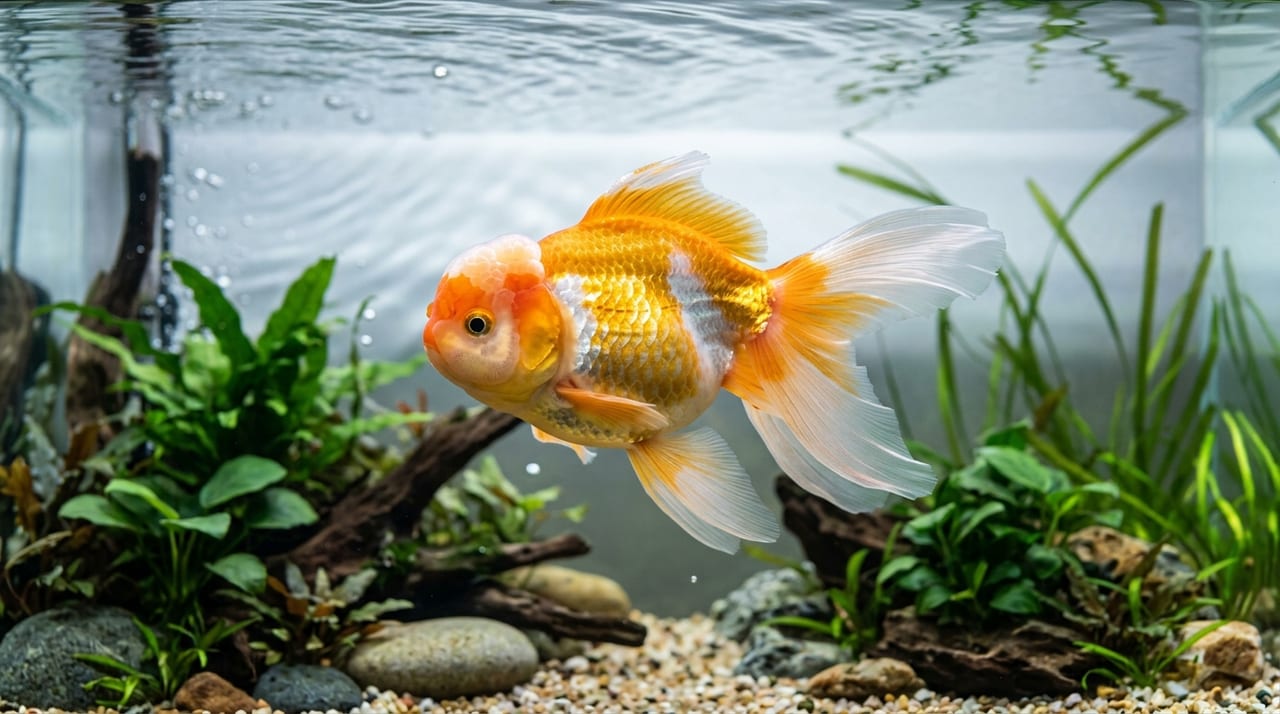
Tosa Kin (土佐錦) is a uniquely Japanese goldfish breed originating from Kochi Prefecture (formerly Tosa Province), known as the "artwork of goldfish" and the "phantom goldfish." It is a rare breed and a high-quality ornamental fish given special status even at national goldfish shows, with dedicated breeders continuing to breed and preserve the species primarily in Kochi to this day.
Basic Information
Origin: Kochi Prefecture (Tosa Province)
Body Type: Rounded, compact form. No dorsal fin (dorsal fin-less)
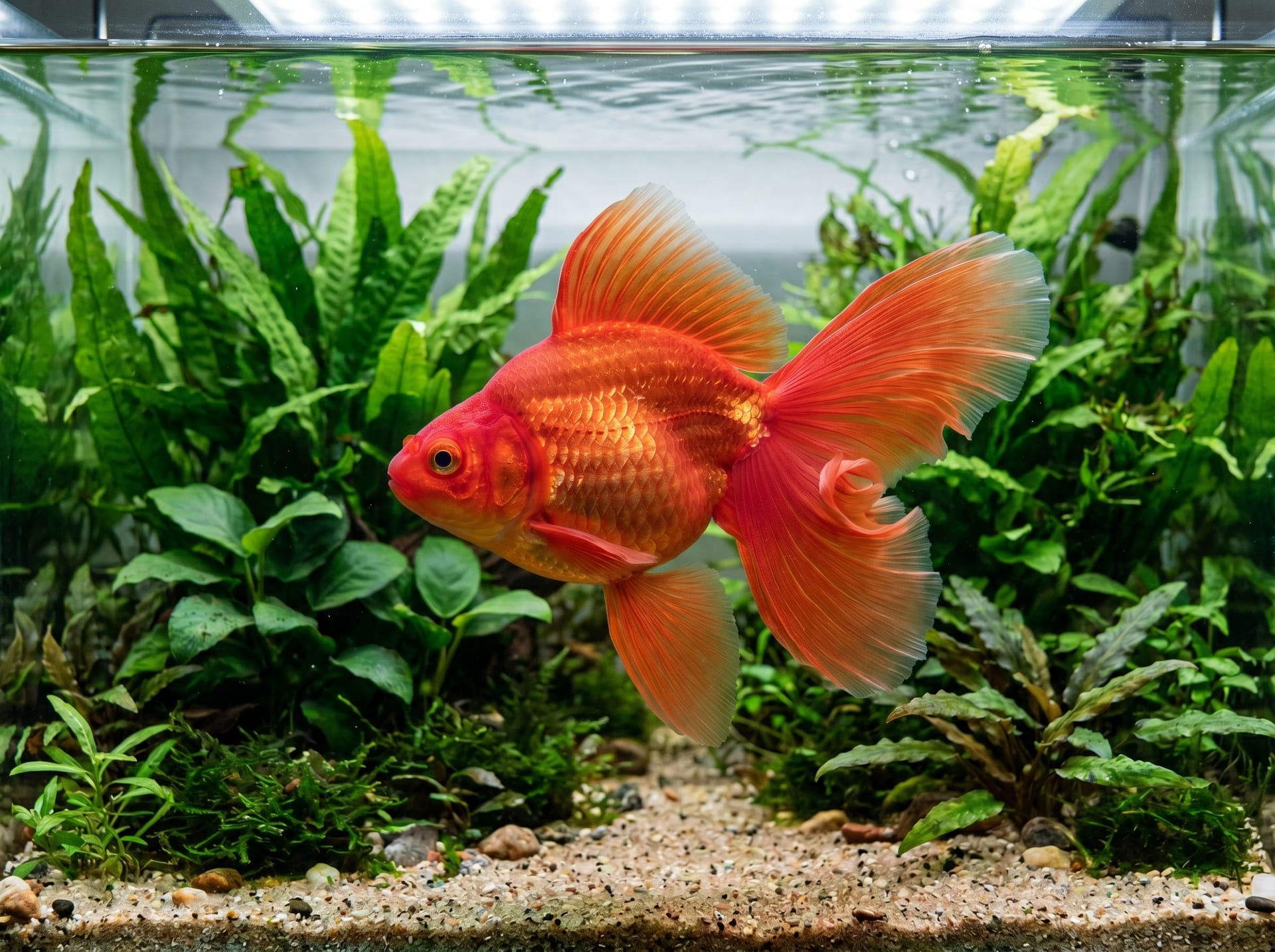
Main Characteristic: Large tail fin that folds outward (reversed tail). When viewed from above the water surface, it appears like an open fan
Coloration: Red and white (calico), solid red, solid white, etc.
Swimming: Swims slowly and gracefully, appearing to drift
The main characteristic of Tosa Kin is its unique tail fin shape. While ordinary goldfish have tail fins that extend backward, Tosa Kin have tails that fold outward at the edges—called the "reversed tail." Because this reversed tail is most beautiful when viewed from above, Tosa Kin is known as a goldfish designed specifically for top-view observation.
Breeding Basics — The Tradition of Outdoor Flat-Basin Cultivation
The traditional breeding method for Tosa Kin is outdoor cultivation in flat basins (平鉢). This is not merely a convention, but an essential method to maximize the aesthetic characteristics of Tosa Kin.
Why Flat-Basin Breeding?
Observation from Above: The reversed tail is most beautiful when viewed from above. In vertical tanks, its appeal is cut in half
Optimal Shallow Depth Promotes Natural Tail Spread: Experience shows that the shallow depth of flat basins promotes tail reversal more effectively than deeper tanks
Enhanced Coloration from Sunlight: Natural light promotes red coloration (color enhancement)
Selecting and Setting Up a Flat Basin
Material: Unglazed ceramic pots (plastic is also acceptable), typically 60–90 cm in diameter
Depth: Shallow basins approximately 15–25 cm deep
Location: Ideally facing east to south, receiving direct sunlight while avoiding intense afternoon sun in summer
Stand Height: Setting the basin at waist height makes management easier and helps protect against predators like cats
Water Quality Management
Tosa Kin is more sensitive to water quality changes than other breeds and requires delicate management.
pH: Maintain 7.0–7.5 (neutral to slightly alkaline)
Ammonia and Nitrite: Maintain at undetectable levels at all times
Water Change Frequency: Change water every 2–3 days in summer, and every 1–2 weeks in winter
Aeration: Shallow basins are prone to oxygen depletion. Use an air stone to ensure adequate oxygen supply
Temperature Management
Ideal Temperature: 18–26°C (approximately 24°C is optimal)
Summer Heat Management: Use shade cloth to reduce sunlight by 50–70% on hot days. Temperatures above 30°C risk reduced appetite and oxygen depletion death
Winter Overwintering: Below 5°C, metabolism slows and the fish enter hibernation. In regions where temperatures drop below 0°C, move the basin indoors or use insulation for warmth
Food and Color Enhancement
Feeding Basics
The rounded body of Tosa Kin puts stress on the digestive system, and overfeeding is a cause of swim bladder disease.
Feeding Frequency: 1–2 times daily
Amount: Only as much as the fish can consume in 3–5 minutes (always remove uneaten food)
Timing: Feed only when water temperature is 18°C or above. Feeding at low temperatures causes digestive issues
Using Color-Enhancing Feed
Since red and white coloration are important judging criteria for Tosa Kin, using color-enhancing feed is common practice.
Astaxanthin-Containing Feed: Carotenoid pigments that promote red coloration
Spirulina-Containing Feed: Effective for color enhancement and immune system improvement
Sunlight (Natural UV): Natural light is also important for coloration. It's one of the benefits of outdoor cultivation
Utilizing Green Water (青水)
Experienced breeders cultivate Tosa Kin in green water rich in phytoplankton (such as euglena). Green water serves as a natural source of nutrition, improving coloration, strengthening immunity, and supporting digestion. However, excessively dense green water can cause oxygen depletion, so careful management is essential.
Show Judging Criteria and Finishing Techniques
Tosa Kin shows are held annually in autumn in Kochi Prefecture, attracting Tosa Kin enthusiasts from across the country. Breeding for shows requires significantly more detailed management than regular cultivation.
Main Judging Criteria
The following points are judged at Tosa Kin shows.
1. Tail Fin Shape and Reversal (Most Important)
Is the reversal evenly distributed and symmetrical on both sides?
Does the entire tail fin spread evenly?
Are there any tears, gaps, or adhesions?
2. Body Shape Balance
Rounded, compact body form
Is the belly evenly rounded?
Is the back line graceful?
3. Color and Pattern (Beauty of Calico Patterns)
Balance of red and white coloration
Depth and vibrancy of red coloration
Originality and beauty of pattern placement
4. Elegance of Swimming
Swimming slowly and gracefully near the water surface
Does it swim stably without tilting or turning upside down?
Finishing Tips for Shows
Starting 1 Month Before the Show
Bring water quality to its optimal state
Intensify color-enhancing feed to maximize red coloration
1–2 Weeks Before the Show
Avoid sudden water quality or temperature changes to minimize stress
Reduce feeding slightly to refine body shape
Transport Precautions
Transport in oxygen bags within an insulated container
Keep transport time as short as possible to minimize stress from movement
Breeding and Fry Rearing
Tosa Kin typically breed in spring, April to May.
Spawning Temperature: 18–22°C is ideal
Spawning Substrate: Use coconut fiber or specialized spawning plants
Fry Selection: The reversed tail shape develops as the fry grow. Select based on tail fin shape, body form, and coloration; cull fry that don't meet standards early (strict selection is key to breed preservation)
Fry Density Management: Overcrowding causes deformities and poor growth
Summary
While Tosa Kin requires more delicate and labor-intensive management than ordinary goldfish, its beauty and rarity possess a special charm unmatched by other breeds.
Keys to Successful Breeding
Enjoy the beauty of top-view observation through outdoor flat-basin cultivation
Maintain clean water and avoid overcrowding and overfeeding
Maintain coloration with color-enhancing feed and sunlight
Participate in shows to connect with the Tosa Kin community
Cherish and cultivate Tosa Kin, carrying on the traditions of Kochi, and enjoy the essence of Japanese goldfish culture.