Complete Guide to Ranchu Care | Tank Management and Breeding of the King of Goldfish
Complete explanation of how to care for the "Ranchu," the king of goldfish. This guide covers optimal tank size, water quality management, species-specific precautions for dorsal-fin-less varieties, feed selection to promote wen development, and breeding methods in detail.

Key Takeaways
Complete explanation of how to care for the "Ranchu," the king of goldfish. This guide covers optimal tank size, water quality management, species-specific precautions for dorsal-fin-less varieties, feed selection to promote wen development, and breeding methods in detail.
Related Species
What is Ranchu: The Appeal of the King of Goldfish
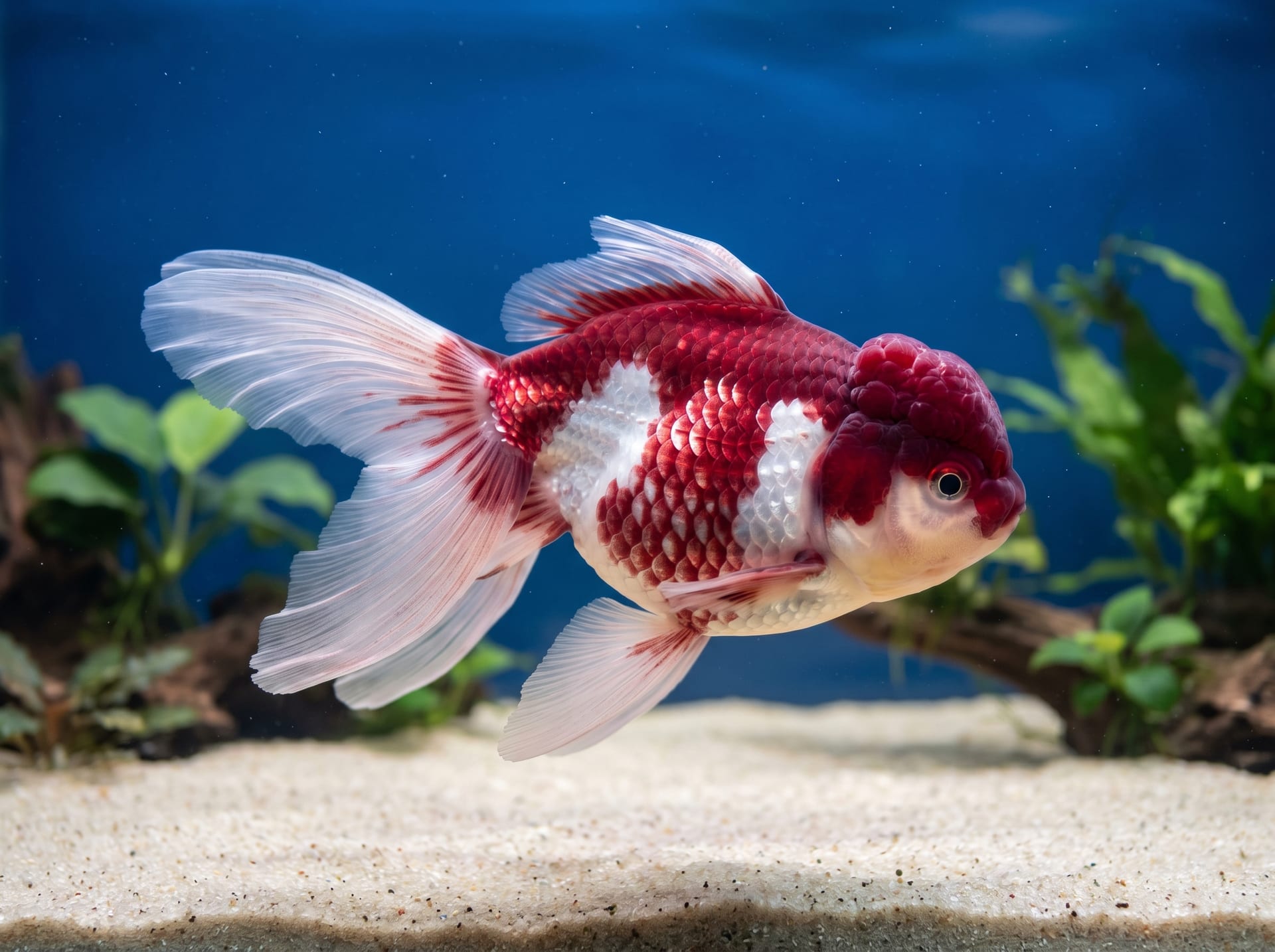
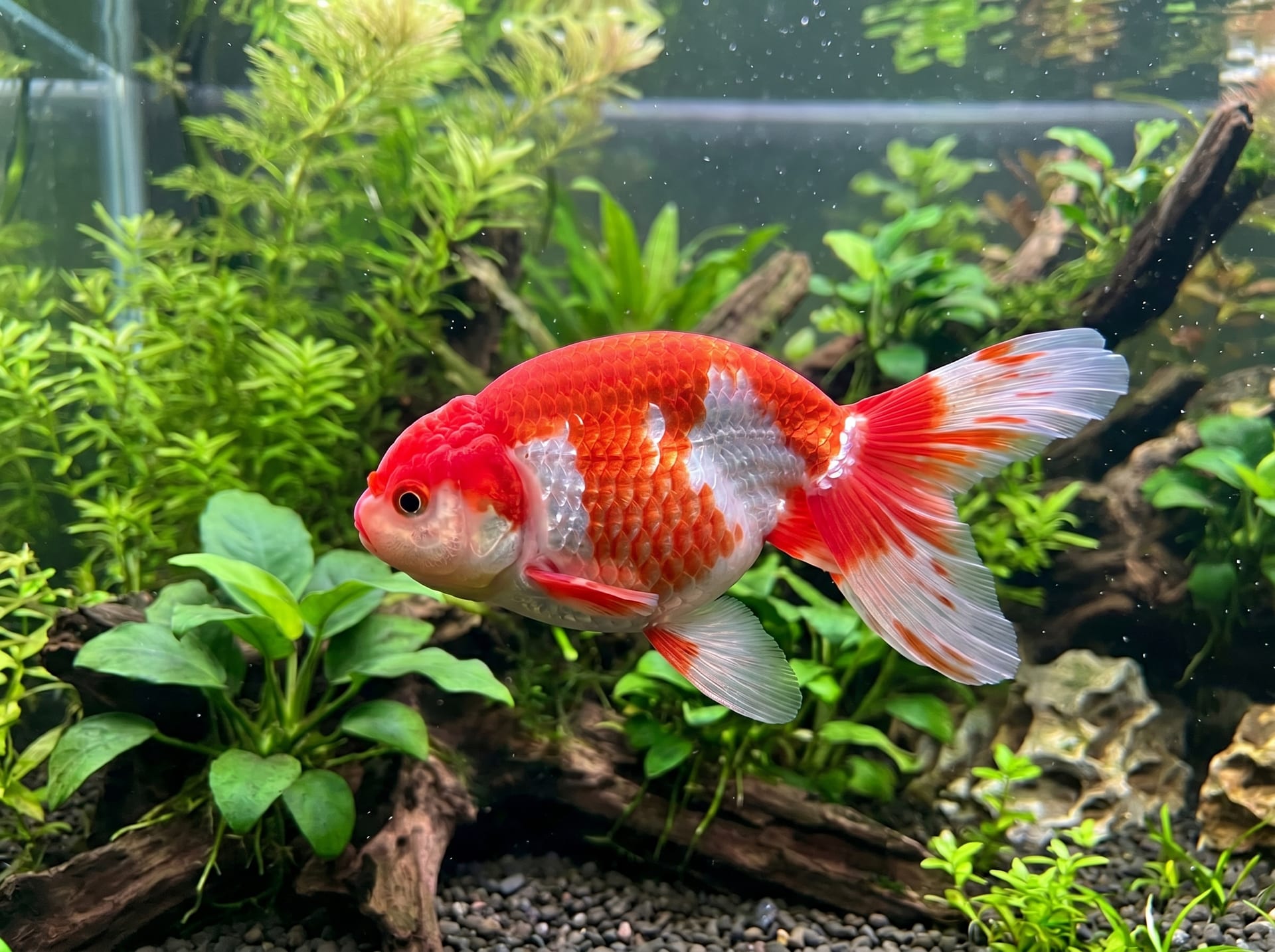
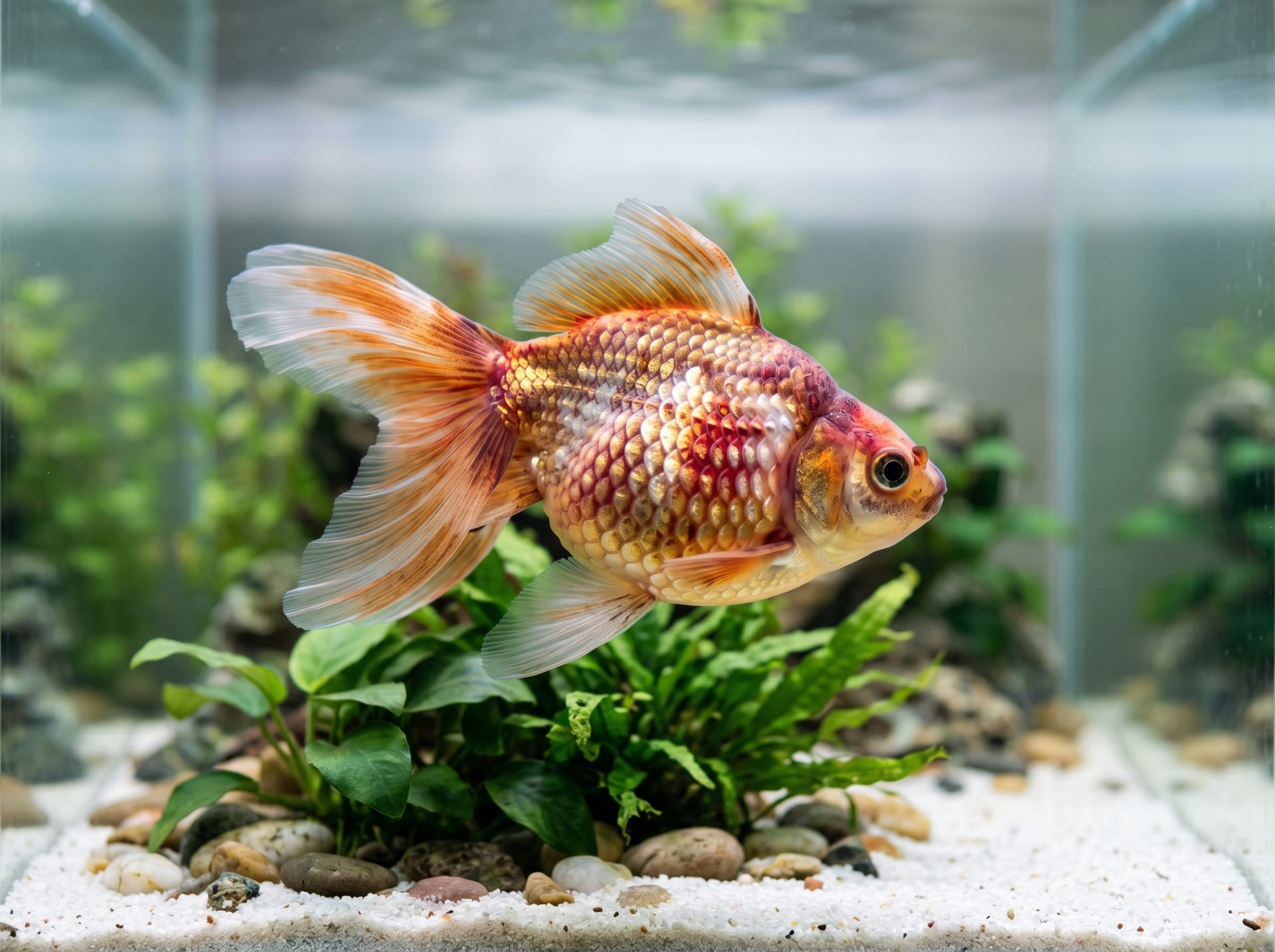
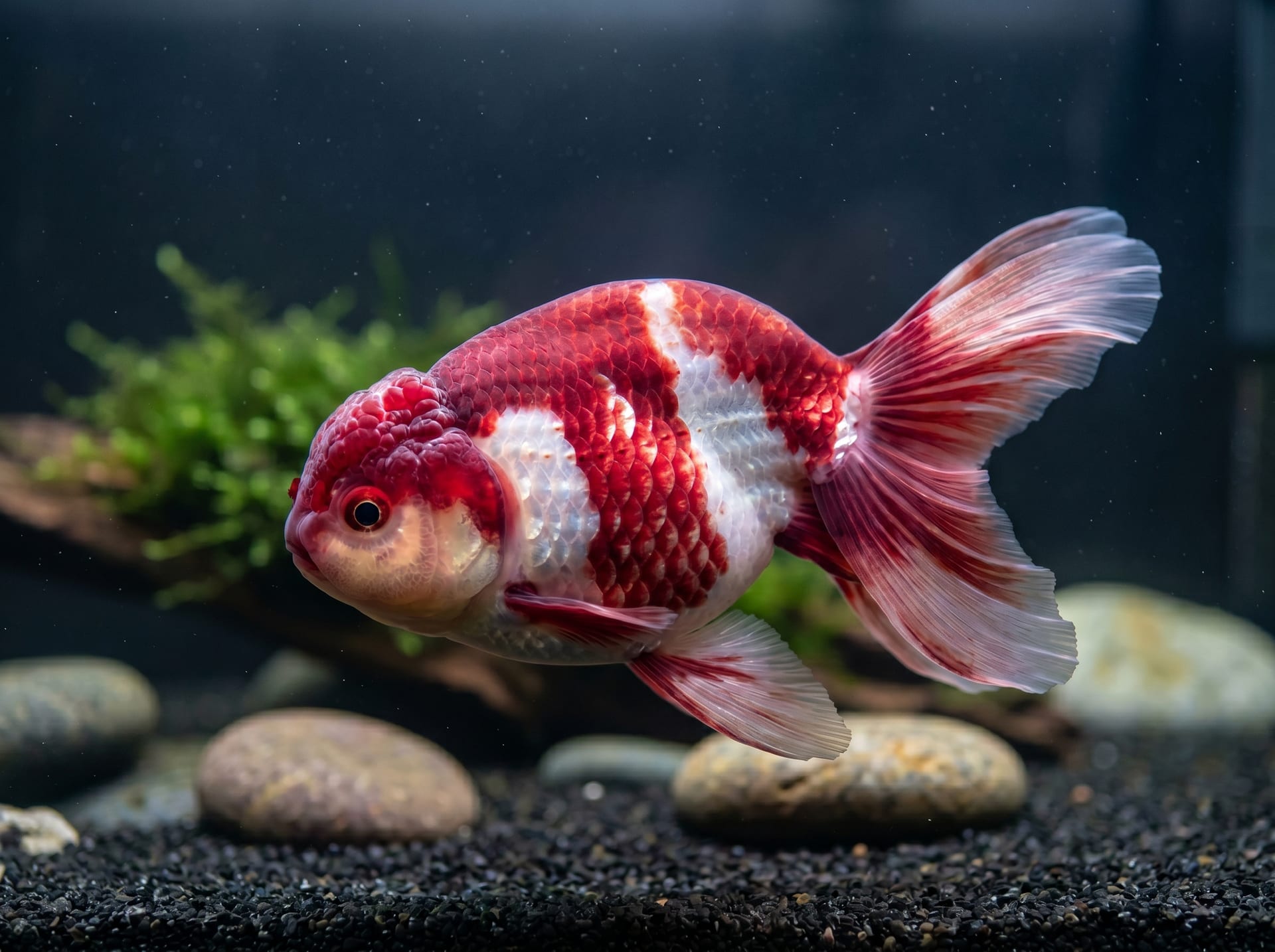
Ranchu is a premium goldfish variety characterized by a rounded body shape, prominent wen (fleshy growth) on the head, and the absence of a dorsal fin. Continuously refined since the Edo period, it is most treasured by enthusiasts as the "king of goldfish."
Ranchu Varieties and Strains
| Strain | Characteristics |
|---|---|
| Osaka Ranchu | Short body, deep wen, broad tail |
| Edo Ranchu | Relatively slender with active swimming |
| Uno Ranchu | Strongly rounded, developed for ornamental display |
| Modern Ranchu | Strain refined for exhibition |
Ranchu has a well-developed exhibition culture, with "Ranchu shows" held throughout the country. By purchasing directly from breeders, you can obtain high-quality individuals with clear bloodlines.
Required Rearing Environment
Tank Size and Shape
Ranchu are best kept in shallow and wide tanks. Deep tanks increase the risk of swim bladder disease (a buoyancy disorder), so a water depth of 20-30 cm is generally recommended.
| Number | Recommended Size | Water Volume |
|---|---|---|
| 1-2 | 60 cm horizontal tank | ~60 L |
| 3-5 | 90 cm tank | ~150 L |
| 6 or more | Pond or large container | 200 L+ |
Outdoor rearing (in concrete ponds) is also common practice, though water temperature management is necessary during winter.
Filtration
Ranchu are voracious eaters with high waste output. Proper filtration is key to maintaining their health.
- Top filter: Large filter media capacity, the standard for goldfish
- Undergravel filter (air-lift type): Produces minimal current, ideal for Ranchu
- Hang-on filter: Often insufficient as a standalone solution
- Sponge filter (supplementary): Effective for fry tanks and auxiliary use
Water Parameters
| Parameter | Target Range |
|---|---|
| pH | 7.0–8.0 |
| Temperature | 15–28°C (ideal 20–25°C) |
| Ammonia | 0 ppm |
| Nitrite | 0 ppm |
| Nitrate | ≤40 ppm |
Feeding and Wen Development
Feed Selection for Wen Development
To develop the wen (head bump), which is Ranchu's defining feature, high-protein and high-calorie feed is necessary.
Recommended Feed Combinations (for Adult Fish)
- Specialized sinking pellets (high-protein formulation for Ranchu): Primary diet
- Bloodworms (frozen or dried): 2–3 times per week
- Daphnia and brine shrimp: Effective for wen development and digestive support
- Algae and green water: Natural supplemental food in outdoor cultivation
Feeding Amount and Frequency
- Adults: 2–3 times daily, an amount consumed in 3–5 minutes
- Fry stage: 4–6 times daily
- Temperature ≤15°C: Reduce feed amount (digestion slows)
- Temperature ≤10°C: Essentially no feeding
Note: Because Ranchu lack a dorsal fin, they tire easily in strong currents. Feed them in low-flow areas or temporarily reduce filtration during feeding.
Water Changes and Daily Management
Water Change Frequency
| Season | Frequency | Change Amount |
|---|---|---|
| Spring/Fall | Once per week | 1/3–1/2 |
| Summer (high temperature) | 1–2 times per week | 1/3 |
| Winter (low temperature) | Once every 2 weeks | 1/4–1/3 |
Daily Checklist
- Morning behavior check: Ensure Ranchu are not floating near the surface or resting on the bottom
- Appetite: Changes in feeding behavior signal illness
- Visual inspection: Check fins, scales, and wen for damage, redness, or white spots
- Water clarity: Monitor for cloudiness, green tint (green water), or brown discoloration (excessive algae)
Prevention and Treatment of Swim Bladder Disease
Round-bodied varieties including Ranchu (such as ping-pong pearl and bubble-eye goldfish) are at high risk for swim bladder disease.
Main Causes of Swim Bladder Disease
- Digestive upset: Excessive intake of floating food that causes air swallowing
- Rapid temperature fluctuations: Impairs swim bladder function
- Bacterial infection: Can result from internal organ disease
- Genetic predisposition: Risk increases in rounder body types
Prevention Tips
- Use sinking food (prevents accidental air ingestion)
- Avoid rapid temperature changes (use air conditioning and heaters for stability)
- Fast for 2–3 days to reset digestion
- Keep water shallow to promote easier swimming
Ranchu Breeding
Breeding Season
The optimal breeding season for Ranchu is spring (March–May). Spawning occurs when water temperature reaches 14–18°C, at which point breeding behavior becomes visible.
Distinguishing Male from Female
| Area | Male | Female |
|---|---|---|
| Inner pectoral fin | White breeding tubercles appear | No tubercles |
| Abdomen | Relatively slim | Swollen before spawning |
| Vent | Slightly recessed | Protruding |
Breeding tubercles appear only during breeding season, so check during spring when water temperature rises.
Spawning Setup and Fry Rearing
- Place a spawning substrate (aquatic plants or spawning mat) in the tank
- Add the male first, then introduce the female the next morning to encourage spawning
- Remove the parents after spawning (they will eat the eggs)
- Maintain water temperature at 24–26°C with aeration until hatching
- From day 3 post-hatch, provide nutrient-rich food (such as brine shrimp)
Fry selection is a crucial step in the hobbyist world, with ongoing selection based on body shape, wen development potential, and swimming uniformity as they grow.
Points to Consider When Purchasing from a Breeder
Ranchu exhibit significant quality variation. When using breeder direct-sales services like BreederDirect, verify the following:
- Bloodline and show records: Parent fish's exhibition awards are a quality indicator
- Breeding environment disclosure: Difficulty of environmental transition varies depending on whether the fish was raised indoors or in outdoor concrete ponds
- Wen development status: Confirm the current wen size and future growth potential at time of purchase
- Shipping capability: Choose breeders with experience maintaining fish condition during long-distance transport
Conclusion
Although Ranchu require some care, their beauty and the depth of the exhibition culture offer an experience that stands at the pinnacle of goldfish keeping. By following the basics—shallow and wide tanks, sinking food, and stable water quality—even beginners can maintain them long-term. Acquire high-quality bloodline specimens directly from breeders and enjoy the journey of carefully developing their wens.