Tamasaba Goldfish: Care and Lifespan | Complete Guide to a Rare, Round-Bodied Wahon-Type Variety
Tamasaba is a rare goldfish variety originating from Yamagata Prefecture. Based on expert knowledge, this guide explains rearing environment, water quality management, diet, expected lifespan, and breeding methods for Tamasaba, which are characterized by a round body and long single tail.
Key Takeaways
Tamasaba is a rare goldfish variety originating from Yamagata Prefecture. Based on expert knowledge, this guide explains rearing environment, water quality management, diet, expected lifespan, and breeding methods for Tamasaba, which are characterized by a round body and long single tail.
Tamasaba is a rare goldfish variety said to originate from the Chuetsu region of Niigata Prefecture (a hybrid of Ryukin and Shonai goldfish). It is characterized by a round body shape and long single tail (funa tail), combining the slim body type of Wahon with the round body shape of Ryukin-type goldfish, creating a unique appearance. It is a rare variety rarely found in typical pet shops and is primarily available from specialist breeders throughout Japan and at goldfish shows.
Basic Information on Tamasaba
Item
Details
Japanese Name
Tamasaba
English Name
Tamasaba Goldfish
Origin
Japan (Chuetsu region, Niigata Prefecture)
Total Length
15–30 cm (depending on rearing environment)
Lifespan
10–15 years
Body Type
Round egg-shaped body + long single tail
Care Difficulty
Intermediate
Characteristics and Appeal of Tamasaba
✍️
BreederDirect Editorial
The BreederDirect editorial team specializes in care information for animals, covering veterinary care and breeding to deliver beginner-friendly guides.
Find Goldfish on BreederDirect
Buy directly from verified breeders
Browse Related Listings
Find Goldfish listings related to this article on BreederDirect. Buy directly from verified breeders.
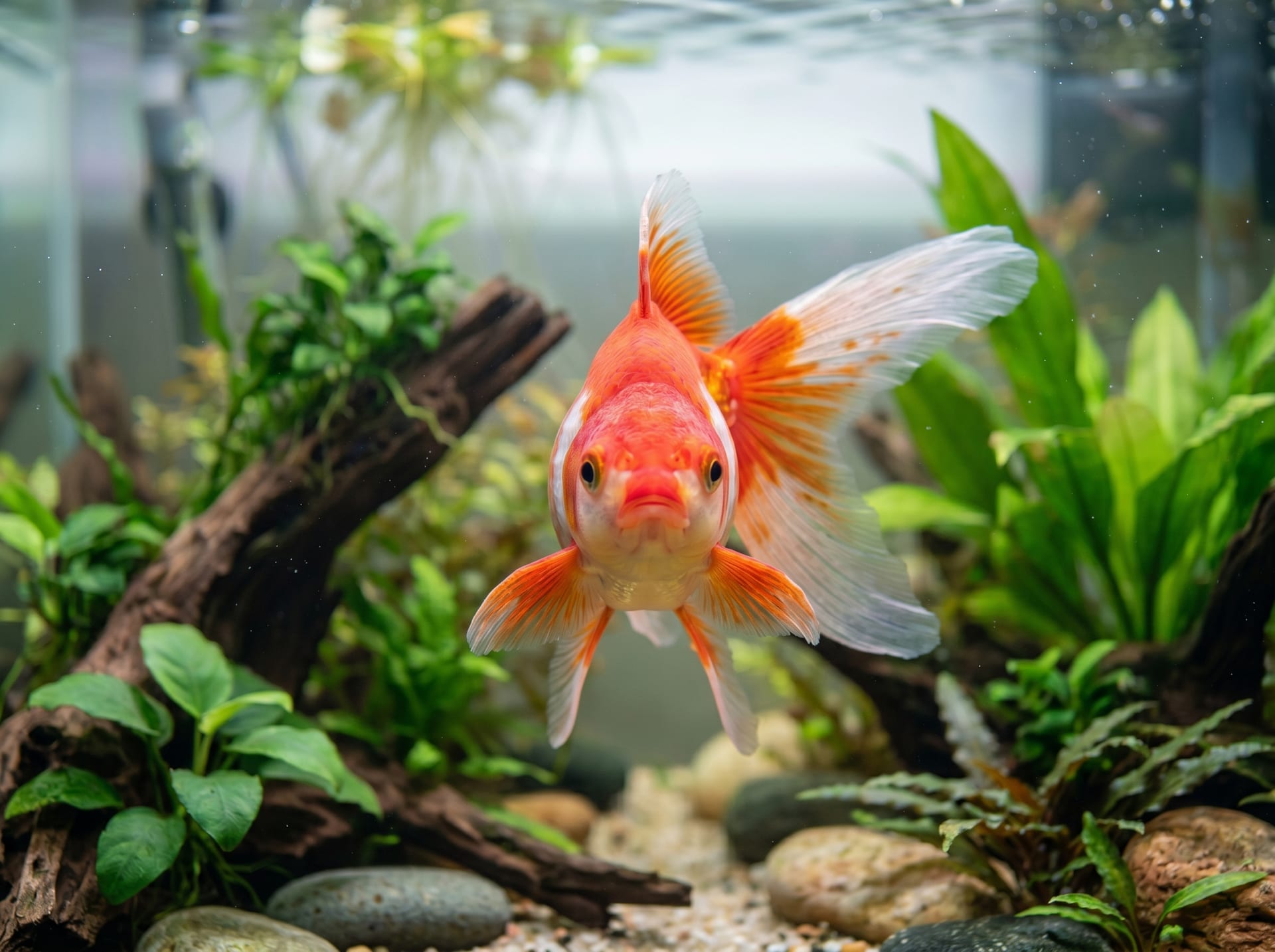
Tamasaba has the following external characteristics.
Body Shape: When viewed from the side, an almost spherical, rounded body
Tail Fin: A single tail (funa tail, swallow tail) that is long and spreads in a flowing manner
Body Color: Red or sanshoku (red and white) are most typical; black and white varieties also exist
Dorsal Fin: Present (Wahon-type)
Despite their round body shape, Tamasaba swim relatively well with their single tail, so their movements are more brisk than long-tailed varieties (Ryukin, Dutch-type goldfish).
Setting Up a Rearing Environment
Tank Size
Tamasaba can grow to nearly 30 cm when fully mature. A 60 cm or larger tank is essential, and a 90 cm tank is ideal for optimal space.
Filtration
Goldfish produce large amounts of waste, making a powerful filtration system essential.
External filter (suitable for 60–90 cm tanks)
Top-mounted filter (standard for goldfish keeping)
Undergravel filter (can be combined with substrate filtration)
Water Quality Management
Water Temperature: 18–24 °C (goldfish have high cold tolerance but avoid sudden changes)
pH: 7.0–7.5 (slightly alkaline)
Ammonia and Nitrite: 0 mg/L
Water Change Frequency: Once weekly, 1/3 to 1/2 of tank volume
Tamasaba have somewhat reduced swimming ability (due to their round body shape), so water flow should be kept minimal. Strong currents can cause exhaustion.
Lifespan and Tips for Longevity
The average lifespan of Tamasaba is 10–15 years, and there are records of them living over 20 years under proper care. They are relatively hardy among goldfish varieties.
Main Factors That Shorten Lifespan
Water Quality Deterioration: Accumulation of ammonia, nitrite, and nitrate
Overcrowding: Increased waste leads to rapid water quality decline
Sudden Water Temperature Changes: Changes of 10 °C or more cause stress and disease
Malnutrition or Overfeeding: Obesity causes internal organ disease and swim bladder disorder
Overlooked Illness: Delayed treatment of white spot disease or dropsy
Five Tips for Longevity
Regular Water Quality Testing: Check ammonia and nitrate levels weekly
Appropriate Feeding Quantity: Feed twice daily, only an amount that can be eaten in 5 minutes. Reduce frequency in winter
Stable Water Temperature Management: Use a heater (winter) or air conditioning to prevent sudden changes
Generous Stocking Density: A limit of 2–3 fish per 60 cm tank is recommended
Quarantine for New Fish: Always isolate new goldfish for 2 weeks of treatment before adding to the main tank
Feeding and Feeding Management
Tamasaba are omnivorous with vigorous appetites, but their round body shape puts them at risk for swim bladder disorder.
Main Food: Goldfish-specific sinking pellets (floating food carries the risk of gulping air)
Supplementary Food: Frozen bloodworms, dried shrimp (1–2 times weekly)
Avoid: Excessive high-fat feeds
Using sinking pellets reduces the risk of swim bladder disorder.
Measures Against Swim Bladder Disorder
Tamasaba and other round-bodied goldfish varieties are at risk of swim bladder disorder (bladder malfunction).
Prevention Points for Swim Bladder Disorder
Use sinking pellets
Keep water temperature at 18 °C or higher (swim bladder risk increases at lower temperatures)
Avoid overfeeding
Maintain stable water quality
How to Handle Swim Bladder Disorder
Fast the fish for 1–3 days
Raise water temperature to 22–25 °C
Perform salt bathing (0.5% saline solution)
If no improvement, consult a specialist veterinarian
Breeding Tamasaba
Tamasaba breeding occurs in spring (when water temperature exceeds 15 °C).
Breeding Preparation
Sexing: Males develop white breeding tubercles on the gills and pectoral fins during breeding season
Spawning Tank: A dedicated tank equipped with spawning substrate (willow moss, spawning mop)
Temperature Management: Set to 18–20 °C; creating a morning-evening temperature differential promotes spawning
Spawning to Fry Rearing
Spawning typically occurs early in the morning (egg count can reach thousands)
Remove adult fish after spawning (they eat eggs)
At 20 °C water temperature, hatching occurs in 3–5 days
Begin feeding fry on infusoria and brine shrimp
How to Obtain
Since Tamasaba are a rare variety, they are almost never found in typical pet shops. The following routes are realistic for obtaining them:
Direct Purchase from Specialist Breeders: The most reliable way to obtain healthy individuals
Goldfish Shows: Purchase or receipt at shows held nationwide
Online Specialty Aquatic Markets: Platforms where breeders list animals
Goldfish Specialty Shops in Niigata Prefecture: Acquisition from areas near Tamasaba's origin
Summary
Tamasaba are Wahon-type goldfish prized for their rarity and distinctive body shape. By providing appropriate rearing conditions (sufficient tank size, powerful filtration, and regular water quality management), you can help them live their full 10–15 year lifespan. Manage swim bladder risk through sinking pellets and appropriate feeding quantities, and raise this rare variety with care. Obtaining from breeders allows you to acquire healthy individuals and receive ongoing care support.