Goldfish Fin Injury and Recovery Care Guide | Physical Damage, Tears, and Infection Prevention for Long-Tailed Varieties
Learn how to treat cracked, chipped, or eroded goldfish fins. This guide covers the causes of trauma common in long-tailed varieties (ryukin, telescope eye, and ranchu) and care methods to prevent progression to infection.
Key Takeaways
Learn how to treat cracked, chipped, or eroded goldfish fins. This guide covers the causes of trauma common in long-tailed varieties (ryukin, telescope eye, and ranchu) and care methods to prevent progression to infection.
Related Species
Fin damage is a serious risk for goldfish
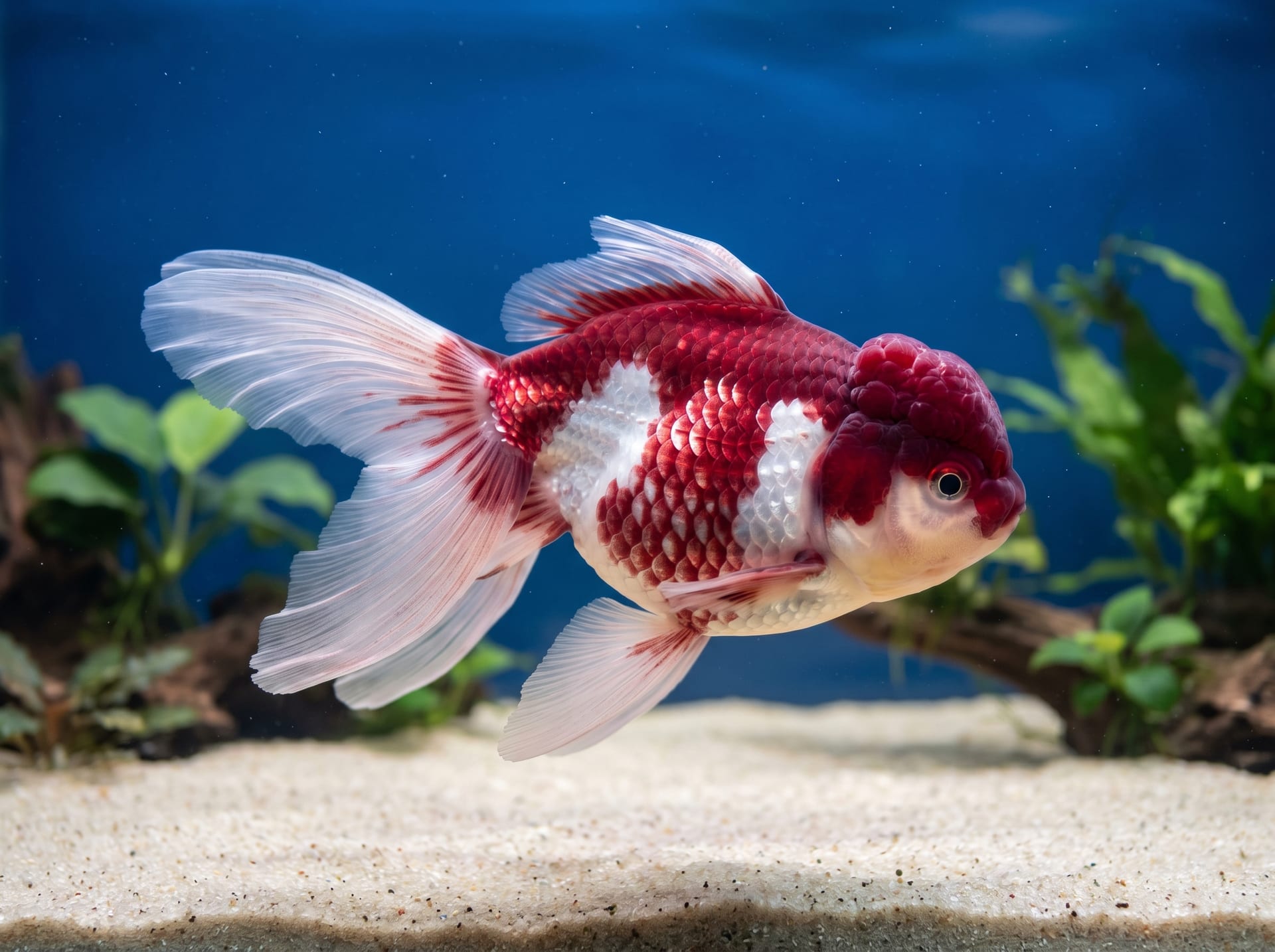
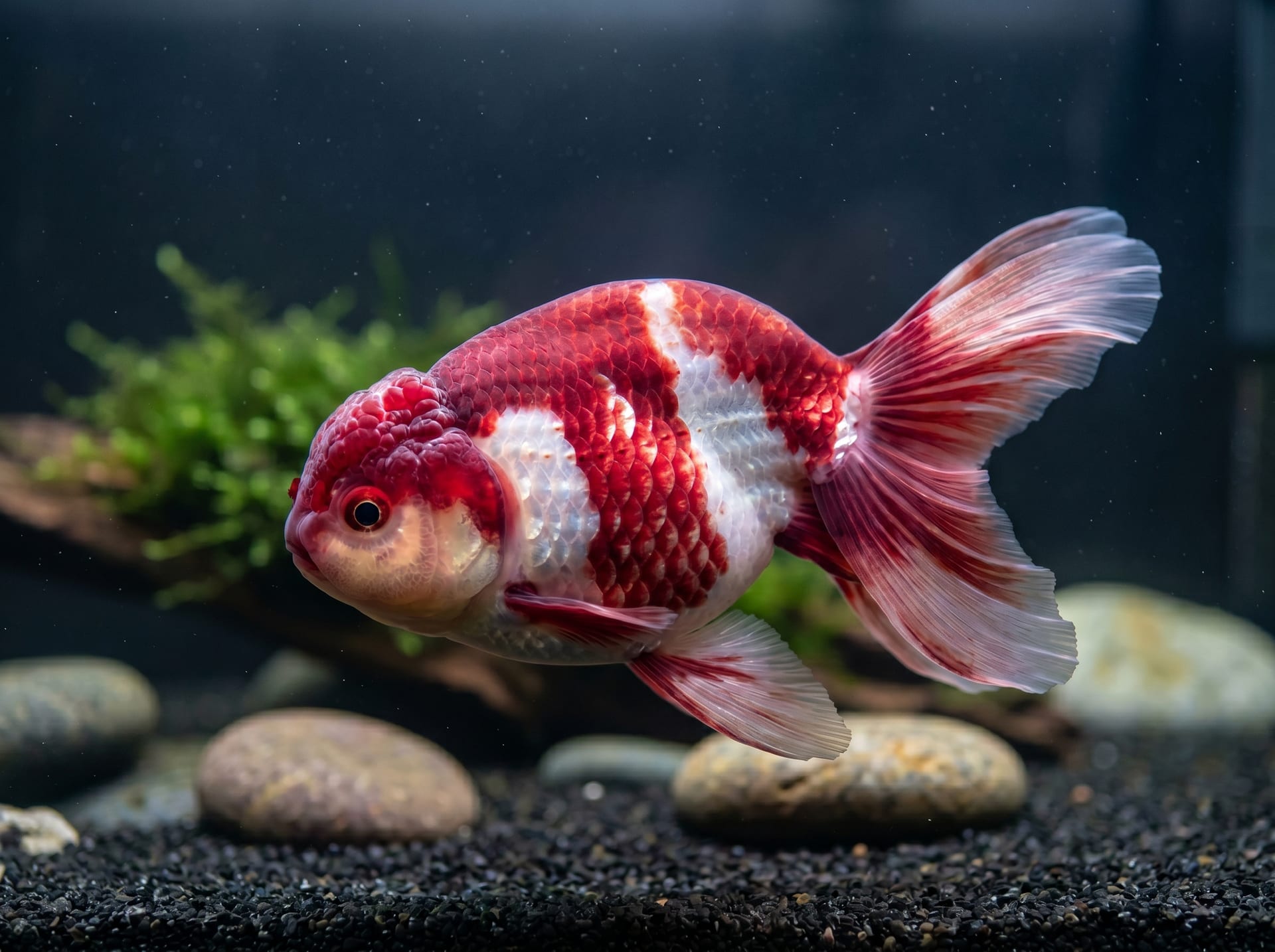
In goldfish varieties like ryukin, telescope eye, and orandas—prized for their long tail and pectoral fins—fin damage is not uncommon. However, if left untreated, it can progress to tail rot (columnaris disease) or secondary bacterial infections, and in the worst case, necrosis can extend to the base of the fin, making recovery impossible. Correct diagnosis of injuries and proper initial treatment and regeneration care are essential skills for long-term care of long-tailed varieties.
Main causes of fin damage and how to distinguish them
Fin damage falls into two categories—"physical trauma" and "losses due to infection"—each requiring different treatment approaches.
The most common cause of physical trauma is fin nipping from tankmates. When multiple goldfish are kept in the same tank, dominant individuals may peck or bite the fins of weaker ones. Contact with driftwood, decorative rocks, or sharp decorations in the tank, as well as entanglement in nets or pump covers, can also cause damage. If the filter intake is not properly protected with fine mesh, fins can be sucked in and torn.
Distinguishing infection (tail rot) from physical trauma depends on the appearance of the damaged area. Physical trauma shows clean, straight tears with sharp edges. In contrast, columnaris-induced tail rot causes fins to become cloudy and irregularly eroded from the tips, and as it progresses, redness and congestion develop. If the fin edges appear to have a white border, suspect infection strongly and begin isolation and treatment immediately.
Initial response: Immediate post-injury treatment
When physical fin tears are discovered, follow these steps:
① Isolate: Move the injured fish to a quarantine/treatment tank (approximately 30–45 liters). This prevents further attacks from tankmates and allows the fish to focus on recovery in a calm environment.
② Stabilize water parameters: Dechlorinate the water and match the temperature of the main tank (temperature changes should not exceed ±1°C). Maintaining water temperature at 24–26°C accelerates fin regeneration.