AI-generated image
Tamasaba
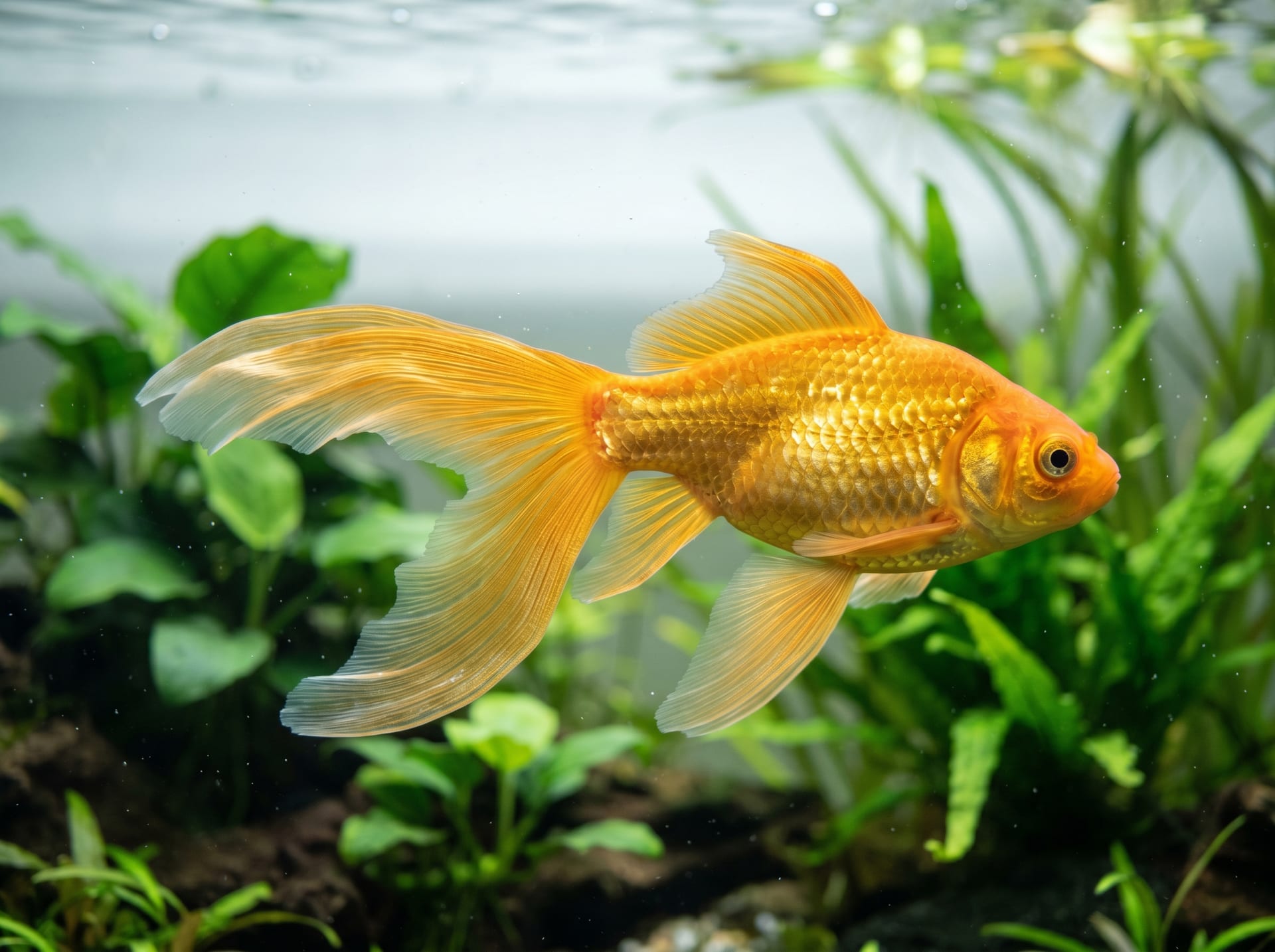
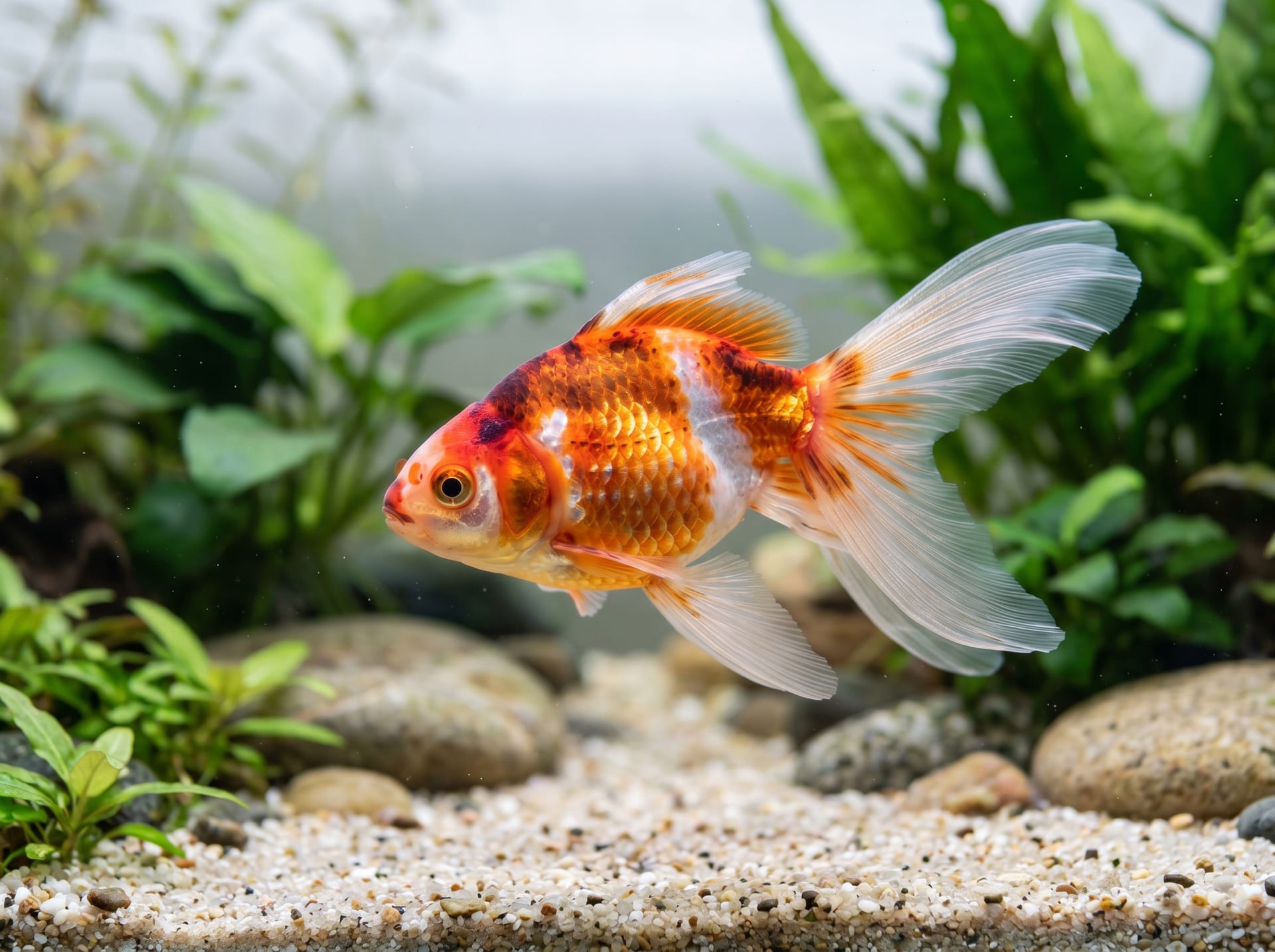
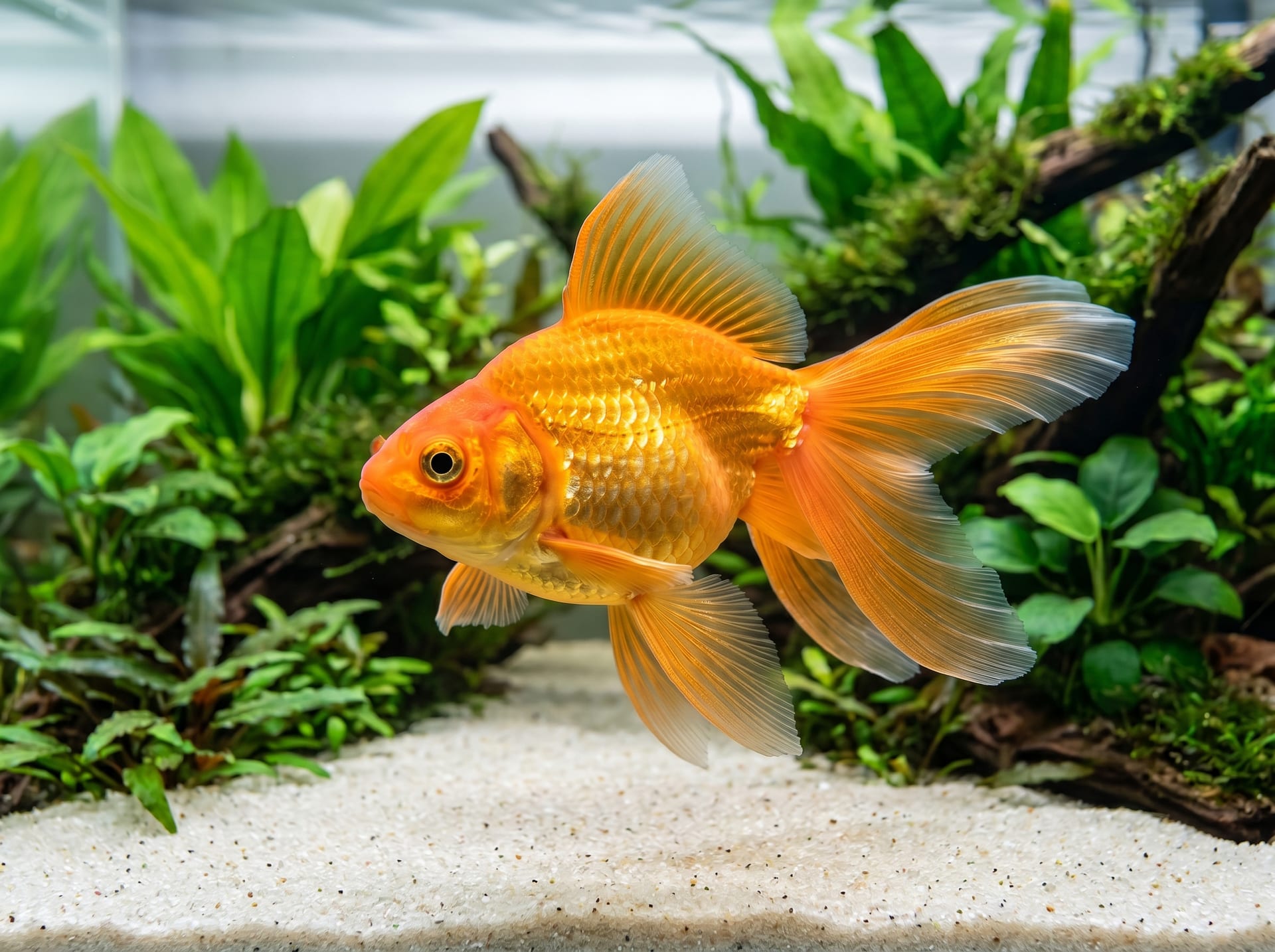
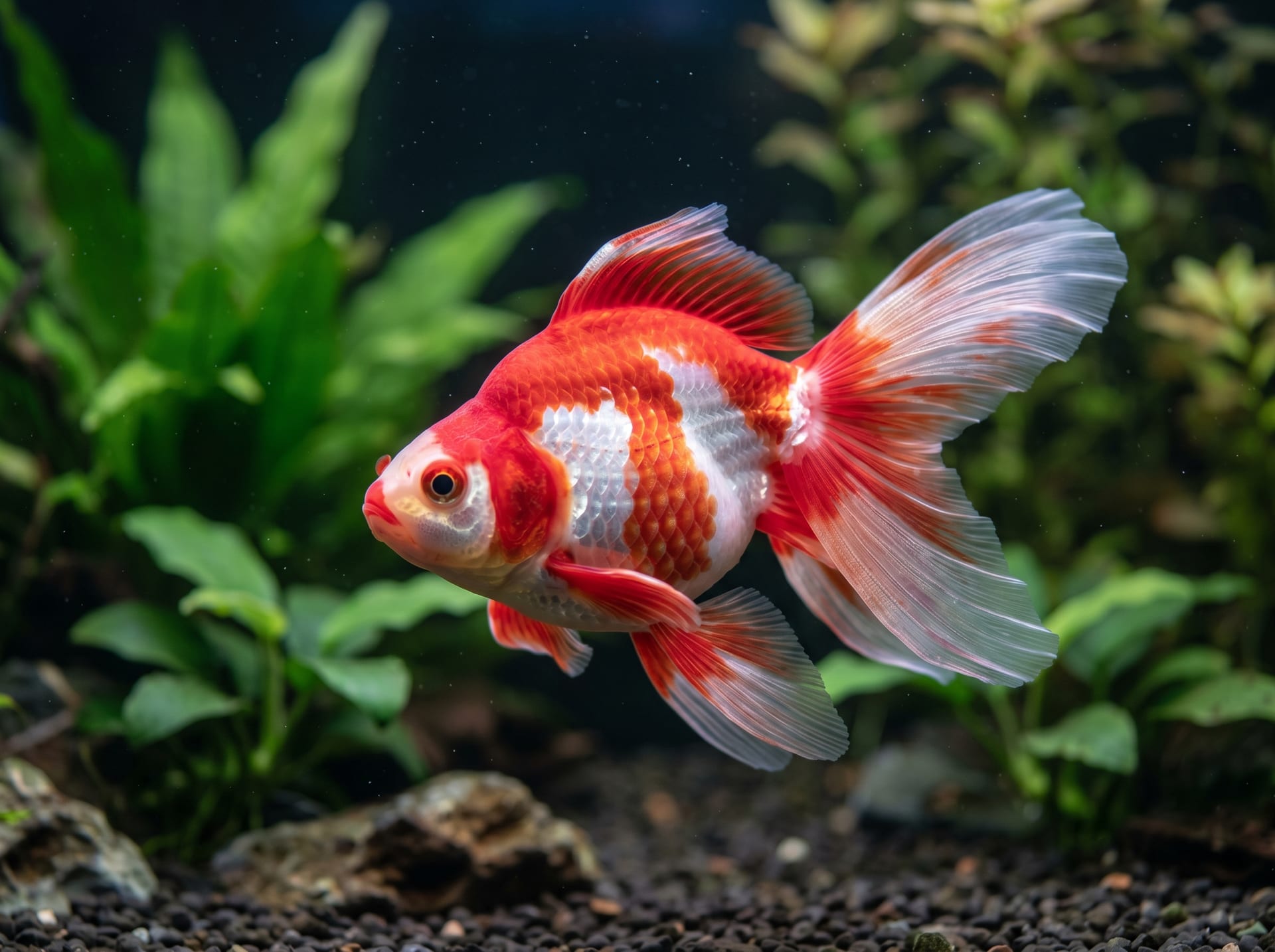
BeginnerOriginated in Yamagata. Ryukin body with wakin-like long tail. Hardy, suitable for outdoor ponds, and strong swimmer.
Difficulty
Beginner
Temperature
5〜30℃
Lifespan
10-15 years
Size
15-25cm
Diet
Goldfish pellets
About
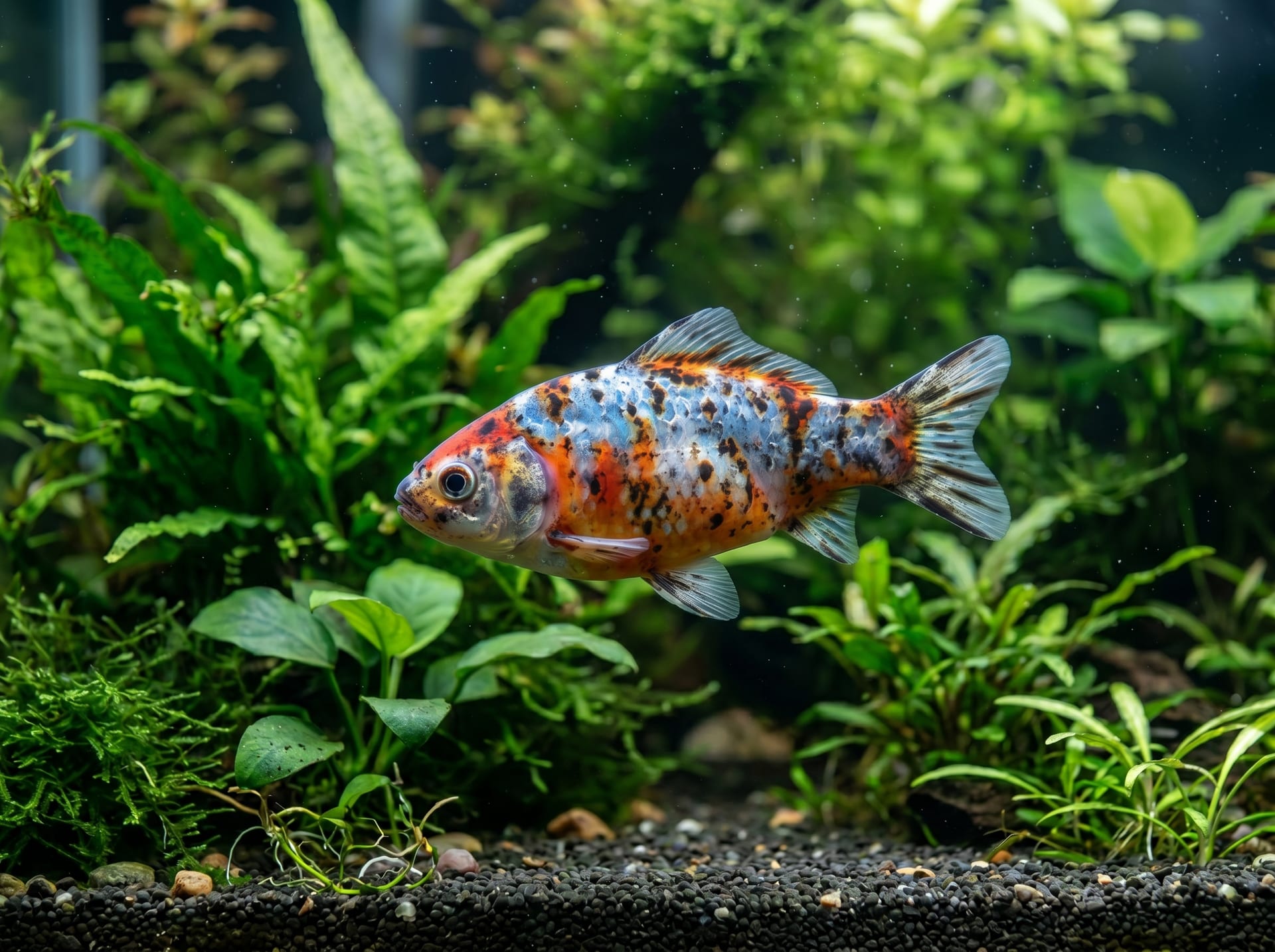
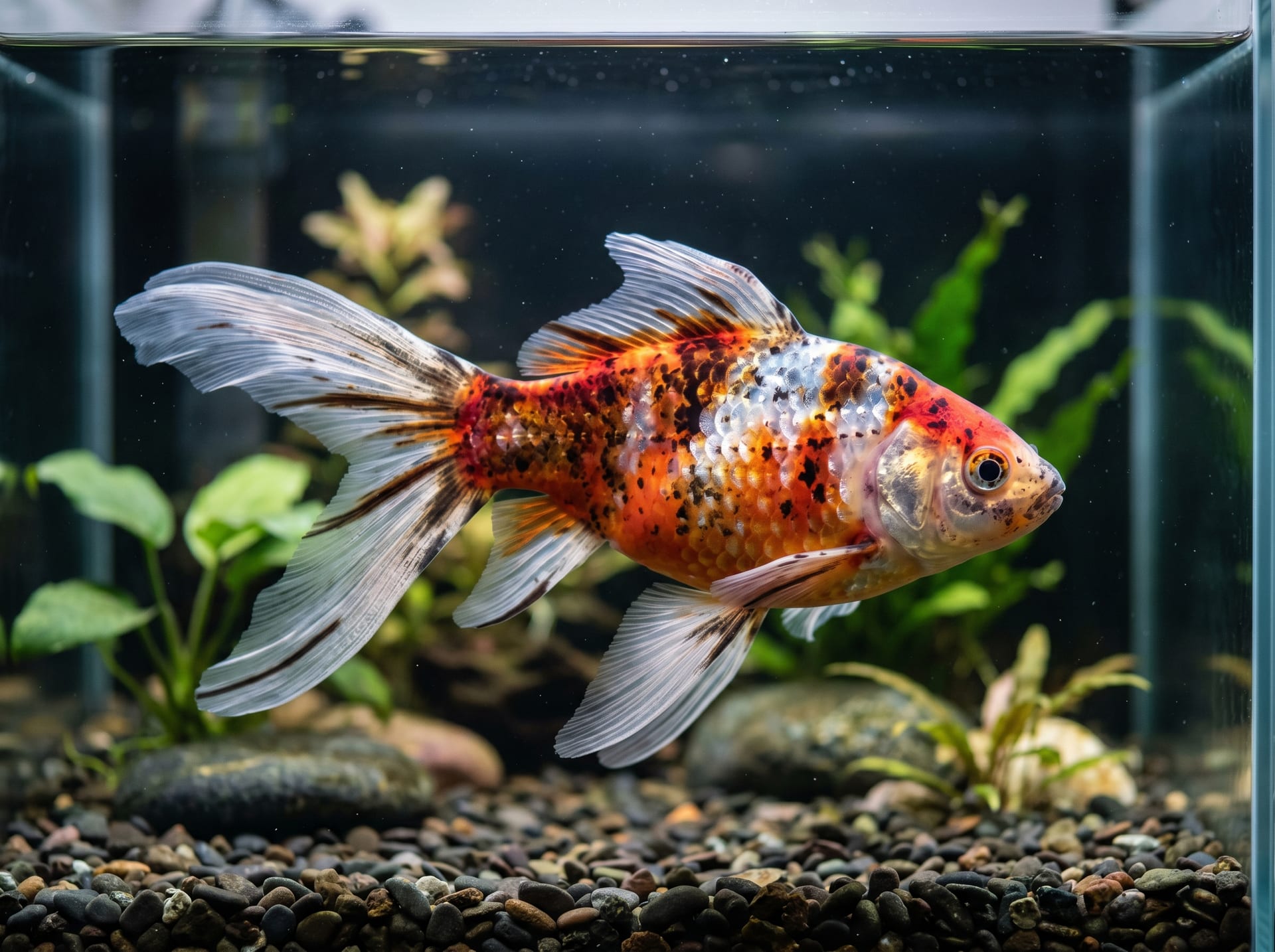
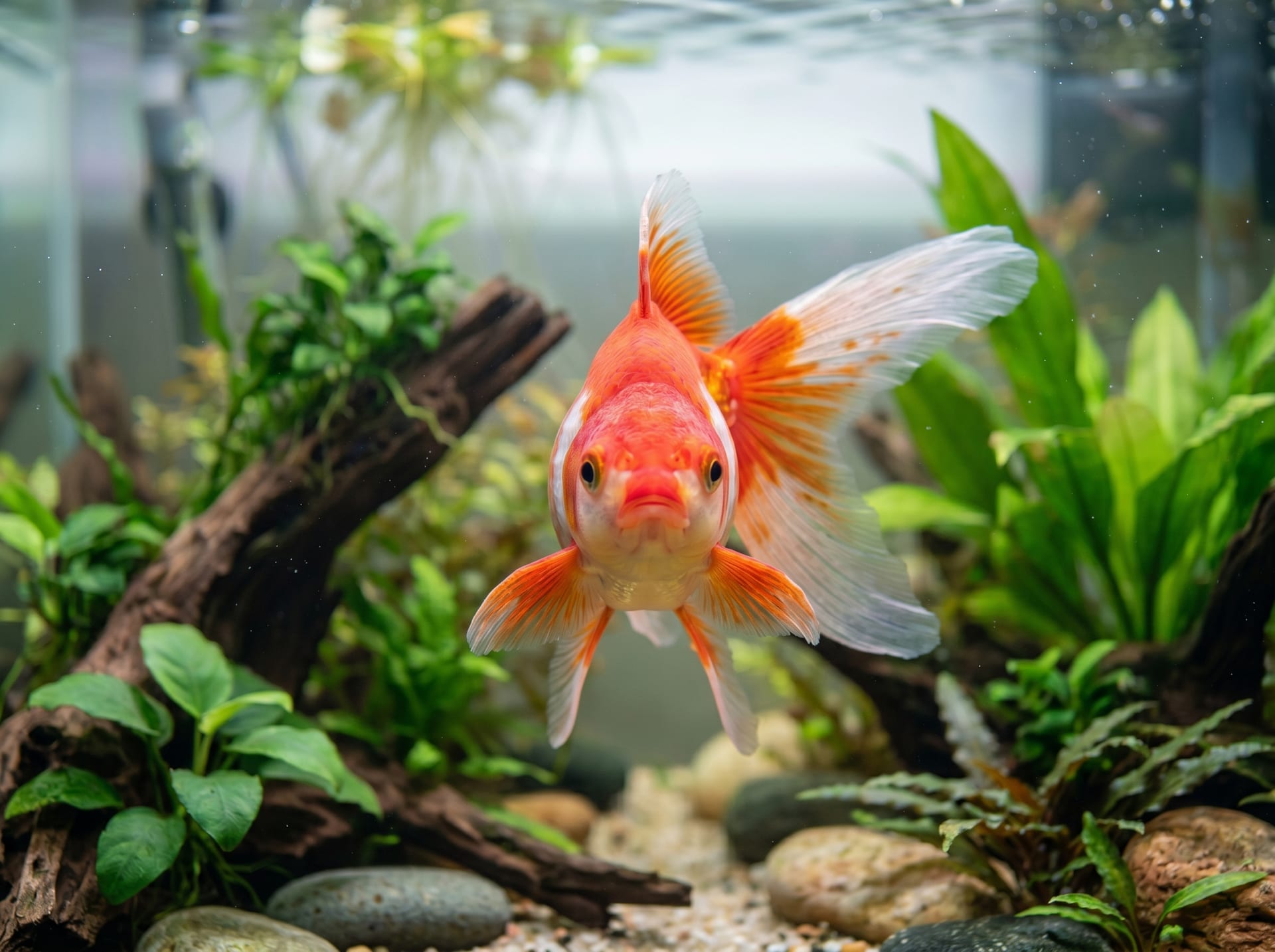
The Tamasaba, also known as Sabao, is a rare Japanese goldfish variety originating from Niigata and Yamagata Prefectures in northern Japan. It is distinguished by combining a round, Ryukin-like body with a long, flowing single (mackerel-style) tail fin—an unusual pairing that creates a unique visual balance. The most common coloration is red-and-white sarasa; other color variations are uncommon. It is active and hearty with a strong appetite. Somewhat uncommon outside its native region, the Tamasaba is cherished in the Tohoku region as a local heritage breed.
Source: Wikipedia (CC BY-SA 4.0)
Lifespan of the Tamasaba
The Tamasaba lives 10-15 years.
Size of the Tamasaba
The Tamasaba grows to 15-25cm.
Temperature & humidity for the Tamasaba
The ideal water temperature for the Tamasaba is 18〜23℃.
The Tamasaba is exceptionally cold-hardy, thriving across a wide temperature range of 5–30°C, which makes it one of the few fancy goldfish varieties truly suited to unheated outdoor pond keeping in cold climates.
Basic Info
Origin
Japan (Niigata and Yamagata Prefectures)
Lifespan
10-15 years
Size
Care Specifications
- pH
- 6–8
- Hardness (GH)
- 5–19 dGH
- Water Temp.
- 18–23℃
PeacefulGroupBreeding: Moderate
Sources: FishBase / Aqueon Goldfish Care Guide
Morphs (Varieties)
Goldfish varieties are line-bred for body shape, tail type, scale type, and coloration. Traits such as protruding eyes, transparent scales (calico), and albinism are single-locus traits.
Line-bredEstablished by selective line breeding.
Deep body / dorsal humpSingle tail (wild-type fin)
Sources: Wikipedia - Goldfish (Varieties) / Goldfish — Wikipedia (Japanese edition, varieties)
A curated selection of notable morphs. Inheritance modes are a breeding-planning guide; actual appearance varies with combos.
References & Sources
Edited & verified by: BreederDirect editorial team
The taxonomic, regulatory, and husbandry data on this page are compiled and verified against the authoritative primary sources below.
Taxonomy & Authority
Accepted name: (Linnaeus, 1758)
Synonyms: Cyprinus auratus Linnaeus, 1758, Carassius auratus auratus (Linnaeus, 1758), Cyprinus thoracatus Valenciennes, 1842, Carassius burgeri Temminck & Schlegel, 1846, Cyprinus chinensis Gronow, 1854
Authority databases: FishBase · GBIF · FishBase: Carassius auratus · GBIF: Carassius auratus
Nomenclature follows global taxonomic authority databases.
Tamasaba Listings
Loading latest listingsFind listings for this species