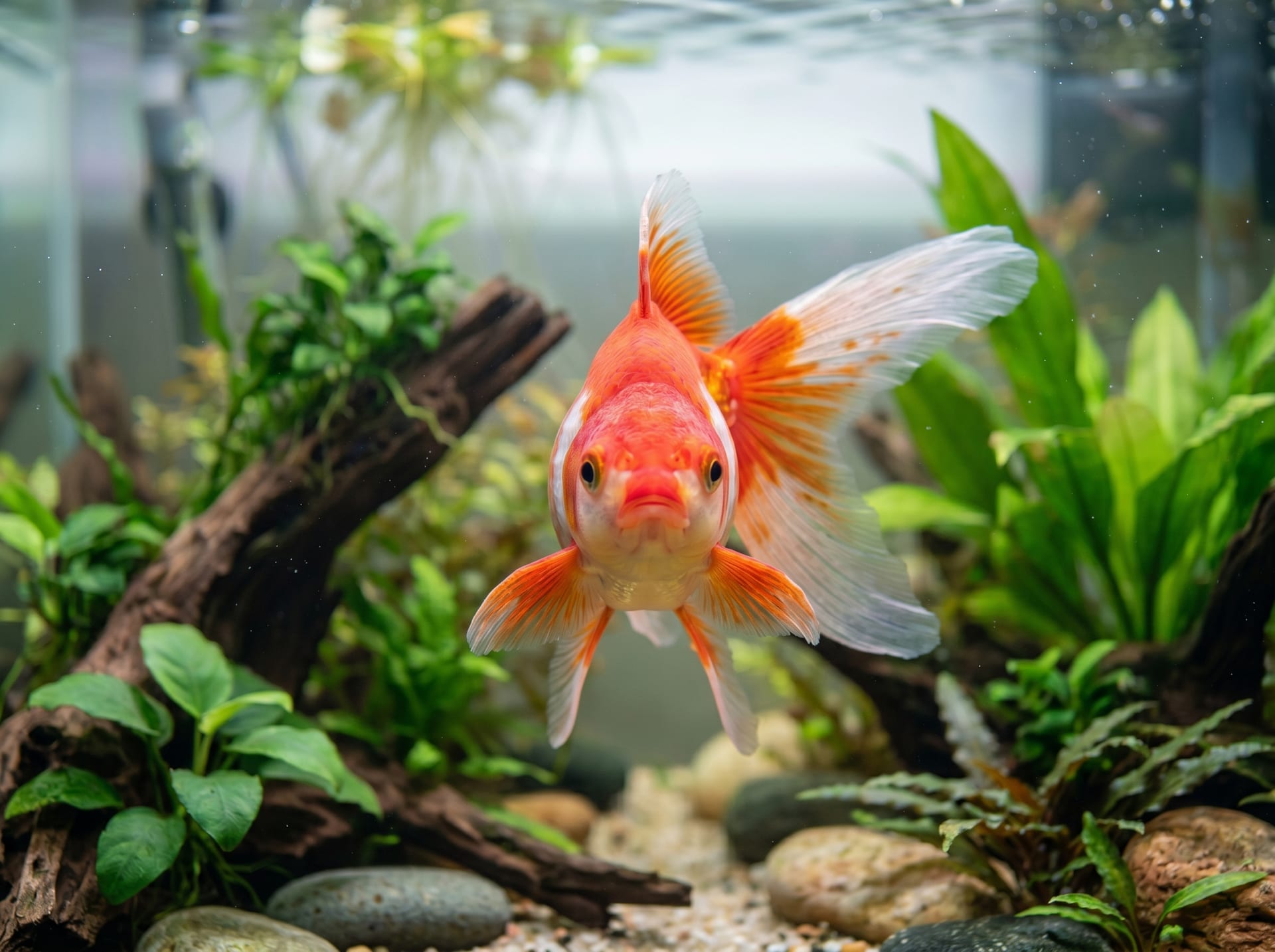
Tamasaba
Originated in Yamagata. Ryukin body with wakin-like long tail. Hardy, suitable for outdoor ponds, and strong swimmer.
View Tamasaba encyclopedia →0% commission on your first sales!Register by September 30, 2026 and your first 2 sales are commission-free!
Breeder Wanted!
List on BreederDirect and sell directly to customers nationwide!
6 Transparency Commitments from Br-Choku
All Goldfish listings from Breeder include the following details. We guarantee transparency in lineage (Yamato/Yatomi/Edo) and competition awards.
- Lineage
- Real Photos
- Breeder Lineage
- Award History
- Competition History
- Age Stated
Browse all 26 breeds
Care Difficulty
Verified breeders wanted for Goldfish
Breeders are signing up now ahead of launch. Subscribe to be notified when new listings go live.
Getting alerts is free with a member account. When new listings match your saved search, we'll notify you by email and in-app.
Browse other categories
Verified breeders (preview)
Tamasaba key facts
- Care level
- Beginner-friendly
- Lifespan
- 10-15 years
- Size
- 15-25cm
- Diet
- Goldfish pellets
- Container & Tank
- Suited to a tank of 60L or more or an outdoor pond, where it grows freely. Adults reach about 15-25cm.
- Water Temperature & Quality
- Extremely cold-hardy and adaptable to 5-30°C, it can be kept year-round in an unheated outdoor pond.
- Diet & Feeding
- A hearty eater of goldfish pellets. Watch for water fouling from overfeeding and change water regularly.
- Tank Mates & Compatibility
- A strong, active swimmer with a big appetite, so watch for food competition when mixed with other varieties.
- Health & Cautions
- Very hardy for a round-bodied goldfish and easy to keep, suiting beginners. It withstands even northern winters.
- Notes
- Mainly distributed in Tohoku region — somewhat hard to find
About Tamasaba
The Tamasaba is a distinctly Japanese goldfish variety developed primarily in Yamagata Prefecture and the broader Tohoku region, with origins believed to trace back to the late Edo or early Meiji period. Its most defining feature is the combination of a round, full-bodied shape inherited from the Ryukin with a single, elongated tail fin reminiscent of the Wakin. The name itself is thought to derive from "tama" (ball, referencing its rounded body) and "saba" (mackerel, evoking the powerful tail). Body colors range from solid red and white to variegated combinations, and adults can reach an impressive 15–25 cm. Lively and confident by nature, Tamasaba display their best qualities when given plenty of room to swim. Their Tohoku heritage gives them notable cold-water resilience, making them well-suited for outdoor pond keeping—a quality that has earned them a loyal following among garden pond enthusiasts.
Featured breeders for Tamasaba
See all Tamasaba breeders (1) →7 things to know before welcoming a Tamasaba
1Suited for Outdoor Ponds
Tamasaba has been selectively bred to withstand cold temperatures in the Tohoku region of Japan. It adapts well to outdoor ponds and large tubs, tolerating seasonal temperature swings better than many fancy varieties. In areas where ponds freeze over completely, ensure sufficient water depth to protect fish through winter.
2Needs Ample Swimming Space
Adults can reach 15–25 cm and are strong swimmers, so a tank of at least 60 cm is recommended per fish. When keeping multiple individuals, increase water volume to prevent overcrowding. Be cautious when mixing with slower fancy varieties like Ryukin, as Tamasaba tend to outcompete them at feeding time.
3Filtration and Water Changes
Tamasaba eat heartily and produce considerable waste, making effective filtration essential. Use a high-capacity filter and perform partial water changes of about one-third weekly to maintain water quality. In outdoor setups, aquatic plants and established bacterial colonies can supplement mechanical filtration.
4Protect the Long Tail Fin
The long tail fin is a defining feature of the Tamasaba, but it can be snagged or torn by sharp decorations or tank ornaments. Choose smooth rocks and rounded decor, and avoid housing it with fin-nipping species. Minor tears often heal on their own when water quality is kept clean.
5Feed Twice Daily
Feed a quality goldfish pellet or flake twice daily, offering only what the fish can consume in 3–5 minutes. Remove uneaten food promptly to prevent water fouling and obesity. When water temperatures drop below 10°C in winter, reduce feeding significantly or stop temporarily as the fish's digestion slows.
6Plan for a Long Commitment
Tamasaba typically live 10–15 years, and well-cared-for individuals can exceed that. Before acquiring one, discuss long-term care responsibilities with your household, including arrangements for travel or relocation. Factor in ongoing costs such as equipment, food, and occasional veterinary care over the fish's lifetime.
7Watch for Early Signs of Illness
Watch for early warning signs such as frayed fins, white spots (ich), or unusual slime coat changes. Isolate affected fish promptly and check water temperature and quality before treating. Consulting a goldfish specialist or a veterinarian experienced with fish can help prevent conditions from worsening.
Frequently asked questions about Tamasaba
- Q.Is the Tamasaba suitable for beginners?
- A.Yes, Tamasaba are hardy and adaptable, making them manageable for beginners who can maintain basic water quality. Keep in mind that they grow quite large, so planning for adequate space from the beginning is important.
- Q.Can Tamasaba survive winter in an outdoor pond?
- A.Thanks to their Tohoku origins, Tamasaba have good cold-water tolerance and can overwinter outdoors as long as the pond does not freeze solid. Stop feeding in winter and ensure the pond is deep enough to prevent complete freezing.
- Q.Can Tamasaba be kept with other goldfish?
- A.Tamasaba's active swimming makes them poor companions for slow-moving varieties like Telescope or Ranchu, as they tend to dominate at feeding time. Single-tailed varieties such as Wakin or Shubunkin are much more compatible tankmates.
- Q.How long do Tamasaba typically live?
- A.With proper care, Tamasaba commonly live 10 to 15 years, making them long-term companions. Consistent water quality management and appropriate feeding are the most important factors in achieving a long lifespan.
- Q.What tank size is best for Tamasaba?
- A.Given their adult size and active swimming, a minimum 60 cm tank (approximately 60 liters) per fish is recommended, with 90 cm or larger for multiple fish. Larger volumes also help stabilize water quality and reduce stress on the fish.
Useful tools for Tamasaba care
Learn more about Tamasaba in the encyclopedia
View Tamasaba encyclopedia entry →
Care difficulty, lifespan, size and diet — all basics covered.
Tamasaba related articles
See more Tamasaba articles →More in this category
Can't find the one you're looking for?
Post your wishes for free and breeders with matching animals will contact you with introductions.