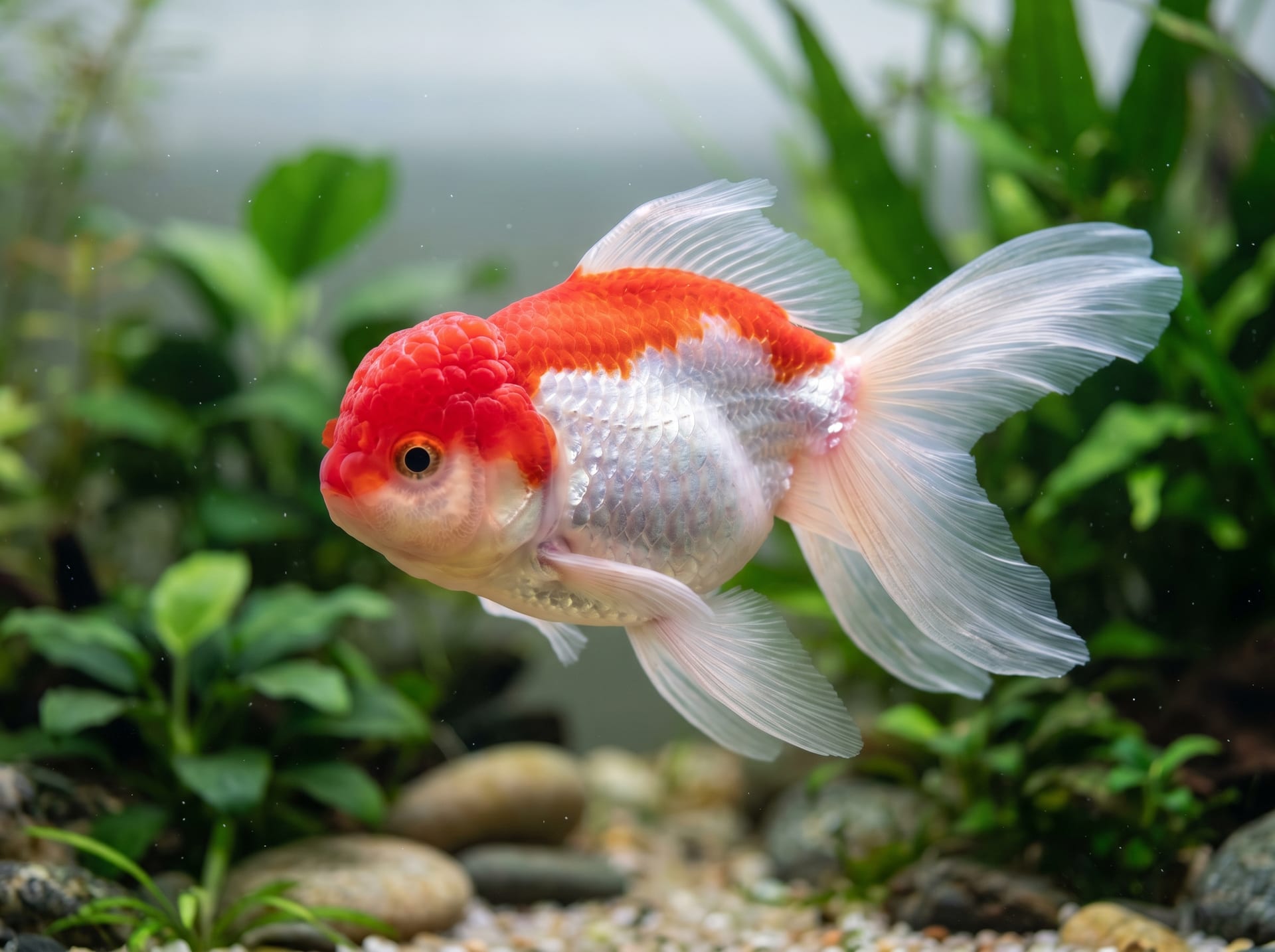
Lionhead
Chinese goldfish considered the ancestor of ranchu. Large wen covering entire head resembles a lions mane. No dorsal fin.
View Lionhead encyclopedia →0% commission on your first sales!Register by September 30, 2026 and your first 2 sales are commission-free!
Breeder Wanted!
List on BreederDirect and sell directly to customers nationwide!
6 Transparency Commitments from Br-Choku
All Goldfish listings from Breeder include the following details. We guarantee transparency in lineage (Yamato/Yatomi/Edo) and competition awards.
- Lineage
- Real Photos
- Breeder Lineage
- Award History
- Competition History
- Age Stated
Browse all 26 breeds
Care Difficulty
Verified breeders wanted for Goldfish
Breeders are signing up now ahead of launch. Subscribe to be notified when new listings go live.
Getting alerts is free with a member account. When new listings match your saved search, we'll notify you by email and in-app.
Browse other categories
Verified breeders (preview)
Lionhead key facts
- Care level
- Intermediate
- Lifespan
- 10-15 years
- Size
- 12-20cm
- Temperature
- 15〜25℃
- Diet
- Goldfish pellets
- Tank
- 60L+. Gentle flow
- Wen
- Wen maintenance is important
- Temperature
- 15-25°C
- Diet
- Easily digestible food in small amounts
- Notes
- Very poor swimmer — deep tanks not suitable
About Lionhead
The Lionhead is a historically significant goldfish bred in China over several centuries and is considered a direct ancestor of the Ranchu. Its defining feature is the wen—a thick, fleshy hood that envelops the entire head—evoking the mane of a lion, which is the origin of its name. The absence of a dorsal fin gives it a rounded silhouette and a slow, drifting swimming style that radiates quiet dignity. Lionheads have a gentle temperament and tend to recognize their keepers, often swimming toward the glass at feeding time. For enthusiasts, the greatest joy lies in watching the wen develop over years: proper water quality, balanced nutrition, and a calm environment all contribute to a fuller, more impressive hood. With a lifespan of ten to fifteen years, a well-kept Lionhead becomes a long-term companion that rewards patient, attentive care.
Featured breeders for Lionhead
See all Lionhead breeders (1) →7 things to know before welcoming a Lionhead
1Wen Growth Varies with Temperature
The wen (head growth) develops progressively as the fish matures, but cold water can slow or suppress its growth. Maintaining a temperature range of 15–28°C and avoiding sudden fluctuations supports healthy wen development. Overly large wen can occasionally obstruct vision or breathing, so observe your fish regularly for any signs of discomfort.
2Poor Swimmer Without a Dorsal Fin
Without a dorsal fin, the Lionhead is a weak swimmer and struggles against strong currents. Adjust your filter outlet to reduce flow or redirect it so water movement stays gentle. Tankmates like Ranchu (similarly shaped) are compatible, but fast-swimming varieties such as Wakin can outcompete the Lionhead for food at mealtimes.
3Spacious Tank and Good Aeration
Adult Lionheads reach 12–20 cm, so allow at least 30–40 L of water per fish. Goldfish consume significant oxygen, and dissolved oxygen levels drop notably in summer heat—run an airstone or air pump continuously to keep levels safe. A bare-bottom tank or a thin layer of substrate makes it easier to remove uneaten food and maintain water quality.
4Water Changes 1–2 Times per Week
Goldfish produce substantial waste, leading to rapid ammonia build-up. Aim to change 20–30% of the water 1–2 times per week, using dechlorinated water matched to within 2°C of the tank temperature to minimize stress. Testing strips for ammonia and nitrite used regularly help you catch water quality issues before they affect the fish's health.
5Feed Small Amounts to Aid Digestion
Sinking pellets formulated for goldfish suit the Lionhead well; feed twice daily in amounts consumed within 2–3 minutes. Floating pellets can cause the fish to gulp air, increasing the risk of buoyancy disorders (swim-bladder issues). Remove any uneaten food promptly after each feeding to prevent water quality from deteriorating.
6Watch for Buoyancy Issues and Wen Problems
The Lionhead's round body shape makes it prone to buoyancy disorders, where the fish floats or sinks abnormally. Keeping water above 15°C in winter and avoiding overfeeding helps reduce the risk. The wen is also susceptible to bacterial infections; if you notice redness, swelling, or ulceration, consider a salt bath or consult an aquatic veterinarian promptly.
7Estimated Setup and Running Costs
Initial setup for a 60 cm tank, filter, heater, and air pump typically costs around ¥10,000–¥30,000. Individual fish prices range from a few thousand yen to tens of thousands depending on wen development and overall quality. Monthly running costs—food, electricity for the filter and heater, and water—generally fall in the ¥1,000–¥3,000 range.
Frequently asked questions about Lionhead
- Q.Is the Lionhead suitable for beginners?
- A.Lionheads are manageable for beginners who are willing to learn basic water quality care and provide gentle filtration. That said, their susceptibility to swim bladder issues means a little extra research before you start will go a long way.
- Q.How large does the wen grow?
- A.Growth varies by individual and environment, but some fish develop wens that fully cover the head over three to five years. Stable water conditions, balanced nutrition, and proper temperature are thought to promote fuller wen development.
- Q.Are Lionheads prone to swim bladder disorder?
- A.Round-body goldfish in general are more prone to swim bladder issues, and Lionheads are no exception. Feeding sinking pellets in controlled portions and maintaining stable water temperature are the main preventive measures. Early signs should prompt temperature adjustment and a short fasting period.
- Q.What is the difference between a Lionhead and a Ranchu?
- A.Both lack a dorsal fin and share a rounded body shape, but the Lionhead is a Chinese breed with a wen spreading over the entire head and a slightly more elongated body. The Ranchu was developed independently in Japan, featuring a more sharply arched back and a distinctive tail angle.
- Q.How many Lionheads can I keep together?
- A.Plan for 30–40 liters per fish as a general guideline. Overcrowding degrades water quality and reduces oxygen levels, so choose a tank with room to spare. When keeping multiple fish together, matching them by size and swimming ability reduces competition for food.
Useful tools for Lionhead care
Learn more about Lionhead in the encyclopedia
View Lionhead encyclopedia entry →
Care difficulty, lifespan, size and diet — all basics covered.
Lionhead related articles
Selection Standards for Ranchu and Oranda Lionhead | How to Assess Body Type, Head Lumps, and Color, and How to Choose Specimens for Fish Shows
A detailed explanation of selection standards for ranchu and oranda lionhead goldfish that are essential for breeders. This article covers head lump development patterns, ideal body proportions, evaluation of bilateral symmetry, judging criteria for fish shows, and a checklist for purchasing.
How to Raise Dutch Lionheads and White Calicos: Water Quality and Feeding Management for Wen Development
This article explains the characteristics and husbandry methods of Dutch lionheads and white calicos. It covers the nutritional management, water quality, and lighting necessary for wen development, head care precautions, and management tips for maintaining beautiful body coloration.
Guide to Entering Oranda Lionhead Goldfish in Competitions | Judging Criteria and Finishing Techniques
Explanation of entering Oranda lionhead goldfish in competitions. Introduction of judging criteria, finishing breeding techniques, and condition management.
Dutch Lionhead Goldfish Care Guide | Methods to Enhance Hood Beauty
A guide to caring for Dutch lionhead goldfish. Learn about feed and water quality management to promote hood development, and considerations for tankmate compatibility.
More in this category
Can't find the one you're looking for?
Post your wishes for free and breeders with matching animals will contact you with introductions.