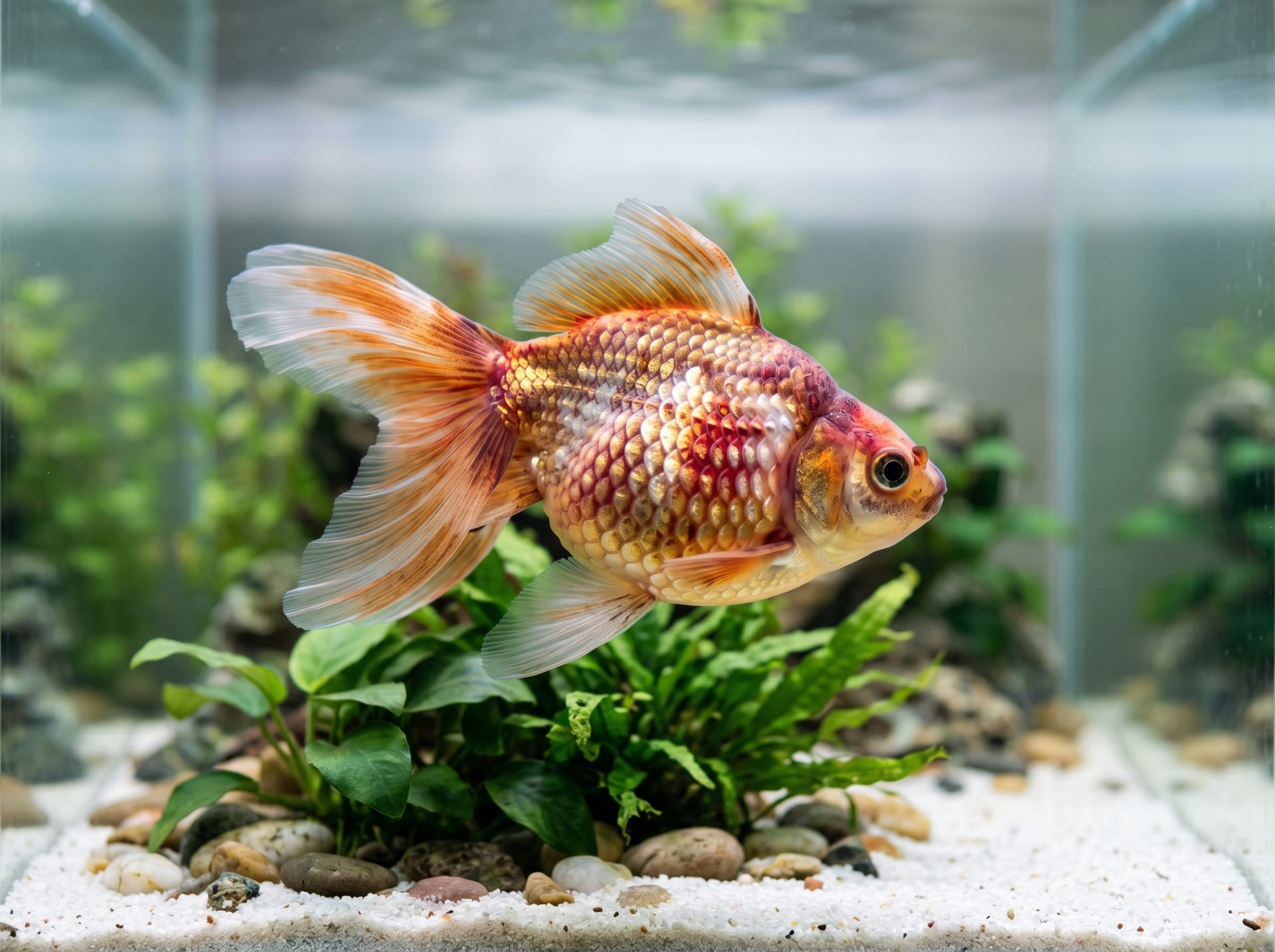
Pearlscale
Distinctive raised pearl-like scales and ping-pong ball round body. Extremely popular for its cute appearance.
View Pearlscale encyclopedia →0% commission on your first sales!Register by September 30, 2026 and your first 2 sales are commission-free!
Breeder Wanted!
List on BreederDirect and sell directly to customers nationwide!
6 Transparency Commitments from Br-Choku
All Goldfish listings from Breeder include the following details. We guarantee transparency in lineage (Yamato/Yatomi/Edo) and competition awards.
- Lineage
- Real Photos
- Breeder Lineage
- Award History
- Competition History
- Age Stated
Browse all 26 breeds
Care Difficulty
Verified breeders wanted for Goldfish
Breeders are signing up now ahead of launch. Subscribe to be notified when new listings go live.
Getting alerts is free with a member account. When new listings match your saved search, we'll notify you by email and in-app.
Browse other categories
Verified breeders (preview)
Pearlscale key facts
- Care level
- Intermediate
- Lifespan
- 5-10 years
- Size
- 8-15cm
- Temperature
- 20〜26℃
- Diet
- Goldfish pellets (sinking type recommended)
- Container & Tank
- A tank of 40L or more that favors width over depth is appropriate. Use soft sand or a bare bottom to avoid irritating the scales.
- Water Temperature & Quality
- A slightly warm 20-26°C is ideal. Consider a heater during cold periods and keep the water clean.
- Diet & Feeding
- Prone to swim bladder disorder, so feed easily digestible sinking food in small portions. Avoid overfeeding and set one or two fasting days a week.
- Flow & Placement
- Not a strong swimmer, so avoid filters with strong flow. Leave out sharp decorations, which damage the scales.
- Scales
- Pearl scales do not regenerate — avoid injuries
- Notes
- Prone to swim bladder disorder — watch digestion
About Pearlscale
The Pearlscale goldfish was developed through selective breeding in China and introduced to Japan in the 20th century, where it quickly charmed hobbyists with its extraordinary appearance. Its most defining feature is the pearl scale — a dome-shaped, calcified scale that catches light with a lustrous, pearl-like shimmer. Paired with an almost perfectly spherical body, the fish moves through the water with a gentle, rolling waddle that is as endearing as it is unique. Temperamentally, Pearlscales are calm and undemanding, and with time they often learn to recognize their keeper, drifting toward the glass at feeding time. Their unusual body shape does require attentive care — stable warm water, sinking food, and gentle currents — but keepers who meet these needs are rewarded with a fish that can live 5 to 10 years. Whether displayed in a dedicated aquarium or a thoughtfully decorated living room tank, the Pearlscale brings a quiet, distinctive beauty that few other goldfish can match.
7 things to know before welcoming a Pearlscale
1Weak Swimmers by Nature
Their extremely round body shape makes them poor swimmers. Strong water currents can quickly exhaust them. Use a sponge filter or diffuse the filter outlet to keep water flow gentle.
2Swim Bladder Issues Are Common
Their compact body can press on the swim bladder, making them more prone to swim bladder disorder than other goldfish. Soaking dry food before feeding and using sinking pellets can help reduce this risk.
3Tolerates a Wide Temperature Range
They can adapt to temperatures of roughly 15–28°C, but are sensitive to sudden changes. In winter, keeping an indoor tank at 18°C or above with a heater helps maintain stable health and immune function.
4Delicate, Raised Scales
The signature pearl scales can be difficult to restore once damaged. Handle them gently when using a net, and avoid sharp decorations or rough stones in the tank that could scrape their scales.
5Best Kept Alone or with Same Breed
Because they swim slowly, they often lose out at feeding time when kept with faster goldfish breeds. They do best with other Pearlscales or equally slow-moving varieties such as Ryukin.
6Feed Small Amounts Multiple Times
Overfeeding at once can lead to digestive problems or swim bladder issues. Aim for 2–3 small feedings per day, offering only what they can finish in 2–3 minutes. Sinking goldfish pellets are easier on their digestion.
7Estimated Setup and Running Costs
Initial setup costs for a 60 cm tank, filter, air pump, and heater typically run around 10,000–30,000 yen. Monthly running costs for electricity, food, and water conditioner are roughly 1,000–2,000 yen, making them a relatively affordable pet.
Frequently asked questions about Pearlscale
- Q.Are Pearlscales suitable for beginners?
- A.Pearlscales can be kept by beginners who are willing to learn a few key habits around water quality and feeding. That said, they are more delicate than common goldfish — their swim bladder is prone to issues and their scales are easily damaged — so some extra attention is needed.
- Q.Do Pearlscales need a heater?
- A.It is not strictly required, but a heater is strongly recommended if indoor temperatures drop below 15°C in winter. Stable water between 18–25°C helps maintain their immune system and reduces the risk of swim bladder problems.
- Q.Will a lost pearl scale grow back?
- A.Unfortunately, a lost pearl scale regenerates as a flat, ordinary scale and will never regain its domed shape. The fish's health is generally unaffected, but the change in appearance is permanent.
- Q.Can they live with other goldfish?
- A.Avoid keeping them with fast swimmers like common goldfish, comets, or shubunkin, which will easily outcompete them for food. Slower, round-bodied varieties such as fantails, Orandas, or Ranchu make much better companions.
- Q.What size tank do Pearlscales need?
- A.Given their adult size of 8–15 cm, a standard 60 cm tank (approximately 57 L) is a good baseline for 1–2 fish. More water volume means more stable water quality, which directly benefits the health of your fish.
Useful tools for Pearlscale care
Learn more about Pearlscale in the encyclopedia
View Pearlscale encyclopedia entry →
Care difficulty, lifespan, size and diet — all basics covered.
More in this category
Can't find the one you're looking for?
Post your wishes for free and breeders with matching animals will contact you with introductions.