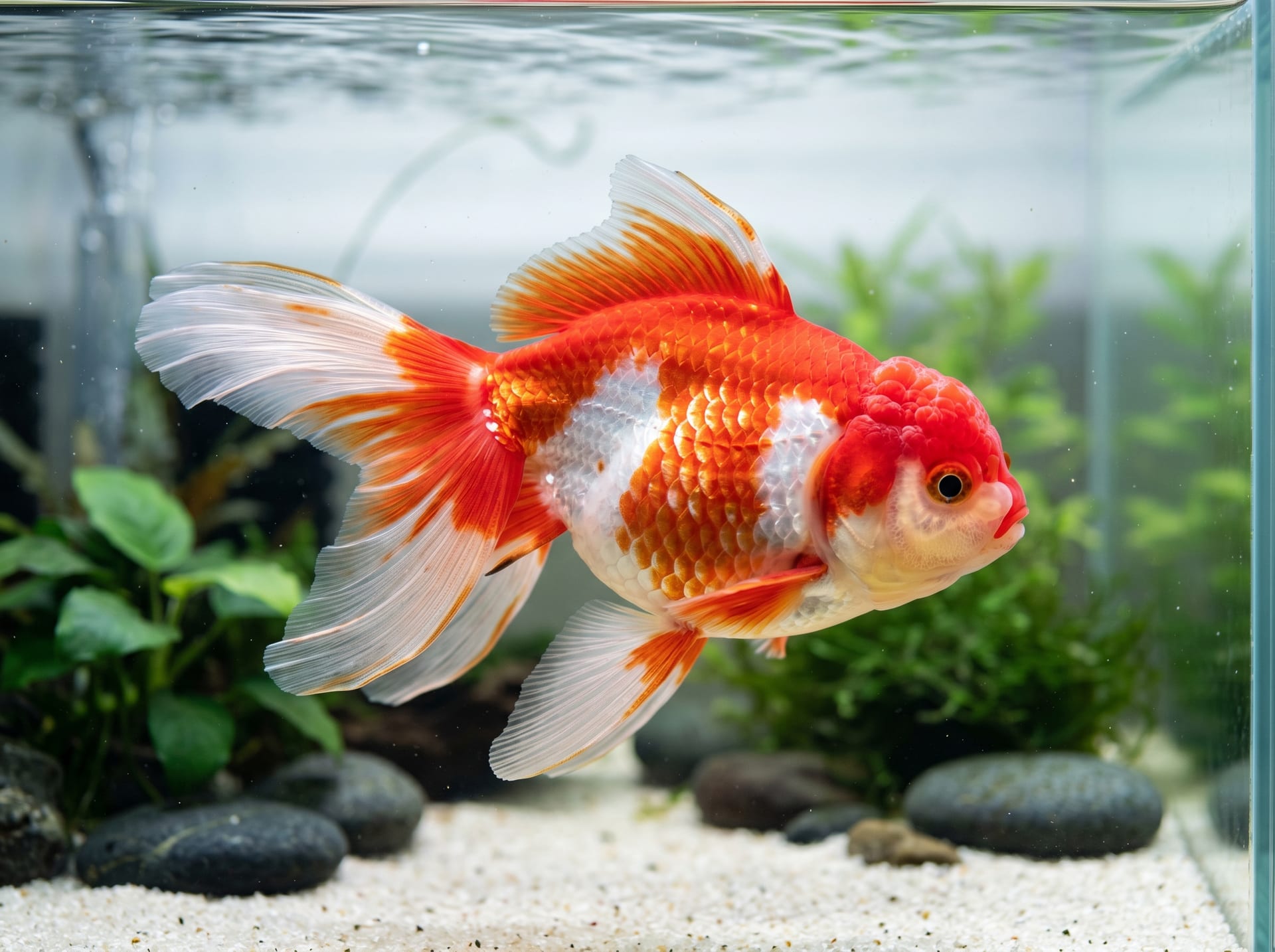
Edonishiki
Ranchu body with calico pattern. Bred in Tokyo (Edo). Beautiful tricolor pattern best viewed from above.
View Edonishiki encyclopedia →0% commission on your first sales!Register by September 30, 2026 and your first 2 sales are commission-free!
Breeder Wanted!
List on BreederDirect and sell directly to customers nationwide!
6 Transparency Commitments from Br-Choku
All Goldfish listings from Breeder include the following details. We guarantee transparency in lineage (Yamato/Yatomi/Edo) and competition awards.
- Lineage
- Real Photos
- Breeder Lineage
- Award History
- Competition History
- Age Stated
Browse all 26 breeds
Care Difficulty
Verified breeders wanted for Goldfish
Breeders are signing up now ahead of launch. Subscribe to be notified when new listings go live.
Getting alerts is free with a member account. When new listings match your saved search, we'll notify you by email and in-app.
Browse other categories
Verified breeders (preview)
Edonishiki key facts
- Care level
- Intermediate
- Lifespan
- 10-15 years
- Size
- 10-18cm
- Temperature
- 15〜25℃
- Diet
- Goldfish pellets
- Tank
- Shallow tank for top-viewing enjoyment
- Temperature
- 15-25°C
- Wen
- Some individuals develop wen growth
- Diet
- Small frequent feedings to prevent swim bladder issues
- Notes
- Shares the delicate nature of all ranchu varieties
About Edonishiki
Edo Nishiki was developed by goldfish breeders in Tokyo (Edo) during the Meiji and Taisho periods by crossing ranchu with calico-patterned stock. Like the ranchu, it has a dorsalless, compact body, but its defining feature is a complex calico pattern weaving together red, white, black, and silvery-blue. Because each fish carries a completely unique pattern, no two Edo Nishiki are alike—a quality that makes owning one feel like possessing a one-of-a-kind work of art. In temperament, they are calm and unhurried, though they can be sensitive to strong currents and competitive tankmates. With proper water quality management and measured feeding, they are reasonably hardy and can live well over a decade under good conditions. Their top-view silhouette—a round, flowing body draped in tricolor—is spectacular, making them a natural fit for the traditional Japanese ue-mi (overhead viewing) style of keeping goldfish. Beloved by enthusiasts as a living embodiment of goldfish culture, Edo Nishiki continues to captivate keepers old and new.
Featured breeders for Edonishiki
See all Edonishiki breeders (1) →7 things to know before welcoming a Edonishiki
1Best Viewed from Above
The Edo Nishiki's calico pattern is best appreciated when viewed from above, as the tri-color markings spread across the back in full display. Shallow ponds or top-view aquariums suit this fish far better than standard side-view tanks. Consider your viewing style before choosing a setup.
2Dorsal-Finless Body Shape
Like the ranchu, the Edo Nishiki lacks a dorsal fin and is not a strong swimmer. Powerful currents can exhaust it quickly, so it is important to buffer filter outlets and keep water flow gentle. A calm tank environment is essential for its long-term wellbeing.
3Water Quality Is Critical
Edo Nishiki can be sensitive to declining water quality. Regular partial water changes—about one-third of the tank weekly—help prevent ammonia and nitrite buildup. Aim to keep water temperature between 18–25°C and avoid sudden temperature swings.
4Needs Adequate Space
Adult Edo Nishiki can reach around 15 cm in length, so allow at least 30–40 liters of water per fish. Overcrowding accelerates water quality decline and increases disease risk. Starting with a generously sized tank or pond from the beginning supports long-term success.
5Choose Tankmates Carefully
Because it swims slowly, the Edo Nishiki can easily lose out on food when kept with faster varieties like comets or wakin. Pairing it with other round-bodied types such as ranchu or tancho is generally the best approach. Always monitor feedings to ensure every fish receives adequate nutrition.
6Awareness of Float Disorder
The rounded body shape of the Edo Nishiki makes swim bladder regulation more challenging, and the fish can be prone to float disorder (where it rolls upside down). Feeding easily digestible food in moderate amounts and avoiding overfeeding, cold temperatures, and sudden temperature changes helps reduce the risk. Early intervention with fasting and gradual temperature adjustment may help if symptoms appear.
7Expected Costs
Edo Nishiki prices vary widely depending on pattern quality, ranging from a few thousand yen for standard specimens to tens of thousands for show-grade individuals. Initial setup costs for a tank, filter, and air pump typically fall in the range of 10,000–30,000 yen, with ongoing expenses for food, consumables, and electricity running a few hundred to around 1,000 yen per month.
Frequently asked questions about Edonishiki
- Q.Can beginners keep Edo Nishiki?
- A.Edo Nishiki can be kept by beginners who are willing to learn the basics of water quality management. However, as a round-bodied variety they carry a higher risk of swim bladder issues, so it helps to build some goldfish-keeping experience first before taking one on as your very first fish.
- Q.How large do Edo Nishiki get?
- A.In good conditions, Edo Nishiki typically grow to around 15–20 cm in body length. With adequate space and nutrition, they develop a full, rounded body that becomes quite impressive in size over time.
- Q.How can I prevent swim bladder disorder?
- A.Key prevention steps include feeding sinking pellets in small amounts, keeping water temperature above 18°C to aid digestion, and avoiding overfeeding. Many keepers also practice one fasting day per week to reduce stress on the digestive system.
- Q.Does the calico pattern change as they grow?
- A.Young fish often look subdued in color, but the red, white, and black contrast typically deepens and sharpens as they mature. That said, individual variation is high—black markings may fade on some fish and spread on others. The unpredictability of the final pattern is part of what makes raising Edo Nishiki so rewarding.
Useful tools for Edonishiki care
Learn more about Edonishiki in the encyclopedia
View Edonishiki encyclopedia entry →
Care difficulty, lifespan, size and diet — all basics covered.
Edonishiki related articles
See more Edonishiki articles →More in this category
Can't find the one you're looking for?
Post your wishes for free and breeders with matching animals will contact you with introductions.