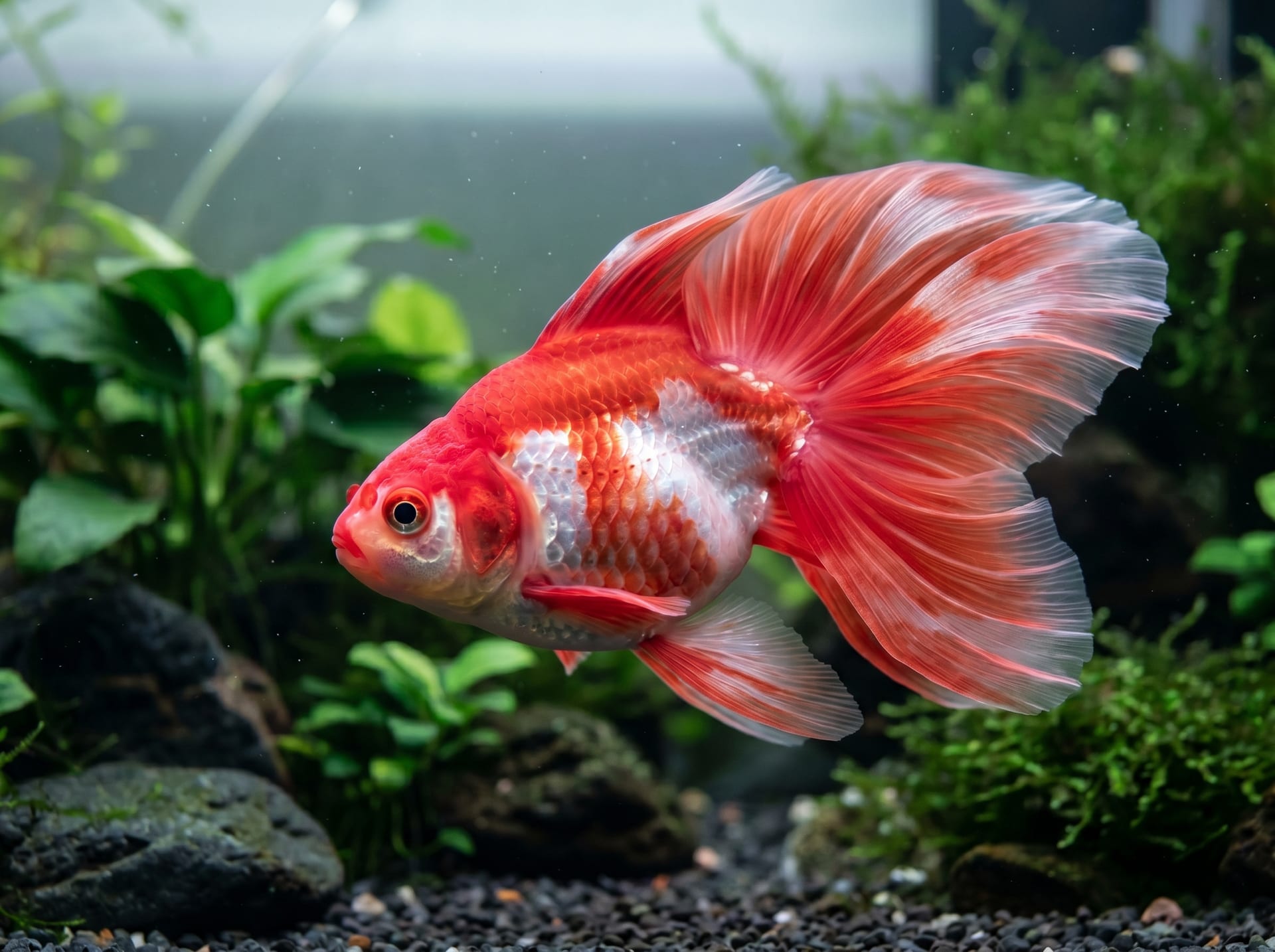
Tosakin
Natural monument from Kochi prefecture. Distinctive inverted tail fin is most beautiful viewed from above. Challenging to keep.
View Tosakin encyclopedia →0% commission on your first sales!Register by September 30, 2026 and your first 2 sales are commission-free!
Breeder Wanted!
List on BreederDirect and sell directly to customers nationwide!
6 Transparency Commitments from Br-Choku
All Goldfish listings from Breeder include the following details. We guarantee transparency in lineage (Yamato/Yatomi/Edo) and competition awards.
- Lineage
- Real Photos
- Breeder Lineage
- Award History
- Competition History
- Age Stated
Browse all 26 breeds
Care Difficulty
Verified breeders wanted for Goldfish
Breeders are signing up now ahead of launch. Subscribe to be notified when new listings go live.
Getting alerts is free with a member account. When new listings match your saved search, we'll notify you by email and in-app.
Browse other categories
Verified breeders (preview)
Tosakin key facts
- Care level
- Advanced
- Lifespan
- 5-10 years
- Size
- 10-15cm
- Temperature
- 18〜25℃
- Diet
- Goldfish pellets (small amounts, multiple times)
- Tank
- Shallow tank or tub for top-viewing
- Flow
- Almost no water flow ideal
- Temperature
- 18-25°C (sensitive to temperature changes)
- Tail
- Maintaining tail shape is top priority
- Notes
- Very delicate — solo keeping recommended
About Tosakin
The Tosakin is a goldfish variety developed in Kochi Prefecture during the late Edo to early Meiji period. It was designated a natural monument of Kochi Prefecture in 1969 and a national natural monument of Japan in 1999, making it one of the rarest goldfish breeds. Believed to be derived from the Ryukin, its defining feature is a large, triple or quadruple tail that curves outward and spreads horizontally — resembling flower petals when viewed from above. This "top-view beauty" is the Tosakin's greatest appeal and has fostered a unique culture of overhead tank viewing among enthusiasts. The fish swims slowly and gracefully, with a rounded body and limited swimming ability. Keeping Tosakin healthy demands attentive management of water flow, quality, and temperature. The challenge is part of the appeal: successfully raising a well-formed Tosakin is deeply rewarding, and the breed enjoys a devoted following among serious goldfish hobbyists.
7 things to know before welcoming a Tosakin
1Shallow Tank for Top-Viewing
The Tosakin is best appreciated from above, a style called "uwami." Shallow, round or rectangular containers are ideal, as tall aquariums do not showcase the tail fins properly. Aim for a water depth of around 15–20 cm.
2Minimize Water Current
The large tail fin creates significant resistance to water current, and prolonged exposure to strong flow can damage or deform it. Sponge filters that minimize current output are recommended. Choose gentle aeration as well.
3Prone to Swim Bladder Issues
Due to its body structure, the Tosakin is more susceptible to swim bladder disorder than many other goldfish varieties. Controlling feed portions and maintaining stable water temperature are key preventive measures. Daily observation helps detect any issues early.
4Sensitive to Temperature Swings
Sudden temperature changes weaken the immune system and increase susceptibility to diseases such as ich. Indoor keepers are advised to use a heater and maintain a stable temperature of around 18–23°C. Be mindful of temperature differences during water changes.
5Keep in Small Groups
Overcrowding accelerates water quality deterioration and increases the risk of fin damage. As a general guideline, a 60 cm container should house no more than 2–3 fish. Providing ample space is essential for maintaining health and preserving the tail fins' beauty.
6Availability and Price Range
The Tosakin is a rare variety with few breeders, making it difficult to find at general pet stores. Purchasing from a specialist breeder or dedicated shop is the most reliable approach. Prices vary widely from a few thousand to tens of thousands of yen depending on quality. Always verify the fish's origin and care history before purchase.
7Protecting the Tail Fin Shape
The Tosakin's tail fins are extremely delicate and can tear or deform from net contact or interactions with tankmates. When handling, it is recommended to guide the fish into a deep bucket rather than using a net directly. If keeping with other fish, choose peaceful varieties with similar swimming ability.
Frequently asked questions about Tosakin
- Q.Can beginners keep Tosakin goldfish?
- A.Tosakin are considered a challenging variety and are better suited to hobbyists with some prior experience keeping goldfish. Learning the basics of water quality management and appropriate feeding before getting started is strongly recommended.
- Q.Can I use a standard aquarium tank?
- A.Standard tanks can work, but a wide, shallow vessel is ideal for fully appreciating the Tosakin's beauty. Deep tanks may restrict tail spread and reduce the visual impact of viewing from above.
- Q.Can Tosakin be kept with other goldfish?
- A.Mixing with fast-swimming varieties like Wakin or Shubunkin is not recommended. Keeping Tosakin with other Tosakin or slow-moving breeds such as Ranchu tends to be more compatible.
- Q.What should I do if the tail fin gets damaged?
- A.First check whether the water flow is too strong or whether tank mates are nipping the fins. Minor tears often heal on their own with clean water conditions. If you notice white fuzzy growth or redness, fungal infection or bacterial disease may be involved and treatment should be considered.
- Q.How long do Tosakin goldfish live?
- A.With proper care, Tosakin can live for more than 10 years. However, poor water quality management or overfeeding can weaken their health significantly. Consistent daily care is the key to a long and healthy life.
Useful tools for Tosakin care
Learn more about Tosakin in the encyclopedia
View Tosakin encyclopedia entry →
Care difficulty, lifespan, size and diet — all basics covered.
More in this category
Can't find the one you're looking for?
Post your wishes for free and breeders with matching animals will contact you with introductions.