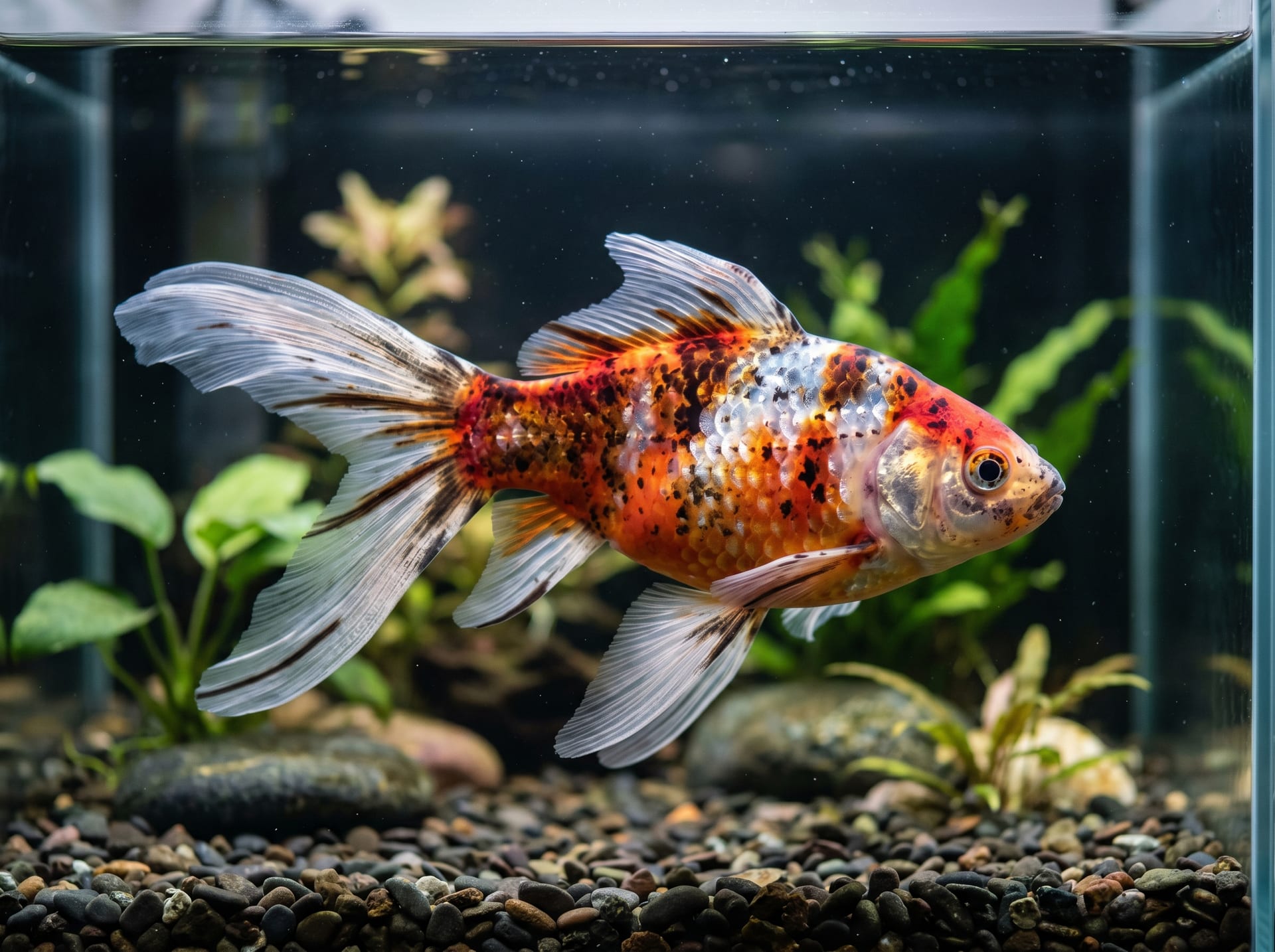
Shubunkin
Long-bodied calico goldfish. Wakin type, hardy and active. Displays red, white, black, and blue colors. Perfect for outdoor ponds.
View Shubunkin encyclopedia →0% commission on your first sales!Register by September 30, 2026 and your first 2 sales are commission-free!
Breeder Wanted!
List on BreederDirect and sell directly to customers nationwide!
6 Transparency Commitments from Br-Choku
All Goldfish listings from Breeder include the following details. We guarantee transparency in lineage (Yamato/Yatomi/Edo) and competition awards.
- Lineage
- Real Photos
- Breeder Lineage
- Award History
- Competition History
- Age Stated
Browse all 26 breeds
Care Difficulty
Verified breeders wanted for Goldfish
Breeders are signing up now ahead of launch. Subscribe to be notified when new listings go live.
Getting alerts is free with a member account. When new listings match your saved search, we'll notify you by email and in-app.
Browse other categories
Verified breeders (preview)
Shubunkin key facts
- Care level
- Beginner-friendly
- Lifespan
- 10-15 years
- Size
- 15-30cm
- Diet
- Goldfish pellets, omnivorous
- Container & Tank
- It grows fast to 20-30cm, so provide ample space in a large outdoor pond or large tank.
- Water Temperature & Quality
- As hardy as a wakin, it tolerates 5-30°C and adapts well, making it easy for beginners. Keep water quality up with regular changes.
- Diet & Feeding
- Eats almost anything, with goldfish pellets as the staple. Adjust portions so leftovers do not foul the water.
- Tank Mates & Compatibility
- Active and a strong swimmer, it pairs well with wakin and comets of similar swimming ability.
About Shubunkin
Shubunkin is a Japanese-bred fancy goldfish believed to have been developed in the late 19th century by Yoshigoro Akiyama, a goldfish dealer in Asakusa, Tokyo. Created by crossing a calico-patterned variety with the Wakin-type common goldfish, its name is thought to derive from the kanji for "vermilion" and "brocade," reflecting its ornate coloration. The defining feature is a complex calico pattern of red, white, black, and blue—the blue pigmentation is exceptionally rare among goldfish and is one of the breed's most prized traits. The body follows the streamlined Wakin form, with a long elegant tail that flows gracefully as the fish swims. Hardy and stress-tolerant, Shubunkin can overwinter in outdoor ponds with ease. Beginners and experienced keepers alike enjoy the breed for its resilience and the way its colors continue to evolve and deepen over its long lifespan of 10–15 years.
7 things to know before welcoming a Shubunkin
1Space to Swim
Shubunkins grow to 15–30 cm, so a 60 cm tank is a minimum for one fish, with 90 cm or larger recommended for groups. Their fast, active swimming suits open layouts with few obstructions.
2Pond-Ready Hardy
The streamlined body adapts well to currents, making outdoor ponds an ideal home. Shubunkins tolerate cooler temperatures and can overwinter outdoors as long as the water surface does not freeze solid.
3Each Pattern is Unique
The balance of red, white, black, and blue varies from fish to fish and can shift as the fish matures. Individuals with prominent blue patches are especially prized, but every Shubunkin carries a one-of-a-kind pattern.
4Choose Tankmates Wisely
Shubunkins are quick feeders and may outcompete slower breeds such as Ryukin or Telescope-eye for food. They pair best with other active, single-tailed varieties like Wakin or Comet goldfish.
5Water Quality Matters
Goldfish are heavy waste producers, so a high-capacity filter and partial water changes about once a week help keep water clean. Regular testing for ammonia and nitrite is a good habit, as spikes often precede illness.
6Feed Little, Feed Often
Offer a quality goldfish pellet or flake twice a day in amounts eaten within three to five minutes. Shubunkins eat eagerly, so overfeeding quickly degrades water quality. Reduce feeding in winter when metabolism slows.
7Cost to Consider
Basic indoor setup—tank, filter, and air pump—typically costs 10,000–30,000 yen to start. Outdoor ponds require higher upfront investment but offer large swimming space at low ongoing cost. Feed costs are modest, though budget for medication and water expenses over a 10-plus-year lifespan.
Frequently asked questions about Shubunkin
- Q.Is Shubunkin easy to keep for beginners?
- A.Yes, Shubunkin is considered one of the hardier goldfish breeds. It tolerates temperature fluctuations and minor water-quality changes reasonably well, making it beginner-friendly. That said, their active nature means adequate tank volume and filtration are still essential.
- Q.Will the blue coloring fade as the fish grows?
- A.Blue coloration is genetically expressed and generally persists, but it can fade with age or insufficient UV exposure. Outdoor keeping or providing adequate lighting helps maintain vibrant color throughout the fish's life.
- Q.Can Shubunkin be kept with medaka or other fish?
- A.Small fish such as medaka risk being accidentally eaten by adult Shubunkin, so mixed keeping is not recommended. The safest tankmates are other single-tail varieties like Comet and Common Goldfish.
- Q.Can Shubunkin overwinter in an outdoor pond?
- A.Yes, Shubunkin are cold-tolerant and can overwinter in unheated outdoor ponds as long as the water does not freeze solid. Significantly reduce feeding as temperatures drop, and stop feeding entirely once water temperature falls below 5 °C.
- Q.How long do Shubunkin typically live?
- A.With proper care, Shubunkin typically live 10–15 years. Good water quality, appropriate feeding, and a low-stress environment are the key factors. Some individuals have reportedly lived beyond 20 years under optimal conditions.
Useful tools for Shubunkin care
Learn more about Shubunkin in the encyclopedia
View Shubunkin encyclopedia entry →
Care difficulty, lifespan, size and diet — all basics covered.
Shubunkin related articles
See more Shubunkin articles →More in this category
Can't find the one you're looking for?
Post your wishes for free and breeders with matching animals will contact you with introductions.