Premium Goldfish Varieties and Price Guide | The Appeal and Care of Ryukin, Azumanishiki, Jikkin, and Edonishiki
A comprehensive guide to premium goldfish varieties and prices. This article covers the characteristics of Ryukin, Azumanishiki, Jikkin, Edonishiki, and Bubble-eye goldfish, price ranges (common specimens to show-quality), tips for selecting varieties, and how to set up proper breeding environments.
Key Takeaways
A comprehensive guide to premium goldfish varieties and prices. This article covers the characteristics of Ryukin, Azumanishiki, Jikkin, Edonishiki, and Bubble-eye goldfish, price ranges (common specimens to show-quality), tips for selecting varieties, and how to set up proper breeding environments.
Related Species
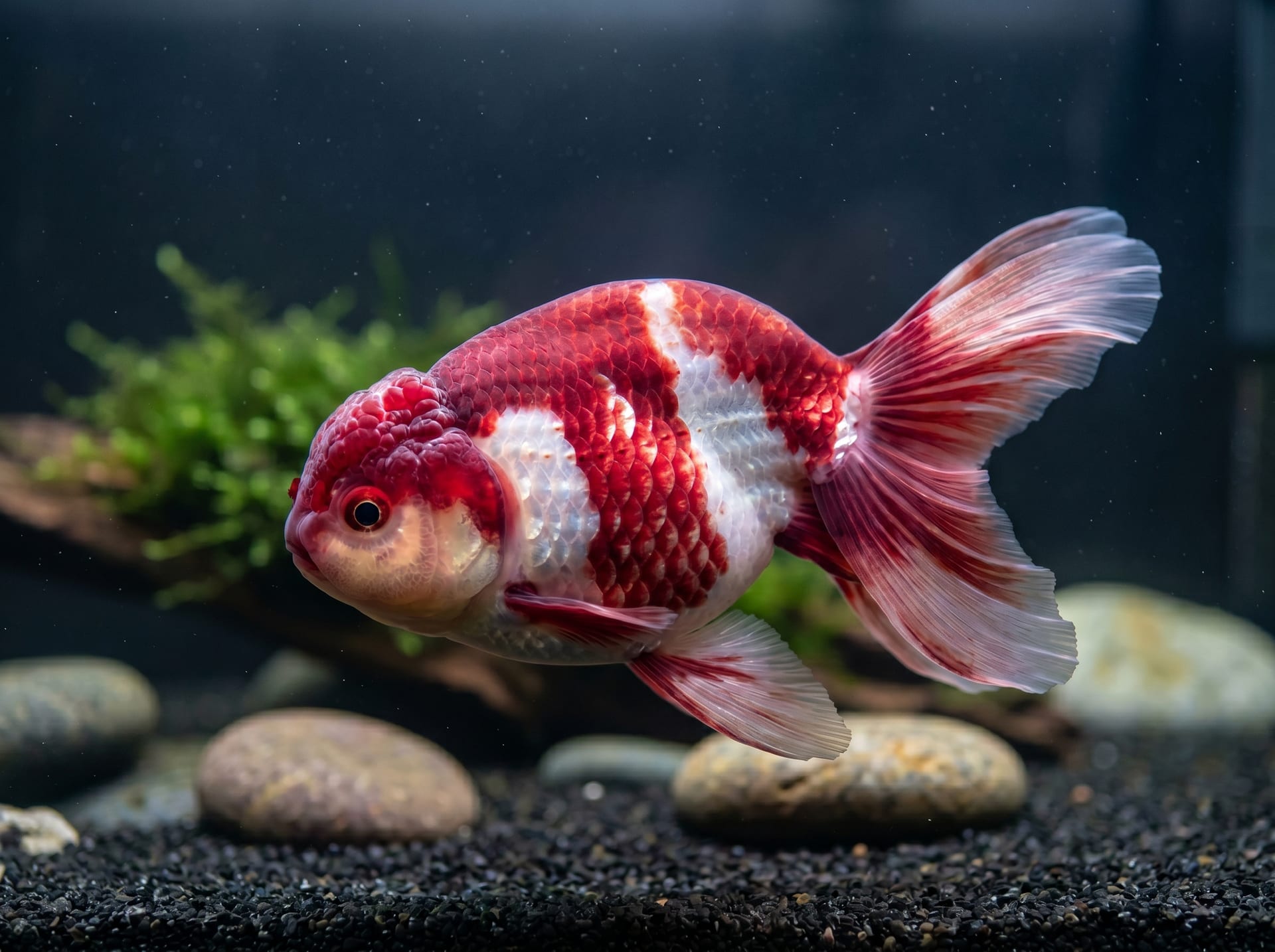
The world of goldfish is home to numerous premium varieties born from centuries of selective breeding. Each variety possesses distinctive beauty in body shape, tail fin, coloration, and the development of its hood (or wen). Enthusiasts have long been captivated by the depth and sophistication these fish offer. This article provides detailed explanations of the characteristics and care tips for representative premium varieties: Ryukin, Azumanishiki, Jikkin, Edonishiki, and Bubble-eye goldfish.
Ryukin (琉金) — The Iconic Round-Bodied Goldfish
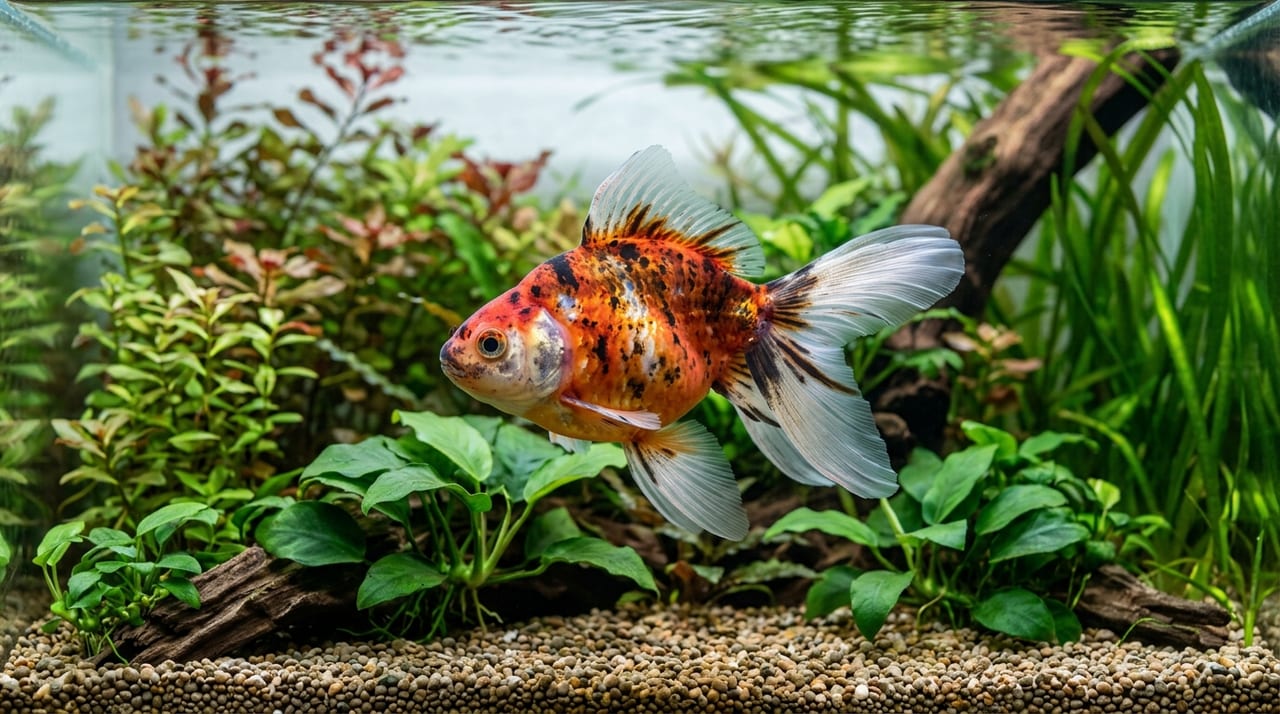
The Ryukin is the quintessential representative of "fantail goldfish" (round-bodied varieties), characterized by a rounded body shape and long, elegant tail fins that often exceed its body length. It is believed to have been introduced to Japan during the Edo period via Ryukyu from China, and its name derives from this origin.
When appreciating the fish, pay attention to the balance between the roundness of the body and the spread of the tail fins. Viewed from above, a body shape close to a perfect circle is considered ideal, and individuals whose tail fins spread fan-like when viewed from the side are regarded as high quality. The variety of color options, including red, white, and kohaku (red and white combined), are also part of their charm.
Care difficulty is beginner to intermediate level. However, one concern to watch for is swim bladder disease. Digestive problems can cause abnormalities in the swim bladder, leaving the fish unable to swim properly with its belly facing upward. Prevention involves selecting sinking pellets and avoiding overfeeding. Additionally, Ryukins are sensitive to temperature fluctuations, so during seasonal transitions use heaters or insulation measures to prevent sudden changes.
Azumanishiki (東錦) — A Three-Color Masterpiece
The Azumanishiki combines the body type of an Oranda with calico (red, white, and black tri-color) patterning. The hood that develops on the head combined with vivid tri-color markings creates a distinctive, striking appearance.
Color distribution varies considerably among individuals and changes as they grow. At the fry stage in particular, patterns are not yet fully established, so selecting good quality patterning requires experience. Color development is also influenced by the rearing environment—outdoors with sunlight exposure, red tones intensify, while lower water temperatures tend to deepen black coloration.
Water quality management directly affects hood development, making weekly water changes (1–2 times per week) essential. Nitrate accumulation can cause the hood to shrink. Feeding should be done approximately twice daily, limited to amounts the fish can consume within 5 minutes.
Jikkin (地金) — The Solitary Beauty of a National Treasure
The Jikkin is a premium variety native to Japan, originating in Aichi Prefecture and designated as a National Treasure. Its most distinctive feature is the color pattern called "Rokurin" (six-scale pattern), in which only the mouth, pectoral fins, ventral fins, and base of the tail are brilliant red, while the rest of the body is pure white—a unique and delicate beauty.
The perfection of the Rokurin pattern determines the Jikkin's value. Clear color boundaries and evenly distributed red areas are the criteria for show evaluation. For color enhancement, rearing in white containers (white boats) is effective, as the container color reflects and enhances the brightness of the white areas.
Care difficulty is advanced level. Due to their body type, which is not conducive to strong swimming, avoid high-flow filtration systems. Being an exceptionally rare variety, sourcing from a trusted breeder is crucial for ensuring quality.
Edonishiki (江戸錦) — Tri-Color Elegance with Ranchu Bearing
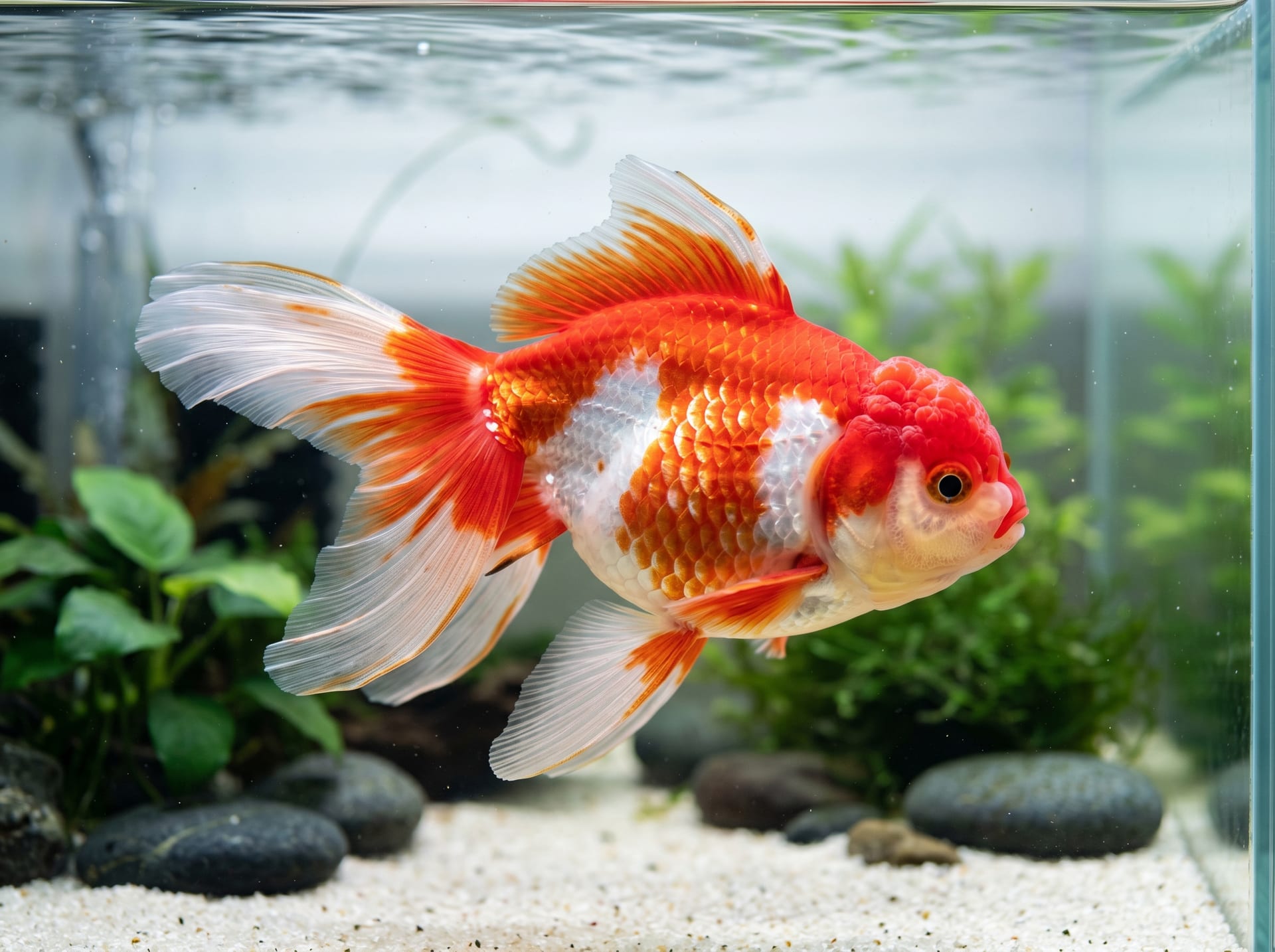
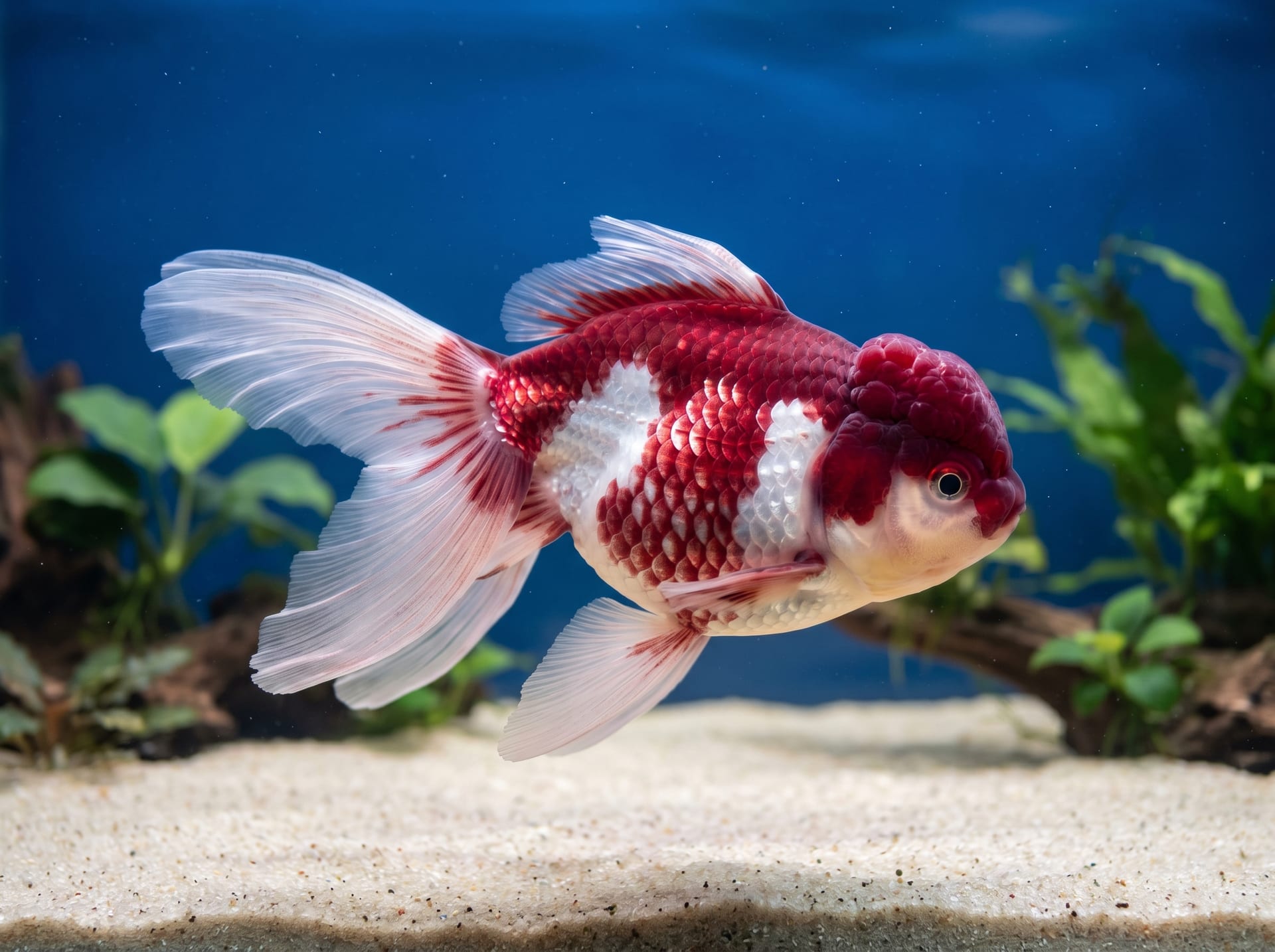
The Edonishiki combines the Ranchu body type with calico patterning. Like the Ranchu, it lacks a dorsal fin, and the dominant viewing style emphasizes the hood development and the beauty of tri-color pattern placement when viewed from above.
Temperature control and nutritional balance are key to hood development. The optimal rearing temperature is 18–26°C, and specialized Ranchu pellets designed to promote hood development are also effective. For patterning, individuals with balanced distribution of red, white, and black from the head to the back receive high marks.
The care and attention invested in management is directly reflected in the fish's condition, making daily observation and water quality maintenance the essence of keeping this variety.
Bubble-eye (水泡眼) — The Fantastical Sac-Bearer
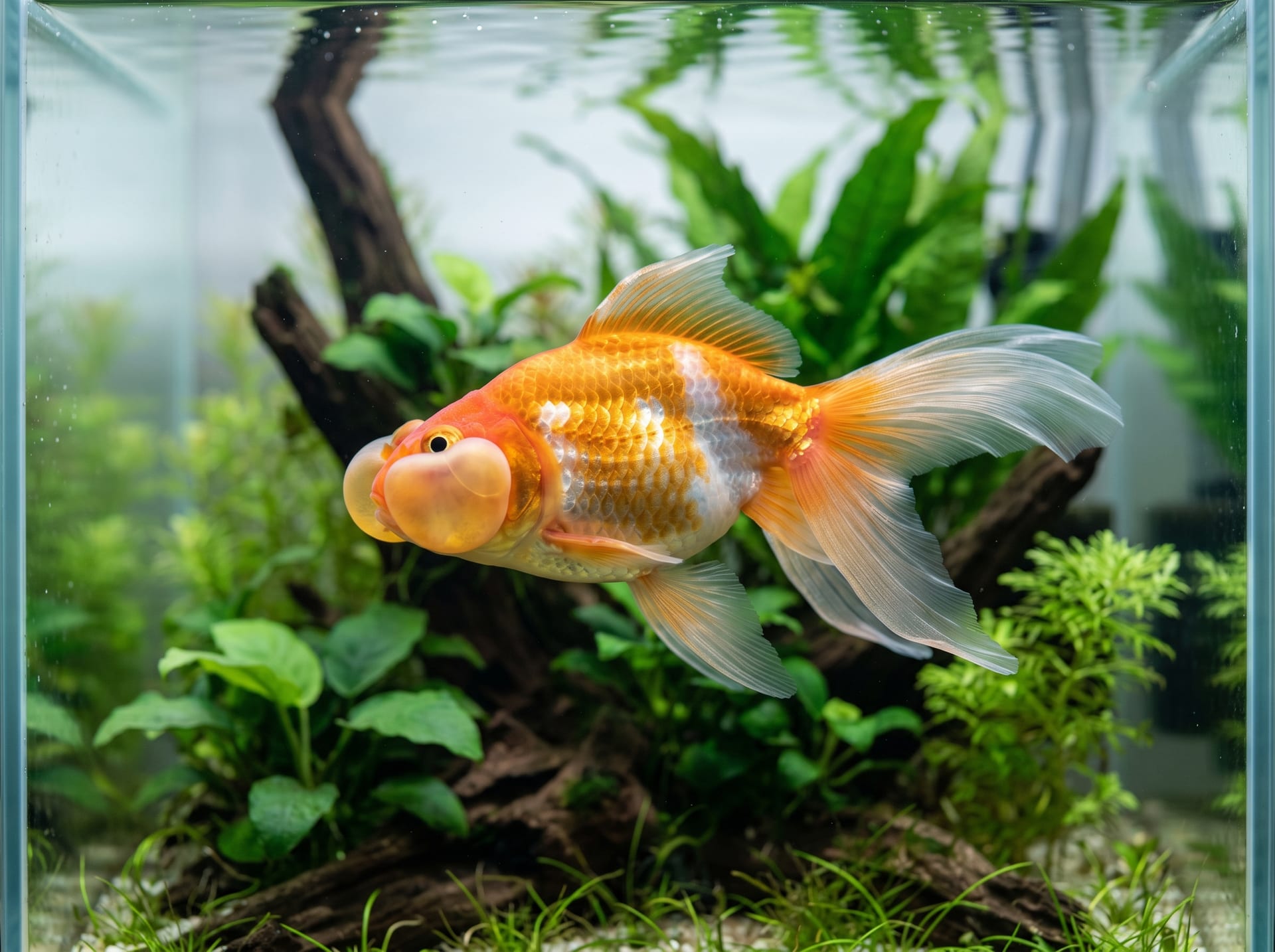
The Bubble-eye is a distinctive variety with large, translucent sacs that develop beneath its eyes—a striking appearance impossible to forget. The sacs are filled with lymph fluid and sway gently with each movement, creating a unique and endearing quality.
The sacs are extremely delicate, and rupture increases infection risk. Never place sharp decorations (pointed driftwood, sharp rocks) in the tank. Additionally, their limited vision makes feeding awkward, so sinking pellets provided in small amounts are easier for them to consume. Tank mates should be limited to the same species or peaceful varieties to prevent injury to the sacs during feeding competition.
Premium Goldfish Price Guide and Price Ranges
Premium goldfish prices vary significantly based not only on variety but also on lineage, body type, patterning, and age. Here is a price range overview:
| Variety | Common Specimens | Premium/Show Quality |
|---|---|---|
| Ryukin | ¥500–3,000 | ¥10,000–30,000 |
| Azumanishiki | ¥1,000–5,000 | ¥10,000–50,000 |
| Jikkin | ¥5,000–15,000 | ¥30,000–100,000 |
| Edonishiki | ¥2,000–8,000 | ¥10,000–50,000 |
| Bubble-eye | ¥1,500–5,000 | ¥10,000–30,000 |
The four main factors influencing price are:
- Lineage: Offspring from award-winning show lines command premium prices even as fry
- Body Type and Swimming: Beauty of back curvature, tail spread, and swimming stability
- Patterning: Kohaku and calico patterns vary individually; superior patterning commands higher value
- Age: Mature fish at 2–3 years old are more expensive than current-year specimens
The Jikkin is designated as a National Treasure (Aichi Prefecture) with very limited availability; sourcing from specialist breeders is standard. Purchasing directly from breeders allows you to verify lineage and parentage while securing fair pricing.
Selecting Varieties and Setting Up Proper Care Environments
Selecting goldfish varieties based on your experience level and available equipment is key to long-term success.
For Beginners: Ryukin and Azumanishiki are relatively hardy and easy to appreciate for their body form. Acquire a basic setup: 60 cm tank, top-mount filter, and aeration.
For Intermediate Keepers: Progress to Edonishiki and Bubble-eye once comfortable with water quality and feeding management. Consider sponge filters or bare-bottom tank setups.
For Advanced Keepers: Jikkin and Ranchu appeal to show-oriented enthusiasts; specialized boat-shaped containers and outdoor cultivation in Japanese gardens are traditional approaches. Success depends on accumulated expertise in water change frequency, sunlight exposure, and feeding frequency.
Regardless of variety, maintaining proper stocking density (at least 10–20 liters per fish) and water quality management with zero ammonia and nitrite levels form the foundation for health.
Sourcing Premium Goldfish Directly Through BreederDirect
At BreederDirect, you can purchase premium goldfish directly from breeders with show-winning track records, with detailed lineage, breeding history, and parent information documented. Bypassing intermediaries ensures optimal condition, and consulting with breeders about care is seamless. If you're seeking rare varieties like Jikkin or high-quality show-line specimens, be sure to explore BreederDirect's selection.