Goldfish Care Equipment & Materials Guide | Essential Items for Beginners to Get Started
A beginner's guide to the equipment and materials needed before starting goldfish care — including aquariums, filters, aeration, heaters, lighting, and substrate. We introduce cost-effective selection methods and criteria for recommended products.
Key Takeaways
A beginner's guide to the equipment and materials needed before starting goldfish care — including aquariums, filters, aeration, heaters, lighting, and substrate. We introduce cost-effective selection methods and criteria for recommended products.
Related Species
Overview of Equipment Needed for Goldfish Care
Goldfish may appear simpler to manage than tropical fish, but setting up an appropriate care environment does require certain equipment. Many people have experienced the disappointment of putting a goldfish from a fair into plain tap water, only to watch it die. With the proper environment in place, goldfish can live 10 to 20 years or longer.
The most important concept in goldfish care is "biological filtration." Establishing a "nitrogen cycle" within the aquarium — where bacteria decompose ammonia from the goldfish's waste into nitrite and eventually the relatively harmless nitrate — forms the foundation of long-term care. When selecting equipment with this cycle functioning properly in mind, your selection criteria become clear.
This article breaks down the equipment beginners should acquire first into three categories: "essential," "recommended," and "convenient to have."
Essential Equipment
Aquarium
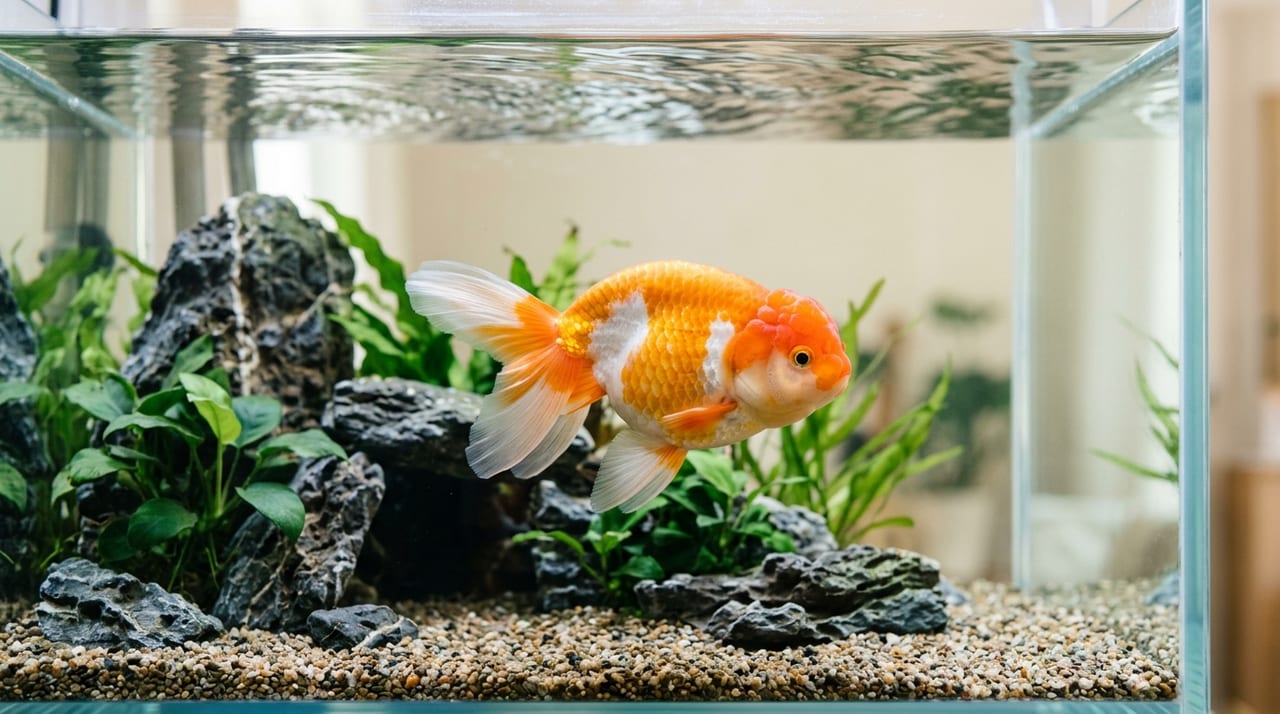
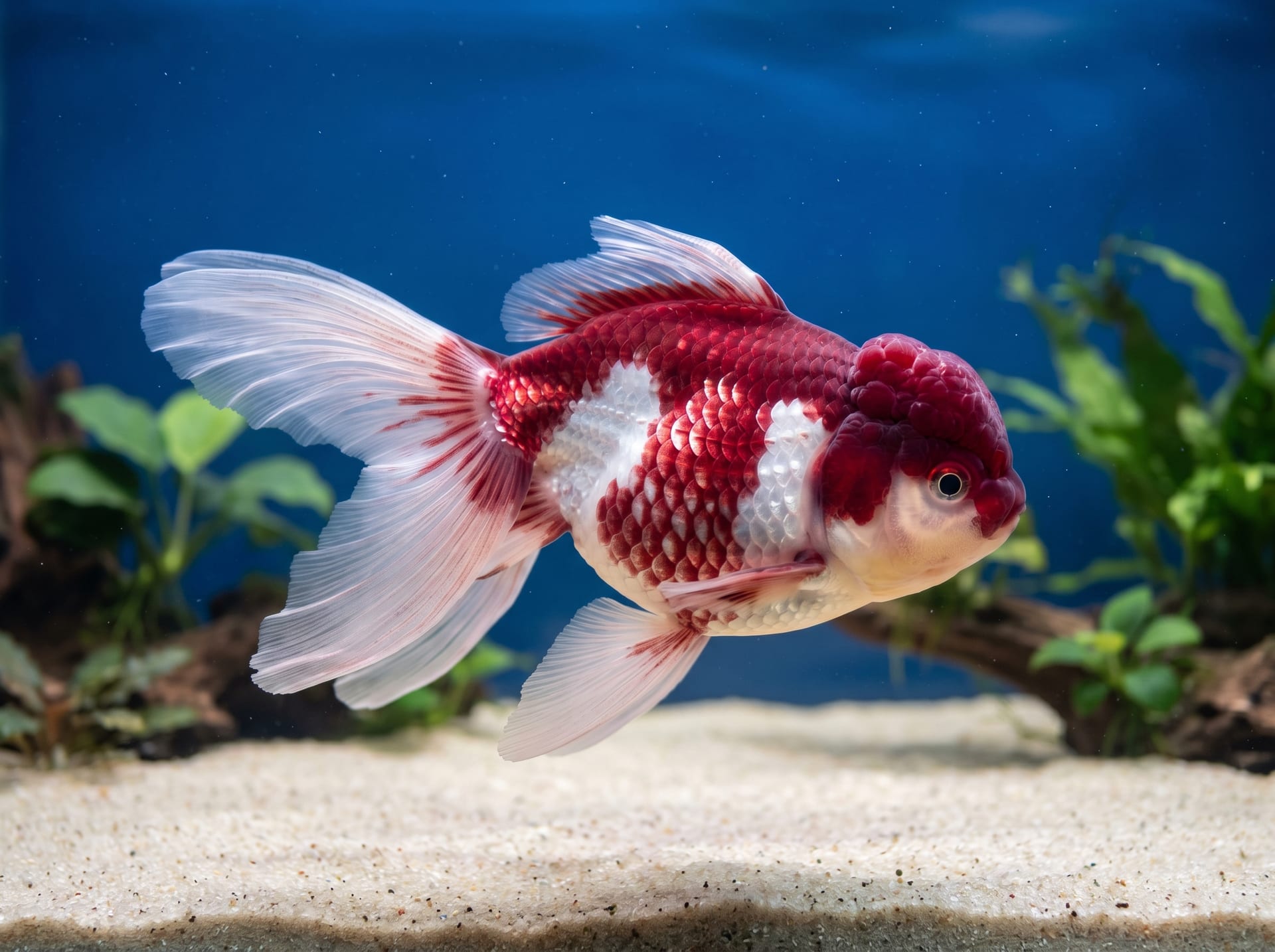
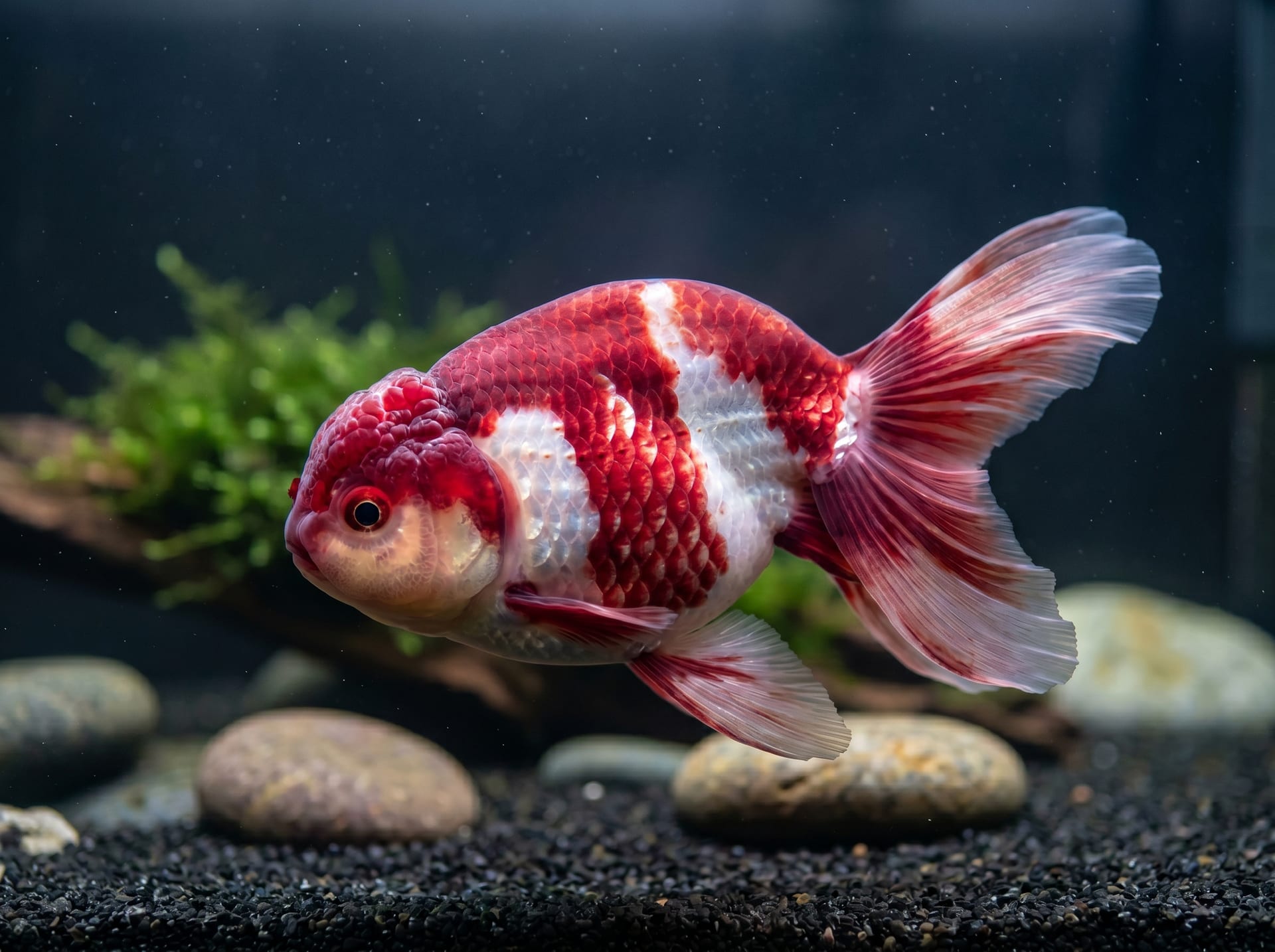
A minimum water volume of 10 to 20 liters per goldfish is the guideline. For keeping 2 to 3 goldfish, a 45 to 60 cm aquarium (30 to 60 liters) is appropriate. Large varieties such as ranchu, Dutch lion-head, and ryukin can reach 20 to 30 cm as adults, so it's wise to choose 60 cm or larger from the start with future growth in mind. The greater the water volume, the more gradual water quality changes become, reducing management difficulty.
Aquarium shape is also important — a tank that is wider than it is tall provides a larger water surface area, allowing more oxygen to dissolve. Since goldfish consume significant amounts of oxygen, choosing a horizontal-type aquarium is strongly recommended.
Filter (Filtration System)
Goldfish produce more waste than other ornamental fish and pollute the water faster, making a filter essential. The choice depends on tank size and the number of fish being kept.
- Top filter: Excellent cost-performance ratio and easy to maintain. The standard choice for 60 cm tanks and most recommended for beginners. Provides aeration as well.
- External filter: Offers the highest filtration capacity and excellent quiet operation. Ideal for 60 cm or larger tanks with multiple fish, though prices are somewhat higher.
- Sponge filter (bubble stone type): Most convenient but has limited filtration capacity. Best used as a supplementary filter rather than alone.
Air Pump (Aeration)
Goldfish consume considerable amounts of oxygen. While top filters come with aeration built in, it is safer to install a separate air pump when using an external filter or keeping multiple fish. Especially during high water temperature periods in summer (28°C or above), dissolved oxygen levels in the water drop significantly, making enhanced aeration critical for survival.
Dechlorinator (Chlorine Neutralizer)
Chlorine and chloramine in tap water damage fish gills and kill beneficial bacteria in the tank. Always use dechlorinator during water changes. Liquid type is most common, works immediately, and should be used according to the specified dosage. Larger quantities bring down the per-unit cost.
Thermometer
The ideal water temperature for goldfish is 15 to 28°C. Sudden temperature fluctuations (5°C or more per day) can weaken the immune system and increase the risk of white spot disease, fin rot, and other illnesses. Since temperatures can change unexpectedly with seasonal changes or heating and cooling systems, a thermometer to monitor it constantly is essential. Digital types are easy to read and recommended.
Recommended Equipment
Heater (Winter)
While goldfish can tolerate a wide temperature range of 0 to 35°C, the problem lies in rapid temperature changes. In indoor settings where water temperature is easily affected by heating and cold in winter, a thermostatic heater that maintains 15 to 18°C significantly reduces disease risk. Keeping young fish or recovering individuals warm is particularly important. Rather than a fixed 26°C heater, choose a thermostat-integrated type that allows setting to any temperature (26°C or below) for better results.
Lighting
Proper lighting serves two purposes. One is to maintain the goldfish's coloration beautifully — light exposure activates melanin pigmentation, enhancing color vibrancy. The other is to stabilize the goldfish's biological rhythm by maintaining a consistent light cycle. Eight to twelve hours of lighting per day is the guideline, and using a timer socket makes management easier. LED lighting is superior to fluorescent tubes in terms of electricity costs, heat output, and lifespan, and is now the standard choice.
Lid (Cover)
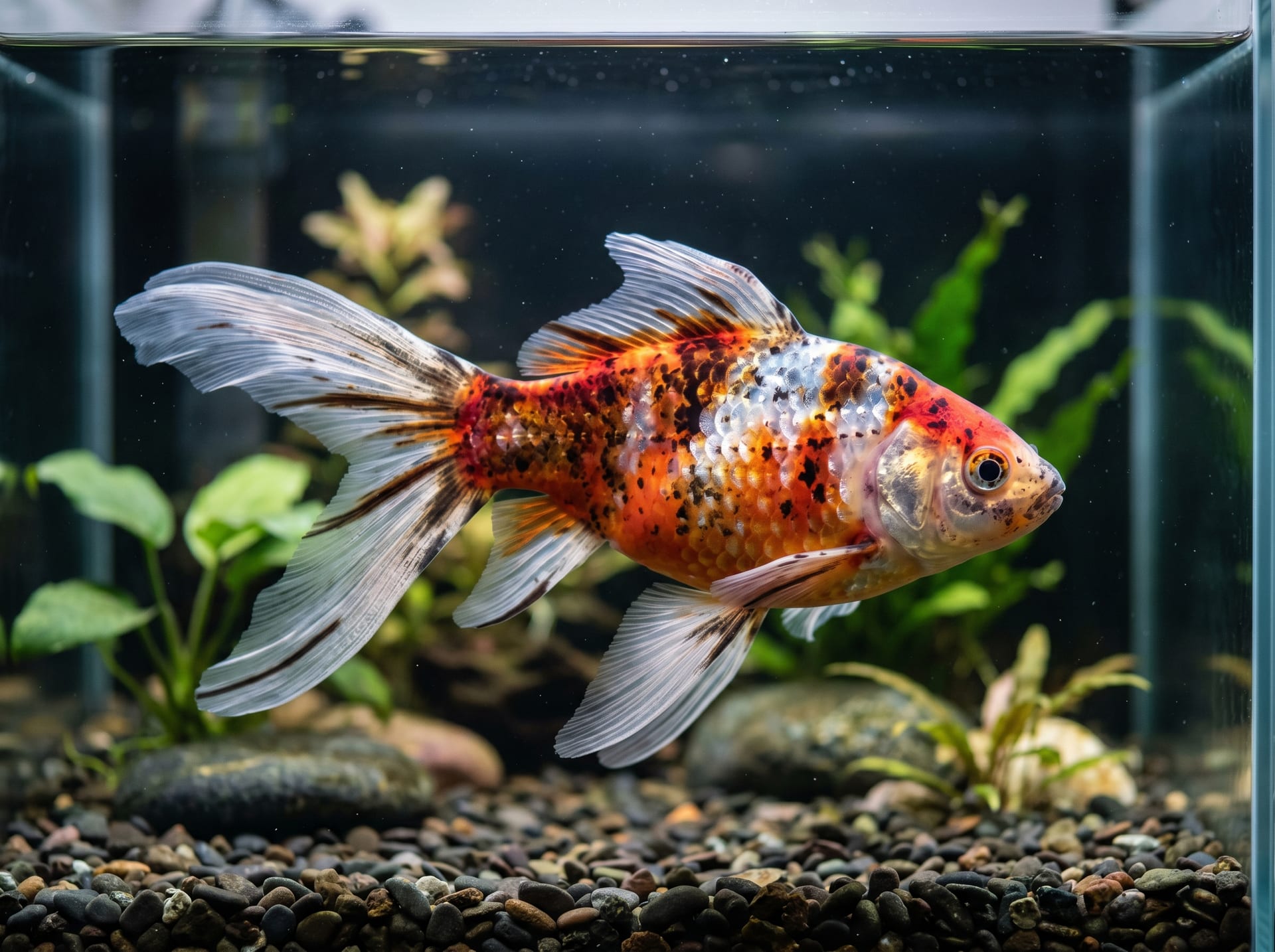
Goldfish have surprising jumping ability and can occasionally leap out of the tank. Special attention is needed for streamlined varieties like sarasa and wakin, which are more active. A lid also reduces evaporation and water level drop while preventing dust and foreign objects from entering the tank, so having a cover provides peace of mind.
Convenient Equipment & Tools
Water Quality Test Kit
A kit that measures ammonia, nitrite, nitrate, and pH is especially valuable during the initial setup phase (the first 2 to 4 weeks). Before the nitrogen cycle is established, harmful substances can spike rapidly, and checking values to perform water changes at the appropriate time directly protects goldfish lives. Liquid reagent test kits are more accurate than test strips, and the API Freshwater Master Test Kit is a reliable standard product that beginners can easily use.
Substrate/Sand & Gravel
While not essential, it serves as a medium for beneficial bacteria to colonize and supplements biological filtration. It encourages natural goldfish foraging behavior at the bottom and helps reduce stress. When choosing, select "medium-sized" grains that are neither too large nor too small, with rounded edges to prevent injury if goldfish accidentally ingest them. Substrate should be 2 to 3 cm deep; if too deep, anaerobic layers form, risking harmful gas production.
Pro Hose (Substrate Cleaner)
A substrate cleaner that can regularly remove waste and uneaten food accumulated at the bottom dramatically improves water-change efficiency. The "Pro Hose" series of siphon-type substrate cleaners, which combine water changes with bottom cleaning, is beloved by many goldfish keepers as a standard tool. It is faster than a dropper and allows easier adjustment of water change volume.
Initial Cost Guide
| Item | Price Range |
|---|---|
| 60 cm aquarium (set) | ¥5,000–¥15,000 |
| Top filter | ¥3,000–¥8,000 |
| Dechlorinator (large size) | ¥500–¥1,500 |
| Air pump | ¥1,000–¥3,000 |
| LED lighting | ¥2,000–¥8,000 |
| Heater (with thermostat) | ¥2,000–¥5,000 |
| Digital thermometer | ¥800–¥2,000 |
| Substrate (approx. 3 kg) | ¥500–¥2,000 |
| Pro Hose | ¥1,000–¥2,500 |
| Total Estimate | ¥15,800–¥47,000 |
Choosing an aquarium set — a product that bundles the tank, filter, and lighting together — is often more affordable than buying individual items. Amazon and Rakuten regularly have these sets on sale, so comparing prices before purchase is worthwhile.
Choosing Suitable Goldfish on BreederDirect
Once you've assembled your equipment, it's time to choose your goldfish. On BreederDirect, you can purchase directly from breeders who clearly document variety, size, and care conditions. Rare varieties difficult to find in pet shops are also available, and the strength of direct sales is that you can easily ask breeders questions like "What varieties are easiest for beginners in a 60 cm tank?" or "How do these two get along if I buy a pair?" — a level of consultation pet shops simply cannot provide.
After setting up your equipment and establishing your tank's cycle, welcome home the healthy goldfish you've chosen from BreederDirect, and enjoy a long and fulfilling goldfish-keeping experience.