Goldfish Diseases and Treatment Guide | Prevention of Ich, Swim Bladder Disease, and Gill Disease
Explains symptoms and treatments for common goldfish diseases (ich, swim bladder disease, gill disease, dropsy, etc.). Covers proper salt bathing methods, medication bath procedures, and water quality management for disease prevention.
Key Takeaways
Explains symptoms and treatments for common goldfish diseases (ich, swim bladder disease, gill disease, dropsy, etc.). Covers proper salt bathing methods, medication bath procedures, and water quality management for disease prevention.
Related Species
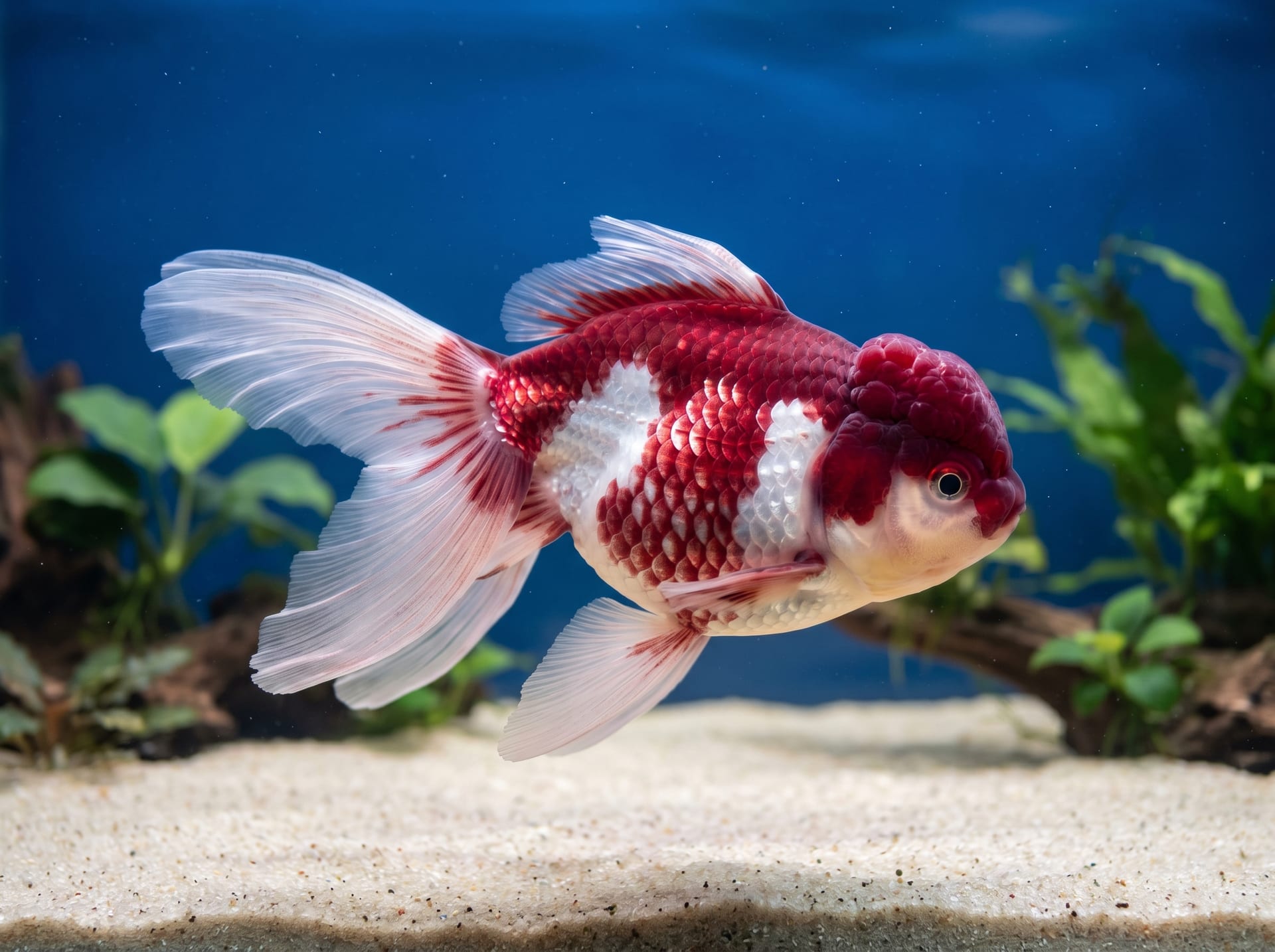
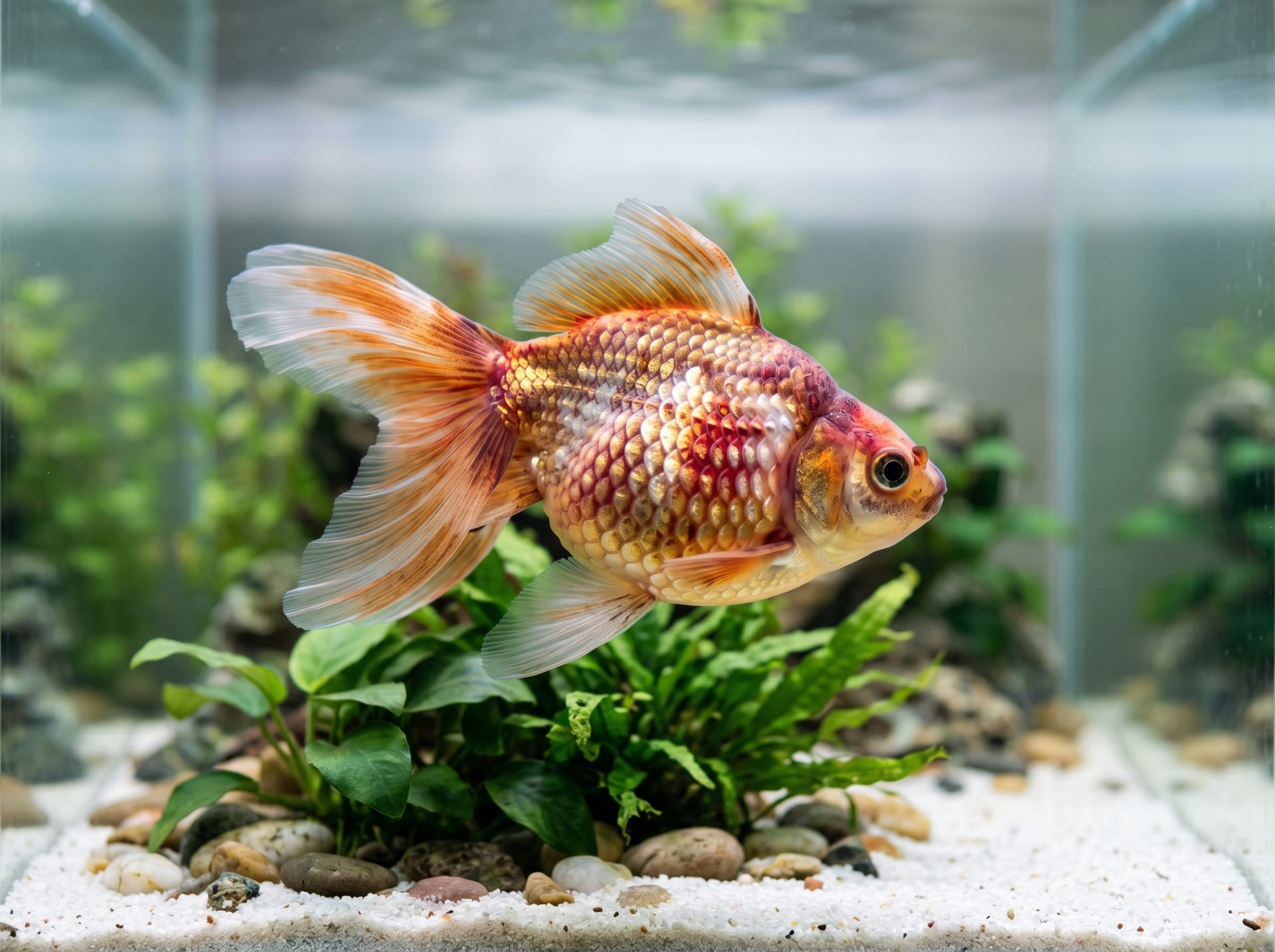
Goldfish have long been beloved ornamental fish in Japan, but when stress factors such as water quality deterioration, sudden temperature fluctuations, and overcrowding combine, their immunity drops and various diseases occur. Most diseases can be recovered from with proper treatment in the early stages, but delayed discovery can be life-threatening. Daily observation habits and correct knowledge are your greatest weapons for protecting your goldfish's health. Establishing a habit of daily observation is also important.
Ich (Ichthyophthirius Infection)
This is one of the most common diseases goldfish keepers encounter first. It is caused by a protozoan parasite called "Ichthyophthirius multifiliis (ich parasite)" that infects the body surface, causing white salt-grain-like spots to spread across the entire body.
Progression of Symptoms
In the early stages, only a few white spots appear on the fins or head, but if left untreated, they will cover the entire body, leading to respiratory difficulty and death from exhaustion. The fish rubbing its body against aquatic plants or substrate in a "shimmying" behavior is also a typical sign.
Causes and Transmission Routes
- The lower the water temperature, the slower the reproduction cycle of the ich parasite (but at low temperatures, the parasite survives and fish immunity decreases, making infection more likely)
- Cysts (resistant eggs) are introduced when new fish or aquatic plants are added
- Stress from sudden temperature changes reduces immunity
Treatment Method
First, gradually raise the water temperature to 28–30°C (1–2°C per day). At higher temperatures, the parasite's life cycle is shortened and medications become more effective. At the same time, perform a medication bath using methylene blue or malachite green-based medications (such as "Green F" and "Aguten"), continuing for at least 7–10 days. To eliminate remaining cysts in the main tank, it is important to simultaneously clean the substrate and filter. See Medication Bath Complete Guide | Main for more information.
Prevention Golden Rules
Newly purchased goldfish must always be quarantined in a treatment tank (separate aquarium) for 1–2 weeks and confirmed to show no symptoms before transferring to the main tank. This extra step is the most reliable way to prevent mass infection.
Swim Bladder Disease (Swim Bladder Disorder)
This disease is particularly common in round-bodied varieties—such as ryukin, ping pong pearl, and Dutch lionhead—and occurs when the swim bladder's regulatory function is lost, leaving the fish unable to swim on its own while overturned at the water surface.
Symptoms and Types
There is a "floating type" where gas accumulates excessively in the swim bladder, and a "sinking type" where dysfunction causes the fish to sink. Both can be identified by tilting of the body or loss of posture.
Main Causes
| Cause | Details |
|---|---|
| Indigestion/Overeating | Gas accumulates in the digestive tract and compresses the swim bladder |
| Sudden Low Water Temperature | Reduced digestive function + muscle stiffness |
| Genetic/Body Type | Excessively round body shapes are prone to swim bladder deformation |
| Bacterial Infection | Inflammation of tissue around the swim bladder |
Treatment
First, rest the digestive system by fasting for 1–2 days. While maintaining water temperature at 25–26°C, offering small amounts of boiled and cooled peas can improve the condition (their fiber helps resolve constipation). Digestive System Trouble Complete Guide | Constipation is also helpful. Since chronic swim bladder disease is difficult to cure completely, early detection and early intervention are essential. As prevention, soaking feed in water for a few seconds before feeding reduces the amount of air the fish swallows.
Gill Disease (Bacterial and Parasitic)
Gill disease is not caused by a single pathogen but is a collective term for conditions in which gill tissue is damaged by multiple causes. Since the gills, which are the front line of oxygen exchange, cease to function, the condition deteriorates rapidly and requires attention. You can find more details in Gill Disease Complete Guide | Causes.
Symptom Checkpoints
- "Gasping" at the water surface with the mouth opening and closing
- The gill cover is open on only one side or fluttering rapidly
- The gills lose their red color and become whitish
- Loss of appetite, lethargy, and lying on its side
Treatment Approach by Cause
Bacterial (Columnaris and Aeromonas)
Medication bath using Green F Gold granules (furan-type antibacterial agent) is effective. Since these bacteria proliferate rapidly when water quality deteriorates, combining it with water changes increases effectiveness.
Parasitic (Gyrodactylus and Dactylogyrus)
Praziquantel-based medications (such as "Lesvermin" and "Tropical") or salt baths (0.5–0.6%) are effective. Salt Bath Complete Manual | Concentration adjusts the fish's osmotic pressure and helps boost immunity.
In either case, it is important to first perform a full water change (at least half) of the tank and create an environment that maximizes the effectiveness of the medication.
Daily Management to Prevent Disease
Most goldfish diseases occur as a result of water quality deterioration. By making the following management practices routine, you can significantly reduce the risk of disease. See Water Quality Management Complete Guide: pH as well.
Water Quality Management Basics
- Water change of approximately 1/3 of the tank once per week: Prevents accumulation of ammonia and nitrite
- Maintain pH 7.0–7.5: Deviations increase the toxicity of harmful substances
- Keep water temperature fluctuations within 2°C per day: Use of heater and thermostat recommended
- Rinse filter once per month with aquarium water: Chlorinated tap water must never be used as it kills beneficial bacteria
Feeding Tips
Excessive feeding is the leading cause of water quality deterioration. A feeding amount should be enough to be consumed in 2–3 minutes, and any uneaten food must be immediately removed. When away for extended periods such as travel, fasting is sometimes better for maintaining water quality.
Observation Habits
Each morning during feeding, check four points: fin shape, abnormalities on the body surface, swimming pattern, and appetite. Abnormalities often appear as behavior changes, and by the time ich or injury becomes visible to the naked eye, the condition has often already progressed significantly.
Basic Knowledge of Medication and Salt Baths
Here are key points to keep in mind when using medication for the first time.
Basic Rules of Medication Baths
- Medication baths should be performed in a dedicated treatment tank (a bucket is acceptable), not in the main tank
- Activated carbon filters must always be removed during medication baths as they absorb medication
- Continue aeration during medication baths to supply oxygen
- Follow the prescribed dose and do not overdose even if results are not immediate
Salt Bath Method
A salt bath of 0.5–0.6% (50–60 g of salt per 10 L of water) has supplementary effects on many diseases and has few side effects, making it widely used as an initial treatment. However, since it is harmful to plants (aquatic plants), it must be performed in a separate container without aquatic plants. Check the details of Salt Bath Therapy as well.
Post-Recovery Care
After medication bath treatment ends, perform "acclimation" by gradually introducing the fish to main tank water over several days to avoid sudden environmental changes. Pay special attention to water quality for 1–2 weeks while the immune system recovers.
Fin Rot and Mouth Rot
Causes and Characteristics
This is a bacterial infection caused by Columnaris (Flavobacterium columnare). This bacterium is naturally present in water, and infection occurs when water quality deteriorates, overcrowding, injury, or immune suppression from stress occurs. Since bacterial activity increases with water temperature, the condition tends to be more prevalent in summer.
How to Identify Symptoms
Fin rot is characterized by the fin tips becoming cloudy white and disintegrating. As the condition progresses, the tail fin may be lost entirely down to the base. Mouth rot, with white haze around the mouth, is also caused by the same bacterium and is characterized by loss of appetite and the fish keeping its mouth open. Be careful not to confuse it with "water mold disease" (cotton-like white clumps) which has similar symptoms. Water mold has fluffy fungal hyphae and does not disintegrate from the tip like fin rot.
Treatment
- Green F Gold granules and Elbaage Ace: Effective medications for bacterial diseases used in medication baths (dissolve the prescribed amount per 10 L of water)
- Salt bath (0.3–0.5%): Mild cases may improve with salt bath alone
- Fundamental water quality improvement: Substrate cleaning, filter maintenance, and reviewing water change volume
- Mild infections: Can also be treated with malachite green (Hico San Z)
The medication bath period is approximately 5–7 days. If there is no sign of improvement, consider changing medications or consulting a veterinarian experienced in fish disease.
Preparing and Operating an Isolation Tank
When disease is discovered, the first thing to do is isolate the fish. By moving the affected fish from the main tank to a separate tank (isolation tank), you can prevent infection to other fish while providing concentrated treatment.
Minimum Requirements
- Tank (approximately 20–30 L)
- Air pump and air stone (oxygen supply)
- Heater and thermometer
- Lid (to prevent jumping out)
- Sponge filter (can be used during medication baths)
Use water from the main tank for the isolation tank to minimize stress from sudden water quality changes. If using new water, remember to dechlorinate it.
Find Healthy Goldfish with BreederDirect
The health condition of your first goldfish is extremely important in reducing disease risk. In BreederDirect's goldfish category, you can purchase directly from breeders whose water quality, stocking density, and feed type are carefully managed. You can also ask sellers directly about their breeding environment and disease history. Starting with a healthy fish is the best shortcut to a long life with goldfish.