Complete Goldfish Salt Bath Manual | Concentration, Duration, and Precautions
Explains the correct method for goldfish salt bathing. Covers how to create 0.5% concentration, appropriate duration, combined use with medicated treatments, and important precautions to avoid.
Key Takeaways
Explains the correct method for goldfish salt bathing. Covers how to create 0.5% concentration, appropriate duration, combined use with medicated treatments, and important precautions to avoid.
Related Species
Salt bathing is the most straightforward treatment and preventive method for goldfish experiencing health issues or early-stage illness. Goldfish body fluids contain approximately 0.6% salt concentration, and salt bathing works by eliminating the salt difference with tap water (freshwater) to reduce osmotic pressure stress and enhance the goldfish's recovery ability. This article provides a detailed explanation of the correct salt bathing method and important precautions.
Effects and Principles of Salt Bathing
Because goldfish have a higher salt concentration in their body fluids (approximately 0.6%) than the surrounding freshwater (0%), water continuously enters their bodies due to osmotic pressure differences. Goldfish continuously expel this excess water through their kidneys, which consumes energy.
When salt is added to the aquarium water to bring it to approximately 0.5%, the osmotic pressure difference between the water and body fluids decreases, allowing goldfish to conserve the energy used for water expulsion. This freed energy can be redirected toward physical recovery and immune system strengthening, resulting in faster recovery from illness.
Additionally, at a 0.5% salt concentration, some pathogens and parasites can be damaged, so therapeutic effects can be expected for mild infections.
Correct Method for Salt Bathing
What you'll need: Table salt (without additives), a scale for measuring, a container for salt bathing (a bucket or plastic container will work), aeration, and a heater (as needed by season).
How to create 0.5% salt concentration: Add 5g of salt per 1 liter of water. For 10 liters, use 50g; for 20 liters, use 100g. Always measure accurately with a scale.
How to add salt: Rather than adding all the salt at once, dissolve and add it in 3-4 portions at 30-minute to 1-hour intervals. Sudden changes in salt concentration can shock the goldfish. Be particularly cautious and add it gradually to weakened individuals.
Types of salt to use: Use table salt (containing 99% or more sodium chloride). Avoid coarse salt or seasoned salts like Ajishio (containing umami seasoning) due to their additives. Specialized aquarium salt is ideal if available, but inexpensive table salt from a supermarket works just fine.
✍️
BreederDirect Editorial
The BreederDirect editorial team specializes in care information for animals, covering veterinary care and breeding to deliver beginner-friendly guides.
Find Goldfish on BreederDirect
Buy directly from verified breeders
Browse Related Listings
Find Goldfish listings related to this article on BreederDirect. Buy directly from verified breeders.
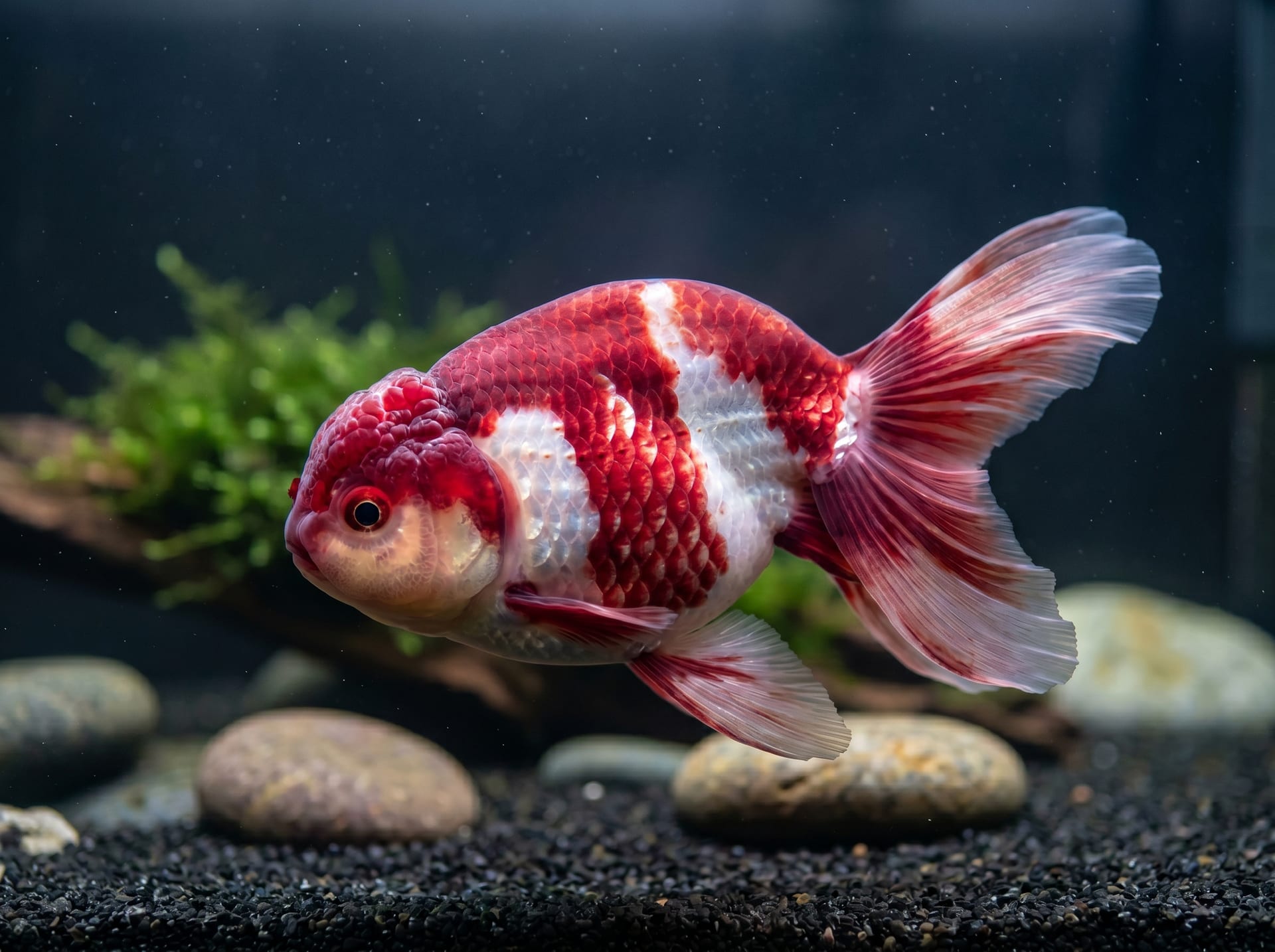
Different goldfish breeds have different body structures, so considerations during salt bathing vary. Breeds like Pearl Scale, where the scales themselves are raised in a pearl-like manner, have scales that are difficult to regenerate once damaged. When adding salt, be sure to dissolve it in water first so that salt particles don't directly contact the container walls. Breeds without dorsal fins, like Ranchu and Izumo Nankin, have weaker swimming ability. Excessive water flow during salt bathing can easily exhaust them, so it's recommended to keep aeration settings gentle.
Salt Bathing Duration and Management
Duration: Generally, 3-7 days is the standard guideline. For preventive salt bathing of mild health issues, about 3 days is sufficient; for early-stage illness treatment, continue for 5-7 days. If no improvement is seen, consider switching to medicated treatment.
Water changes: Perform 1/3 to 1/2 water changes every 2-3 days during salt bathing. Be sure to dissolve the same concentration of salt in the new water before adding it. Water becomes dirty more easily during salt bathing, so frequent water changes are important.
Feeding: Don't feed during the first 1-2 days of salt bathing. This redirects energy used for digestion toward recovery. From day 3 onward, offer small amounts of food if the goldfish shows appetite.
Water temperature: Maintain normal aquarium temperature (20-25°C). Low water temperature reduces therapeutic effectiveness, while excessively high temperature causes rapid energy depletion.
How to End Salt Bathing
When ending salt bathing, do so gradually. Rather than abruptly returning to freshwater, use water without salt during water changes and gradually reduce the salt concentration over 2-3 days. For example, lower to 0.3% on day 1's water change, to 0.1% the next day, and return to freshwater the following day.
Combining with Medicated Treatment
If salt bathing alone doesn't improve conditions or if clear disease symptoms are present, combine it with medicated treatment.
White spot disease: Combining methylene blue or malachite green-based medications with 0.5% salt bathing is effective.
Tail rot disease: Combining antibacterial medications like Green F Gold with salt bathing is common.
Water mold disease: Use methylene blue-based medications combined with salt bathing. Carefully remove water mold using tweezers before medicated treatment.
However, some medications are incompatible with salt, so always check the medication instructions.
Important Precautions to Avoid
Excessive salt concentration: Salt concentration exceeding 1% damages goldfish. Making it stronger to increase effectiveness is counterproductive.
Salt bathing in tanks with aquatic plants: Salt kills most aquatic plants. Always perform salt bathing in a separate container.
Prolonged salt bathing: Salt bathing for more than 2 weeks can potentially weaken goldfish's osmoregulatory function. If salt bathing needs to extend longer, consult a veterinarian.
Adding new goldfish: Don't add other goldfish to a salt bath container. If diseased goldfish are present, there's a risk of infection spreading.
Early Disease Detection Checklist
Develop a habit of checking the following points during daily observation.
Any abnormalities in swimming (tilting, sinking, floating, rubbing against surfaces)
Any white spots, redness, deterioration, or cotton-like growths on body surface or fins
Whether gill movement is symmetrical on both sides and breathing hasn't accelerated
Any changes in appetite (suddenly stops eating or poor feeding)
Normal fecal condition (white thread-like feces indicate digestive upset)
Separating from the group or hiding alone in a corner
If abnormalities are detected, isolate the fish first, check water quality, and consider salt bathing or medicated treatment as needed.
Frequently Asked Questions About Salt Bathing
Is regular table salt okay?
Yes, additive-free table salt (refined or natural salt) works fine. However, avoid salt containing bittern (magnesium chloride) or seasoned salts like Ajishio. Specialized aquarium salt is also available, but there's little difference in effectiveness compared to regular table salt.
Should aquatic plants and filters be left in place?
Don't place aquatic plants in the salt bathing container as they will die in salt water. Regarding filters, beneficial bacteria in biological filtration can be weakened by salt. It's best to manage with aeration only and avoid using filters during salt bathing.
How quickly does salt bathing show results?
For mild health issues, improvement is often seen within 2-3 days. If no improvement occurs after 5-7 days, the condition may require more than salt bathing alone, so consider switching to medicated treatment.
Knowledge about salt bathing is a fundamental skill in goldfish keeping, but the most important thing is to acquire healthy specimens. On BreederDirect, you can purchase healthy goldfish directly from breeders who raise them with care. In case of health issues, you can also consult with breeders about salt bathing methods and appropriate treatments.