Charm of Ryukin
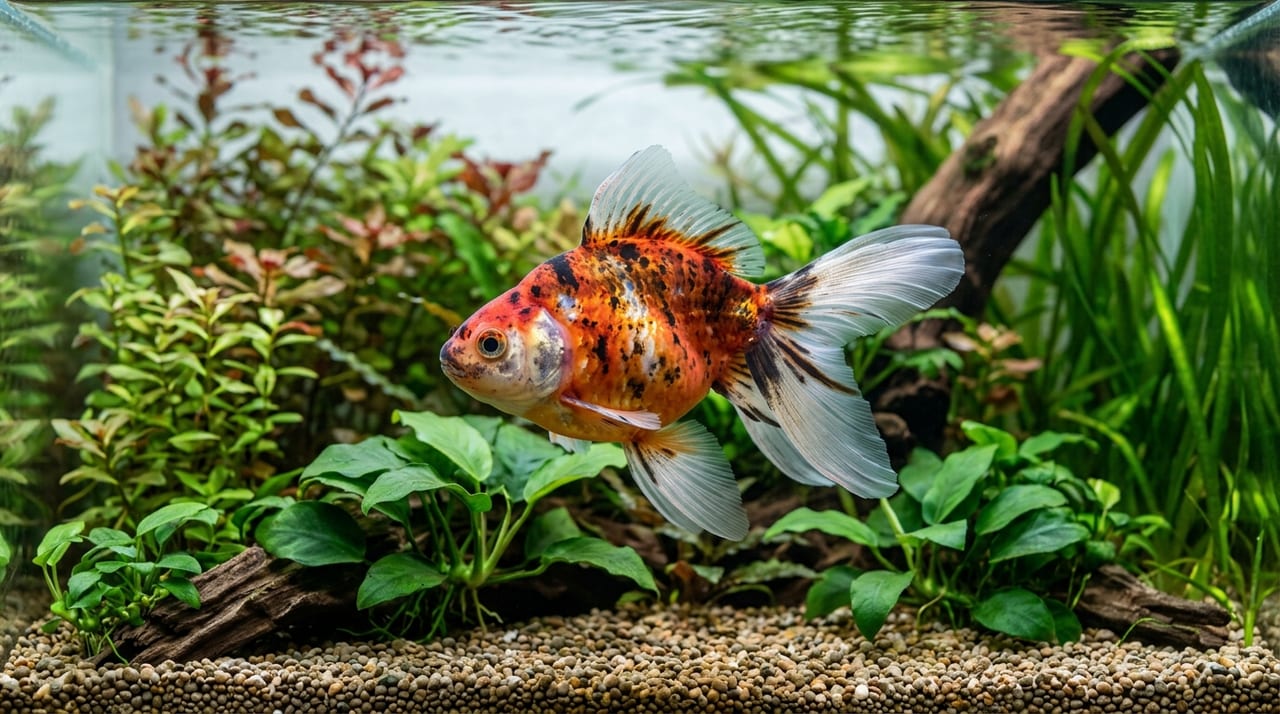
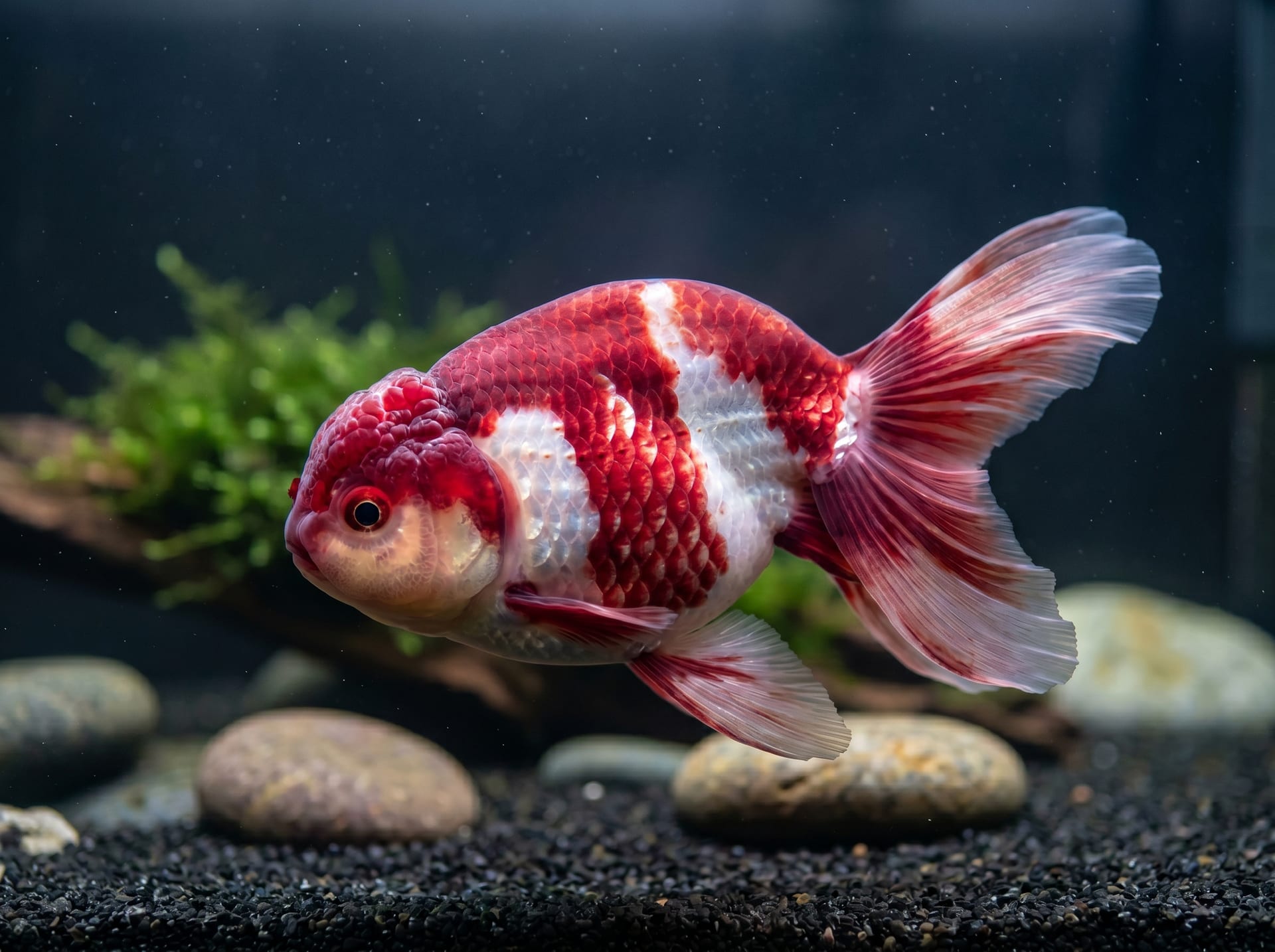
Ryukin goldfish, known as the "king of goldfish," are the quintessential breed representing Japanese goldfish culture. With no dorsal fin, a rounded body shape, a magnificent hood, and an elegant flowing tail—their form has been refined through centuries of Japanese aesthetics.
Ryukin are beloved for many reasons:
- Deep appreciation value: The beauty seen from above is unmatched among ornamental fish
- Show culture: Competitive shows are held throughout the country, fostering active exchanges among enthusiasts
- Breeding enjoyment: The fun of selective breeding and rearing toward an ideal body type is the essence of goldfish keeping
- History and tradition: You can experience Japanese goldfish culture that has continued since the Edo period
- Longevity: With proper care, they often live over 10 years
How to Evaluate the Head, Back, and Tail
To select a good ryukin, it's important to understand the points of appreciation.
Head (kashira):
- The development of the hood is crucial. A well-balanced hood suited to the breed is ideal
- The eyes should not be completely buried in the hood, with an endearing facial expression
- The "lion-head" shape (with developed toki and funtan) is popular
Back (senari):
- There is no dorsal fin, with the back line forming a smooth arch
- There should be no bumps or indentations on the back
- When viewed from the side, it should form a beautiful curve from the head to the tail base
Tail (o):
- A four-lobed tail spread symmetrically left and right
- The tail ray (central spine) should be firm
- When viewed from above, the tail should open at an appropriate angle to the body
- It should move gracefully when swimming
Overall body shape:
- A thick, wide body type is preferred
- The belly should be full and rounded, with good overall balance
Show Competition Evaluation Criteria
Ryukin competitive shows evaluate the following elements comprehensively:
- Body shape (taikei): Overall balance is most important. A round, thick body type receives high marks
- Head (toubu): Hood development and form. Does it show the breed's characteristics?
- Back (senari): Beauty of the back curve. Should be smooth with no bumps or indentations
- Tail form (ogata): Tail shape, spread, and symmetry. Harmony with swimming
- Coloration (shikisai): Balance of the calico pattern (red and white markings), vividness of color
- Swimming: Stable swimming manner. Individuals with good body balance also swim beautifully
- Size: Size is also evaluated. When quality is equal, larger individuals score higher
If aiming for award placement at a show, planned breeding from the young-of-the-year stage is essential. Competitive shows are held throughout the country in 2026, with active entries from breeders.
Setting Up the Breeding Environment
Here's how to create an environment to keep ryukin healthy and beautiful.
Breeding container:
- Ideally a mud pond or plastic tub for top-down viewing
- If using an aquarium, choose one with a wide width
- Water depth of 20-30cm is appropriate. Overly deep water can affect body shape
Water quality management:
- Optimal water temperature is 15-28°C. Avoid sudden temperature changes
- Green water (containing algae) is the traditional method. Phytoplankton also serves as food
- Water changes of 1/3 to 1/2 once or twice weekly. Careful management is key to health
Feeding:
- Use quality artificial goldfish pellets as the base, supplemented with bloodworms or brine shrimp
- High-protein food is said to be effective for hood development
- Be careful not to overfeed, as it causes water quality deterioration and swim bladder disease
Seasonal management:
- In winter, lower water temperature below 10°C for hibernation to improve breeding vigor and vitality the following year
- Gradually raise water temperature toward the spring spawning season
Benefits of Purchasing from Breeders
There are many benefits to purchasing ryukin directly from a breeder:
- Clear pedigree: You can understand the parent fish information, making future growth predictions easier
- Receive breeding advice: You'll learn the characteristics of fish raised in that breeder's environment
- Select show-quality individuals: Find quality specimens not available at shops
- Assured health status: Since managed directly by the breeder, you'll know the health history and constitution
- Breeding consultation available: Get advice on partner selection if you want to breed yourself in the future
Pre-Purchase Checklist Summary
When purchasing goldfish, confirm the following points:
| Checklist Item | Good Condition | Should Avoid |
|---|
| Swimming | Active and stable | Floating, sinking, or tilted |
| Body surface | Shiny and clean | White spots, bleeding, cotton-like growth |
| Fins | Taut and intact | Tears, erosion, or bleeding |
| Gills | Moving evenly on both sides | Moving on one side only, rapid breathing |
| Appetite | Responds to food | Indifferent, won't eat |
Also check the condition of the tank as a whole. Individuals from tanks with cloudy water or dead fish may already be infected. Purchasing from a reliable breeder or specialist shop significantly increases your chances of obtaining a healthy individual.
Practical Ryukin Breeding Advice
Ryukin are a particularly demanding goldfish breed to care for, but the joy of raising them is correspondingly greater. By following these points, you can raise healthy and beautiful ryukin:
- Keep water shallow: 20-30cm is ideal. Overly deep water stresses the body
- Maintain gentle water flow: A sponge filter is optimal. Strong currents cause fatigue
- Small, frequent feeding: Feed 2-3 times daily, giving small amounts of ryukin-specific food that's easy to digest
- Frequent water changes: 2-3 times weekly, changing 1/3 to 1/2 of the water is ideal
- Consider green water rearing: In outdoor setups, light green water (containing algae) is said to promote hood development
- Winter management: Below 10°C water temperature, stop feeding and minimize water change frequency
Hood development is largely genetic, but high-protein food and stable water quality management can promote development.
Finding Ryukin on BreederDirect
BreederDirect features ryukin breeders from throughout the country offering their finest specimens. You can directly purchase from award-winning breeders or experienced veteran breeders. With comprehensive pedigree information and breeding environment descriptions, even first-time ryukin keepers can feel confident. Additionally, while referencing other popular goldfish care guides like the calico goldfish color enhancement guide and the complete guide to goldfish salt therapy, please visit BreederDirect to find your ideal specimen.