A Beginner's Guide to Goldfish Shows | Judging Standards, Competition Preparation, and Husbandry
This guide explains the types of major goldfish competitions, judging standards, how to prepare exhibition fish, and what to do on competition day—all tailored for beginners aiming to enter shows.
Key Takeaways
This guide explains the types of major goldfish competitions, judging standards, how to prepare exhibition fish, and what to do on competition day—all tailored for beginners aiming to enter shows.
Related Species
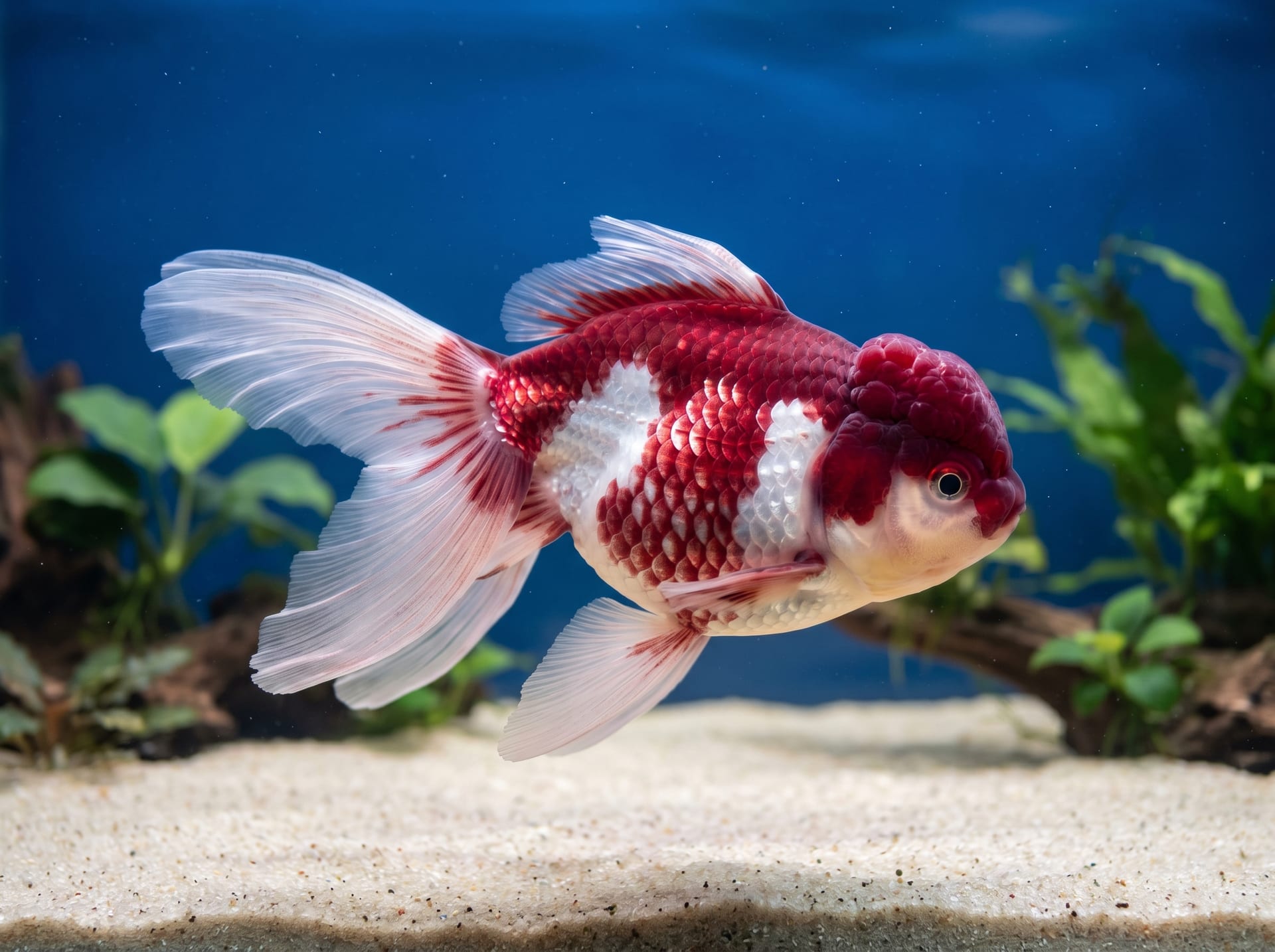
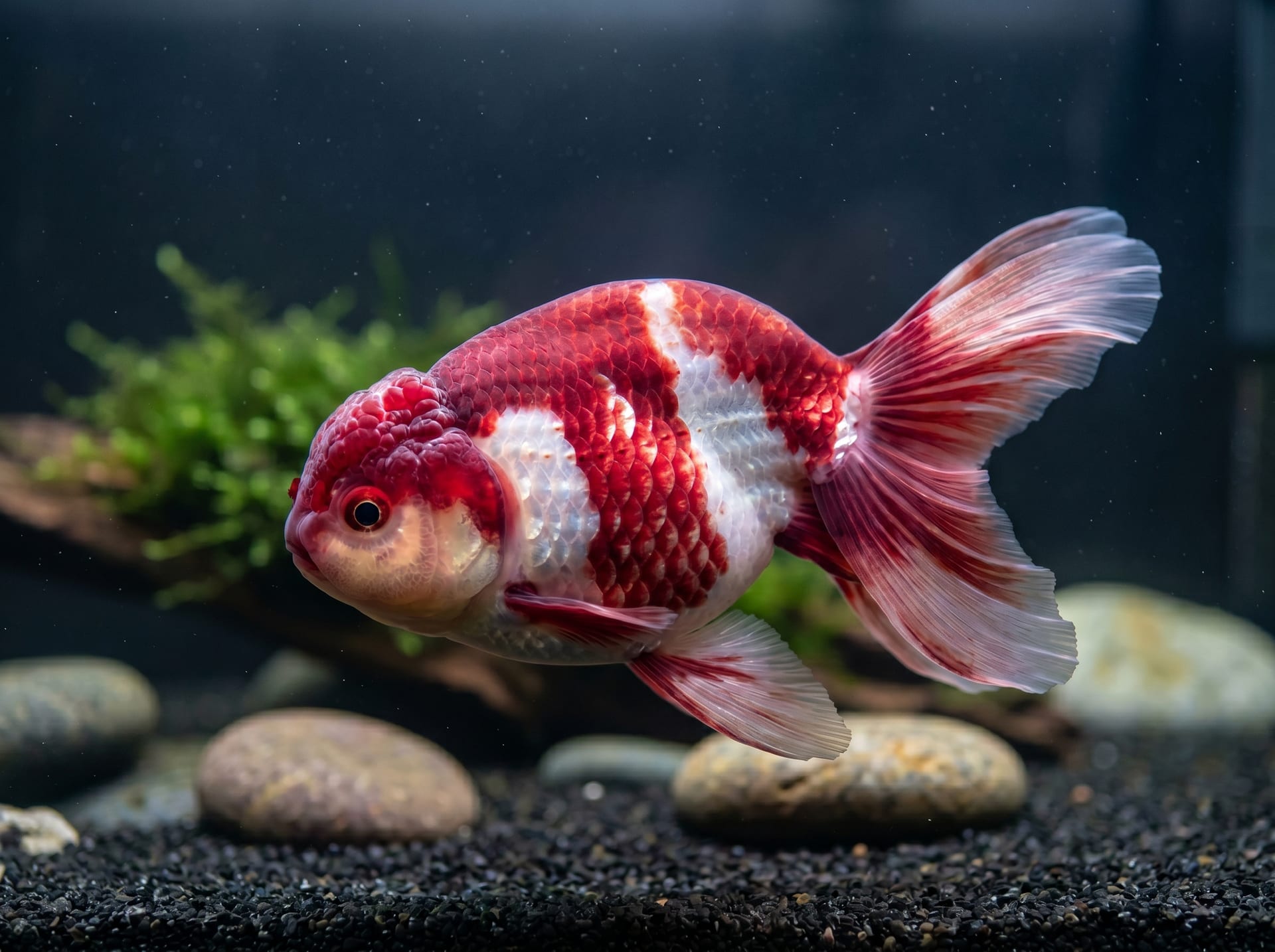
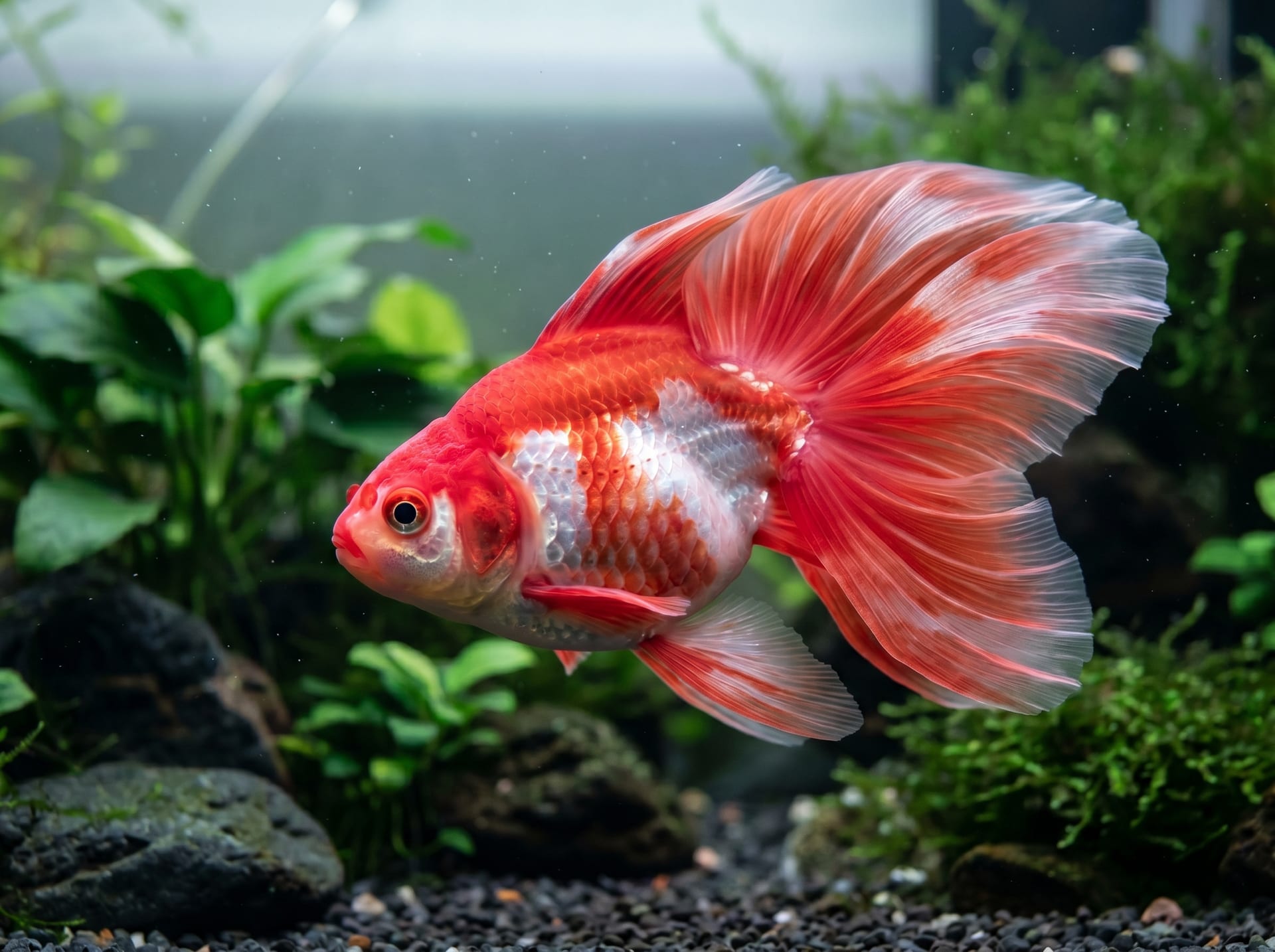
Goldfish shows are traditional events where enthusiasts compete to display the beauty of goldfish they have carefully raised. Held throughout the year across Japan, they also serve as important spaces for hobbyists to connect with one another. Beginners may feel intimidated at first, but with the right knowledge and preparation, anyone can participate in this hobby. This article provides a concrete guide for beginners—from the basics of goldfish shows, through preparation for entry, to how to conduct yourself on the day of competition.
Types of Goldfish Shows and When They Are Held
Goldfish shows are held primarily by breed type. The most popular are Ranchu shows, and tournaments hosted nationwide by the Japan Ranchu Association carry particular prestige, concentrated in fall (September–November). This season is ideal because goldfish display their most vibrant coloration and body shape at this time.
Beyond Ranchu, breed-specific shows for Tosaking, Jigane, Ryukin, Oranda, and Higoi are held in various regions. The scale ranges from small, locally organized club competitions to nationwide tournaments drawing hundreds of fish.
For beginners, I recommend starting by attending a small, locally organized show. You'll get a feel for the judging atmosphere and level while having the chance to speak directly with experienced hobbyists. Viewing is almost always welcomed. Show information is posted on local club websites and goldfish specialty shop bulletin boards, so check regularly starting two to three months before the date.
Understanding Basic Judging Criteria
While judging standards vary by breed, there are common points of evaluation.
Body shape and proportion are the most heavily weighted factors. Judges assess how closely a fish matches the ideal silhouette for its breed. For Ranchu, the smoothness of the back line when viewed from the side, the volume and balance of the head hood, and the depth and width of the body are primary evaluation points. A well-balanced fish has a proportionally large head relative to its rounded body.
Tail shape and movement are also important. Judges look for symmetry, appropriate spread, and graceful fanning when the fish swims. The fineness and neatness of the tail tip are also examined.
Color vibrancy and uniformity are also highly valued. In kohaku (red-and-white) patterns, the balance between red and white is assessed, with preference for vivid, distinct contrast.
Elegance of movement is also judged. Evaluators check whether the fish swims with the calm, characteristic motion of its breed and maintains stable, balanced movement without drifting side to side.
The absence of injuries, disease marks, or scale irregularities is a basic requirement. No matter how excellent the body shape, any visible wounds result in significant point deductions.
Strategically Preparing Your Exhibition Fish
To aim for top placements at shows, strategic preparation beginning several months in advance is essential.
Switching to individual or small-group housing is fundamental. From spring, select prospective competition fish and house them individually in spacious containers to minimize stress while developing full body size. Keeping multiple fish together risks fin damage from nipping, so careful management is necessary.
Feed quality and quantity management are also crucial. Use high-quality pellets as the staple diet while offering live foods such as bloodworms and daphnia two to three times weekly to develop body roundness and thickness. To enhance coloration, introduce feed supplemented with spirulina or carotenoids one to two months before showing—this significantly intensifies red tones. However, overfeeding degrades water quality and causes digestive issues, so feed only what the fish will consume completely.
Increasing water change frequency improves body sheen. Aim for two to three changes weekly, maintaining consistently clear water. Outdoor rearing in concrete pools or tubs enhances color through natural light exposure; most serious show competitors use outdoor systems.
In the one to two weeks before showing, reduce feeding slightly to tighten body shape. It is standard practice to fast completely the day before competition to empty the digestive tract. This prevents defecation during judging and minimizes water fouling.
Exhibition Classes and Entry Application
Shows typically divide entries into classes based on fish size or age. Categories such as "first-year fish," "second-year fish," and "mature fish" compete within their respective classes. First-year fish are raised in their birth year and are judged partly on growth potential and inherent quality.
Entry deadlines typically close several weeks before the show date, so confirm schedules early. Entry forms require information such as breed, size, and exhibitor name. First-time exhibitors should consult with the show organizer in advance to streamline the process.
Day-of Preparation and Conduct at the Venue
Arrive early on show day. Transport your fish in a specialized bag or deep bucket, filling it only about 70% to minimize damage from vibration. Ensure adequate aeration and maintain water temperature with coolers or foam boxes—use ice packs in summer and hand warmers in winter to minimize temperature fluctuation during transport.
Upon arrival, complete entry procedures at the registration desk and transfer your fish to the designated container. Acclimate the fish carefully to avoid sudden temperature changes.
Here is a checklist of items to bring:
- Exhibition fish (in transport container)
- Dechlorinated backup water (2–3 liters)
- Air pump and air stone (if wait times are long)
- Towels and rubber gloves
- Change of clothes (water work may wet your current outfit)
- Camera (if photography is permitted)
During judging, observe quietly and avoid interfering with the judges' work. After judging, regardless of results, actively seek feedback and advice from experienced hobbyists and judges. Shows are competitive events but also excellent opportunities to learn knowledge and technique.
History and Cultural Background of Goldfish Shows
The origins of goldfish shows in Japan trace back to the Edo period. Among merchants and enthusiasts of that era, gatherings called "goldfish competitions" and "goldfish viewings" were held, establishing a culture of displaying breed beauty and cultivation technique.
Modern show format was established during the Meiji and Taishō periods, and today numerous organizations host competitions, including the All-Japan Ranchu Association and local goldfish clubs and municipalities. Large-scale tournaments with entries reaching hundreds or thousands hold an important place as venues where renowned breeders gather.
Representative national goldfish shows:
- Ikeda Goldfish Festival Show (Ikeda City, Osaka)
- Edogawa Goldfish Festival (Tokyo)
- Yatomi Ranchu Show (Yatomi City, Aichi)
- Yamato-Koriyama Goldfish Festival Show (Yamato-Koriyama, Nara)
These shows are open to public viewing, most offering free or low-cost admission, making them ideal entry points into goldfish culture.
Obtaining Show-Quality Goldfish via BreederDirect
To pursue show success, acquiring quality bloodstock is the starting point. No matter how skilled your husbandry, fish with limited genetic potential cannot reach top placements.
BreederDirect lets you purchase directly from goldfish breeders, and you can ask about their track records and more through the messaging feature on each listing page. A key advantage is clear pedigree information and direct advice from sellers on show preparation. Direct sourcing means fresher fish arrive with comprehensive post-purchase support.
First-time show exhibitors can access practical knowledge—from selecting quality fish to daily care—by connecting with experienced breeders. Consider starting by finding a breeder on BreederDirect who passed the operator's screening at registration and taking your first step into the world of goldfish shows.