Goldfish Breed Comparison Guide | Differences Between Wakin, Ryukin, and Ranchu
Comprehensive comparison of representative goldfish breeds by body shape, ease of care, and price range. We've summarized the characteristics of wakin, ryukin, telescope eye goldfish, ranchu, orandas and more to help beginners choose.
Key Takeaways
Comprehensive comparison of representative goldfish breeds by body shape, ease of care, and price range. We've summarized the characteristics of wakin, ryukin, telescope eye goldfish, ranchu, orandas and more to help beginners choose.
Related Species
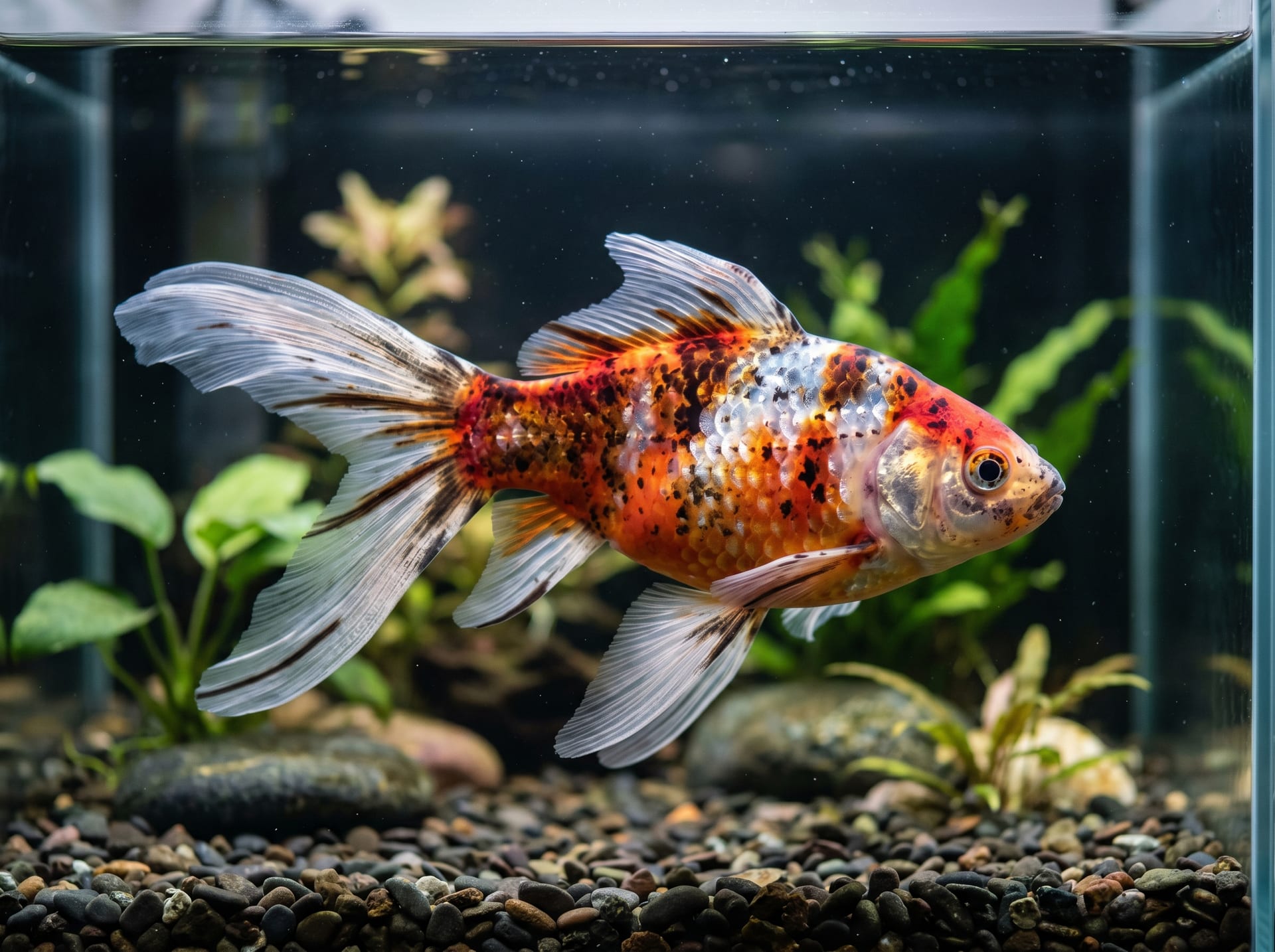

Goldfish Classification by Body Type
More than 100 varieties of goldfish exist in the world, but they are broadly classified into 2 groups based on body shape.
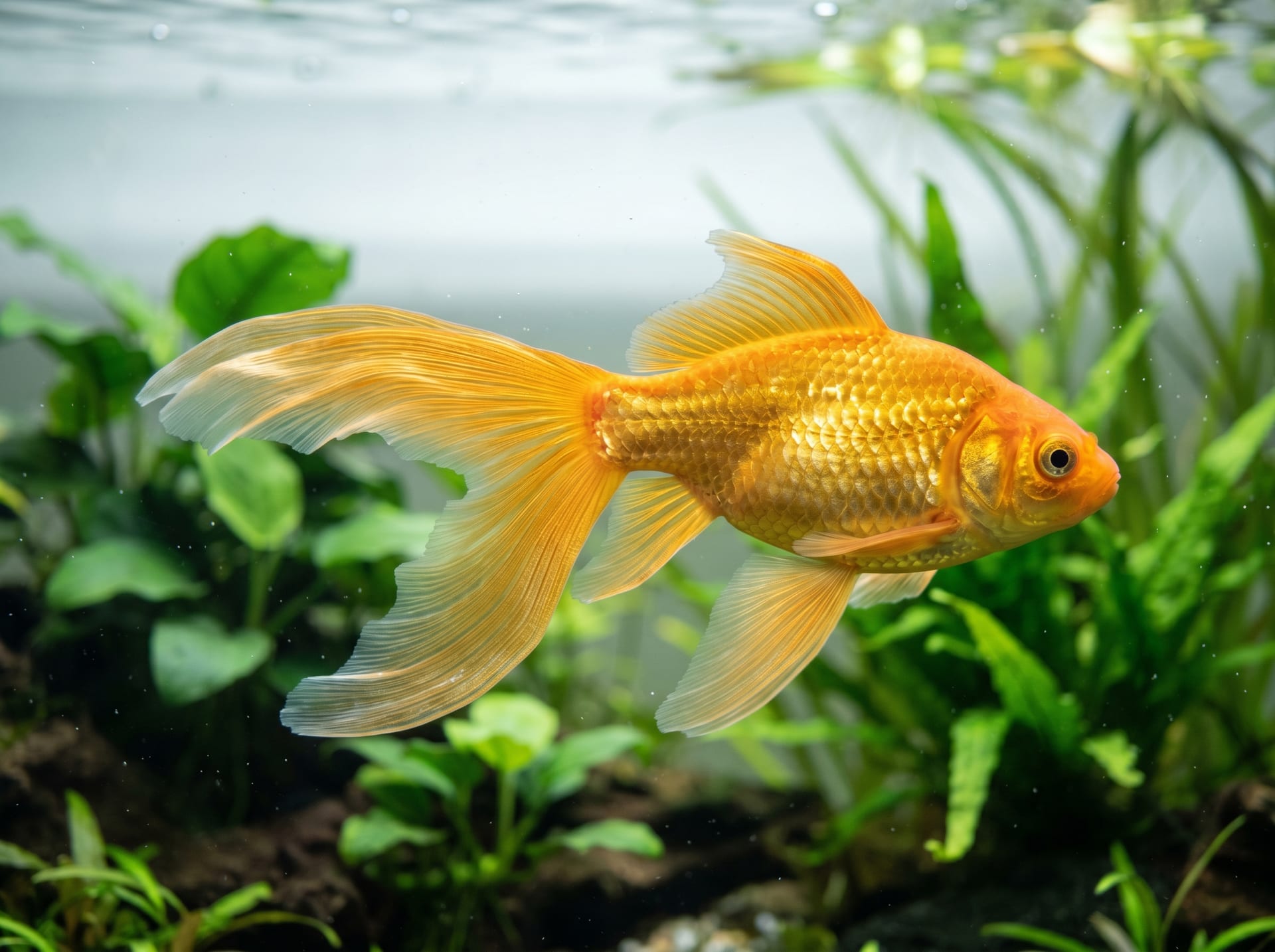
Wakin type (Crucian carp type) is characterized by an elongated body shape similar to the crucian carp, which is the original form of the goldfish. Wakin, shubunkin, and comet belong to this type. They have muscular bodies and high swimming ability, and can adapt to strong currents. They are suited for keeping in outdoor ponds and large tanks, and many familiar goldfish varieties seen at goldfish scooping events are also of this type.
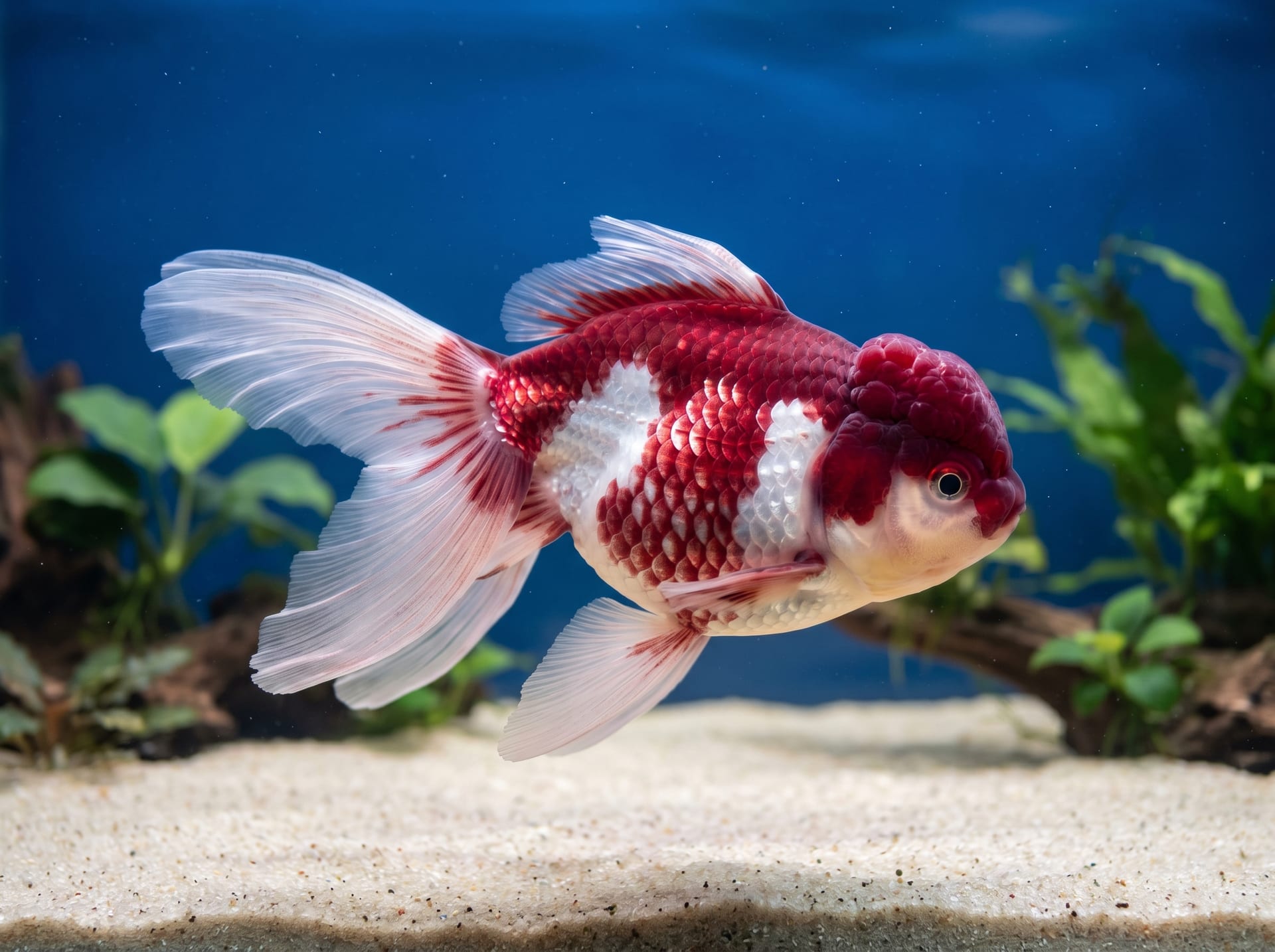
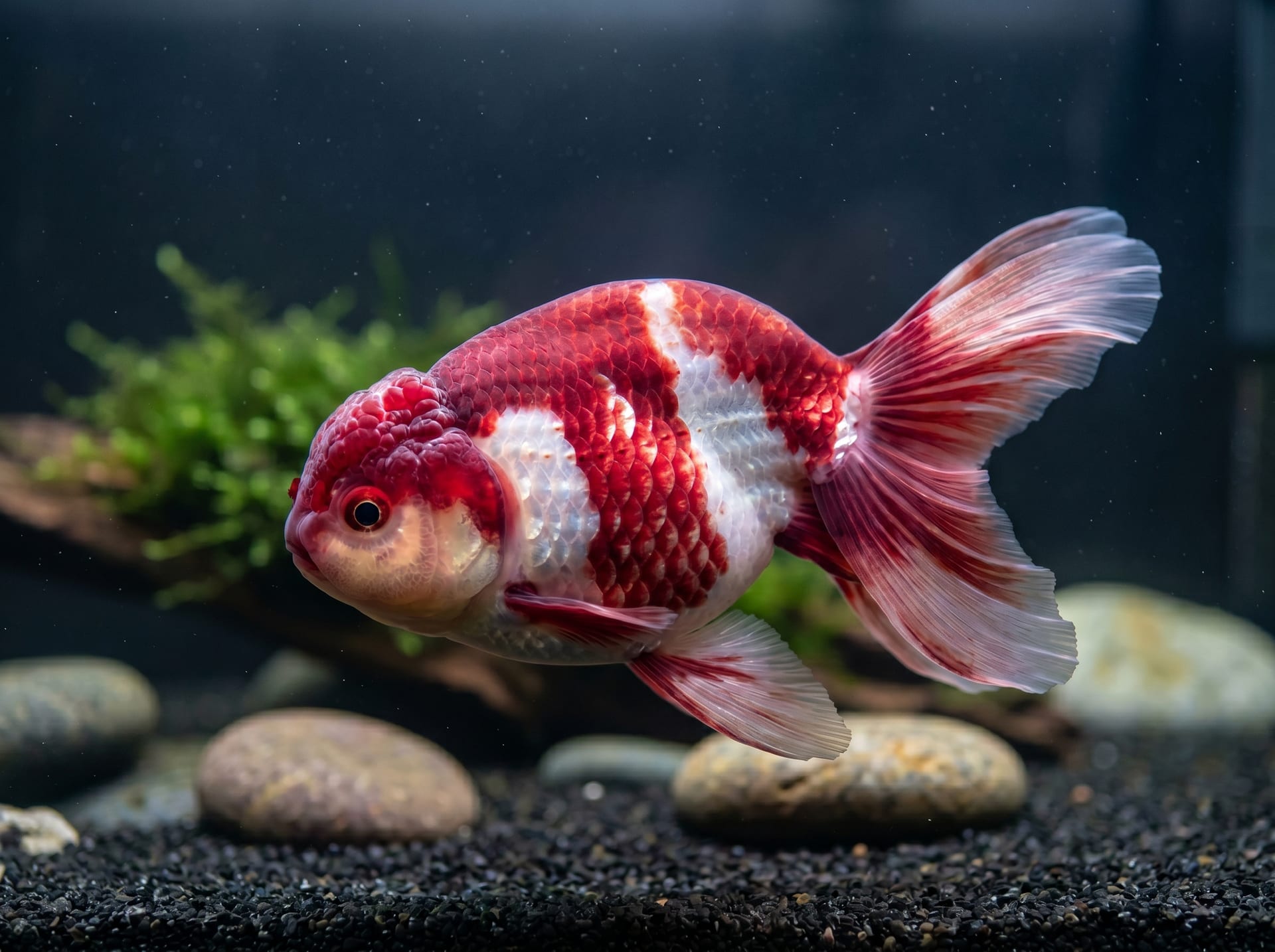
Ryukin type (Round type) is a rounded body shape created through selective breeding. This includes ryukin, telescope eye goldfish, ranchu, and orandas. Due to their body structure, their digestive organs are easily compressed, and they are at risk of swim bladder disorder (a disease where the fish floats on the surface due to swim bladder dysfunction). Since they are poor swimmers, it's important to avoid strong currents.
Simply understanding the differences between these 2 groups makes it easier to determine how to set up the tank environment and whether they can be kept together.
Complete Breed Comparison Table
| Breed | Body Type | Ease of Care | Typical Price Range | Characteristics |
|---|---|---|---|---|
| Wakin | Crucian carp type | Easy | Hundreds of yen and up | Hardy, grows large, suitable for outdoor keeping |
| Ryukin | Round type | Low to moderate | Affordable | Elegant tail, wide variety of colors, watch for swim bladder disorder |
| Telescope eye goldfish | Round type (protruding eyes) | Moderate | Affordable | Weak eyesight, eye protection needed |
| Ranchu | Round type (no dorsal fin) | Difficult | Tens of thousands to hundreds of thousands of yen | "King of goldfish," sensitive to water quality, viewed from above |
| Oranda | Round type (hood) | Low to moderate | Moderate | Entry-level hooded breed, relatively hardy |
*Mixing wakin-type and round-type goldfish is not recommended as the faster-swimming wakin type tends to monopolize food. It's best to keep fish of the same body type and swimming ability together.
Detailed Comparison of Major Breeds
Wakin
The wakin is the goldfish breed closest to its original wild form. It has an elongated body similar to a crucian carp, with either two or three tail lobes. Wakin are exceptionally hardy and resistant to temperature changes and water quality deterioration, making them ideal for beginners' first goldfish. Some individuals can grow to 20-30cm, offering the pleasure of watching them reach a large size. They are well-suited for keeping in outdoor water lily containers or large troughs, and can be kept year-round like medaka. They are affordable at just a few hundred yen, and are a common sight at home centers and goldfish scooping events.
Ryukin
The ryukin is believed to have come to Japan from China via Ryukyu (present-day Okinawa) during the Edo period. Its charm lies in its plump, rounded body combined with long three or four tail lobes that flow gracefully as it swims. With a wide variety of colors including red, white, kohaku (red and white), black, and sakura patterns, it's a popular breed with high ornamental value. It has low to moderate difficulty of care and is reasonably hardy. However, as a round-type goldfish, care must be taken to prevent swim bladder disorder, and it's important to feed them twice daily with only the amount they can consume to aid digestion.
Telescope Eye Goldfish
The telescope eye goldfish is characterized by its distinctive appearance with large eyes protruding from the head, making it a striking ornamental fish. It comes in a variety of colors including black, red, and three-color patterns. Since their eyesight is weak, sharp decorations or pointed driftwood in the tank can scratch their eyes. Additionally, they may not get enough food if kept with faster-swimming wakin-type goldfish, so pairing them with other round-type breeds or slow-swimming varieties is ideal. While moderately difficult to keep, they require special attention regarding eye care.
Ranchu
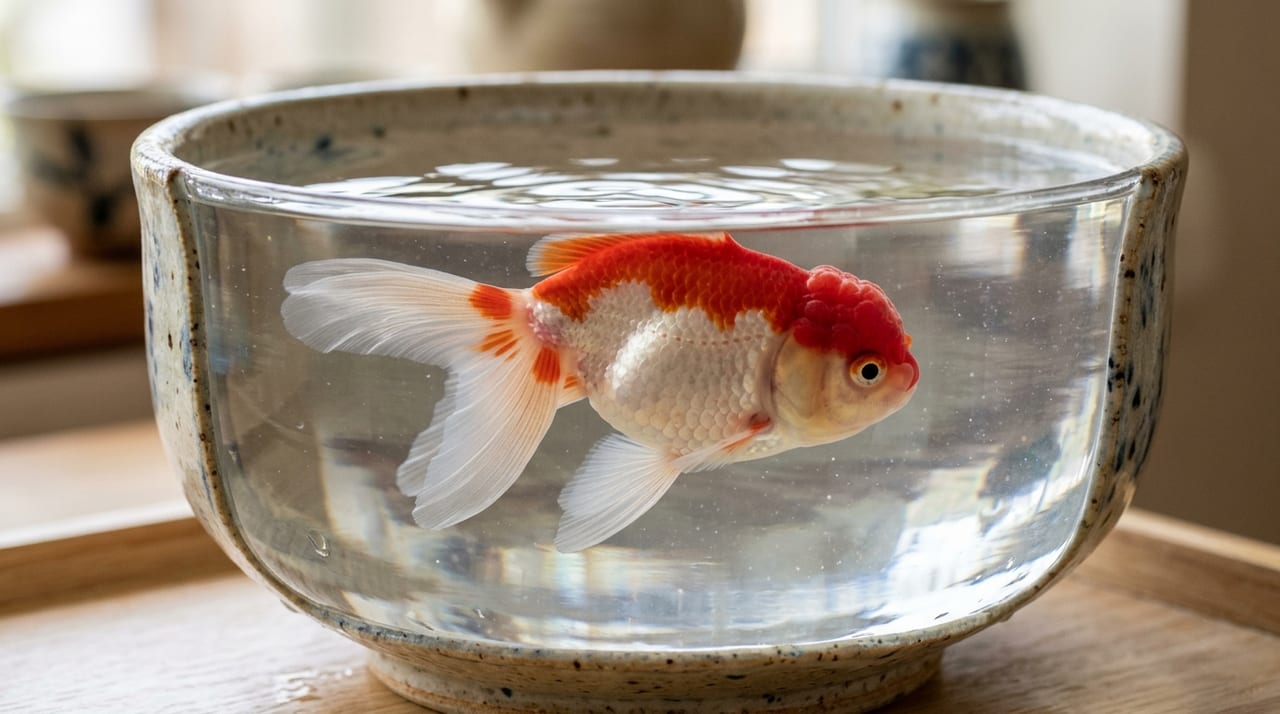
The ranchu is called the "king of goldfish" and is the pinnacle of ornamental goldfish. It lacks a dorsal fin and forms a distinctive shape with a developed hood (growths on the head) and a rounded body. The size and balance of the hood and the brilliance of body color are key evaluation points at competitions, and premium individuals can fetch prices from tens of thousands to hundreds of thousands of yen. Water quality management is especially important, as they are sensitive to ammonia and nitrite. Traditional ranchu keeping uses shallow containers (ranchu bowls) with top-down viewing, and water temperature management and high-quality feed are essential for promoting hood development. While difficult for beginners, their beauty and depth have devoted fans.
Oranda
The oranda has a rounded body similar to the ryukin, combined with a head hood like the ranchu. Its striking silhouette when viewed from the side is popular, and individual personality becomes apparent as the hood develops. It's not as delicate as the ranchu and is relatively hardy and easy to keep, making it an ideal entry-level hooded goldfish breed.
How to Choose a Tank Environment
Setting up an environment suited to the breed is key to long-term keeping.
Tank Size: Wakin grow quickly and can become large, so provide a tank of 60cm or larger or an outdoor container. Ryukin and ranchu can be kept in 45-60cm tanks, but overcrowding leads to poor water quality. A general guideline is 10-15L of water per fish.
Filter: Goldfish are heavy bioload producers. Choose high-capacity filtration such as external or canister filters. However, strong current can stress round-type breeds, so it's important to reduce current by placing a sponge at the outflow.
Temperature Management: Goldfish can adapt to a wide range of temperatures, but sudden changes should be avoided. In summer, use a cooling fan to keep temperature below 30°C. In winter, use a heater if it drops below 5-10°C.
Precautions for Tank Mates
Mixing wakin-type and round-type goldfish should generally be avoided. Fast-swimming wakin-type fish often monopolize the food, leaving slower-moving round-type breeds undernourished. Additionally, weak-sighted breeds like telescope eye goldfish are at a disadvantage in competition for space with other breeds. If mixing different breeds, select fish from the same group with similar swimming speed, or time feeding separately.
Benefits of Purchasing from a Breeder
While pet shops often have goldfish with unclear lineage and history, BreederDirect allows you to purchase directly from specialist breeders, so you can verify breed information accuracy and individual health status in advance. Especially for show-quality breeds like ranchu and orandas, where hood development and body shape vary greatly between individuals, obtaining fish selected by a breeder's expert eye is a major advantage. Additionally, since you can consult directly with the breeder after purchase, both beginners and experienced keepers can start keeping their fish with confidence.