Goldfish Bowls vs Aquariums: Comparing Difficulty and Proper Tank Sizes
A thorough comparison of the difficulty, water quality management, and oxygen supply differences between goldfish bowls and aquariums. This article explains why goldfish bowls are challenging, recommended tank sizes by breed (Wakin 60L, Ryukin 45–60L, etc.), and minimum requirements for using a goldfish bowl.
Key Takeaways
A thorough comparison of the difficulty, water quality management, and oxygen supply differences between goldfish bowls and aquariums. This article explains why goldfish bowls are challenging, recommended tank sizes by breed (Wakin 60L, Ryukin 45–60L, etc.), and minimum requirements for using a goldfish bowl.
Related Species
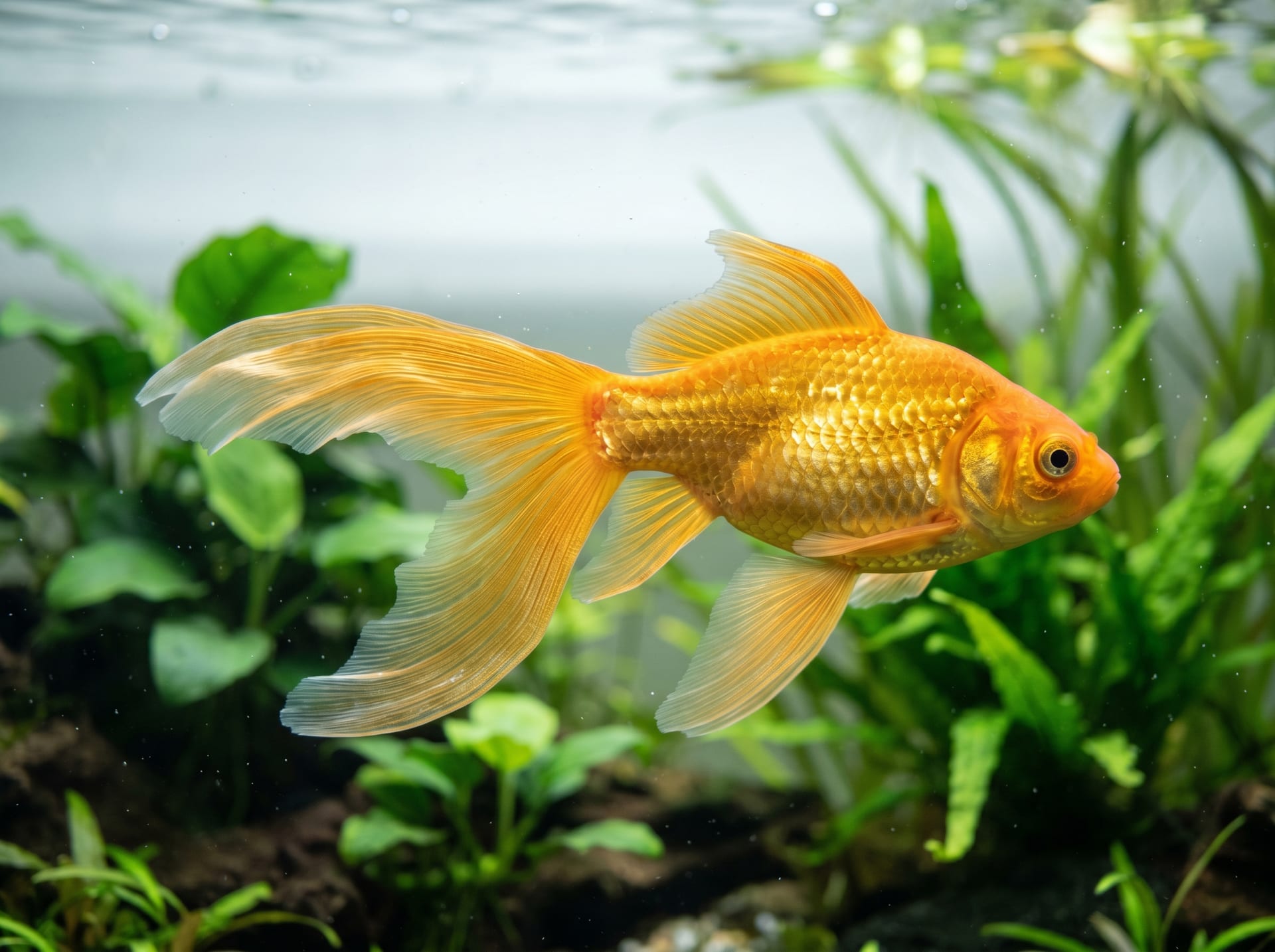
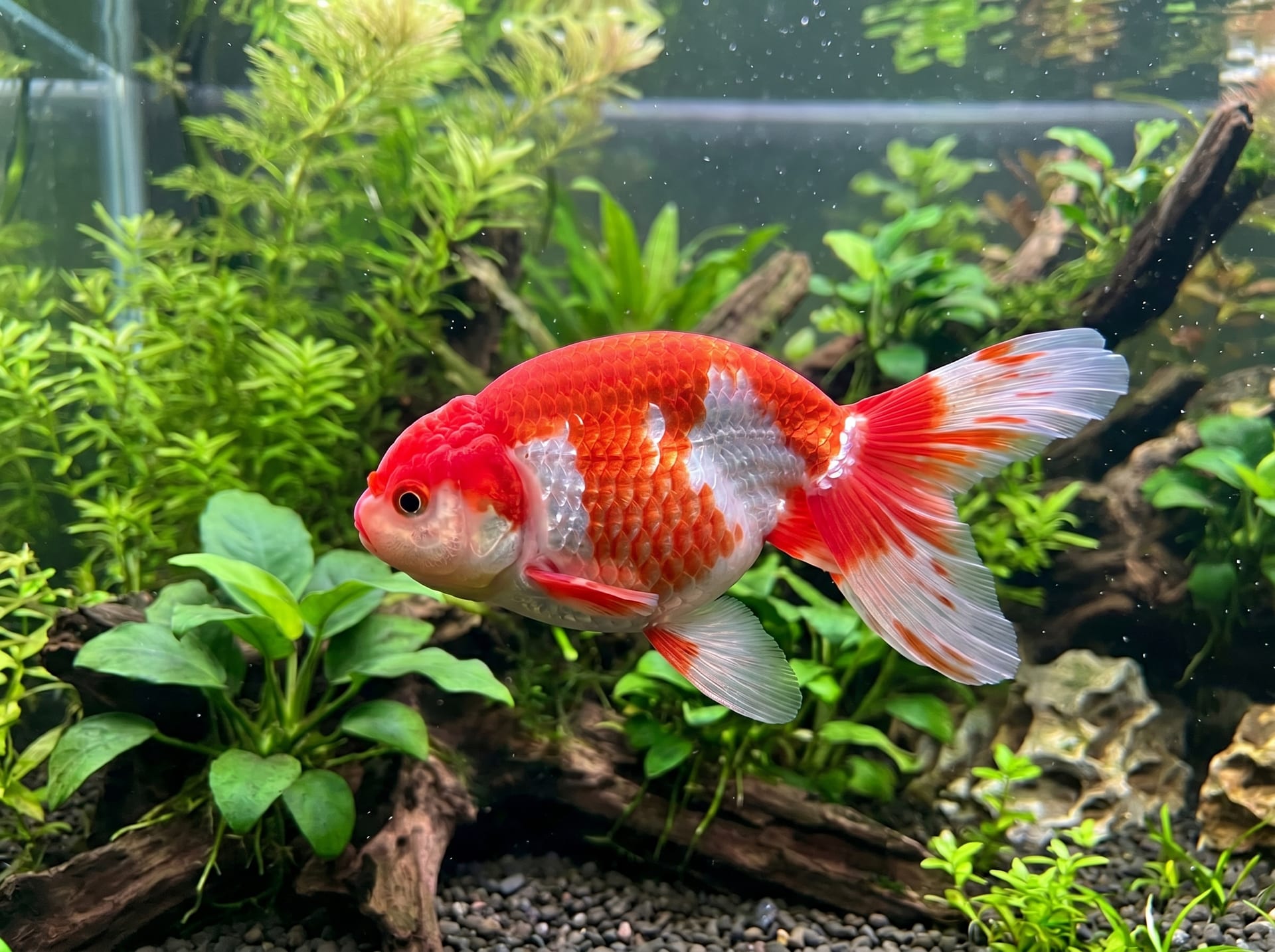
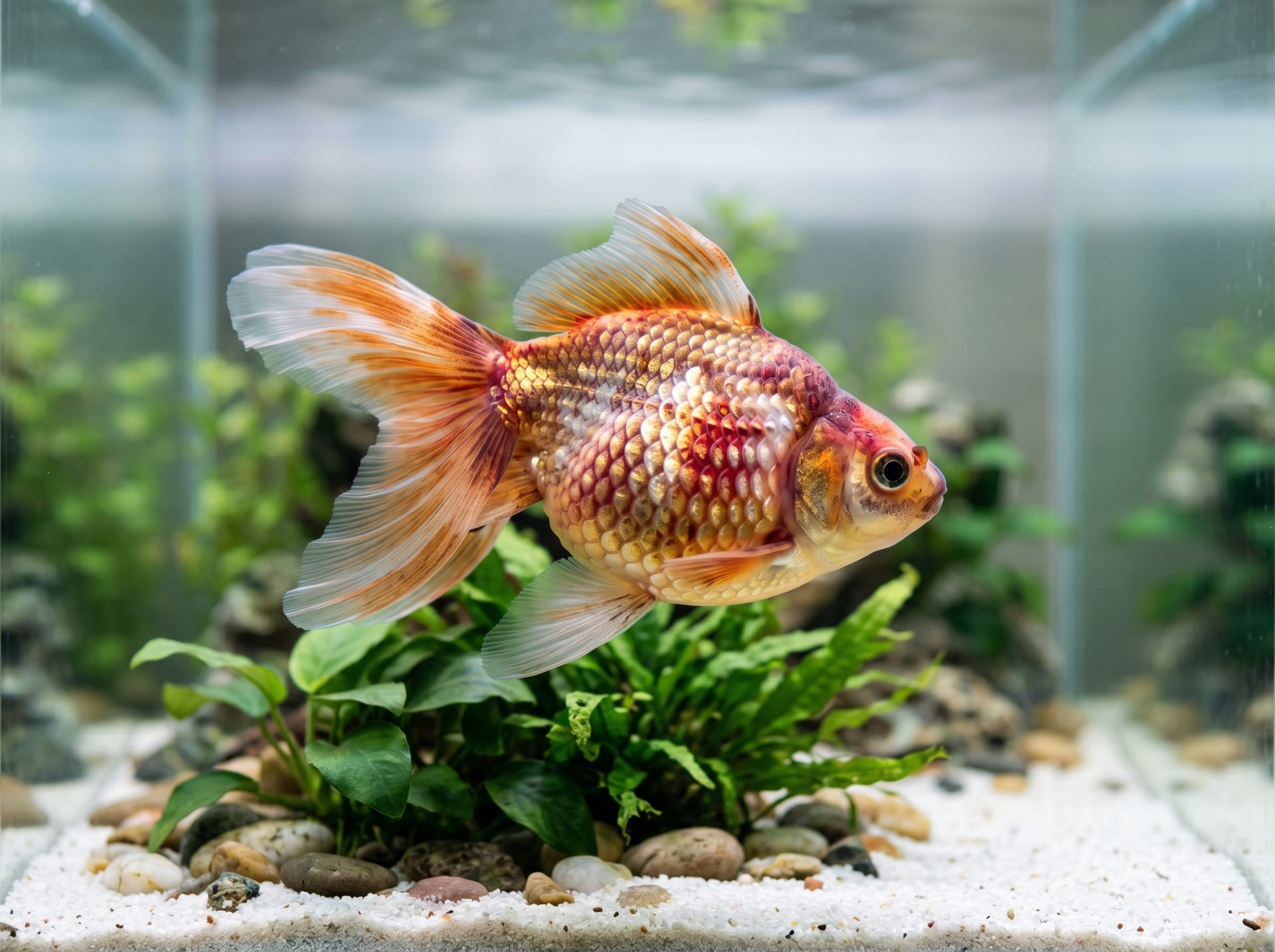
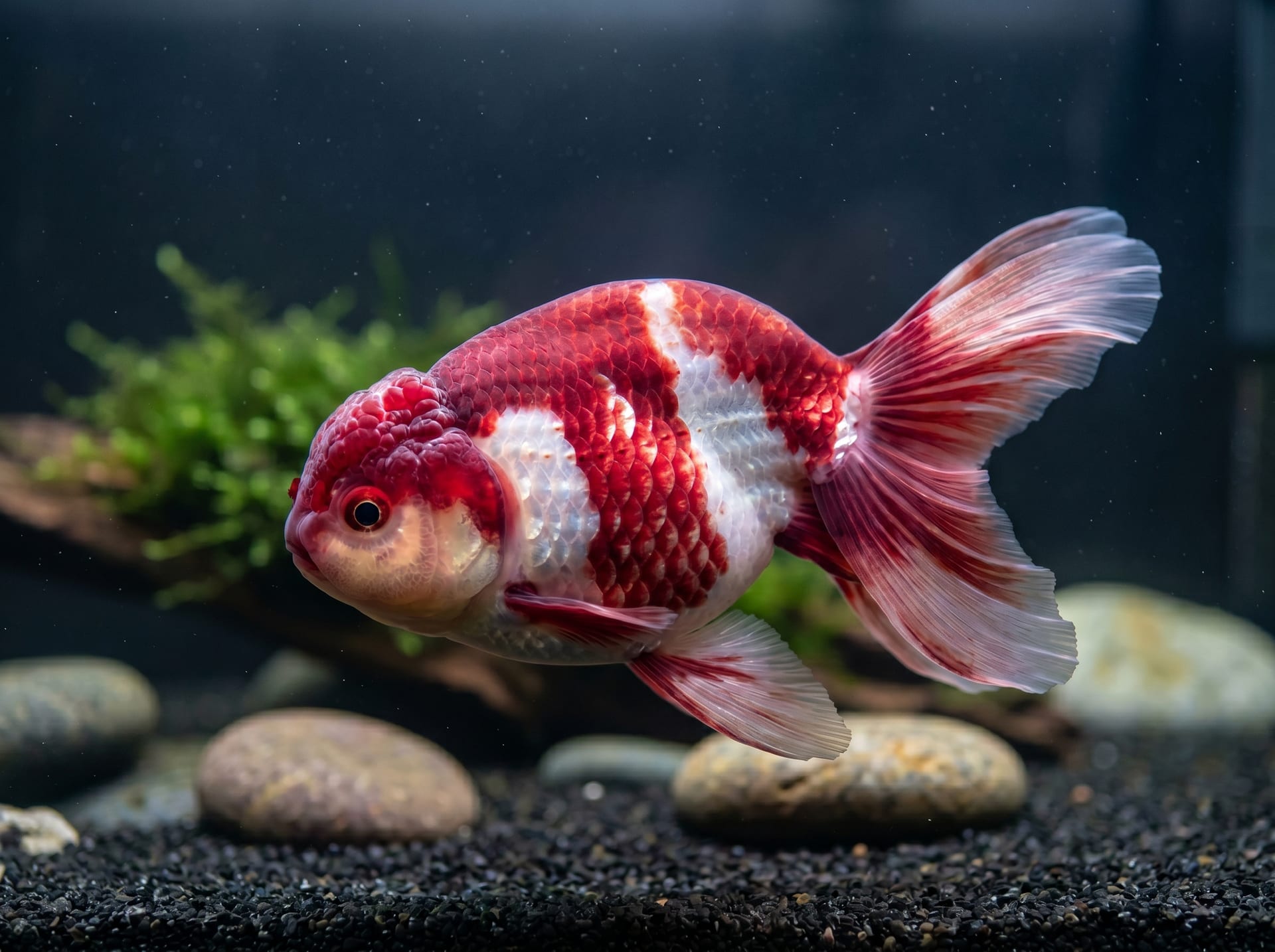

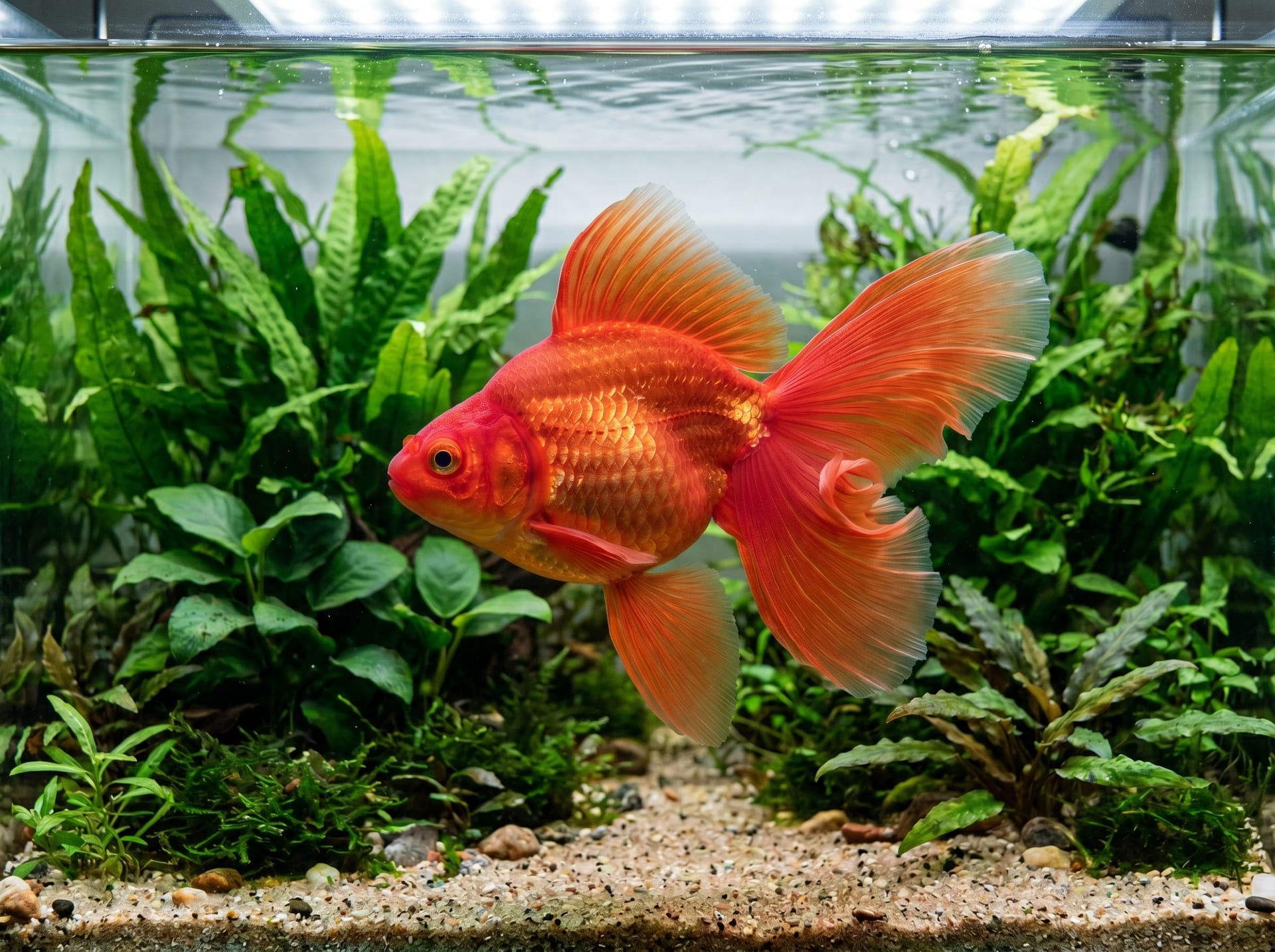
"When you think of goldfish, you think of a goldfish bowl"—many people have this image. It's not uncommon to have the experience of catching a goldfish at a festival and keeping it in a round goldfish bowl. However, in reality, long-term care in a goldfish bowl is extremely difficult, and using an appropriate aquarium can significantly change a goldfish's lifespan. This article compares the differences between goldfish bowls and aquariums from the perspective of difficulty, water quality management, and appropriate sizing, explaining the options for raising goldfish healthily for the long term.
Structural Problems with Goldfish Bowls: Why Are They Difficult?
The biggest problems with goldfish bowls are "insufficient water volume" and "limitations in oxygen supply due to their shape."
Less Water = Water Quality Changes Rapidly
A typical round goldfish bowl has a capacity of around 3–8 liters. Goldfish tend to grow larger than tropical fish, and mature Wakin and Ryukin varieties require 10 liters or more of water per fish. If you put two goldfish in a 3-liter bowl, ammonia levels reach dangerous levels within 1–2 days.
The less water there is, the faster water quality deteriorates from uneaten food and waste, causing pH, ammonia, and dissolved oxygen to fluctuate rapidly. Even with daily complete water changes, sudden shifts in water temperature and quality cause stress to goldfish and weaken their immunity.
Round Shape = Inefficient Oxygen Supply
Oxygen in water comes from the water surface. Round goldfish bowls have a small opening and a narrow water surface area relative to depth, making oxygen dissolution insufficient. Especially in summer, when water temperature rises, dissolved oxygen levels drop further, increasing the risk of oxygen depletion. Air pump installation is also structurally difficult, and goldfish are prone to gasping at the surface (opening and closing their mouths at the water's surface).
Unable to Install a Filter
Commercial round goldfish bowls are not designed with filter installation in mind. Without a filter, beneficial bacteria that process harmful ammonia and nitrite cannot establish themselves, leaving water changes as the only means of maintaining water quality. This is a heavy burden for the caretaker, and overlooking it means the goldfish will quickly die.
The Advantages of Aquarium Care: Creating a Stable Environment
Aquariums (especially rectangular tanks with 20+ liters capacity) have a structure suited for long-term goldfish care.
Establishing Biological Filtration with a Filter
By using a top-mounted or submerged filter, beneficial bacteria (Nitrosomonas and Nitrobacter) establish themselves, enabling the nitrogen cycle that converts ammonia → nitrite → nitrate into harmless compounds. Once this cycle is established, water quality can be maintained with just a partial water change (30–50%) once per week.
Water Quality Stability from Sufficient Water Volume
The more water there is, the greater the buffer capacity against waste. With a 60-liter tank, even a small amount of uneaten food won't cause rapid water quality deterioration, giving you more margin for error in management.
Securing Oxygen Supply
Rectangular tanks have a large water surface area, and dissolved oxygen can be adequately supplied through top filter water flow, air pumps, and air stones. This is especially important because goldfish are active fish with high oxygen consumption.
Proper Sizing for Goldfish: Recommended Tank Capacities by Breed
Goldfish varieties vary in their mature size, which affects the required water volume.
Wakin and Comet (grow to 20–30 cm)
- Minimum of 20 liters per fish
- Recommended: Up to 2 fish in a 60-liter tank
- Since they're active swimmers, a long, horizontally-oriented tank is ideal
Ryukin and Ping-Pong Pearl (grow to 10–15 cm)
- Minimum of 15 liters per fish
- Recommended: 2–3 fish in a 45–60 liter tank
- Their round body shape makes them poor swimmers, so avoid strong water currents
Demekin and Tosackin (grow to 10–20 cm)
- Recommended: Up to 2 fish in a 60+ liter tank
- They're weak swimmers and can be injured by substrate, so a bare-bottom tank is preferable
Ranchu and Osaka Ranchu (grow to 15–20 cm)
- Recommended: 60+ liters in a shallow tank (25–30 cm depth)
- Most experts use specialized Ranchu tanks (square or shallow design)
When Goldfish Bowls Can Be Used: Conditions and Management
We're not completely rejecting goldfish bowls. If you follow the conditions below, they can be used for short-term care or display purposes.
Minimum Conditions for Using a Goldfish Bowl
- Use a bowl with at least 10 liters capacity (smaller bowls are more dangerous)
- Goldfish must be 3–5 cm or smaller (fry to juvenile stage only)
- Keep only one fish
- Change 1/3 to 1/2 of the water daily
- Place in a cool location in summer to prevent water temperature rise
- Choose a bowl type that allows air pump installation
Even if you follow these conditions, you must transfer the goldfish to a tank promptly once it grows. Goldfish caught at festivals are often weakened by ingesting large amounts of plankton and transport stress, so moving them to a stable 30+ liter tank from the start increases their survival rate.
Summary Comparison of Care Difficulty
| Comparison | Goldfish Bowl (5L or less) | Aquarium (20L+) |
|---|---|---|
| Water quality maintenance difficulty | High (daily water changes required) | Low (weekly water changes) |
| Filter installation | Difficult to impossible | Easy |
| Oxygen supply | Insufficient | Sufficient |
| Water temperature management | Difficult | Heater installation possible |
| Maintenance cost (labor included) | High | Low |
| Long-term survival rate | Low | High |
Goldfish are fish that can live 10–15 years in a proper environment. Most people who think "goldfish just die quickly" are raising them in enclosures that are too small.
Conclusion
While goldfish bowls look beautiful, they suffer from three problems: no filter, insufficient water volume, and poor oxygen supply, making them unsuitable for long-term care. On the other hand, a 20+ liter tank equipped with a filter and aeration maintains stable water quality and allows goldfish to reach their natural lifespan (10+ years). By breed, Wakin and Comet require 60+ liters, while Ryukin and Demekin need 45–60 liters. If you want a long-term relationship with goldfish, we recommend starting with an aquarium from the beginning.