Native Japanese Goldfish Breeds and Current Conservation Status
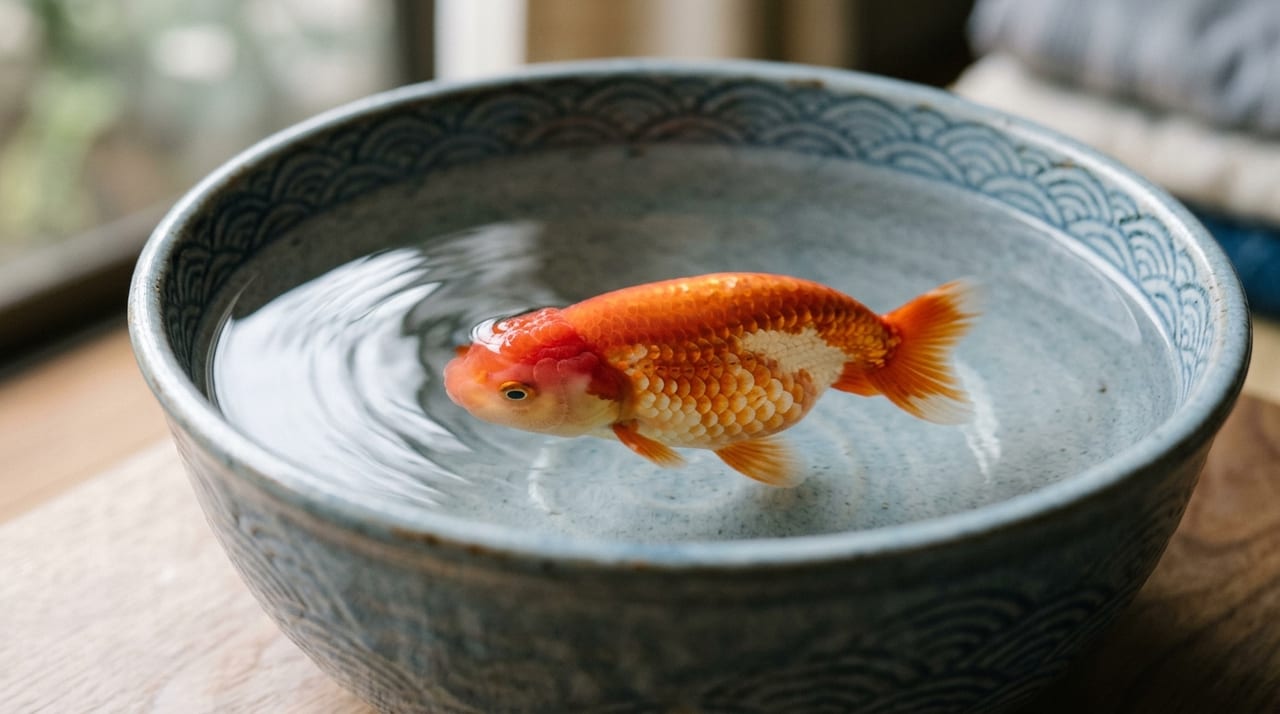
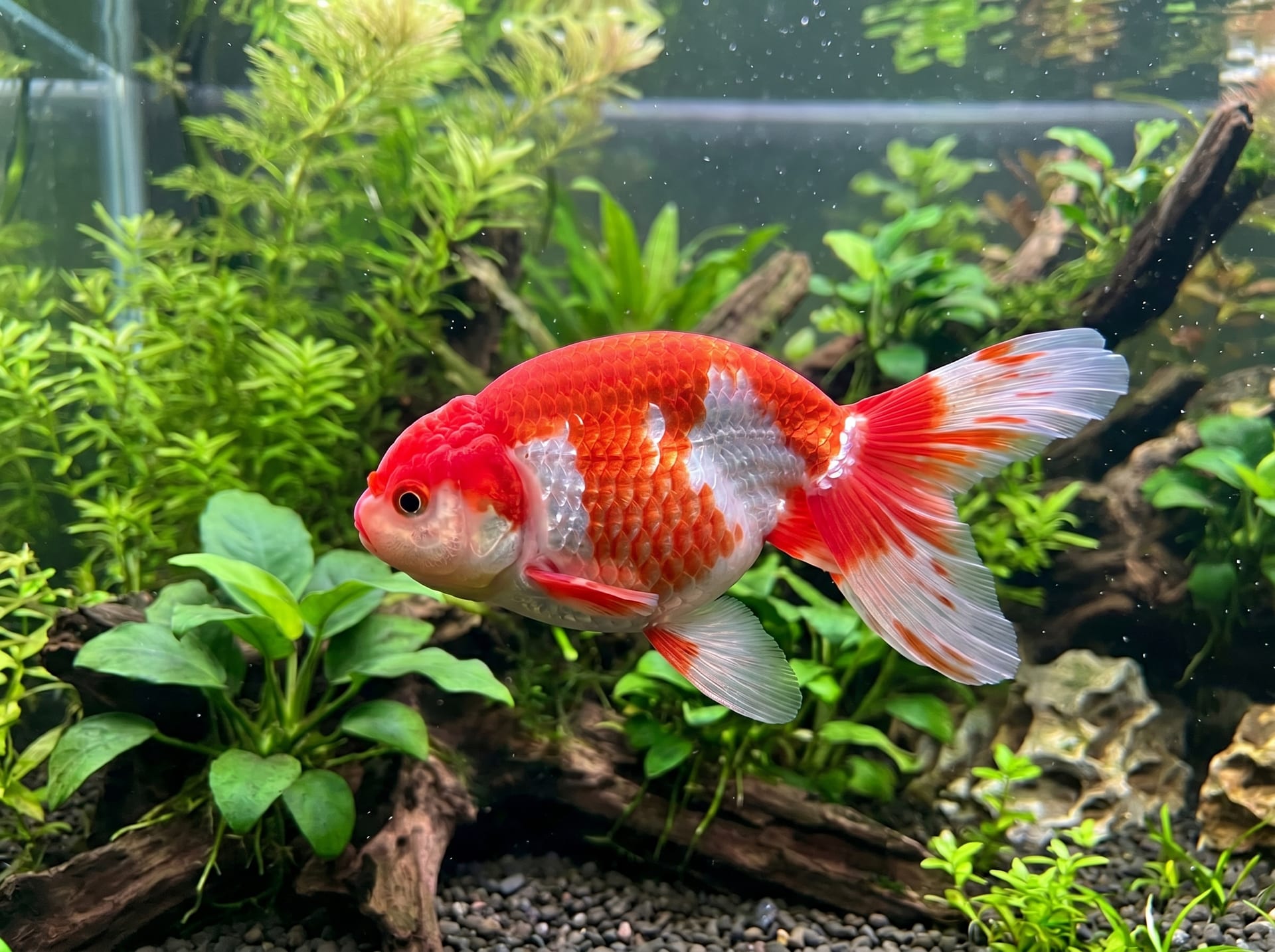
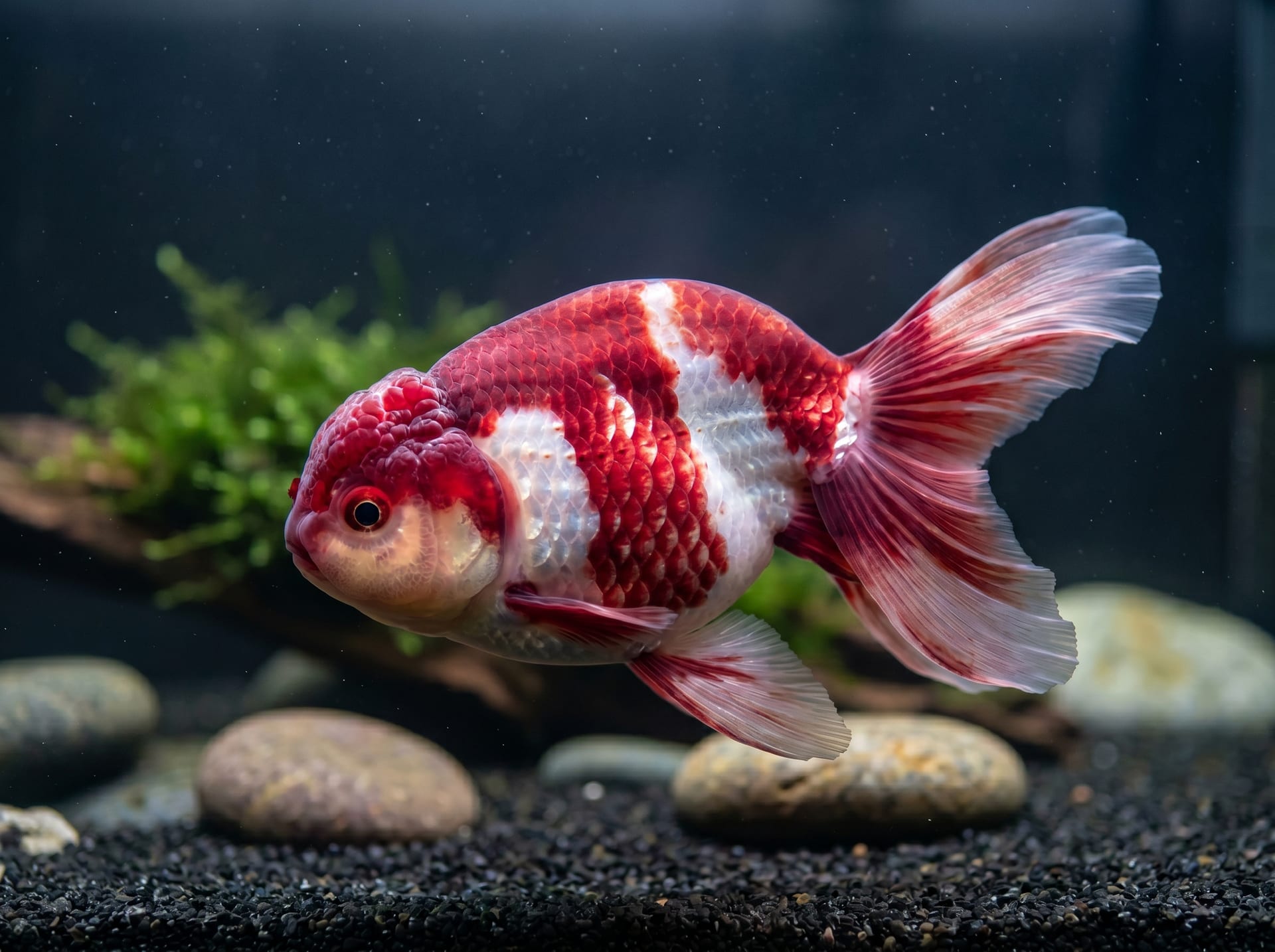
Japan has developed a distinctive goldfish-keeping culture spanning centuries since the Edo period. Within this tradition, unique breeds emerged in different regions, shaped by local climates, water conditions, and aesthetic preferences. Many of these named breeds—such as Izumo Nankin (Shimane Prefecture), Osaka Ranchu, Jigane (Aichi Prefecture), and Tosa Kin (Kochi Prefecture)—have been carefully maintained through multiple generations by regional enthusiast groups and breeders, making them living cultural treasures.
Notably, Izumo Nankin is designated as a natural monument of Shimane Prefecture, with regional preservation societies taking the lead in breeding and promotion efforts. Even for breeds without formal protective designation, enthusiast communities often serve as de facto custodians.
Compared to internationally traded goldfish varieties, native breeds exist in far smaller numbers. Yet each breed possesses distinctive body shape, tail form, and swimming grace, making the transmission of these traits to the next generation equivalent to preserving Japan's biological and cultural heritage. The collective interest and small daily actions of individual enthusiasts form the backbone of breed conservation.
Why Native Breeds Are at Risk of Disappearing
Multiple factors make maintaining native breeds increasingly difficult, and these challenges interact in complex ways.
Lack of successors: The breeders and enthusiasts who have long maintained these breeds are aging. The accumulated knowledge of keeping, selection, and breeding techniques is tacit expertise difficult to document, so when these practitioners are gone, the techniques themselves risk disappearing entirely.
High difficulty of care: Breeds like Jigane and Izumo Nankin, which possess specialized body shapes and tail forms, demand higher skill in keeping and breeding than common goldfish, requiring both discerning selection eyes and years of experience. This high barrier to entry limits the absolute number of keepers and stunts growth.
Shrinking demand and markets: Competitive shows and exhibitions have declined in some regions, and the number of shops specializing in rare breeds is limited. Without broader public awareness, new enthusiasts are unlikely to emerge, and demand cannot grow.
Hybridization and lineage management issues: When breeding records are not properly maintained, repeated crossing of related individuals or unintended hybridization with other breeds can erode the breed's defining characteristics over generations. Careful documentation and management of lineage information are fundamental to breed preservation.
Japan's Major Native Breeds and Their Characteristics
The following outlines representative native breeds:
| Breed | Origin | Characteristics |
|---|
| Izumo Nankin | Shimane | White with red accents; compact body with round belly. Suited for "top-view" appreciation style. Designated natural monument of Shimane Prefecture |
| Osaka Ranchu | Osaka | Distinctive body shape unlike modern Ranchu. Has history of population decline to near extinction |
| Jigane | Aichi | Most distinctive feature is the "six-scale" tail divided into six sections. Requires advanced selection and lineage management skill |
| Tosa Kin | Kochi | Unique butterfly-like reversed tail when viewed from above. Keeping methods adapted to Kochi's climate have been passed down |
These breeds are not merely "unusual-looking goldfish." Each is a concentrated expression of its region's climate, water conditions, and aesthetic sensibility. The opportunity to engage with regional culture through purchasing and keeping these breeds is itself a unique appeal of native varieties.
Concrete Ways Enthusiasts Can Support Conservation
Breed conservation is not the work of specialists and research institutions alone. General enthusiasts can also contribute through the following approaches:
- Source from trusted breeders — Purchasing from breeders who maintain lineage information and breeding records allows you to participate in authentic breed preservation. Individuals of unknown origin cannot guarantee proper lineage, so verifying a breed's background before purchase is essential.
- Keep husbandry and breeding records — Documenting individual body shape, coloration, and growth changes through photos and notes supports future research and lineage management. Recording spawning counts, hatch rates, and selection criteria further aids the transmission of breeding techniques.
- Join enthusiast groups and preservation societies — Many native breeds have dedicated clubs or conservation societies in their regions. Participating in competitive shows, sharing lineage information, and coordinating breeding plans help support organized breed maintenance.
- Share accurate information on social media and online communities — Posting correct breed names, origins, and characteristics raises awareness and prevents misinformation. Sharing photos of your actual keeping practices can spark interest among potential new enthusiasts.
- Undertake breeding — Beyond merely maintaining individuals, actually breeding fish directly contributes to population sustainability. Starting with less demanding breeds and working up to native variety breeding is a viable path.
Key Points for Care Environment and Management to Preserve Breeds
Sustaining native breeds over the long term requires adapting husbandry conditions to each breed's specific needs.
Breeds like Izumo Nankin and Jigane are sensitive to temperature fluctuations, making seasonal temperature management crucial. Ranchu-type breeds have weak swimming ability, so high-flow filtration systems should be avoided. Tosa Kin's appreciation style centers on top-view, so choosing appropriate water depth and tank size to complement this viewing angle brings out the breed's beauty.
Keeping multiple breeds in the same tank risks unintended hybridization, so maintaining separate containers for each breed is fundamental to lineage preservation during breeding. Selection of breeding individuals is equally important. Understanding each breed's defining characteristics—body shape, tail form, scale texture, color patterns—and pairing individuals that closely match the ideal makes it easier to transmit these traits to the next generation. Learning selection criteria directly from experienced preservation society members is the most reliable approach.
Passing Native Breeds to the Next Generation
Conserving native goldfish breeds transcends the hobby of "collecting the rare" and becomes an act of transmitting Japan's bio-cultural heritage to future generations. Allowing lineages cultivated over countless generations to die out in our own era would be an irreplaceable loss.
What matters most in breed conservation is transmitting expertise. The eye for selection, the intuition for proper care, the timing of breeding—these are tacit knowledge difficult to convey through words alone. Receiving such knowledge through interaction in enthusiast communities and direct engagement with experienced breeders, then passing it on to the next generation, creates a cycle that becomes the greatest force for keeping breeds alive.
When the joy of raising goldfish overlaps with the consciousness of cultural preservation, the hobby takes on deeper meaning. Cultivate an interest in Japan's distinctive native breeds—Izumo Nankin, Osaka Ranchu, Jigane, and Tosa Kin—and join this long chain of transmission by starting with a single fish in your own care.