Goldfish Winter Care and Cold Temperature Management Guide
Although goldfish are hardy in cold water, they are sensitive to sudden temperature changes. This guide explains outdoor and indoor overwintering methods, heater management for indoor systems, reduced feeding strategies during winter, and appropriate water change frequency.
Key Takeaways
Although goldfish are hardy in cold water, they are sensitive to sudden temperature changes. This guide explains outdoor and indoor overwintering methods, heater management for indoor systems, reduced feeding strategies during winter, and appropriate water change frequency.
Related Species
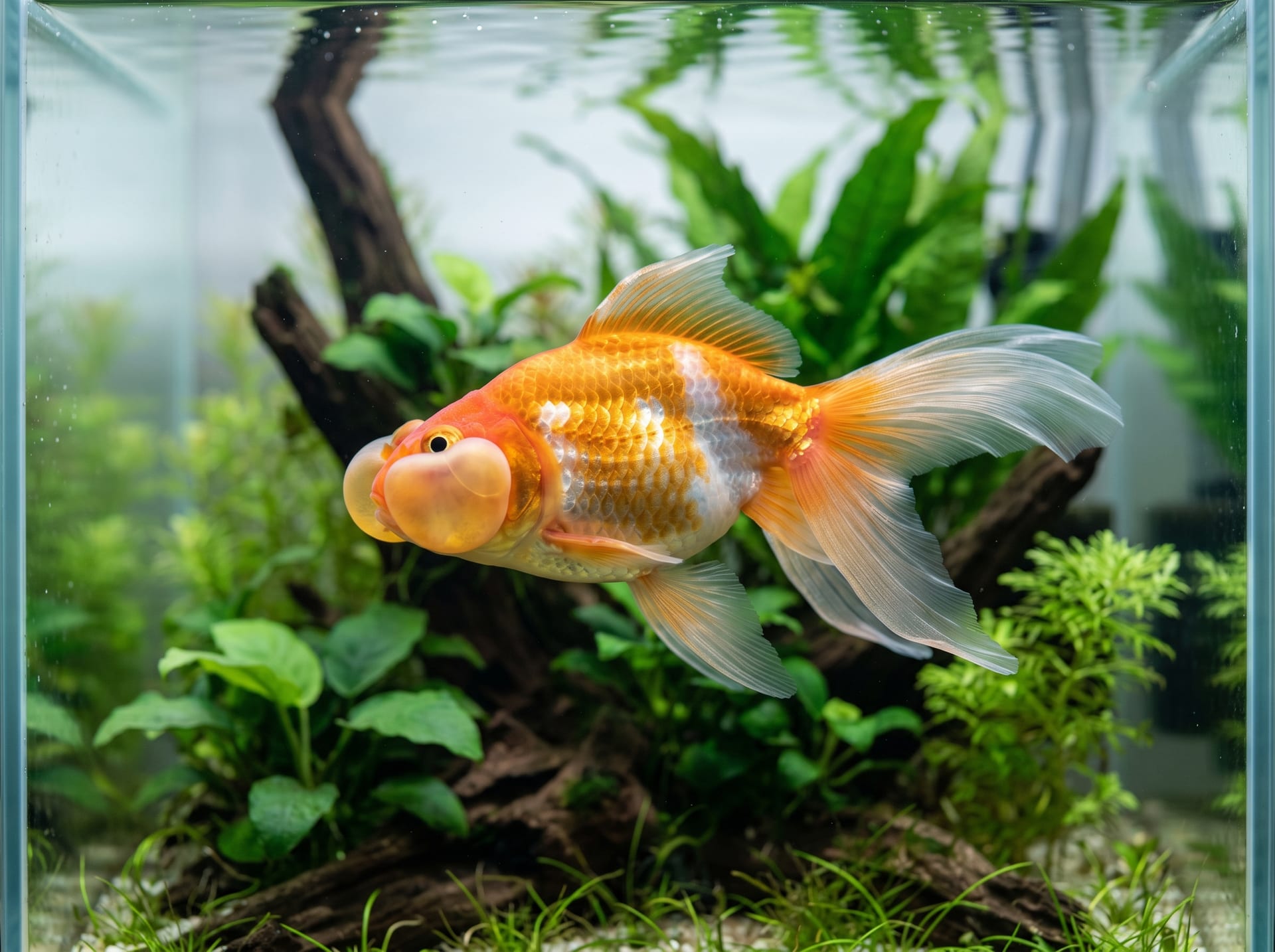
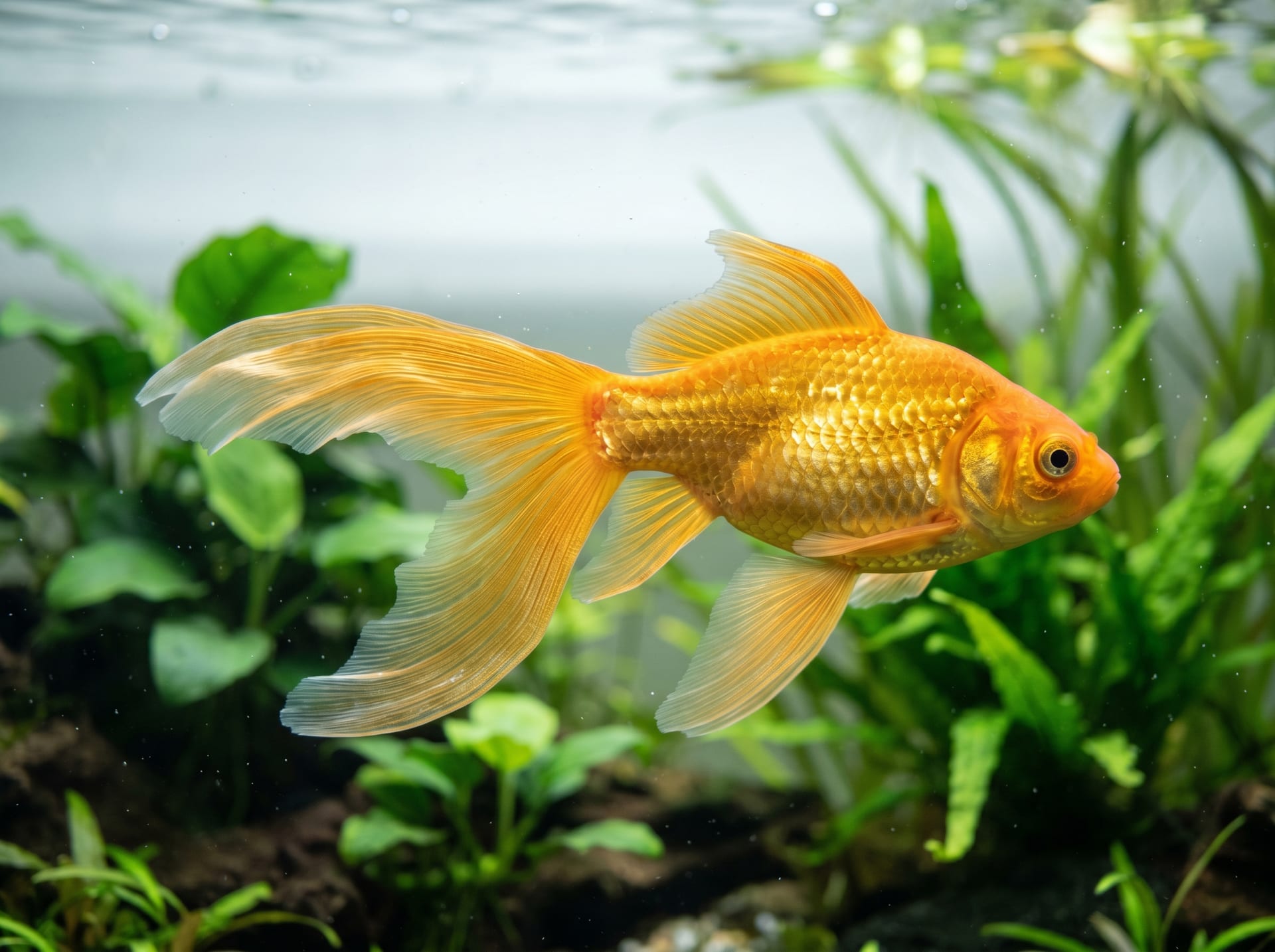
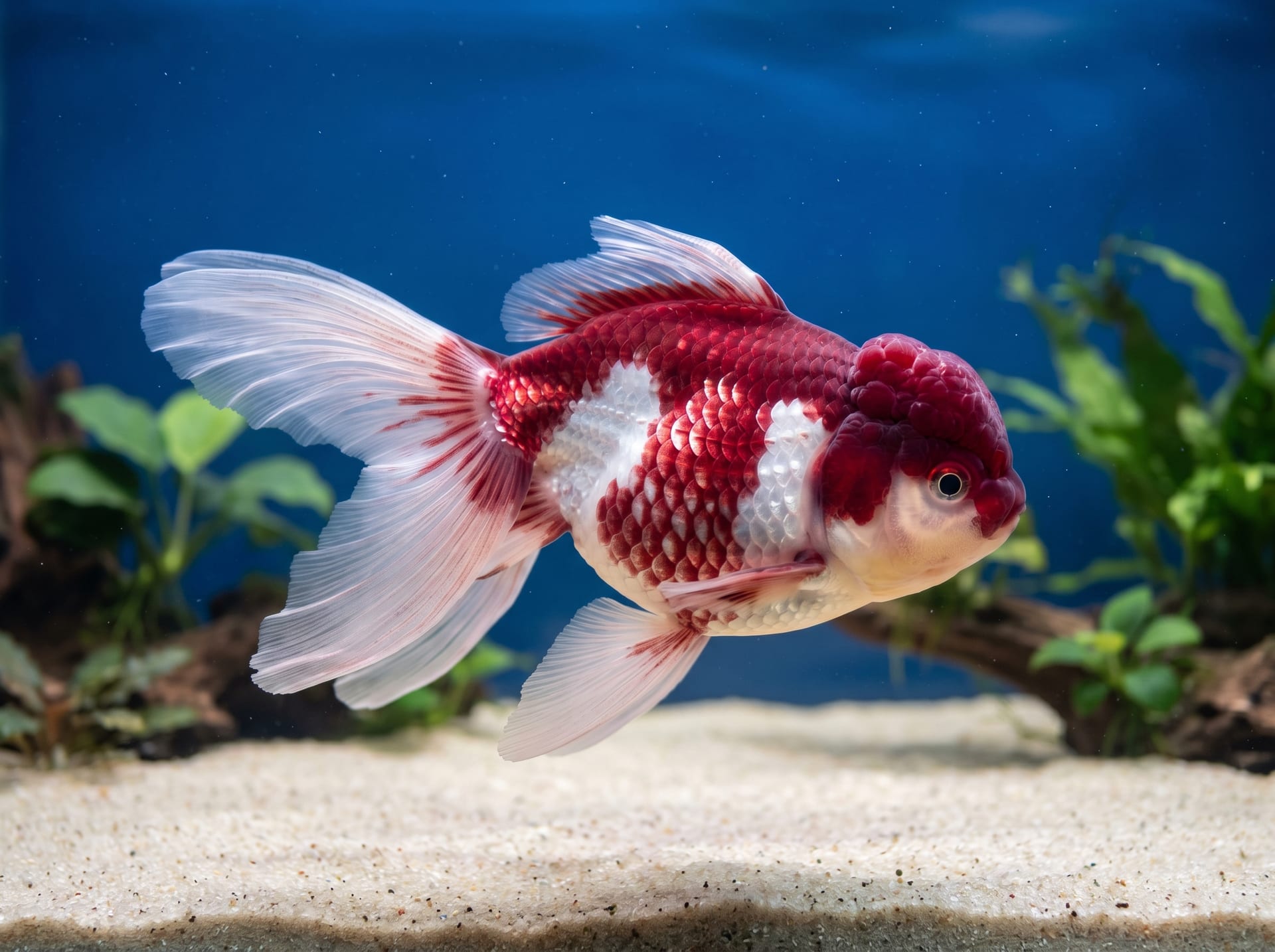
Goldfish are relatively hardy in cold water, but they are sensitive to sudden temperature fluctuations. Poor management during winter can easily weaken their health. Prepare your goldfish for a safe transition into spring by implementing strategies suited to both outdoor and indoor environments. Please also refer to our goldfish beginner care guide.
Goldfish Cold Tolerance and Winter Physiology
Goldfish belong to the carp family and possess robust cold tolerance that allows them to survive even when water temperatures drop near 0°C. This is the result of natural adaptation in wild environments and is one reason why outdoor goldfish keeping is possible even during Japanese winters.
However, possessing cold tolerance does not mean you can be careless. Goldfish are ectothermic animals, meaning their body temperature depends on water temperature. As water temperature falls, their metabolism drops significantly and immune function declines. The most problematic factor is sudden temperature fluctuations. If water temperature varies by 5°C or more within a single day, goldfish experience considerable stress, and the risk of diseases like white spot disease and bacterial infections rises sharply.
Cold tolerance also varies by breed.
- Wakin, Comet, and Ryukin: Relatively hardy in cold water.
- Ranchu, Oranda, Bubble-eye and other fancy varieties: Have delicate body structures and somewhat weaker ability to adapt to low water temperatures.
If you are attempting overwintering for the first time, be mindful of management suited to your fish's breed.
Outdoor Overwintering Strategies
Overwintering outdoors is entirely feasible when the proper environment is established. Keep the following points in mind.
- Ensuring adequate water depth is the top priority. By maintaining a depth of 30cm or more, even if the water surface freezes, the temperature at the bottom remains well above 0°C. Goldfish that sink to the bottom and move sluggishly can still survive winter as long as the water does not freeze solid. Conversely, shallow containers risk complete freezing, which is dangerous.
- Choice of container material is also important. Styrofoam containers have high insulation properties and are ideal for outdoor keeping. Ceramic lotus bowls and plastic tubs can also be used, but wrapping the container's perimeter with insulation material (bubble wrap or styrofoam sheets) is effective against nighttime cooling.
- Installing windbreaks is also beneficial. Winter north winds cause water temperature to drop rapidly. Block the wind by placing boards on the north side of the container or covering it with plastic sheeting. However, complete sealing can cause oxygen depletion, so be sure to maintain ventilation.
- If the water surface freezes, the basic rule is to never forcibly break the ice. The impact of breaking it transmits through the water and damages the goldfish. If removal is absolutely necessary, slowly melt it by pouring warm water over the surface.
Indoor Keeping: Heater Management and Temperature Differential Precautions
Indoor keeping generally makes it easier to maintain a stable environment than outdoors, but precautions are still necessary.
- Using a heater is optional but highly effective for delicate breeds like Ranchu or recovering individuals. The recommended temperature setting is 15–18°C. Warming beyond this range interrupts hibernation and activates digestion, making it difficult to balance with feeding. Avoid excessive heating and prioritize maintaining stability.
- The greatest pitfall is temperature differences between day and night. In heated rooms, the temperature difference between night when heating is off and daytime can exceed 10°C. Although the tank has thermal mass that prevents rapid changes, continuous temperature fluctuation places stress on goldfish. Stabilize temperature by using air conditioning timers or insulating sheets.
- Placing tanks near windows is strictly forbidden. Direct sunlight during the day raises water temperature, and nighttime cold from the window causes rapid cooling—the worst scenario. During winter, move your tank to a location away from windows where temperature remains stable.
Winter Feeding and Water Change Management
The most common failure in winter goldfish management is overfeeding.
| Water Temperature | Feeding Guidelines |
|---|---|
| 15°C or below | Reduce food amount to half or less of normal. Digestion capacity declines, and uneaten food or undigested matter causes water quality deterioration and disease. |
| 10°C or below | Stop feeding entirely. Digestive organs are nearly inactive, and goldfish survive the winter by consuming internal fat reserves—they can go months without food. Feeding causes undigested food to rot in the intestines, creating risk of fatal digestive disorders (such as gas disease). |
| 10–15°C (when spring temperatures return) | If resuming light feeding, give small amounts of easily-digestible sinking pellets gradually. Floating food encourages air ingestion during surface feeding and can cause swim bladder disease. |
Water change frequency can be greatly reduced during winter. Since metabolism is low, waste production is minimal and water deteriorates slowly. Aim for once or twice monthly, changing about 1/4 to 1/3 of the water volume. Always match the temperature of new water to the existing tank water before adding it. A temperature difference of 3°C or more alone can cause health problems.
Diseases Common in Winter and Prevention Strategies
Immune function declines during winter, making vigilance against several diseases necessary. For details, please also review our goldfish disease prevention and treatment guide.
- White spot disease becomes more likely when water temperature drops below 20°C. It is caused by parasitic protozoans (Ichthyophthirius) that attach to the body surface, and early detection is critical. Prevent introduction by quarantining newly purchased goldfish with salt baths and methylene blue treatment before moving them to the main tank.
- Dropsy and ulcer disease and other bacterial infections occur when immune function declines due to sudden temperature changes or water quality deterioration. Maintaining water quality through regular water changes and avoiding sudden temperature fluctuations are the best preventive measures.
If symptoms appear, isolate the fish promptly and begin with a salt bath (0.5% saline) to observe response. If no improvement occurs, proceed to medicated baths using commercial fish medications (such as Green F Gold).
Choosing Winterhardy Goldfish on BreederDirect
Welcoming hardy, genetically sound individuals from the start is also an important factor in keeping goldfish healthy through winter. BreederDirect allows you to purchase goldfish raised carefully by breeders nationwide and ask breeders questions about their rearing environment and overwintering methods before purchase—a significant advantage.
You can receive consultation on specific concerns such as "I want to overwinter outdoors, but which breed would be best?" or "I want to select a hardy individual that can be kept without a heater." Even with your first goldfish, you can start with confidence while receiving support from experienced breeders. Prepare thoroughly for winter and enjoy your long relationship with your goldfish.