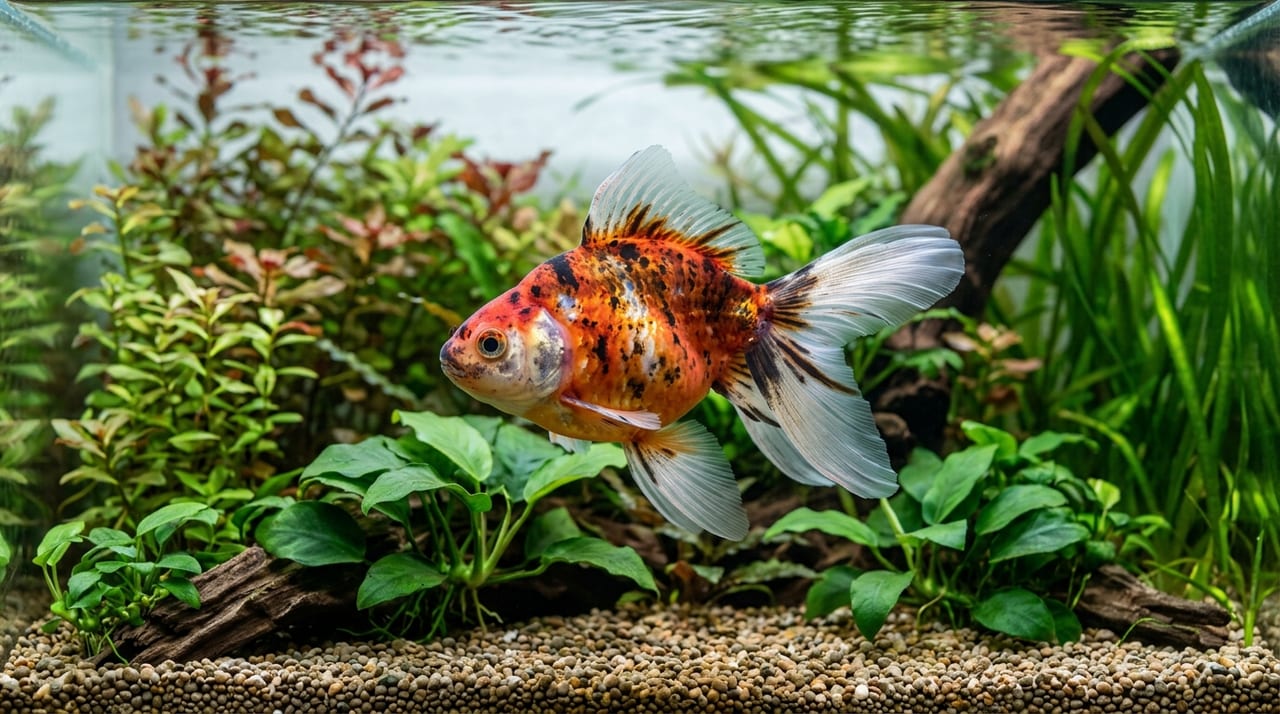
Explanation of outdoor goldfish wintering methods. Introducing freeze prevention strategies, dormancy management, and spring restart procedures.
Key Takeaways
Explanation of outdoor goldfish wintering methods. Introducing freeze prevention strategies, dormancy management, and spring restart procedures.
Goldfish are naturally hardy fish with relatively good cold tolerance. In most regions of Japan, outdoor wintering is entirely feasible with proper preparation. However, "no care needed" is not the right approach—success depends heavily on thorough preparation in autumn and proper management throughout winter to ensure your fish emerge healthy in spring. This guide walks beginners through the entire process from freeze prevention to dormancy management and spring restart, making it easy to understand as you prepare for your first outdoor wintering attempt in the 2026 season.
Pre-Wintering Preparation Begins in "Autumn"
The key to successful outdoor wintering lies in autumn, before winter truly sets in. Taking time to prepare thoroughly during this period minimizes stress on your goldfish.
Gradual Reduction in Feeding Amounts
Starting around October when water temperature drops below 15℃, reduce feeding to roughly half the normal amount. As cold-blooded animals, goldfish have reduced digestive activity at lower temperatures. Uneaten food decays in the water and degrades water quality, so caution is essential.
When water temperature reaches 10℃ or below around November, stop feeding completely. At this stage, goldfish naturally lose appetite, so there's no need to force-feed them.
Treat Any Diseased Fish Before Winter
Goldfish have reduced immune function during dormancy. If any fish enter winter with illness such as white spot disease or fin rot, spring recovery can become difficult. It is essential to check the health of all fish in autumn and complete any necessary treatment before winter arrives.
Establish Proper Water Quality Before Winter
Since water changes are rarely performed during dormancy, it's critical to establish clean water conditions before winter begins. Carefully remove accumulated sludge and debris from the bottom and perform a water change to create a clean environment. Neglecting this "deep cleaning" causes organic matter to accumulate throughout winter, leading to rapid water quality deterioration in spring. For detailed water change procedures, see Goldfish Water Change Technique Guide.
✍️
BreederDirect Editorial
The BreederDirect editorial team specializes in care information for animals, covering veterinary care and breeding to deliver beginner-friendly guides.
Find Goldfish on BreederDirect
Buy directly from verified breeders
Browse Related Listings
Find Goldfish listings related to this article on BreederDirect. Buy directly from verified breeders.
Related Tools
Related Articles
Browse by Category
🪸Coral
🐠Marine Fish
🐟Tropical Fish
🐡Goldfish
🐟Medaka
🦎Reptiles
Share
Freeze Prevention | Complete Freezing Can Be Fatal
The greatest risk in outdoor keeping is "complete water freezing." If a pond or container freezes solid to the bottom, goldfish will suffocate and freeze to death. However, if only the surface freezes thinly with water remaining at the bottom, goldfish can survive. The goal of freeze prevention is to prevent complete freezing.
Thermal Insulation Using Expanded Polystyrene
The most practical and effective method is using expanded polystyrene (styrofoam).
Surround the container's exterior with polystyrene boards: This blocks cold air from the sides and prevents rapid temperature drops
Place polystyrene boards as a lid: This prevents cold air and snow from above. However, since goldfish need minute amounts of oxygen even during dormancy, be sure to leave a small opening for gas exchange
Using a large polystyrene container (the type used for fish transport) as your actual breeding tank is also recommended. Such containers have excellent insulation and are ideal for wintering.
Ensuring Adequate Water Volume
The more water you have, the longer it takes for the entire volume to freeze. Before winter arrives, set the water level high and use the largest possible container or deepest pond you can. With a depth of 30cm or more, the risk of freezing all the way to the bottom drops dramatically. If you're considering pond breeding, also check Goldfish Pond Filter Systems Guide to make year-round water quality management easier.
Installing Wind and Snow Protection
Tilting corrugated plastic boards or plastic cardboard over the container prevents snow accumulation and direct wind exposure. Moving the container to a location with less exposure to north winds is also effective.
Dormancy Management | "Do Nothing" is the Right Approach
When water temperature reaches 5℃ or below, goldfish nearly halt digestion and metabolic activity, entering true "dormancy." They become motionless at the bottom, which is a normal state.
Never Feed During Dormancy
Feeding goldfish during dormancy is strictly prohibited. At low temperatures, digestive organs barely function, so food cannot be digested and rots in the intestines instead. This frequently leads to illness or death. Once water temperature drops below 10℃, completely stop feeding until spring when temperature recovers.
Water Changes Are Basically Unnecessary
During winter, goldfish metabolism is drastically reduced, so ammonia and organic waste output become minimal. Water quality deteriorates slowly, making water changes unnecessary. In fact, adding cold fresh water can cause significant temperature fluctuations, stressing the fish.
Periodic Health Checks
While water changes aren't needed, check on your fish approximately every two weeks. Fish resting motionless at the bottom is normal, but fish lying on their side or floating abnormally indicates a problem. Also check whether ice on the surface is thickening and whether the container is becoming completely frozen.
Spring Restart | Resume Gradually Without Rushing
After surviving the long winter, rushing to restart your goldfish can cause serious stress. Avoid abrupt environmental changes.
Resume Feeding with Small Amounts
Begin feeding again when water temperature exceeds 10℃ and fish start swimming actively on their own. Start with easily digestible small pellets in tiny amounts (1-2 pellets), then gradually return to normal feeding over 1-2 weeks while monitoring your fish.
Perform Water Changes and Tank Cleaning
Remove organic matter and sludge that accumulated at the bottom during winter by performing thorough water changes and tank cleaning in spring. Rather than replacing all water at once, make gradual changes using water near the tank's temperature to reduce stress on fish.
Post-Dormancy Health Management
Goldfish emerging from dormancy have reduced stamina and are susceptible to illness. Pay special attention to water quality and avoid sudden temperature changes, continuing careful observation for several weeks.
BreederDirect's Safe and Secure System
BreederDirect is a platform where you can purchase goldfish directly from breeders who actually breed and raise them. Breeders have years of cultivation experience and expertise in wintering techniques. Before purchasing, you can message breeders directly with questions like "Is outdoor wintering possible?" or "Is it okay in the Tohoku region?" to receive specific advice tailored to your region's climate and your setup.
Additionally, BreederDirect lets you check seller ratings and profiles in advance, making it easy to choose trustworthy breeders. Even first-time goldfish keepers can start with confidence, receiving direct support from breeders with near-professional knowledge. Visit the goldfish marketplace and find hardy individuals well-suited to winter survival.
This year, challenge outdoor goldfish wintering with confidence. With solid preparation and management, your goldfish will surely show their healthy colors again in spring.