Summer Care and Heat Management for Goldfish | Heat Protection Guide
High temperatures in summer can reduce goldfish appetite and increase disease risk. This guide explains how to use reed screens for outdoor tanks, cooling methods for indoor tanks, and important tips for feeding and water changes during summer.
Key Takeaways
High temperatures in summer can reduce goldfish appetite and increase disease risk. This guide explains how to use reed screens for outdoor tanks, cooling methods for indoor tanks, and important tips for feeding and water changes during summer.
Related Species
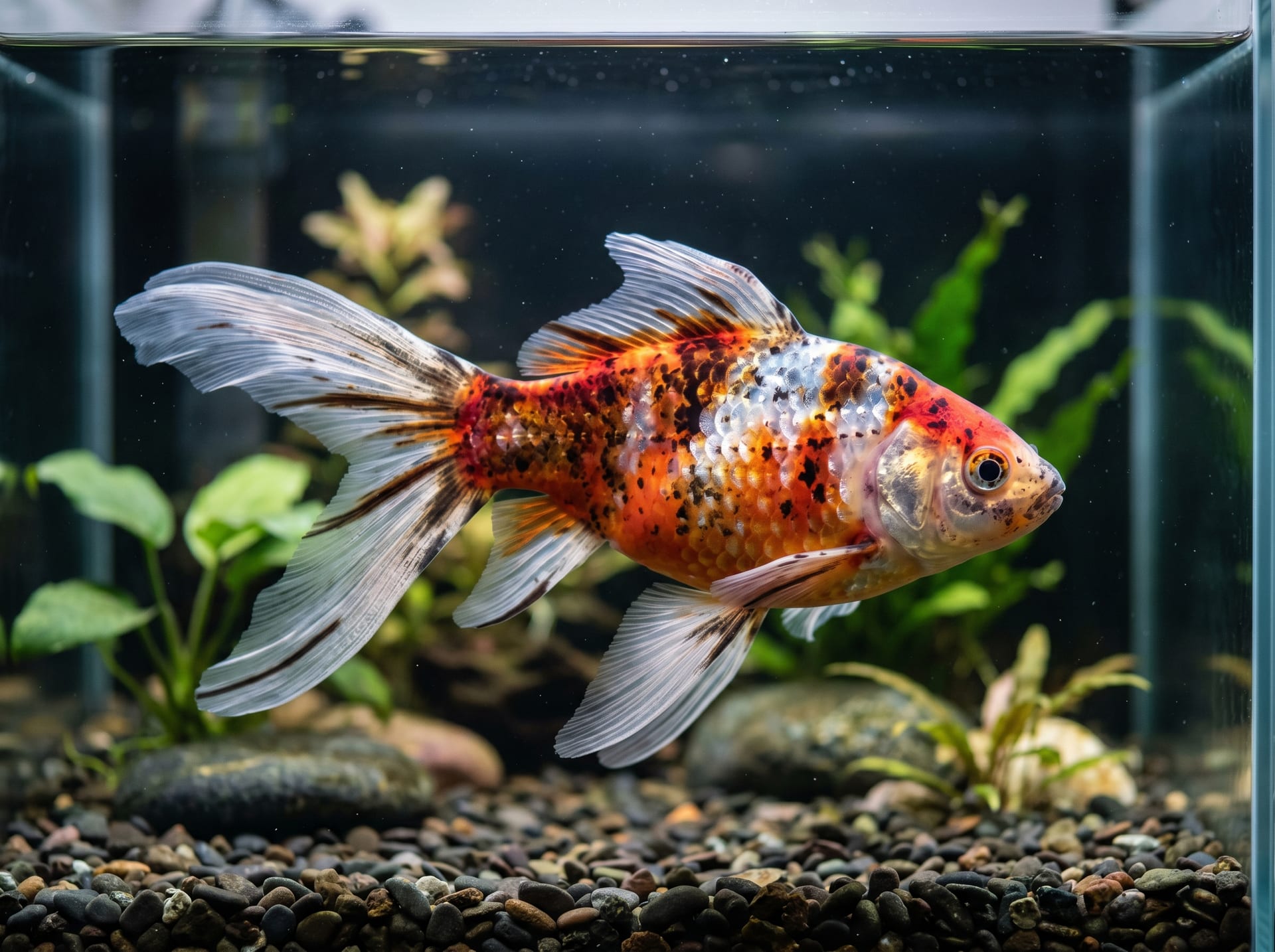
Goldfish and Summer Heat | Understanding Heat Tolerance by Breed
Goldfish are relatively heat-tolerant fish, but when water temperature exceeds 32°C, their appetite declines and their immune system weakens, making them more susceptible to disease. Outdoor tanks in particular face the danger of rapid temperature spikes from direct summer sunlight, making proper heat management essential.
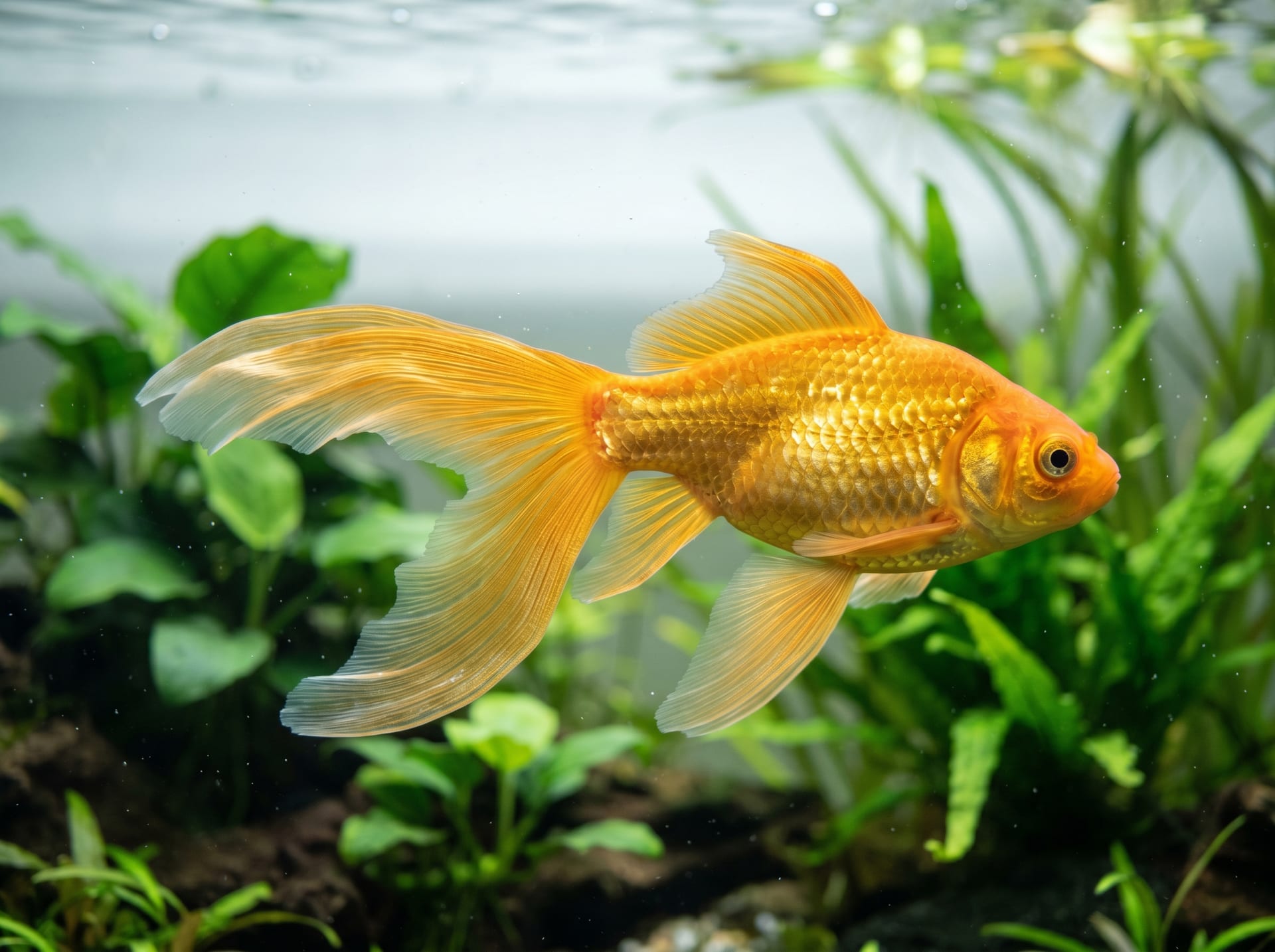
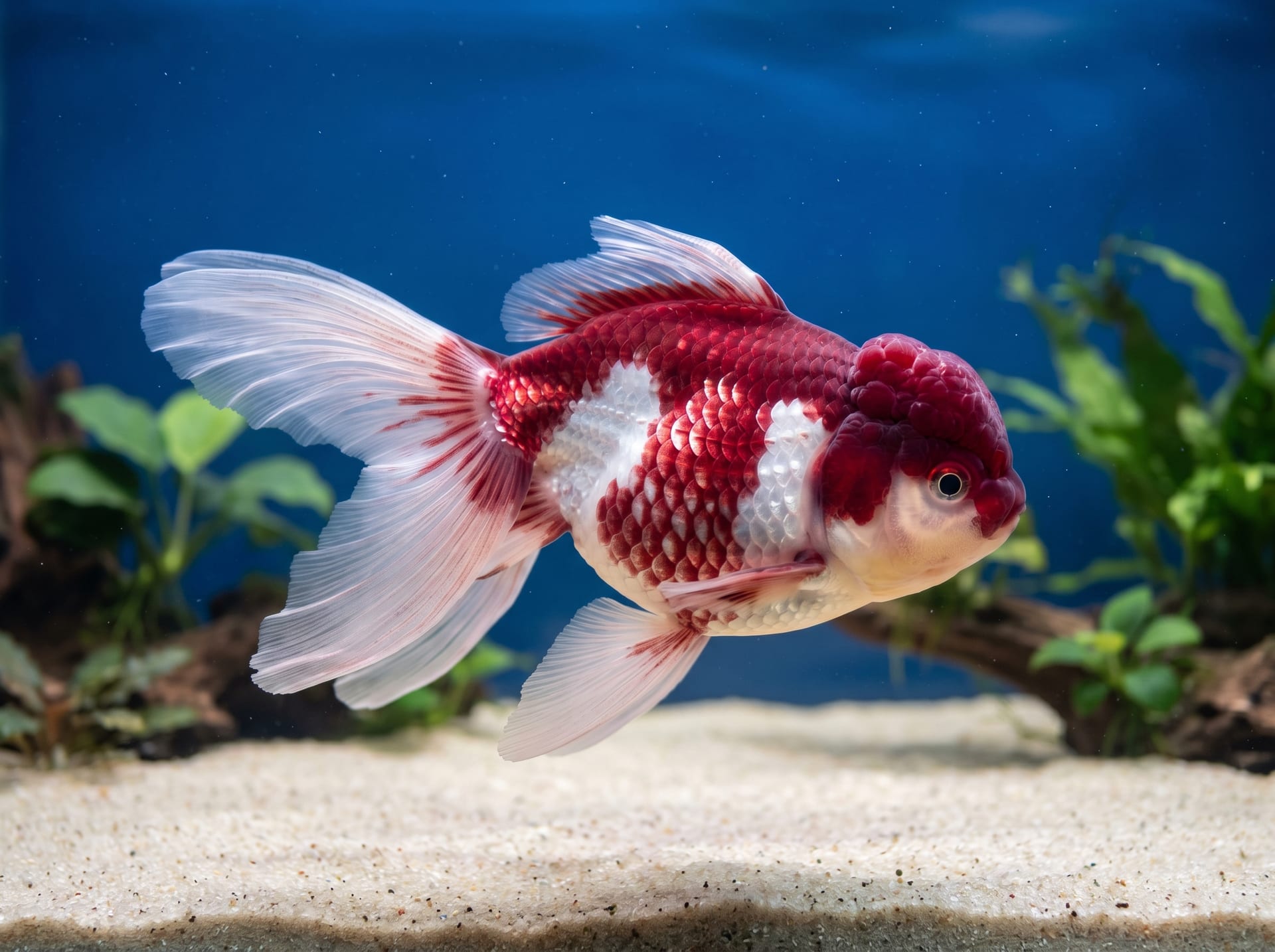
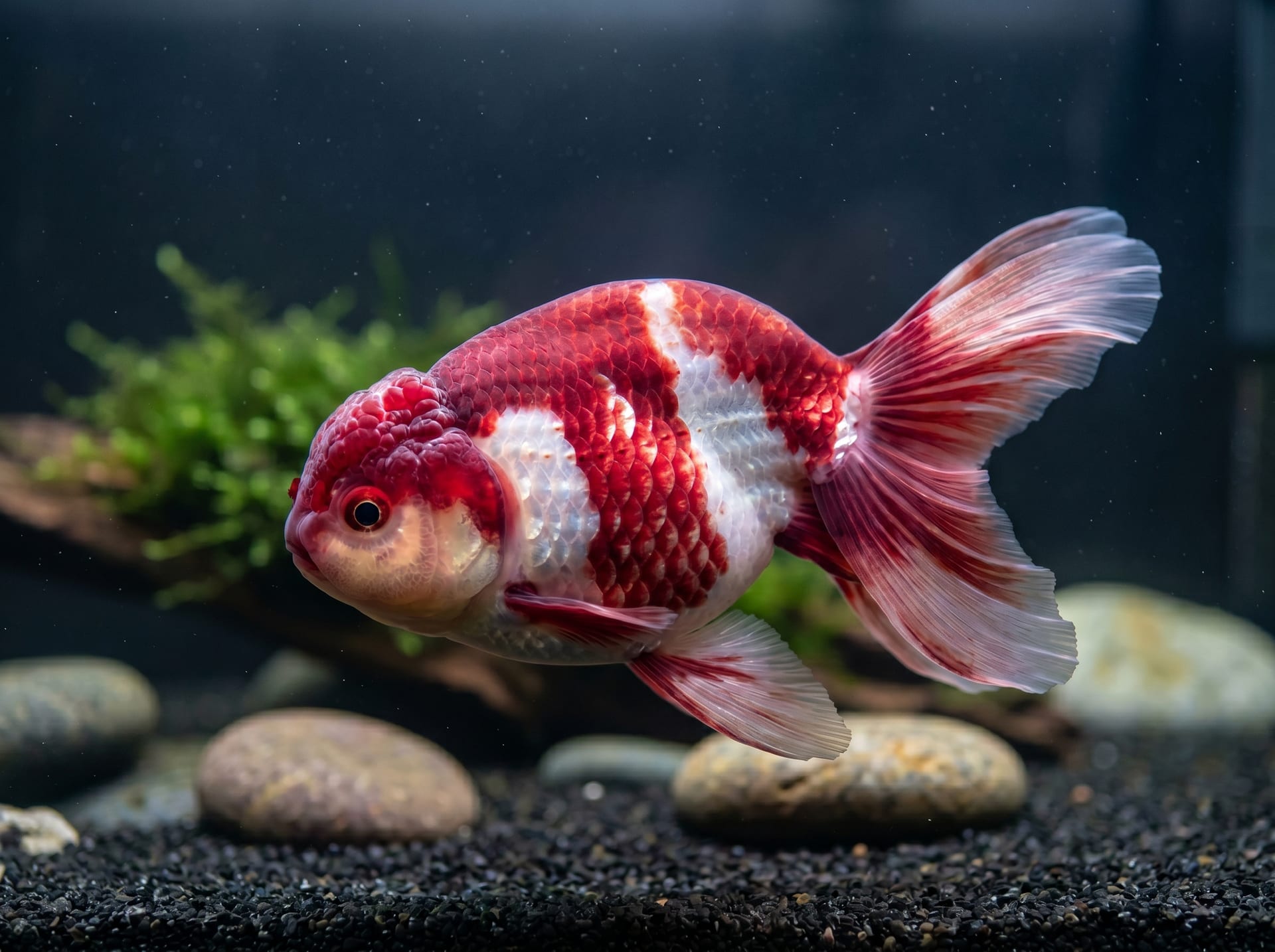
Heat tolerance varies significantly by breed. Rounded-body breeds (egg-shaped), such as Ranchu, Ryukin, and Dutch Lionhead, are particularly heat-sensitive. Their compact body shape places stress on their cardiopulmonary function, making them the first to suffer when dissolved oxygen levels drop in high temperatures. In contrast, streamlined breeds like Wakin, Comet, and Kohaku have body structures that tolerate heat relatively well.
Water temperature guidelines are as follows.
| Water Temperature | Status |
|---|---|
| 25–28°C | Optimal range for goldfish activity |
| 28–30°C | Appetite begins to decline |
| 30–32°C | Stress accumulates and disease risk increases |
| Over 32°C | Emergency intervention required (can be life-threatening for egg-shaped breeds) |
Always install a thermometer in your tank and make it a daily habit to check morning and evening temperature fluctuations. Continue to watch for high temperatures during summer 2026.
Sun Protection and Tank Placement for Outdoor Tanks
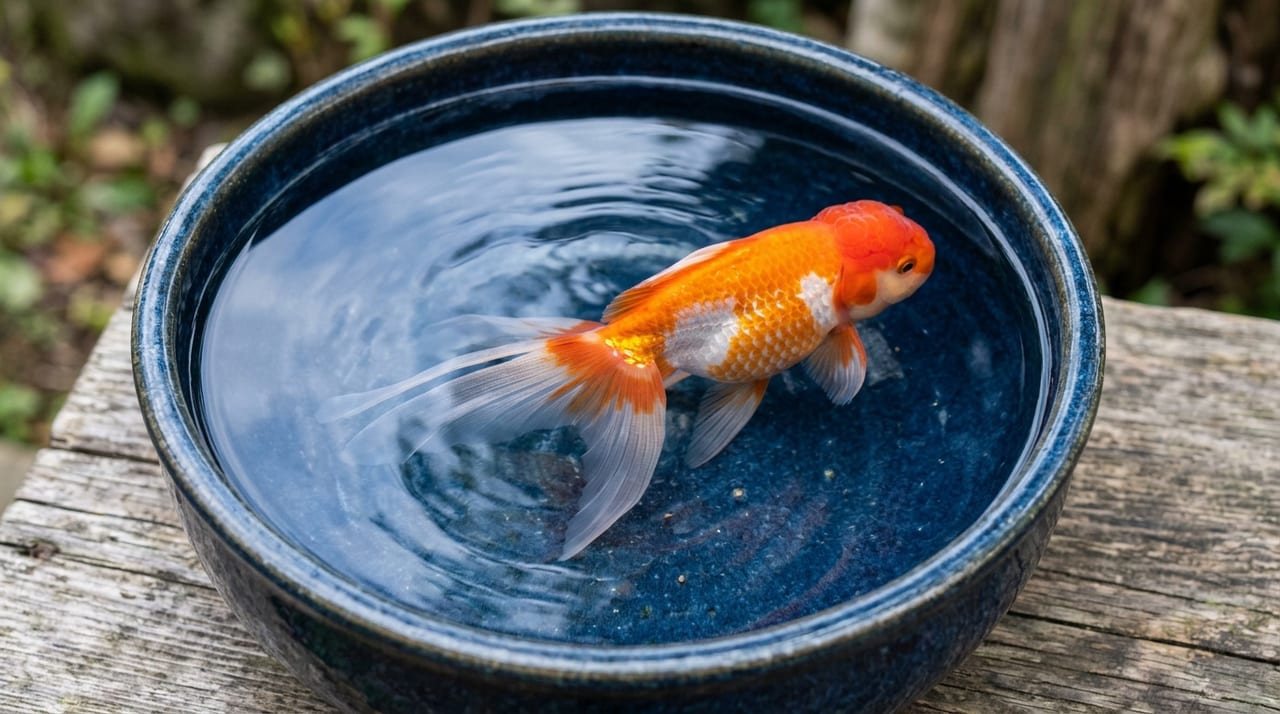
For outdoor goldfish tanks, reed screens (sudare) are the most effective sun protection. Install them to cover approximately half to two-thirds of the water surface, leaving gaps to ensure airflow. Reed screens have a high light-blocking rate and can reduce water temperature increases from direct sunlight by approximately 3–5°C.
Reconsidering the tank's location is also important. Concrete and asphalt reflect heat, making containers hot, so moving your tank to soil or grass can significantly reduce ground radiation. Placing slats or bricks under the container to create airflow also works well and prevents heat conduction from the bottom.
Increasing water depth is also an effective measure. Shallow containers (10 cm or less) experience dramatic temperature swings, with water temperature rising rapidly on sunny days. In summer, use containers that can maintain 30 cm or greater water depth, or increase water volume to raise heat capacity, preventing sharp temperature fluctuations. In lotus bowls, lotus leaves provide natural shade, but excessive leaf cover can lead to oxygen depletion, so careful management is needed.
Cooling Strategies for Indoor Tanks
For indoor tanks, aquarium cooling fans offer the best cost-to-benefit ratio. They direct air across the water surface to promote evaporation and lower water temperature by about 2–4°C through evaporative cooling. However, evaporation accelerates water loss, so watch water levels and top up regularly. The added water must be dechlorinated, and the temperature difference must be kept within 2°C when added.
When using air conditioning to manage room temperature, tank water temperature remains relatively stable, but be careful not to place tanks directly in the path of cool air, as this can lower water temperature excessively. While aquarium chillers may seem like overkill for goldfish, they are worth considering if you keep expensive Ranchu or large breeds, or if air conditioning is unavailable.
Reducing lighting duration indoors also helps control water temperature rise. Keep it to about 8–10 hours daily in summer, and switching to low-heat LED lighting is also effective. Don't seal tank lids; instead, provide vents to prevent heat buildup.
Feeding and Water Change Management in Summer
At high water temperatures, goldfish digestion is impaired, so reduce feeding to half the usual amount or less. Uneaten food rapidly degrades water quality. Choose floating flakes or small pellets that are easy to digest, and feed only what they can consume in 2–3 minutes. On scorching summer days or when water temperature exceeds 30°C, skipping feedings entirely is fine. Goldfish are hardy enough to go 1–2 weeks without food without weakening. Prioritizing water quality maintenance determines success or failure in keeping them.
Increase water changes to about twice weekly in summer, keeping each change to roughly one-third of the tank volume. Large water changes cause abrupt temperature and water quality swings, stressing goldfish. Always match the temperature of replacement water, and during summer, perform changes early morning or evening, avoiding the warmest part of the day. Filter maintenance is important when bacteria are most active in summer, but rinse media gently in tank water to avoid killing beneficial bacteria.
Early Detection and Treatment of Common Summer Diseases
The three most common diseases goldfish face in high-temperature periods are white spot disease, fin rot, and gill disease. All three typically develop following temperature fluctuations or water quality deterioration, so maintaining stable conditions is the best prevention.
| Disease | Symptoms | Cause & Treatment |
|---|---|---|
| White Spot Disease | White spots appear on the body surface | Most commonly appears when water temperature drops suddenly. In early stages, raising temperature to around 28°C suppresses parasite activity and promotes natural recovery |
| Fin Rot | Fin edges appear to dissolve, turning white | A bacterial disease primarily caused by poor water quality. Early detection combined with salt baths (0.5% concentration) and improved water conditions often leads to recovery |
| Gill Disease | Rapid gill movement, asymmetrical gill action, gasping at the surface | A serious condition that can be fatal if it progresses |
Early detection through daily observation is essential. If you notice changes in swimming behavior (floating listlessly at the surface, sinking to the bottom and remaining still), abnormal coloration or slime, or decreased feeding response, promptly move the fish to a quarantine tank. Provide adequate aeration in the quarantine tank, match the water temperature to the main tank, and attempt a salt bath as basic first aid.
Find Beautiful Goldfish on BreederDirect
On BreederDirect, you can purchase goldfish individuals carefully raised by breeders directly. A wide variety of breeds are available, including Ranchu, Ryukin, Kohaku, and Dutch Lionhead, and you can get breed-specific care advice directly from breeders. If you have concerns about summer care, take full advantage of the breeder Q&A feature.