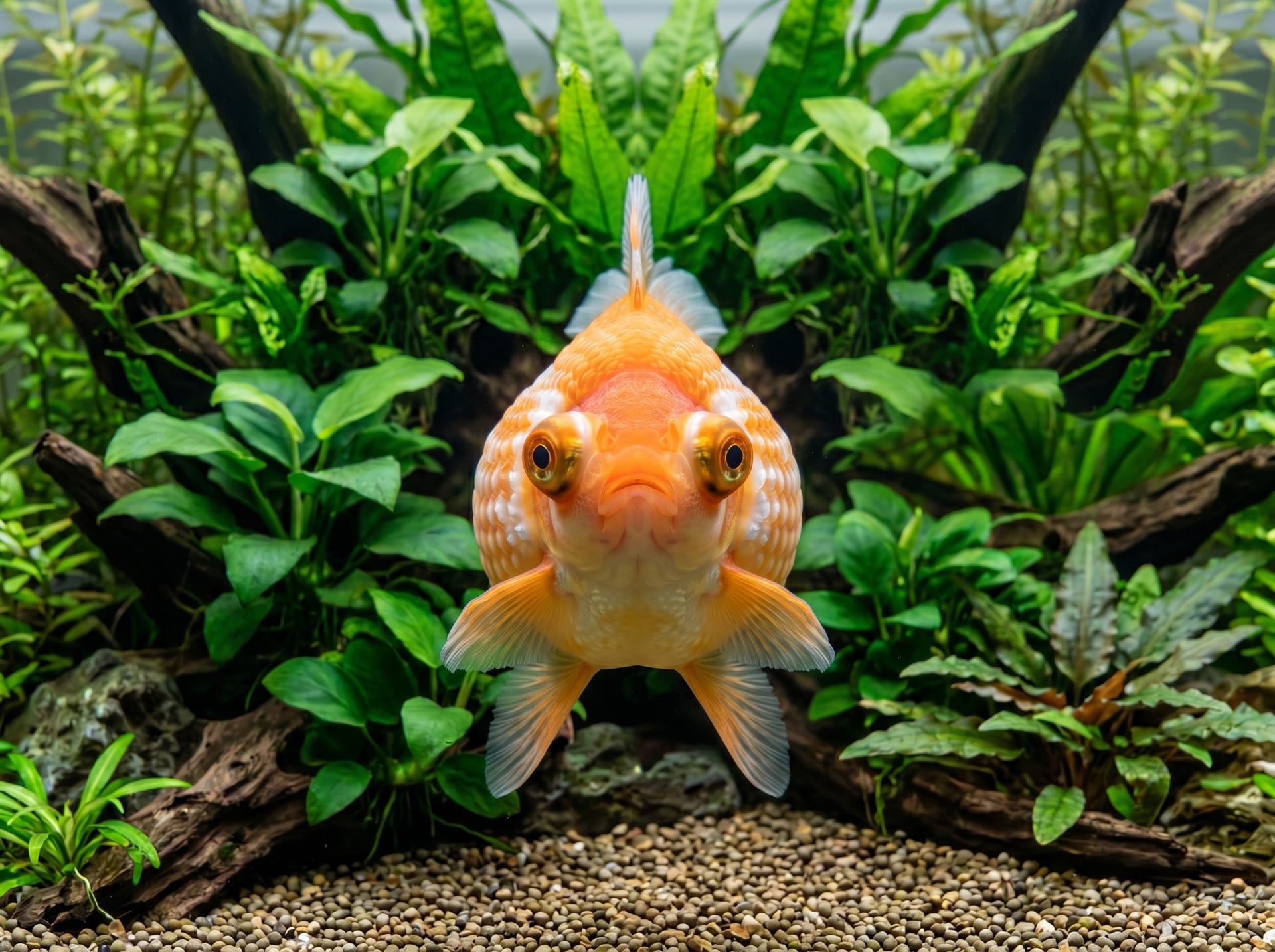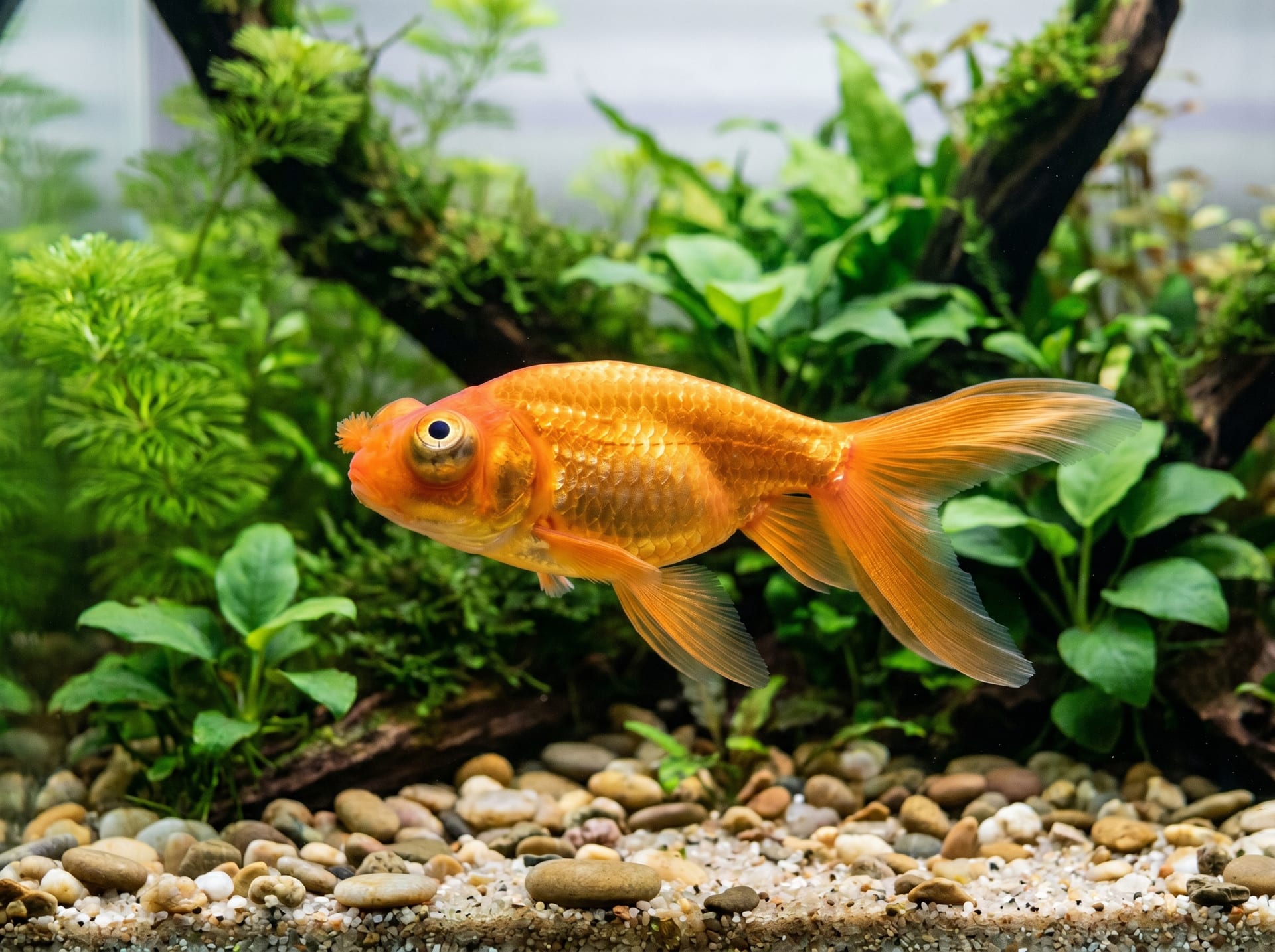
AI-generated image
Celestial Eye Pompom
AdvancedCarassius auratus var.
Rare variety with upward-facing eyes (Celestial) and nasal bouquets (Pompom). Ancient Chinese fancy goldfish. Unique appearance loved by enthusiasts. Challenging to keep.
Difficulty
Advanced
Temperature
18〜28℃
Lifespan
5-10 years
Size
10-15cm
Diet
Goldfish food (floating type recommended)
About
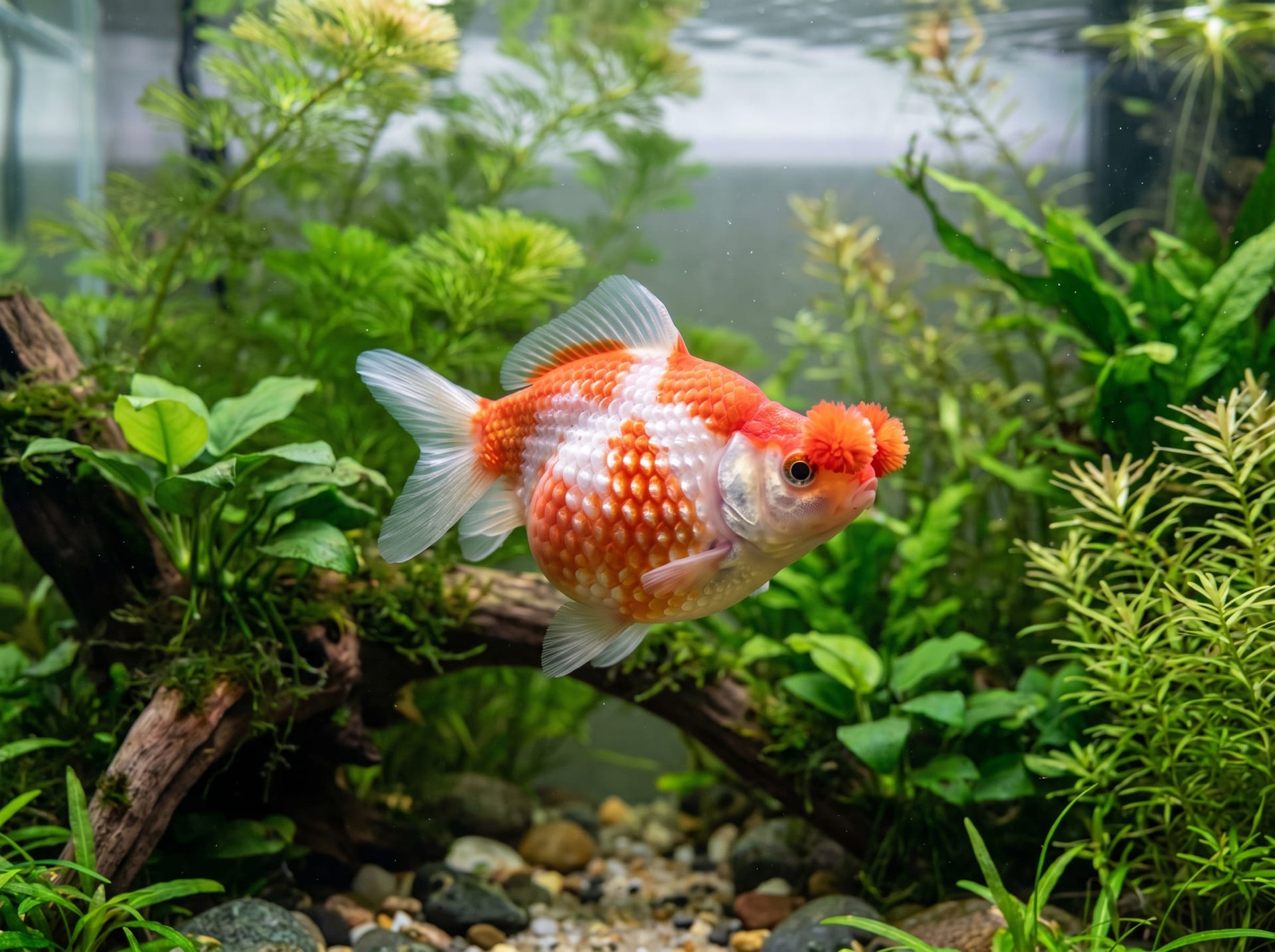
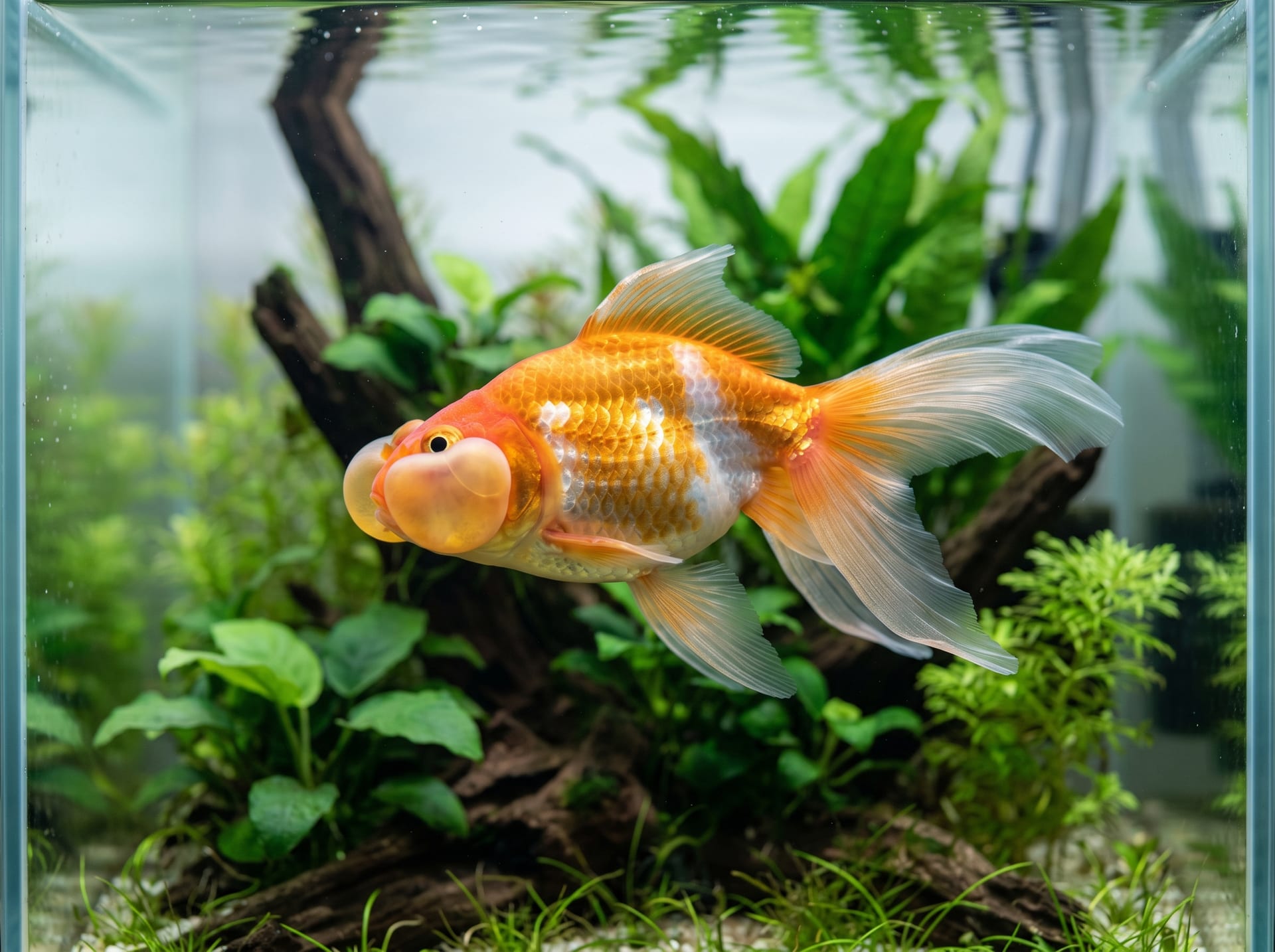
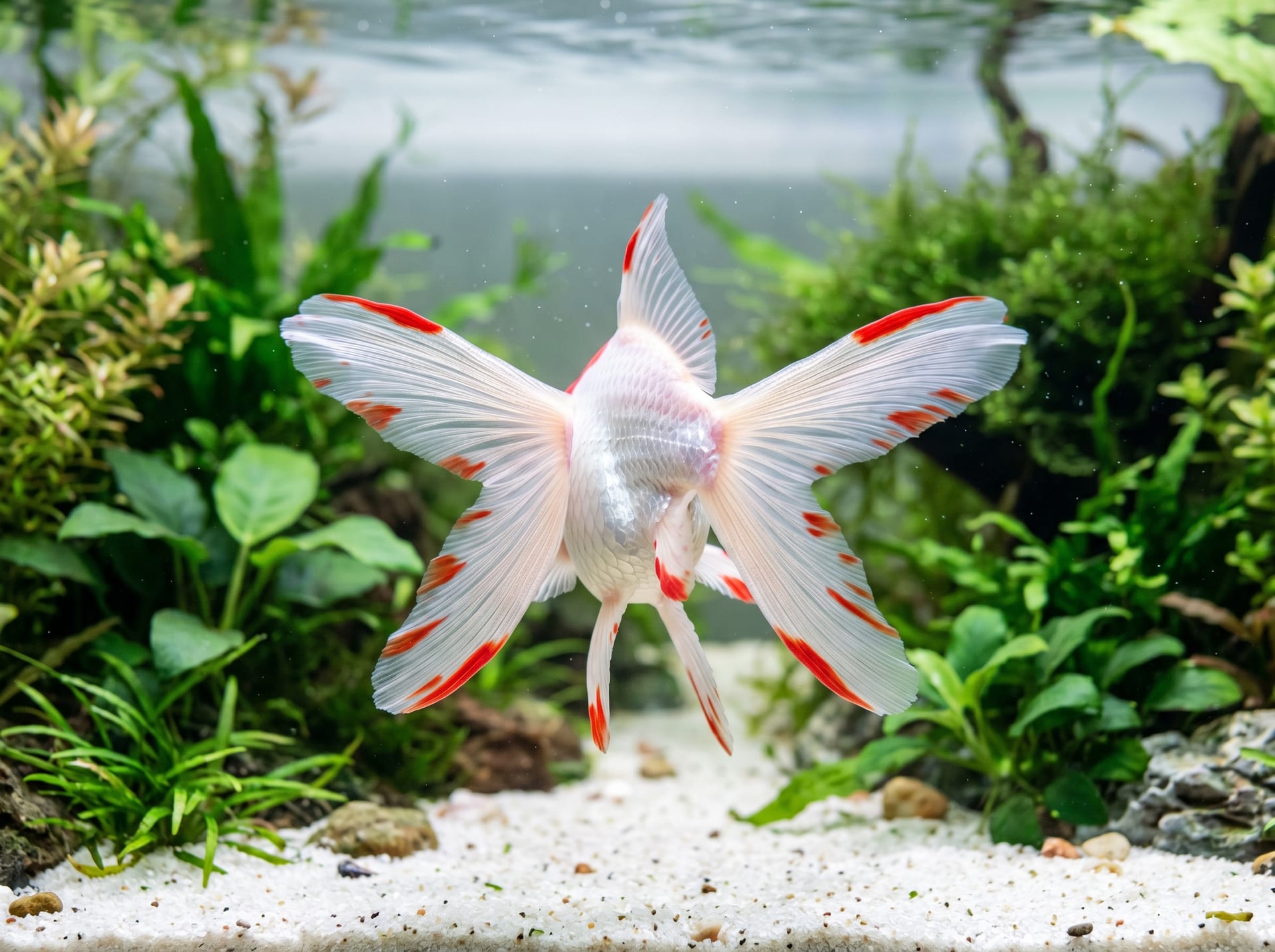
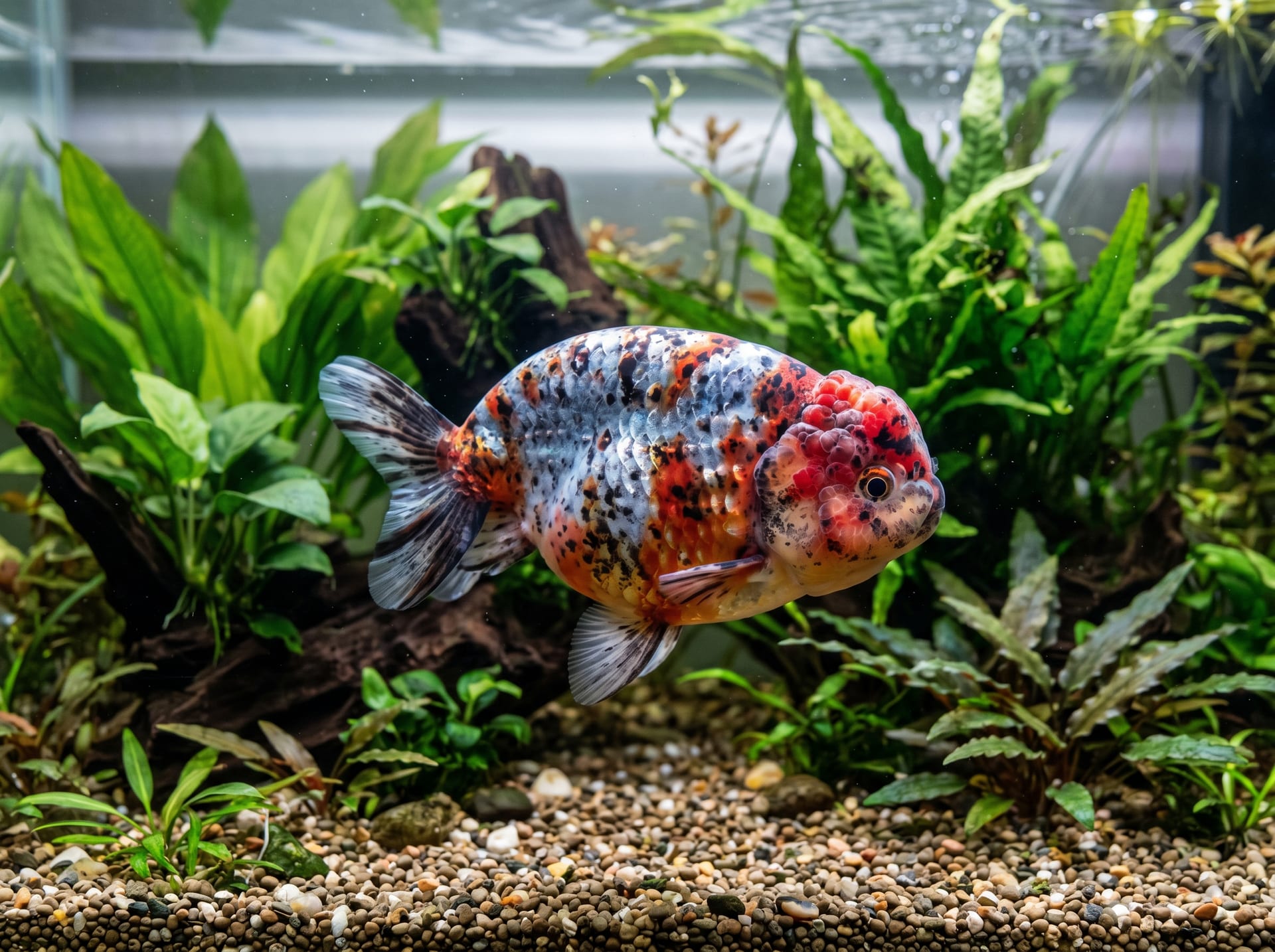
The Celestial Eye Pompom is a Chinese fancy goldfish combining celestial (upward-gazing) eyes with developed nasal bouquets (pompoms) at the snout. It lacks a dorsal fin, and its unusual face—both eyes turned toward the sky—paired with soft, fluffy pompoms gives it a highly individual, endearing look. Because the upward eyes limit its field of view, it swims slowly, and the delicate pompoms are easily damaged, the layout should avoid sharp decorations and filter intakes should be fitted with sponge guards. It is best kept without active tank mates—alone or only with similarly gentle varieties. Care is demanding, and the variety is regarded as suited to advanced keepers.
Lifespan of the Celestial Eye Pompom
The Celestial Eye Pompom lives 5-10 years.
Size of the Celestial Eye Pompom
The Celestial Eye Pompom grows to 10-15cm.
Temperature & humidity for the Celestial Eye Pompom
The ideal temperature for the Celestial Eye Pompom is 18〜28℃.
Maintain a somewhat warmer, stable temperature (roughly 18–26°C) and feed carefully to compensate for its limited vision.
Basic Info
Origin
China
Lifespan
5-10 years
Size
10-15cm
Care Specifications
- pH
- 6–8
- Hardness (GH)
- 5–19 dGH
- Water Temp.
- 18–28℃
PeacefulGroupBreeding: Moderate
Sources: FishBase / Aqueon Goldfish Care Guide
Morphs (Varieties)
Goldfish varieties are line-bred for body shape, tail type, scale type, and coloration. Traits such as protruding eyes, transparent scales (calico), and albinism are single-locus traits.
Line-bredEstablished by selective line breeding.
Dorsal-lessUpturned (celestial) eyesNasal bouquets (pompom)
Sources: Wikipedia - Goldfish (Varieties) / Goldfish — Wikipedia (Japanese edition, varieties)
A curated selection of notable morphs. Inheritance modes are a breeding-planning guide; actual appearance varies with combos.
References & Sources
Edited & verified by: BreederDirect editorial team
The taxonomic, regulatory, and husbandry data on this page are compiled and verified against the authoritative primary sources below.
Taxonomy & Authority
Accepted name: Carassius auratus var. (Linnaeus, 1758)
Synonyms: Cyprinus auratus Linnaeus, 1758, Carassius auratus auratus (Linnaeus, 1758), Cyprinus thoracatus Valenciennes, 1842, Carassius burgeri Temminck & Schlegel, 1846, Cyprinus chinensis Gronow, 1854
Authority databases: FishBase · GBIF · FishBase: Carassius auratus · GBIF: Carassius auratus
Nomenclature follows global taxonomic authority databases.
Celestial Eye Pompom Listings
Loading latest listingsFind listings for this species