Complete Care Guide for Celestial Pearl Danios (Galaxy Rasboras) | Raising Tiny Jewels
Celestial Pearl Danio (Danio margaritatus), discovered in Myanmar in 2006, is a tiny tropical fish with beautiful pearl-like markings reminiscent of a starry sky. This comprehensive guide covers proper water conditions, schooling environments, breeding methods, and the most common causes of care failures.
Key Takeaways
Celestial Pearl Danio (Danio margaritatus), discovered in Myanmar in 2006, is a tiny tropical fish with beautiful pearl-like markings reminiscent of a starry sky. This comprehensive guide covers proper water conditions, schooling environments, breeding methods, and the most common causes of care failures.
Related Species
What is Celestial Pearl Danio?
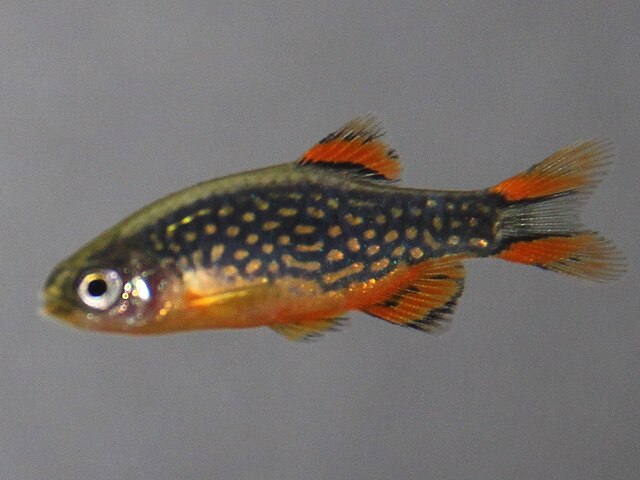
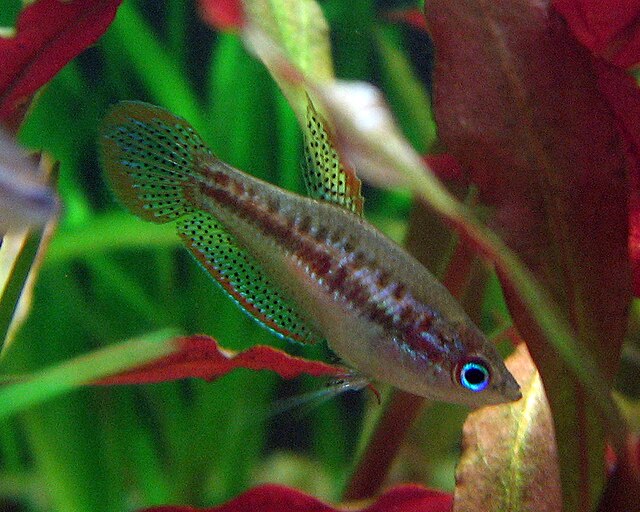
Celestial Pearl Danio (Danio margaritatus) is a small cyprinid tropical fish discovered in 2006 in a small pond in Karen State, Myanmar. Upon discovery, it quickly became popular under the common name "Galaxy Rasbora."
True to its name, the body displays a deep blue-green coloration scattered with silvery pearl-like spots reminiscent of a starry sky, and the fins feature striking orange and black stripes. Adult size is only 2–2.5 cm, making it ideal for nano aquariums (10–30 L).
Basic Information
| Item | Details |
|---|---|
| Scientific Name | Danio margaritatus |
| Common Name | Celestial Pearl Danio / Galaxy Rasbora |
| Origin | Myanmar (Shan State, Karen State) |
| Adult Size | Approximately 2–2.5 cm |
| Lifespan | 3–5 years |
| Difficulty Level | Beginner to Intermediate |
| Swimming Level | Mid to upper |
Required Aquarium Environment
Tank Size
Although small, Celestial Pearl Danios are recommended to be kept in groups of at least 10 or more for schooling enjoyment.
| Number of Fish | Recommended Tank Capacity |
|---|---|
| 5–10 fish | 15–20 L (nano aquarium) |
| 10–20 fish | 20–40 L |
| Colony (30+ fish) | 45 L or larger |
Keeping too few fish causes them to become timid, and stress can lead to faded coloration.
Water Parameters
Their natural habitat is slightly acidic to neutral clear water flowing through highland pools.
| Parameter | Optimal Range |
|---|---|
| Temperature | 20–26°C |
| pH | 6.5–7.5 |
| Hardness (GH) | 1–10 dGH (soft to moderately hard water) |
| Ammonia / Nitrite | 0 |
| Nitrate (NO₃⁻) | 20 ppm or less |
Because their native habitat is at high elevation, they prefer relatively cool water (22–24°C). Above 30°C, their activity decreases and immunity weakens. During Japan's hot summers, an aquarium chiller or cooling fan is effective.
Filter and Water Flow
Celestial Pearl Danios are not strong swimmers, so gentle water flow is suitable.
- Sponge Filter: Ideal for fry (no intake risk)
- Hang-On Filter: Easy for small tanks (attach a diffuser sponge to the outlet to reduce flow)
- Undergravel Filter: Effective when using substrate
Plants and Layout
Their natural habitat is shallow pools abundant with aquatic plants. Abundant plants in the tank create hiding places, allowing fish to feel secure and behave naturally.
Recommended Aquatic Plants
- Willow Moss: Ideal as a spawning bed and fry refuge
- Ludwigia / Alternanthera: Fast-growing with excellent water purification
- Eleocharis parvula (carpet): Recreates natural habitat
- Microsorum: Low-maintenance shade-loving plant
For substrate, use fine sand or dark-colored soil to make the coloration stand out.
Bringing Out the Beauty of Schooling
Celestial Pearl Danios display their most vibrant coloration when schooled together. Males establish territories and display fin-spreading behavior.
How to Distinguish Males from Females
| Feature | Male | Female |
|---|---|---|
| Coloration | Deep blue-green, vivid pearls | Slightly duller |
| Fins | Bright red-orange, larger fins | Slightly smaller |
| Belly | Slender | Fuller (especially when carrying eggs) |
| Behavior | Territorial, displays | Subdued |
An all-male tank shows displays but intensifies territorial disputes. Mixed male-female setup (1:1 to 1:2) allows natural schooling and breeding behavior.
Food and Feeding
Their very small mouths require fine-grained food.
Recommended Foods
- Brine shrimp nauplii (best for fry and adults alike)
- Dried microworms, vinegar eels
- Ultra-fine artificial pellets (Grow-D, NLS Grow, Shun, etc.)
- Dried copepods, rotifers
Feeding Frequency: Once or twice daily. Offer only what they can consume in 3–5 minutes. Small fish have faster metabolism, so frequent small meals are healthier.
Tank Mates
Small and peaceful, but easily predated upon by larger fish.
Compatible
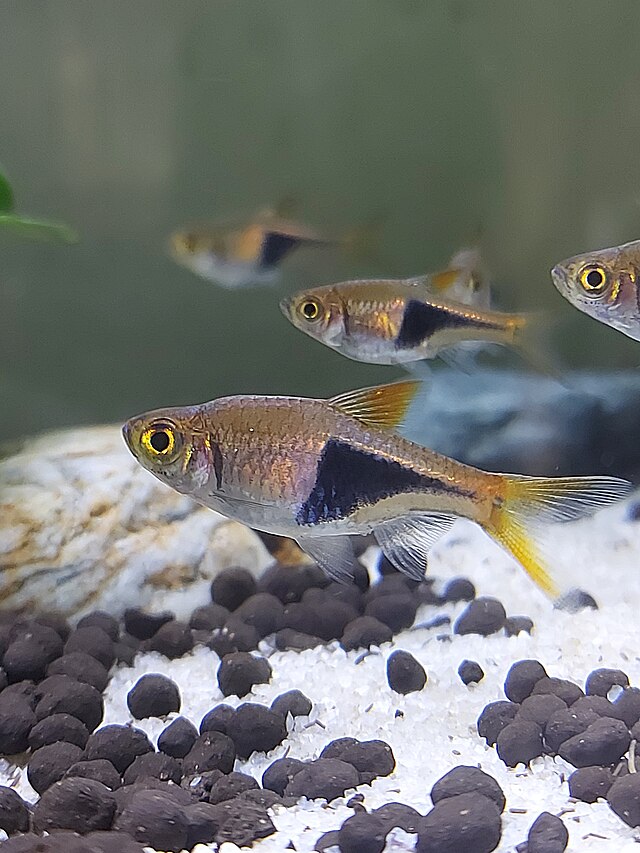
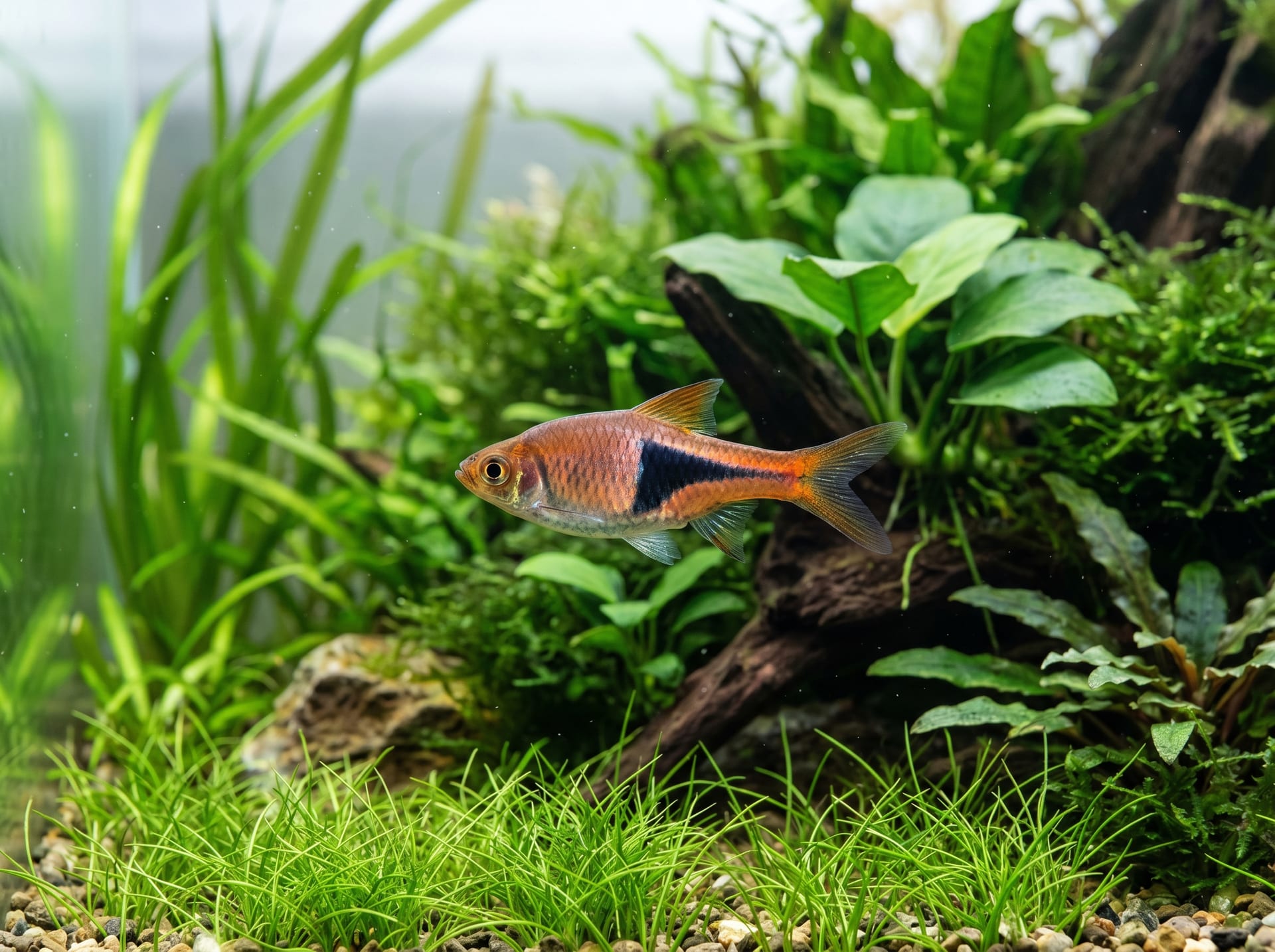
- Same-sized Rasbora species (Harlequin Rasbora, Lamp-eye, etc.)
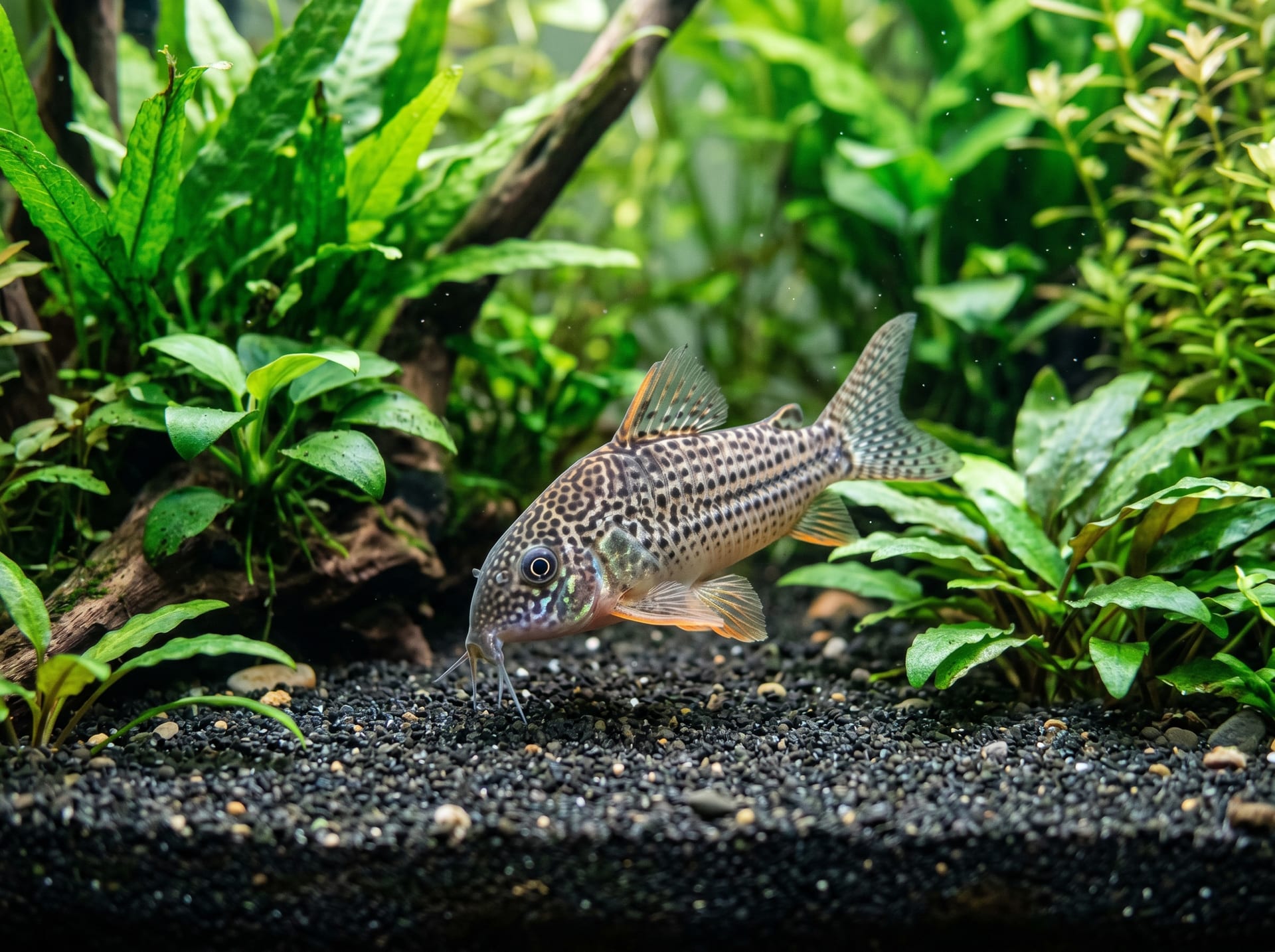
- Corydoras Pygmy (bottom cleaning)
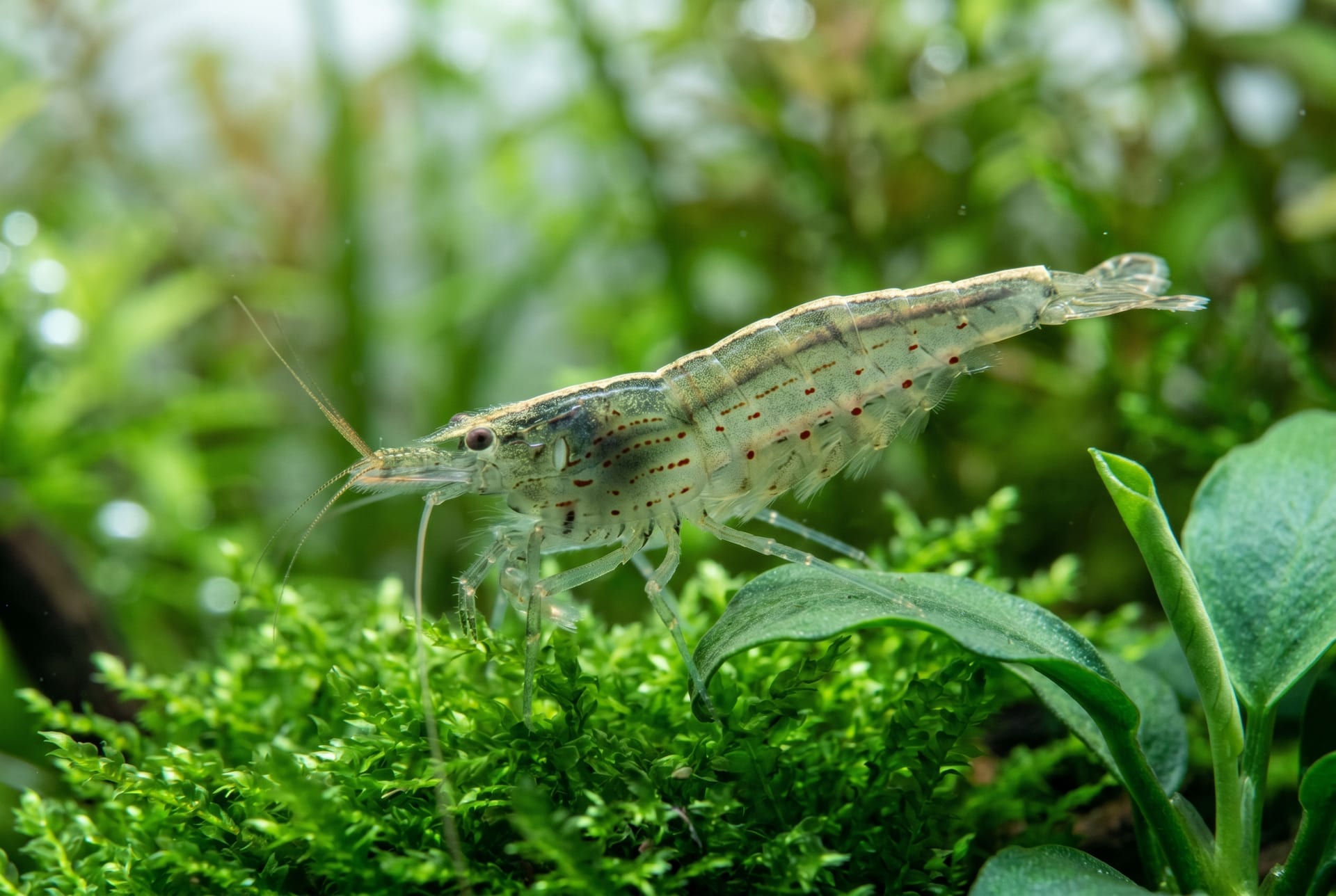
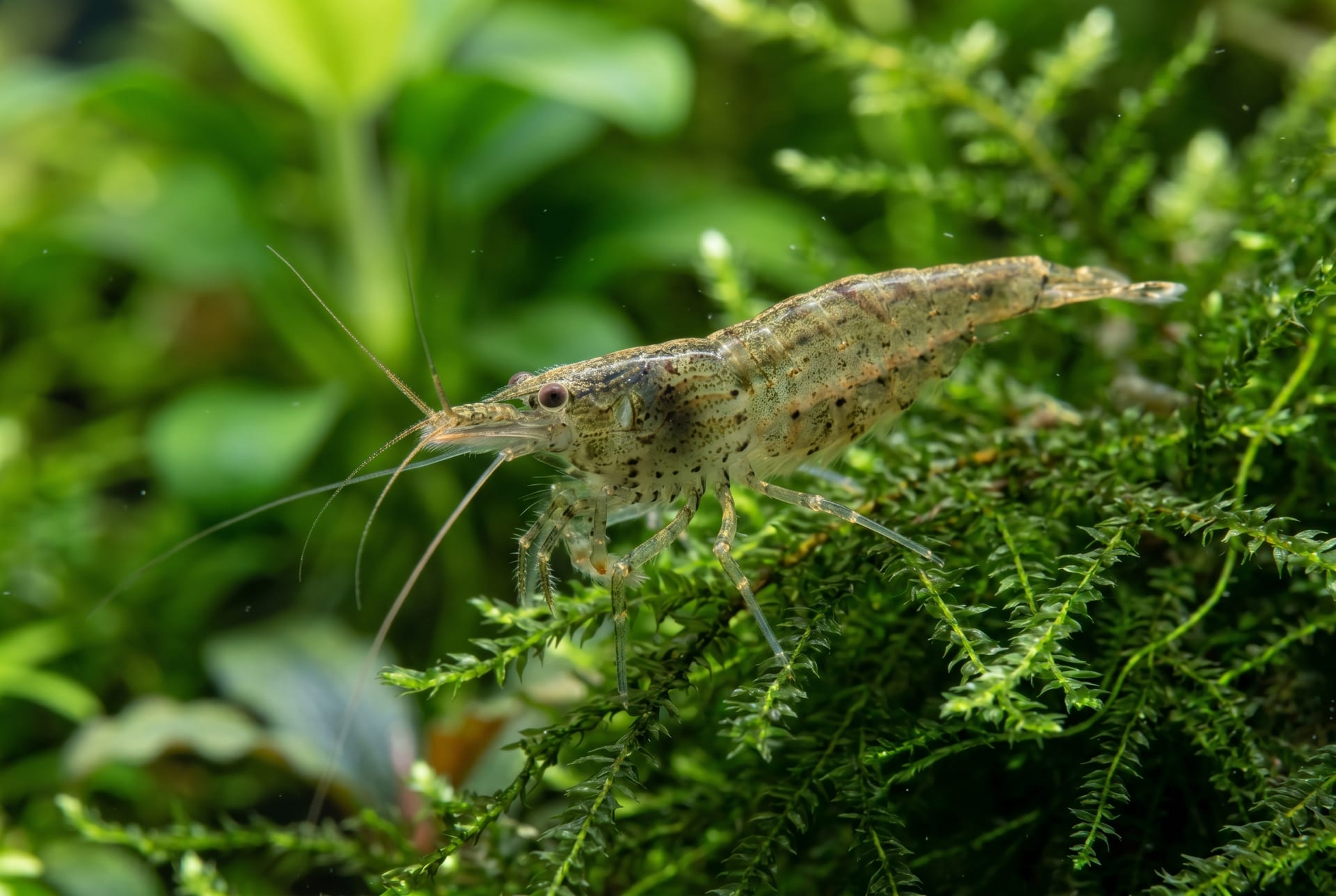
- Amano Shrimp, Yamato Shrimp (though they may eat fry during breeding)
- Dwarf Gourami (if docile)
Incompatible
- Bettas (fin-nippers)
- Large cichlids (predatory)
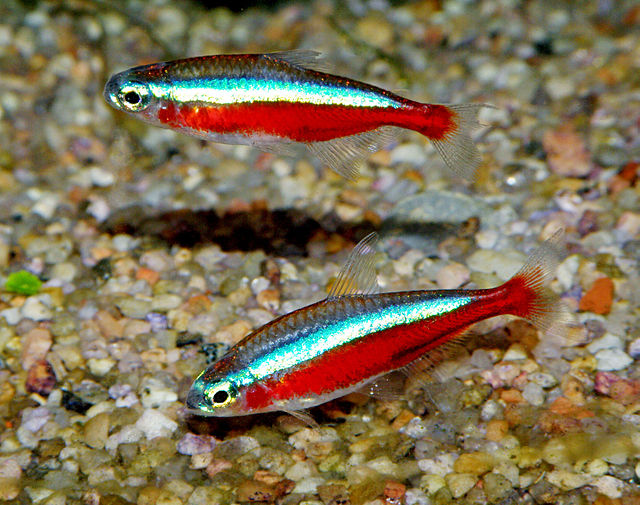
- Large Cardinal Tetras (can be a threat)
Breeding Methods
Celestial Pearl Danios breed relatively easily in aquariums and are egg scatterers.
Breeding Process
- Preparation: A mature male-female pair, Willow Moss, and fine substrate
- Spawning: Slightly raising temperature (25–26°C) encourages breeding. Males chase females, scattering eggs among moss and substrate crevices
- Hatching: Eggs are 1–2 mm and hatch in 2–3 days
- Fry Development: Adults may eat fry, so remove parents after spawning or transfer fry to a separate tank
- Initial Food: Fry become free-swimming after 3–5 days. Progress from infusoria (Paramecium) to brine shrimp nauplii
Breeding Tank Setup
- Small 5–10 L tank
- Sponge filter (prevents fry intake)
- Line the bottom thickly with Willow Moss and spawning mops
- Temperature 25–26°C
Common Failures and Solutions
Mysterious Deaths (Unexplained Decline)
The small-fish-specific pattern of mysterious deaths is often due to poor water quality or sudden parameter changes.
- Perform 20–30% water changes weekly without fail
- Keep nitrate below 20 ppm
- Acclimate thoroughly (drip method for 1+ hour)
Faded Coloration, Lethargy
- Water temperature too high (30°C+) → Implement cooling
- Too few fish (isolation stress) → Increase to 10+
- Water flow too strong, exhausting them → Reduce flow
Breeding Unsuccessful
- Skewed sex ratio → Adjust to 1:1–1:2
- Insufficient spawning substrate (moss) → Add more Willow Moss
- Temperature too low → Set to 25–26°C
Summary: Recreating the Universe in a Nano Tank
Celestial Pearl Danios have become a staple in nano aquascaping due to their beautiful markings and tiny size. While beginners can keep them successfully with stable water conditions, the key to maximizing their pearl-like coloration lies in schooling environments and proper cool-water management.
Breeding is relatively straightforward, offering the joy of watching fry grow. Try recreating a "tiny cosmos" in your aquarium.