Complete Guide to Silver Arowana Care: Choosing Large Tanks, Feeding, Growth Management, and Precautions
A detailed explanation of tank size, feeding methods, water quality management, and care during growth for silver arowana keeping. Covers jump prevention and lights-off management that beginners often struggle with.
Key Takeaways
A detailed explanation of tank size, feeding methods, water quality management, and care during growth for silver arowana keeping. Covers jump prevention and lights-off management that beginners often struggle with.
Related Species
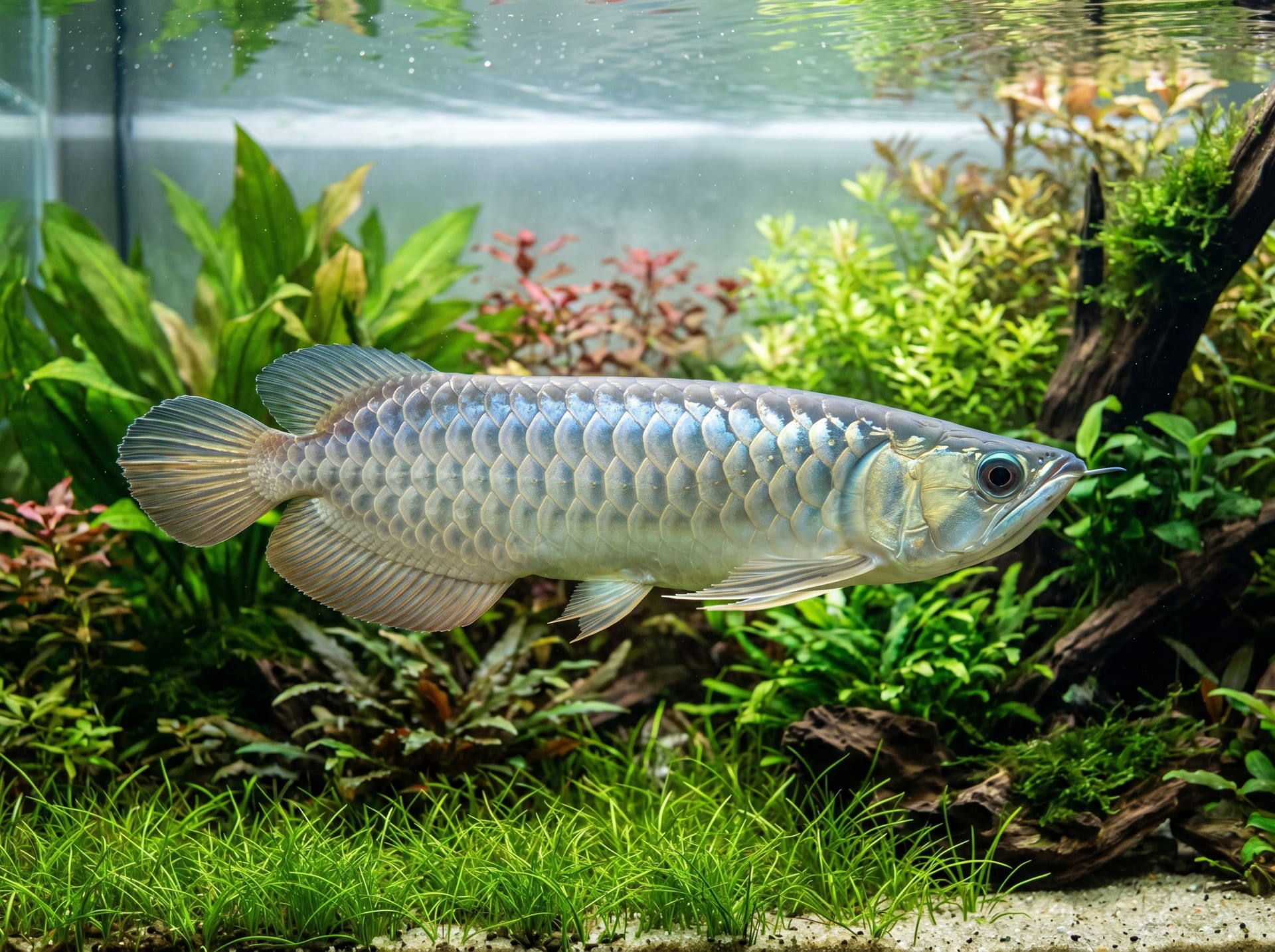
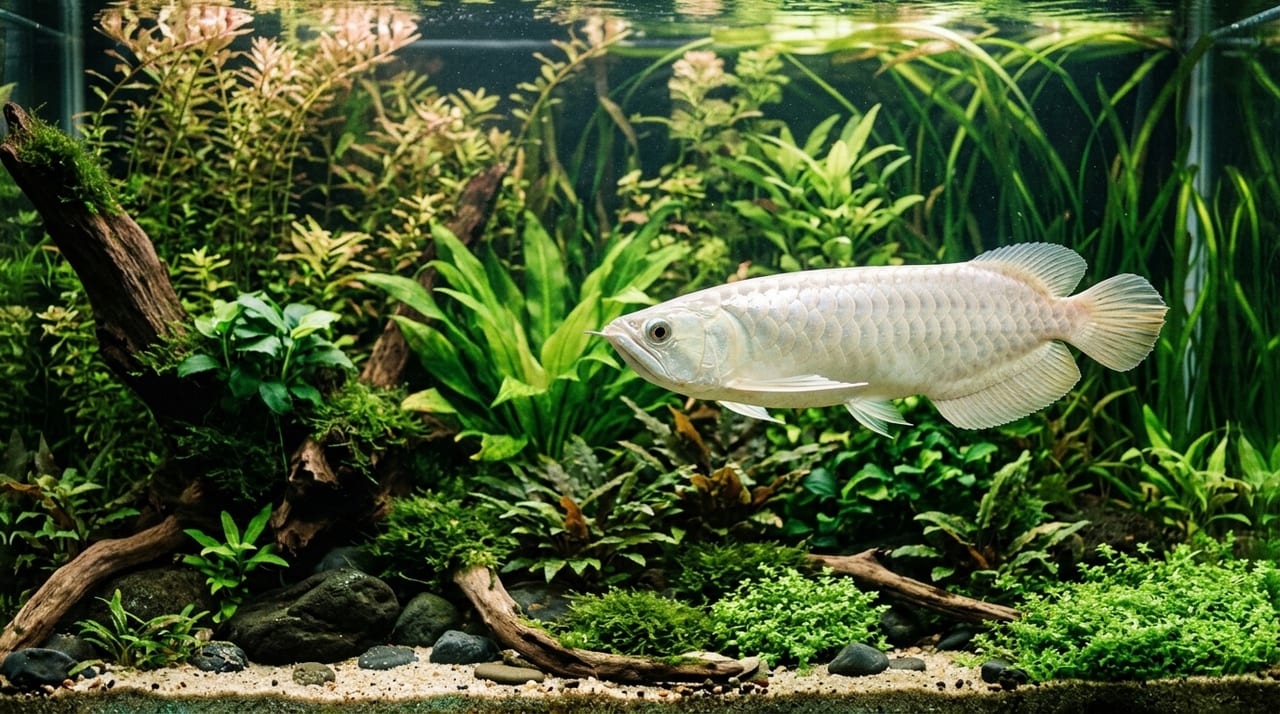
The Silver Arowana (Osteoglossum bicirrhosum), originating from South America's Amazon River, is a large prehistoric fish with silvery scales that gleam brilliantly and a streamlined body that commands an impressive presence. Though renowned as the quintessential prehistoric fish and consistently popular, it grows to 80–100 cm or larger, making it essential to establish a solid long-term plan before bringing one home.
Basic Information About Silver Arowanas
- Adult Size: Up to 120 cm in the wild; 80–100 cm is realistic in aquarium conditions
- Lifespan: 15–20 years with proper care
- Native Range: South America, Amazon River basin (Brazil, Peru, Colombia)
- Diet: Carnivorous. Primarily feeds on insects, small fish, frogs, and crustaceans that drift near the water surface
- Temperament: Highly territorial; multiple individuals of the same species cannot typically be housed together
Required Tank Size
The most common mistake in silver arowana care is choosing a tank that is too small.
Juvenile Stage (up to 20 cm): You can start with a 60–90 cm tank, but growth is very rapid, increasing 5–10 cm per month.
Adult Stage (over 50 cm): A minimum tank size of 180 cm or larger (with a depth of 60 cm or more) is required. Depth and length are more important than width; ensure adequate space for the fish to turn around. A capacity of 600 liters or more is ideal.
Lid Is Essential Arowanas jump instantly to catch food at the water surface, making escape/jumping accidents extremely common. Provide a lid that fits perfectly with no gaps at the top of the tank. They can escape even through tiny openings.
Water Quality and Temperature Management
- Temperature: 26–30°C (optimal around 28°C)
- pH: 6.0–7.5 (slightly acidic to neutral)
- Hardness: Soft to moderately hard water (GH 2–10)
- Ammonia and Nitrite: Must be zero
Arowanas are sensitive to water quality deterioration and can develop "drop eye" (a condition where the eyeball protrudes downward) even with slight increases in ammonia. For large tanks, install two external filters in parallel or use a combination of an upper filter and external filter. Perform 20–30% water changes 1–2 times per week as basic maintenance.
Food Types and Feeding Methods
Recommended Foods
- Live Food: Insects such as crickets, dubias (roaches), and mealworms, as well as small fish like goldfish and medaka. However, excessive live food increases the risk of intestinal parasites and picky eating, so use it as a supplement only
- Frozen Food: Frozen smelt and frozen loaches are readily available and nutritionally balanced
- Pellet Food: Acclimating your arowana to large-grain pellets formulated for arowanas (such as Simple Green, Capt, and Hikari Arowana) makes management significantly easier
Tips for Feeding
Start juveniles with live food and gradually transition to frozen food and then pellets as they acclimate. An "appeal" technique of tapping motions on the water surface is effective; gradually offering small amounts while moving food along the surface with tweezers helps them learn to accept pellets.
Feeding Frequency: 2–3 times daily for juveniles (aim for zero leftovers), once daily for adults. Overfeeding causes water quality deterioration, so the rule is to feed until about 80% full.
Drop Eye: Prevention and Treatment
Drop eye is the most commonly observed problem, where the eyeball protrudes outward and downward. Causes include water quality deterioration, strong lighting, and collisions with tank walls.
Prevention
- Never skip water changes
- Set lighting to a dim level and cover the sides with black boards to reduce external stimuli
- Block movement in front of the tank with curtains or similar to prevent overreaction
If Symptoms Appear Mild cases may recover naturally through water quality improvements and transition to a dimmer environment. Severe cases may require surgical intervention, so preventing worsening is critical.
Compatibility with Other Fish
Silver arowanas are basically recommended for solitary care, but cohabitation may be possible if the following conditions are met:
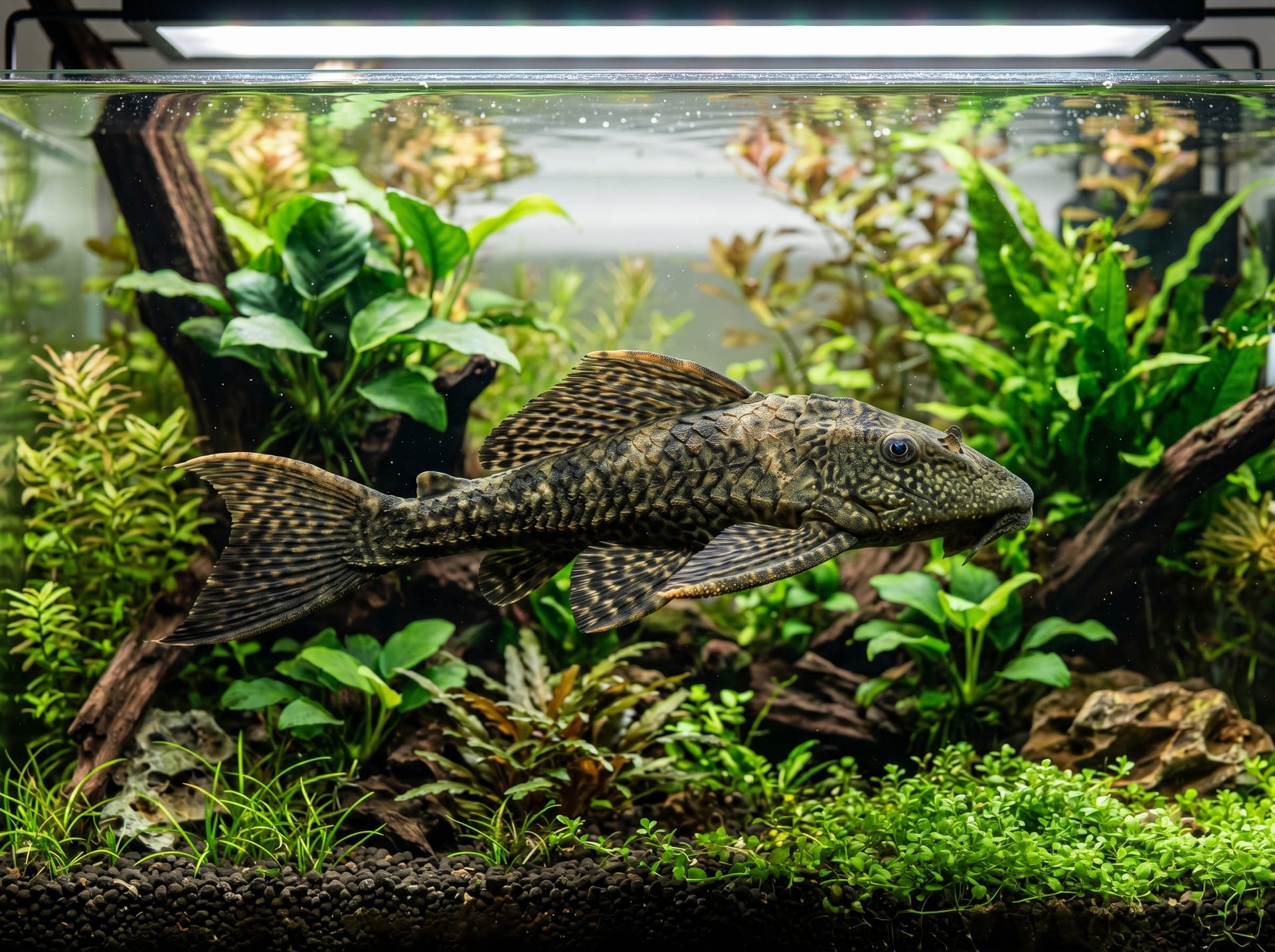
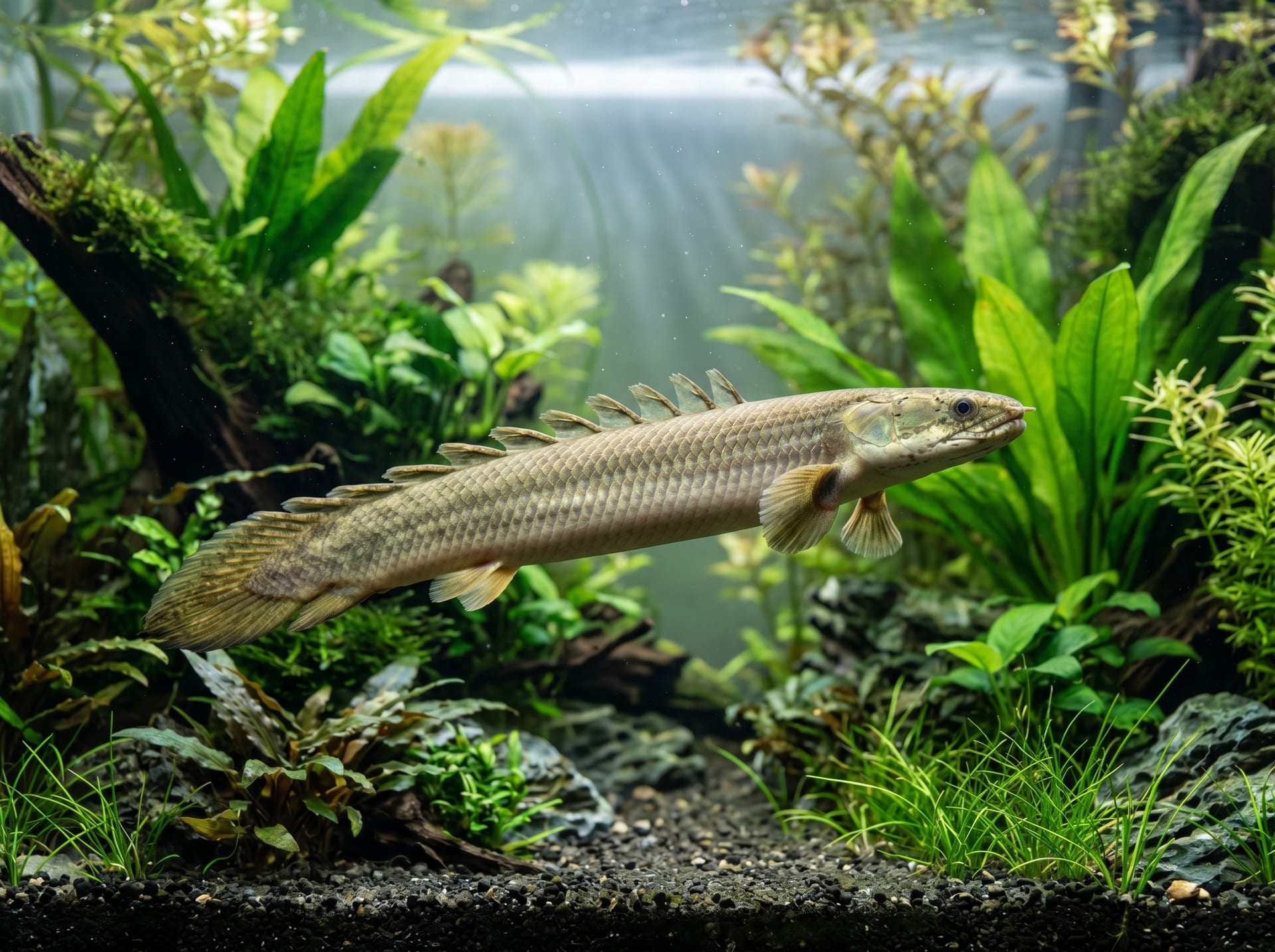
- Fish Too Large to Fit in the Mouth: Such as plecos (plecostemus), large gar, and polypteruses
- Bottom-Dwelling Fish: Fish that inhabit the lower levels can coexist with arowanas through niche separation
- Avoid Territorial Conflicts: Combining arowanas with each other or aggressive fish such as snakeheads is basically not possible
Legal Regulations
Silver arowanas are listed in Appendix II of CITES (Convention on International Trade in Endangered Species), requiring export permits, but keeping and selling them within Japan is not currently regulated. However, genuine specimen documentation with scientific names (such as microchipping) may be required in some cases. Purchase from a reputable shop.
Summary
Silver arowanas are fish with an overwhelming presence that captivates caretakers, but they require long-term commitment. Planning to upgrade to a tank of 180 cm or larger from the juvenile stage and strictly maintaining water quality and jump prevention are the keys to success. With the right environment, you can enjoy a long relationship of 15 years or more with this exceptional fish.