Complete Guide to Caring for Pearl Scale and Pompom Goldfish | Health Management and Care Notes for Round-Bodied Goldfish
This guide explains how to care for Pearl Scale goldfish, characterized by their spherical pearl-like scaled bodies, and Pompom goldfish, featuring unique fluffy nasal fronds. Covers swim bladder disease risks inherent to their body shape, water quality management, appropriate feeding, and tank mate compatibility.
Key Takeaways
This guide explains how to care for Pearl Scale goldfish, characterized by their spherical pearl-like scaled bodies, and Pompom goldfish, featuring unique fluffy nasal fronds. Covers swim bladder disease risks inherent to their body shape, water quality management, appropriate feeding, and tank mate compatibility.
Related Species
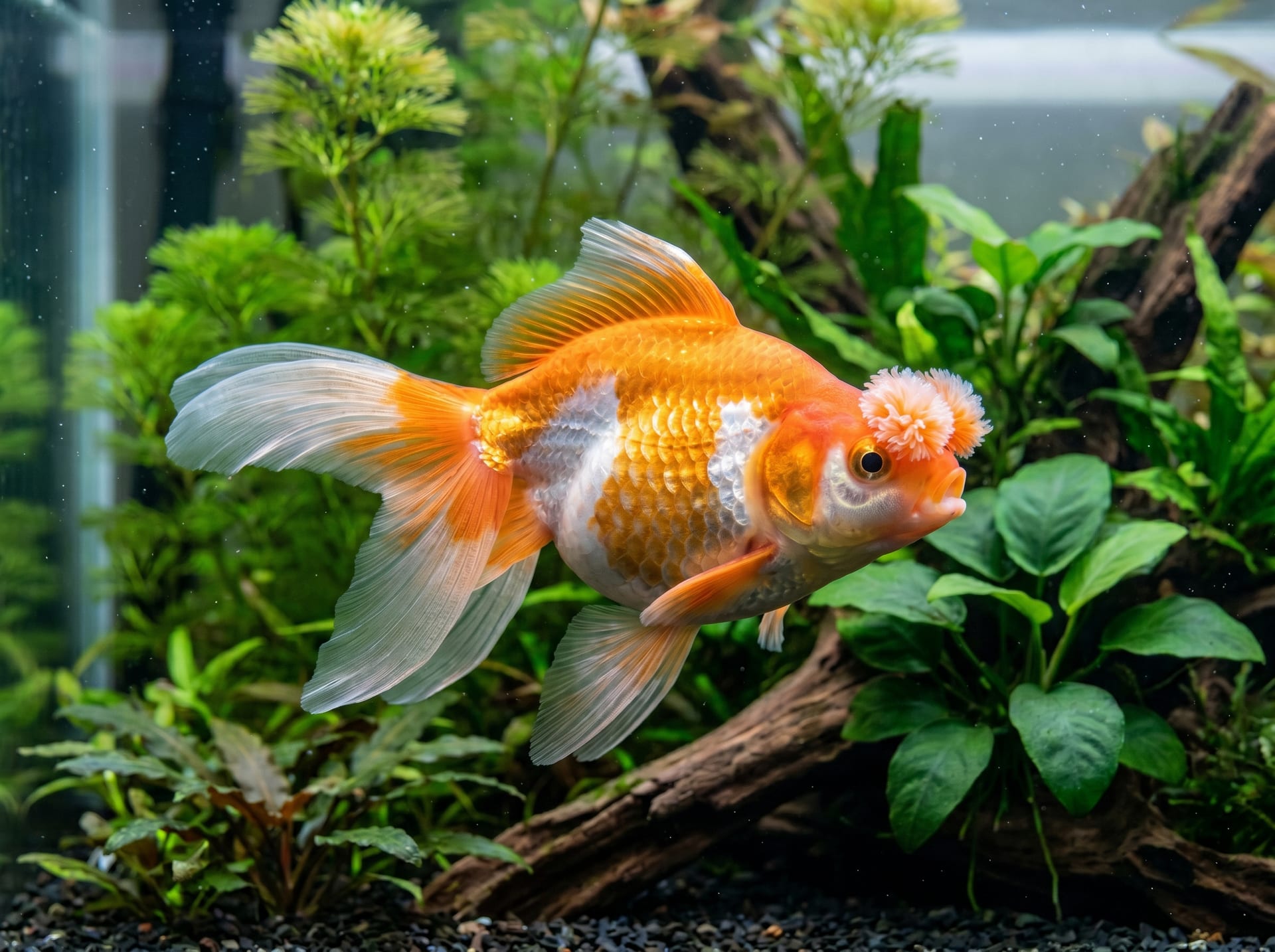
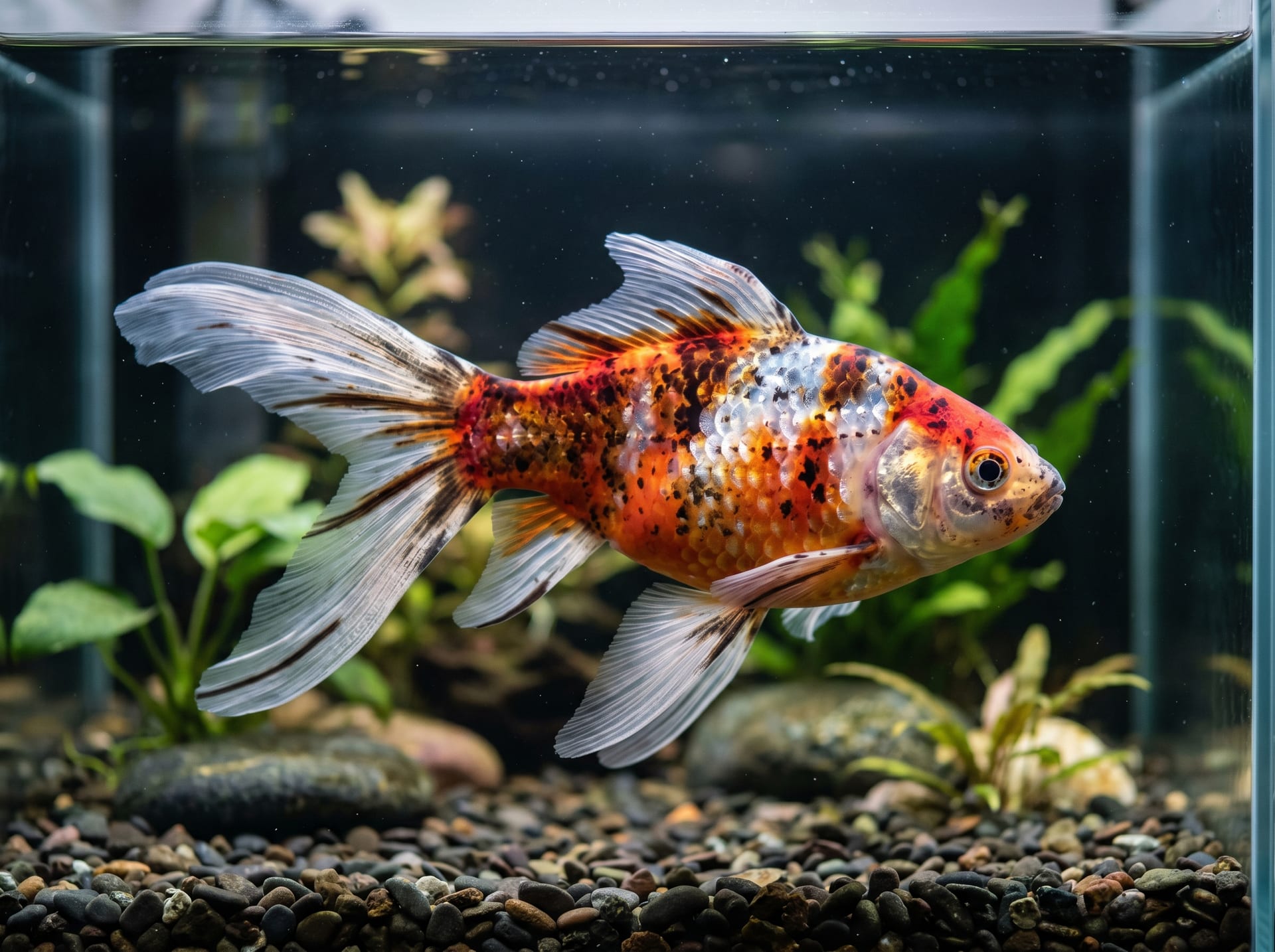
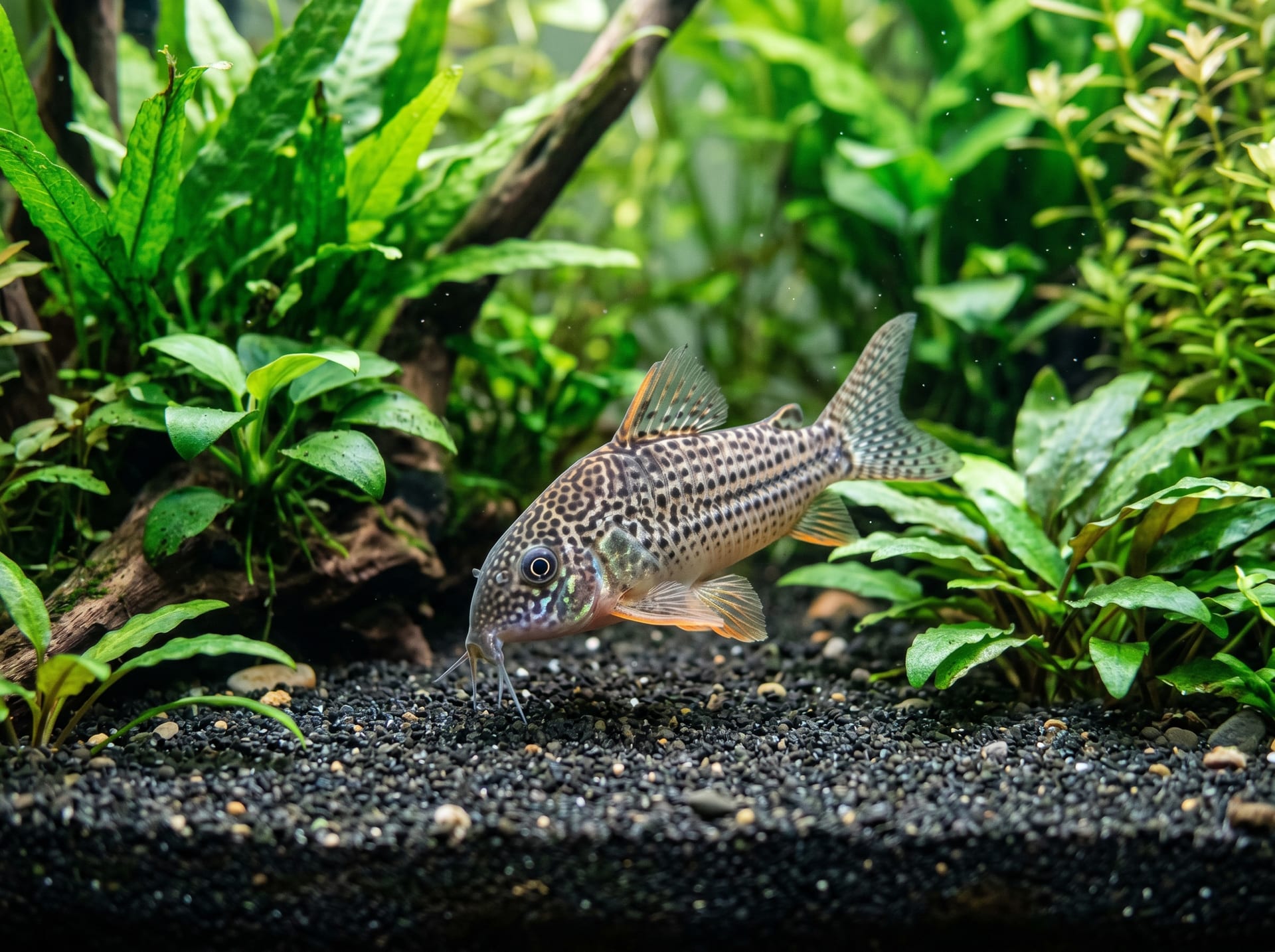
Pearl Scale (Pearlscale) Goldfish
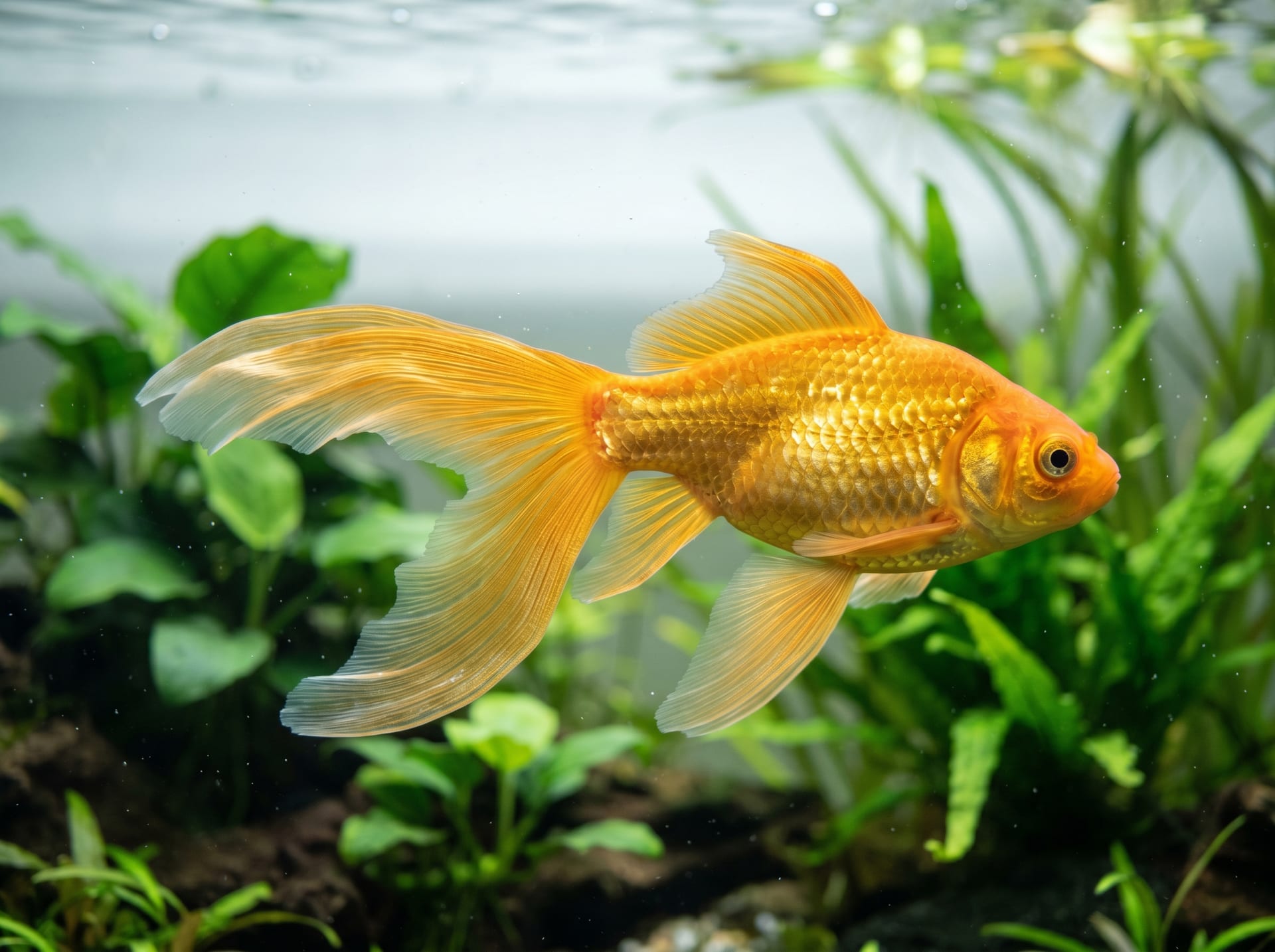
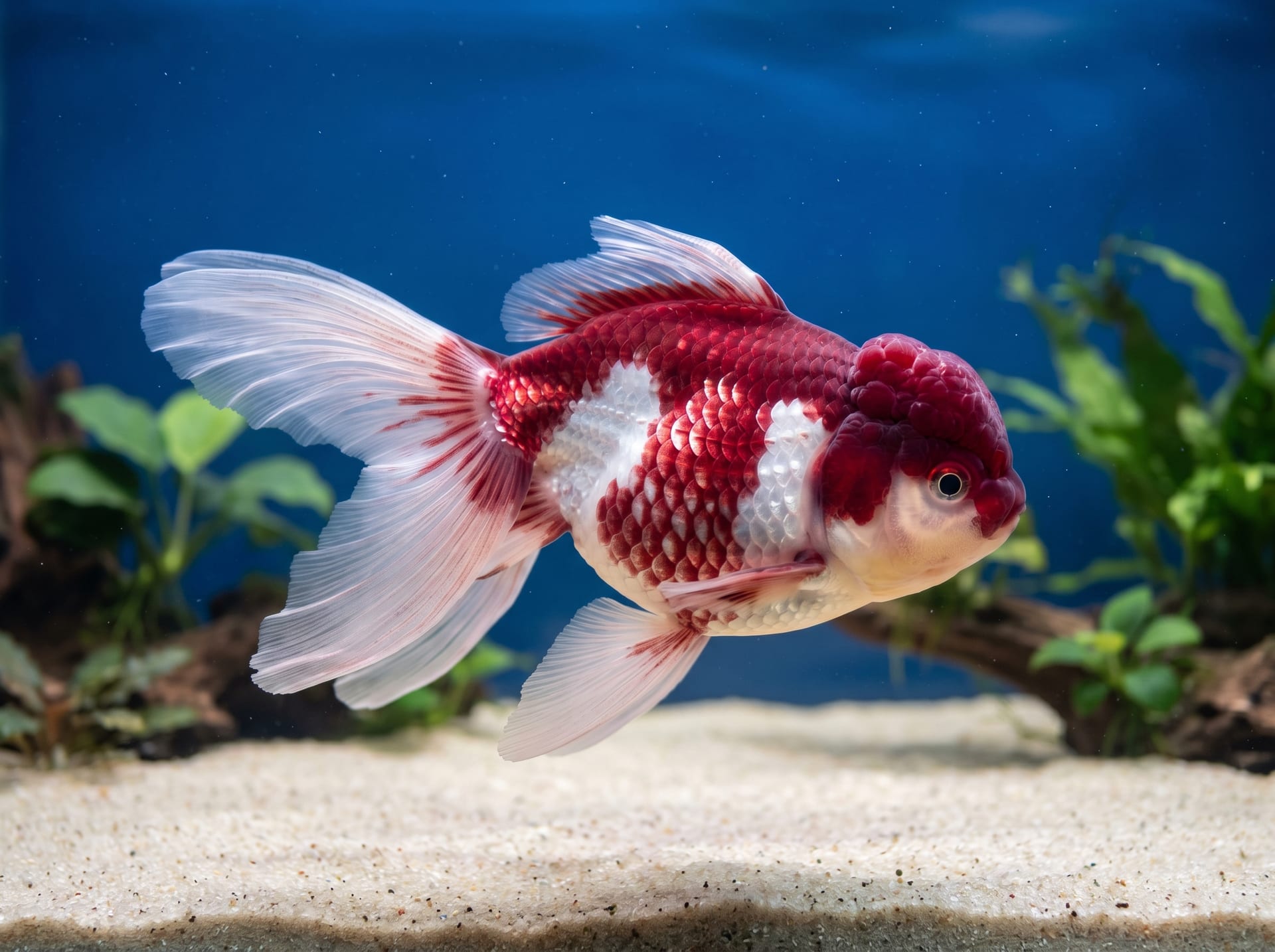
Pearl Scale (Pearlscale; also known as 珍珠鱗, chinzhurin) is a variety originating in China, characterized by its most distinctive feature: scales covering the entire body that resemble pearls and have a rounded, domed appearance. The nearly spherical body shape combined with the bumpy texture of the scales creates a uniquely striking presence. The body form is noticeably rounder compared to other goldfish varieties, and when viewed from the front, it appears almost perfectly circular.
Color variations are diverse, including red, white, red-and-white, blue pattern, and black, with the degree of dome-shaped scale development varying among individuals. The "Crown Pearl Scale" variety, featuring prominent fleshy growths (called wen) on the head that resemble a crown, is also popular with enthusiasts. Domestic distribution is limited, and obtaining a healthy specimen directly from a breeder is the most reliable option.
Note that pearlscales are extremely delicate and can be damaged when netted or struck against objects. While damaged scales do regenerate, the dome-shaped appearance may not fully recover, so handle them with care.
Pompom Goldfish
Pompom goldfish are a variety in which the skin around the nostrils develops, with soft, fluffy growths (called "pompoms") hanging down. Their popularity stems from their endearing appearance, resembling fluffy decorative tassels attached to the nose. They are also called "nasal fringe goldfish" (鼻房金魚). Pompom size and shape vary greatly among individuals, with larger, more developed growths typically rated higher in show competitions.
The pompoms are very delicate tissue, and injury increases the risk of bacterial infection. Avoid placing sharp rocks or driftwood in the tank; use fine gravel such as fine Ohigosand or aquarium substrate rather than coarse gravel. Additionally, strong water currents can cause the fronds to flutter and strike objects, so selecting a low-flow filter is important.
Setting Up the Tank Environment
Round-bodied goldfish are poor swimmers, so tank size and water current management are especially important. Ensure a minimum of 30–40 liters of water per fish. Tanks that are wider than they are deep are more suitable; a standard 60 cm tank (approximately 60 liters) can comfortably house 2–3 fish.
Sponge filters or low-flow hang-on filters are optimal. For canister filters, choose models with adjustable flow rates and use shower pipes to distribute the water current so that strong flow does not directly impact the fish. Provide adequate aeration to maintain dissolved oxygen levels.
Use a thin layer of substrate or fine Ohigosand, which resists waste accumulation and is easier to manage. Since goldfish often eat live plants, using hardy, low-light plants such as Anubias or Microsorum, or artificial plants, is more practical.
Swim Bladder Disease: Risks and Prevention
While this applies to round-bodied goldfish in general, Pearl Scale and Pompom goldfish have a higher risk of swim bladder disease (also called buoyancy disorder) because their swim bladder structure differs from that of slender-bodied varieties. When affected, the fish floats belly-up and cannot maintain proper orientation, potentially leading to lethal weakness if left untreated.
Primary causes of swim bladder disease:
- Reduced digestive function due to low water temperature (15°C or below)
- Excessive intake of air-filled dry food
- Congenital deformities of the swim bladder
- Organ damage from bacterial or parasitic infection
Prevention tips:
- Maintain water temperature constantly at 20–25°C (a heater is essential)
- Use sinking foods to reduce air ingestion
- Feed small amounts multiple times daily, limiting each feeding to what can be consumed within 5 minutes
- Avoid sudden temperature changes during water changes; match water temperature gradually
- Designate one fasting day per week to reduce digestive stress
If signs of buoyancy problems appear, raise the water temperature to 26–28°C to promote digestion while fasting the fish for several days. If improvement does not occur, consider consulting a veterinary specialist.
Proper Water Quality Management
Round-bodied goldfish produce substantial waste and quickly foul the water, making frequent water changes and water quality testing essential. Target water parameters are as follows:
- pH: 6.5–8.0 (neutral to slightly alkaline)
- Ammonia: 0 ppm (must be zero)
- Nitrite: 0 ppm
- Nitrate: 40 ppm or below
- Water temperature: 20–25°C (maintain a minimum of 15°C or above)
Perform water changes of 30–50% once or twice weekly. Especially in summer, water quality deteriorates rapidly as temperatures rise. When water temperature exceeds 30°C, oxygen depletion and bacterial proliferation become likely, so consider installing a cooling fan or aquarium chiller.
Always dechlorinate new water and keep temperature differences to less than 2°C. Since bacteria have not yet established in a newly set up tank, it is safer to start with a small number of fish for at least 2–3 weeks.
Feeding and Feeding Methods
Easily digestible sinking pellets or gel food (agar-based food) are ideal for round-bodied goldfish. Among commercial products, choose formulations specifically developed for Ranchu and round-bodied goldfish. Freeze-dried foods such as dried bloodworms or dried krill tend to contain air, so soak them thoroughly in water before feeding.
Feed once or twice daily, limiting each portion to what can be consumed within 5 minutes. Overfeeding is a direct trigger for swim bladder disease, so slightly underfeeding is ideal. During winter (water temperature 18°C or below), reduce feeding amounts by half due to reduced digestive capacity, and consider stopping feeding altogether when temperatures drop below 15°C.
Providing vitamin- and mineral-rich vegetables such as boiled spinach or bok choy as supplementary food once or twice weekly helps maintain digestive health.
Notes on Tank Mates
Pearl Scale and Pompom goldfish are slow swimmers and, if kept with active varieties (such as Comets, Wakin, or Shubunkingyo), will lose out in feeding competition and easily become malnourished. They are best kept with other slow-swimming round-bodied goldfish varieties (such as Ryukin, Oranda, and Ranchu).
Pompom goldfish require special attention, as other goldfish may peck at their nasal fronds. While this may appear to be playful behavior, injury to the fronds can lead to infection, so isolate the fish immediately if damage is observed.
Keeping them with tropical fish is not recommended due to temperature requirement differences. If cohabitation is necessary, limit it to peaceful, bottom-dwelling species such as Corydoras, and maintain a water temperature around 25°C.
While Pearl Scale and Pompom goldfish are delicate varieties, they can live 5–10 years or longer with proper care and attention, making them rewarding pets. The more effort invested in their care, the stronger the attachment, and they are favored even by experienced aquarists.