Tutsuo (Tubular-Tail) Goldfish Care Guide | Characteristics, Optimal Care Environment, and Health Management Basics
A detailed guide to caring for tutsuo goldfish. Covering morphological characteristics, optimal tank size and water quality management, feeding methods, fin management and health maintenance tips, and differences from other varieties—a practical guide for long-term tutsuo goldfish keeping.
Key Takeaways
A detailed guide to caring for tutsuo goldfish. Covering morphological characteristics, optimal tank size and water quality management, feeding methods, fin management and health maintenance tips, and differences from other varieties—a practical guide for long-term tutsuo goldfish keeping.
Related Species
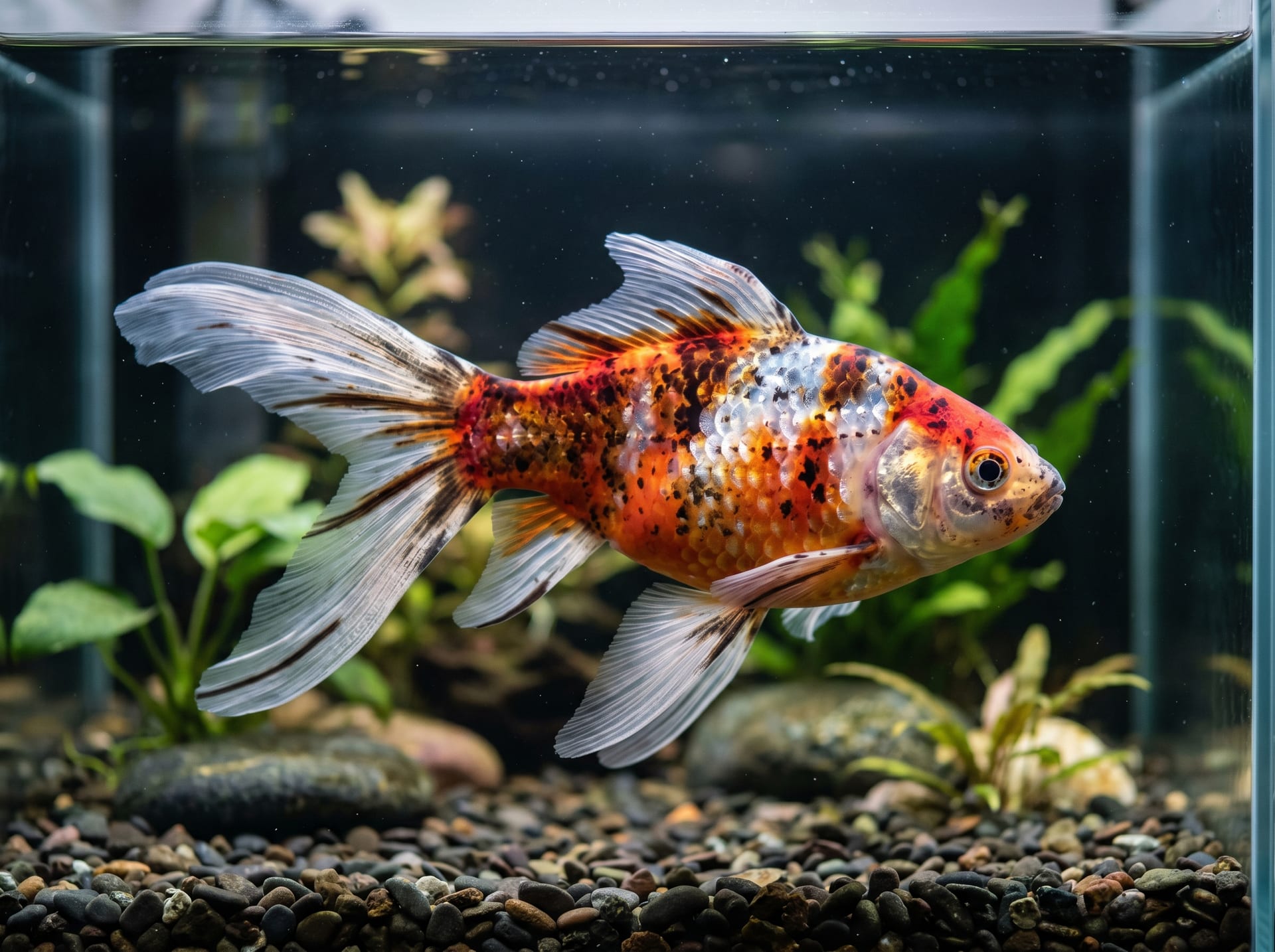
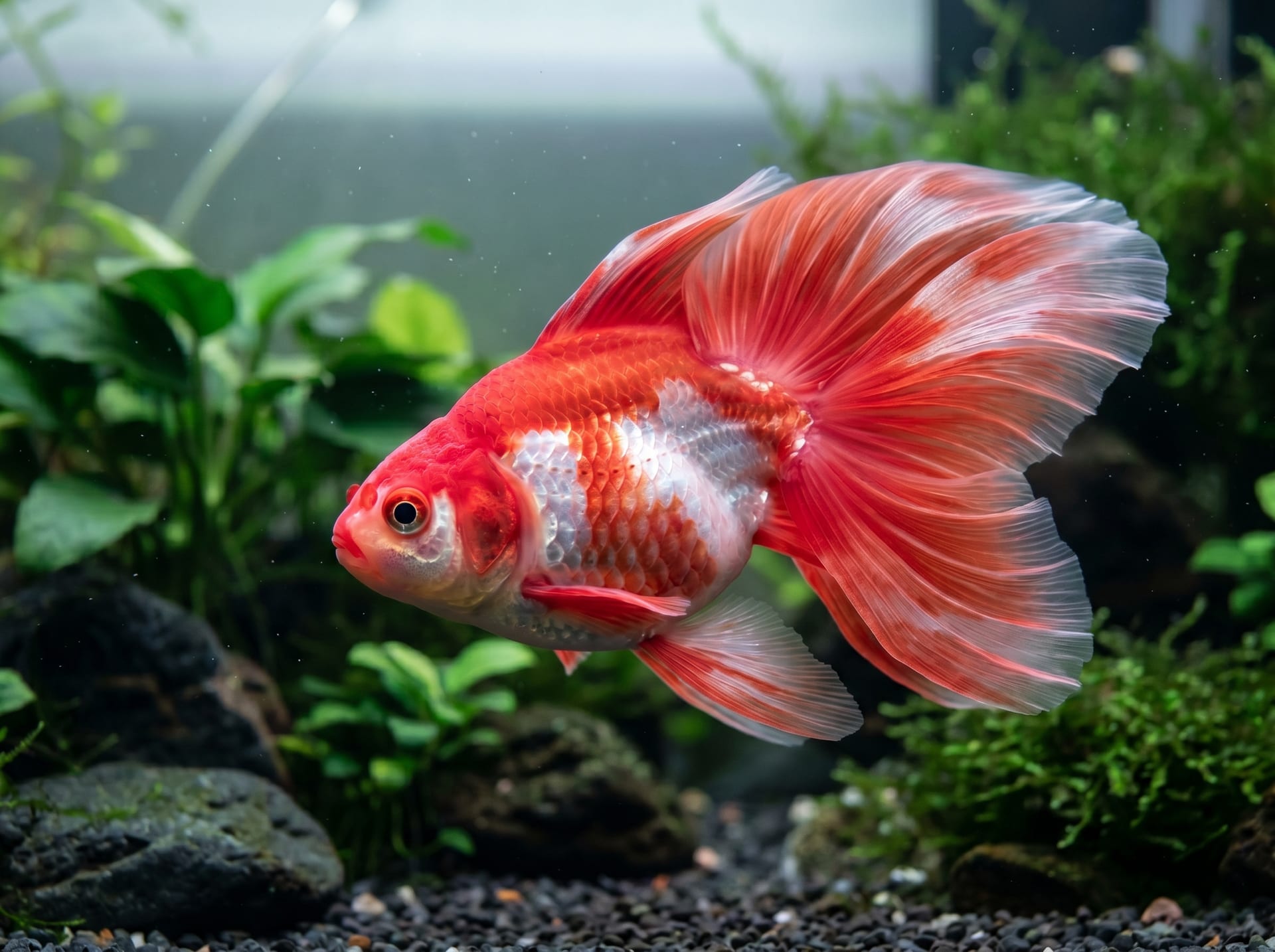
What is a Tutsuo (Tubular-Tail) Goldfish?
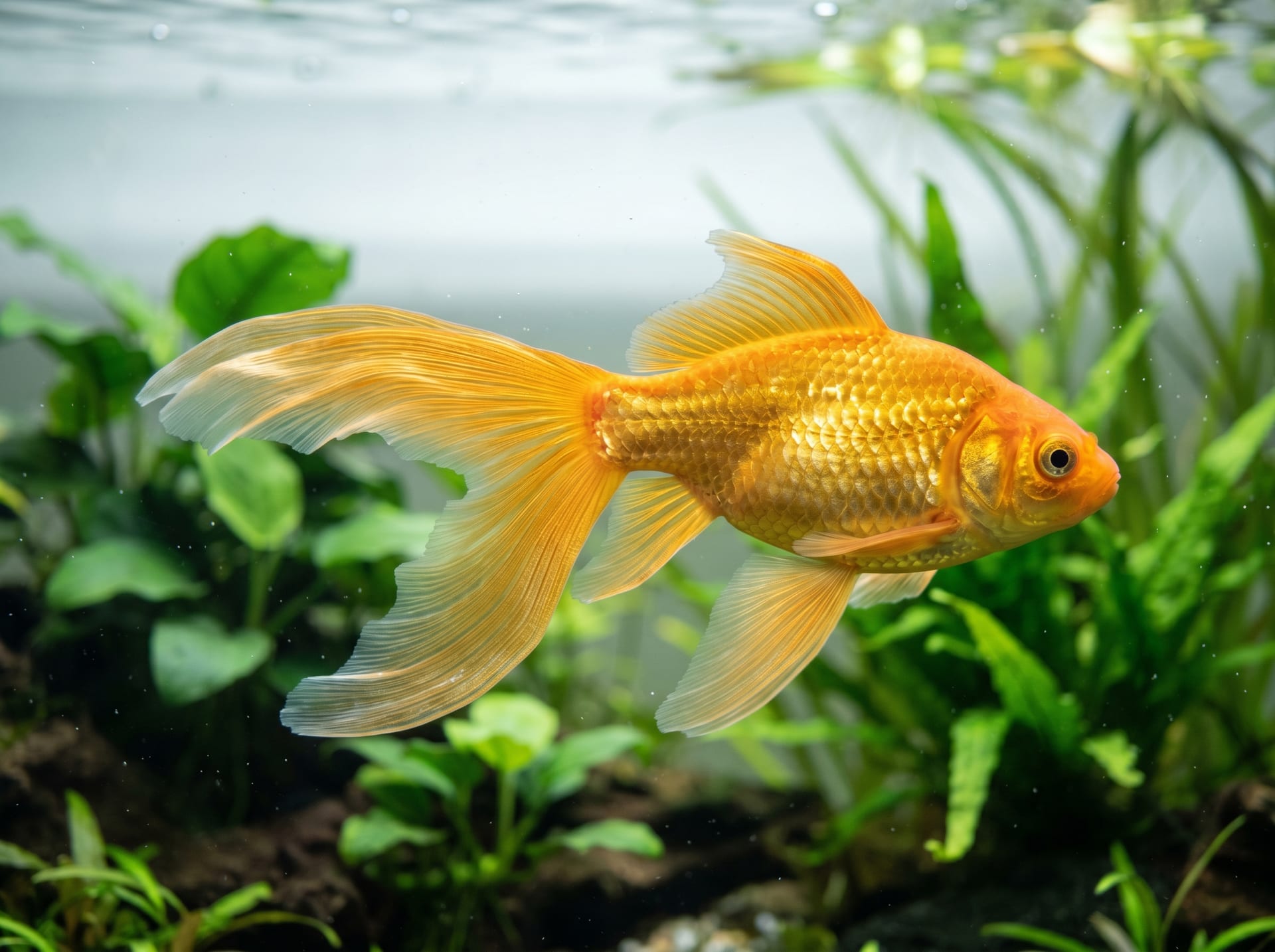
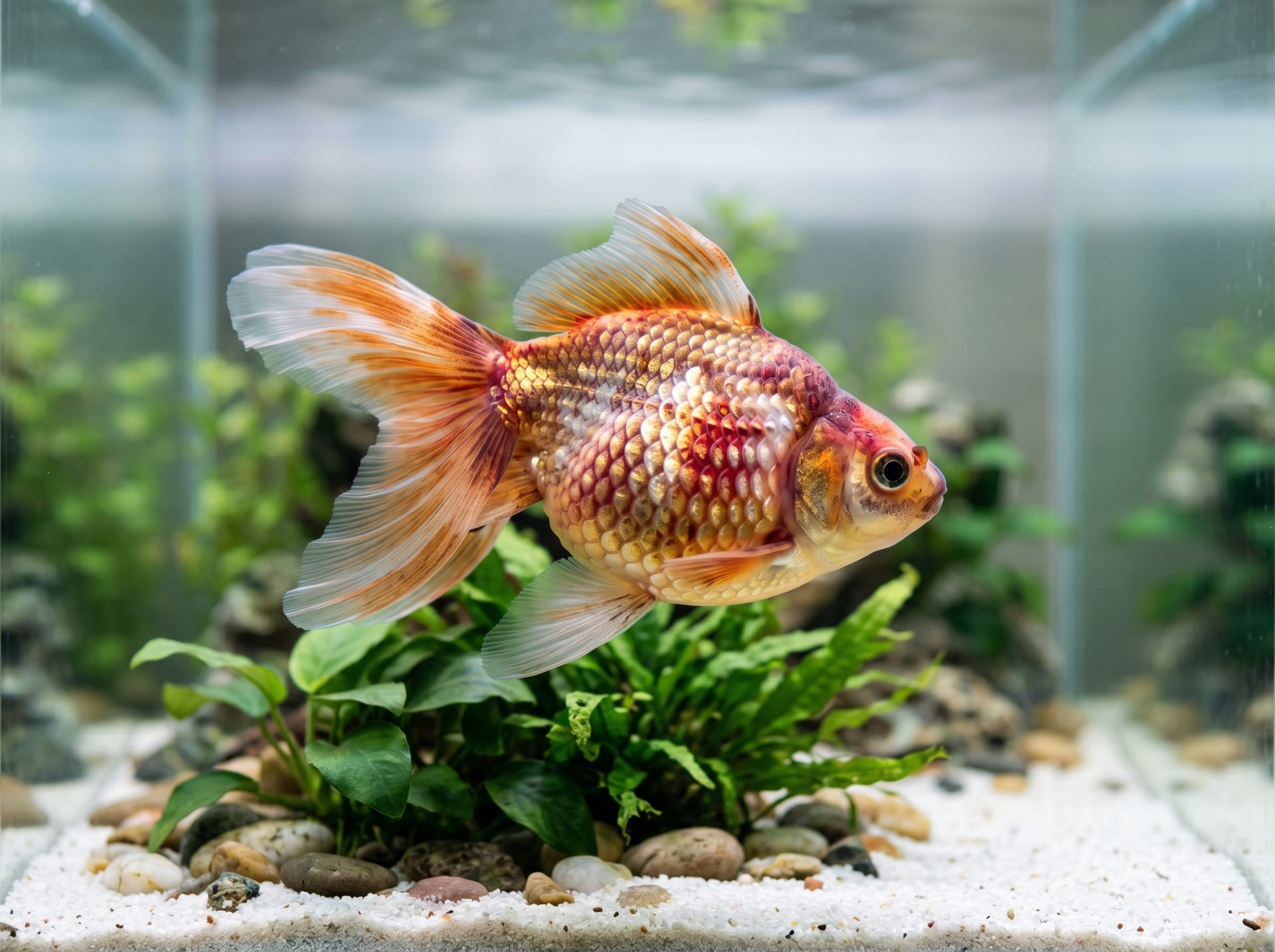
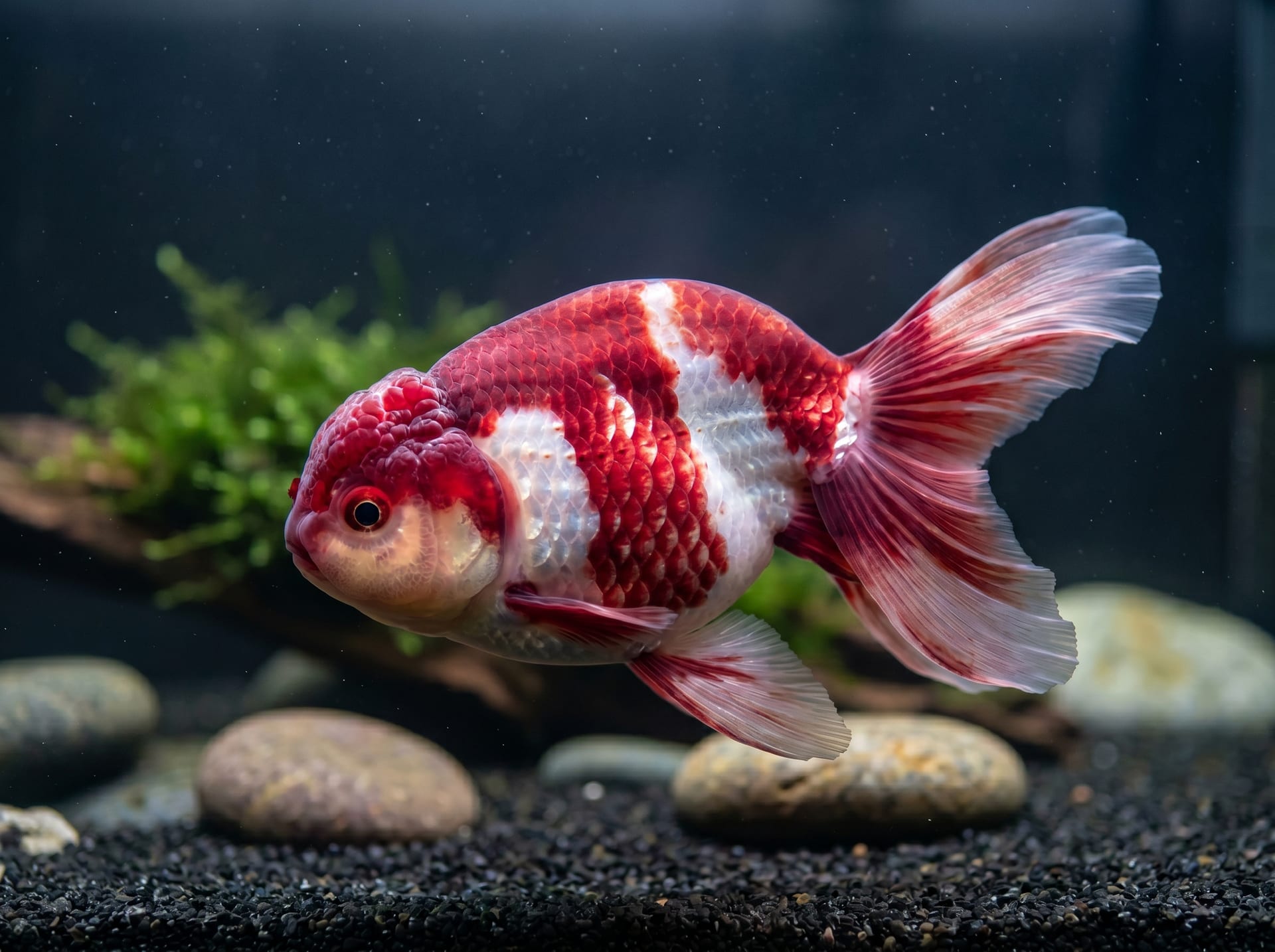
Tutsuo goldfish are a variety of goldfish characterized by a unique tail type where the tail fin is curled into a tubular shape. In contrast to typical goldfish whose tail fins spread flat, the defining characteristic of tutsuo is how both sides of the tail curl downward like a tube and hang down.
The graceful flutter of the tubular tail as it swims slowly through the water is distinctly elegant and has earned it enduring popularity among goldfish collectors.
Morphological Classification of Tutsuo
Tutsuo varieties are classified by the direction and shape of the tail opening as follows:
| Type | Characteristics |
|---|---|
| Downward Tutsuo | Standard form with the tail hanging down in a tubular shape |
| True Tutsuo (Perfect Tube) | Highest grade—the tail is completely closed into a tube shape all the way to the tip |
| Semi-Tutsuo | Partially tubular with an open tip |
At competitions, evaluation criteria include "complete tubular closure," "symmetry of left and right tubes," and "balance between tail length and body proportion."
The Tosa goldfish is the most famous variety displaying tutsuo characteristics, with its tubular tail and lack of a dorsal fin established as the "Tosa style." Ryukin and calico-based tutsuo varieties are also available, allowing for enjoyment of various color patterns.
Setting Up the Care Environment
Because the tubular tail hangs down, tutsuo goldfish are sensitive to water currents while swimming and may have their tails catch on the water surface. Therefore, more attention to the care environment is needed compared to other goldfish varieties.
Recommended Containers
| Care Style | Container Type | Notes |
|---|---|---|
| Display and Individual Care | Shallow, flat aquarium or ranchu tray | Water depth of 15–20 cm is ideal |
| Breeding and Fry Rearing | Shallow plastic pond or large ranchu basin | Top-down viewing style |
| Outdoor Keeping | Water lily pot or aquarium | Partial shade avoiding direct sunlight |
Set water depth at 15–25 cm. In deeper tanks, the tail will sink and be easily buffeted by currents, and vertical swimming movements place stress on the tail. Shallow containers with a large water surface area are ideal.
Water Quality Management Basics
| Parameter | Target Value | Notes |
|---|---|---|
| Water Temperature | 10–28°C | Avoid sudden changes; 25°C is most active |
| pH | 7.0–8.0 | Slightly alkaline is stable |
| Ammonia | 0 ppm | Must maintain zero |
| Nitrite | 0 ppm | Monitor carefully during tank setup |
| Nitrate | 40 ppm or less | Manage through weekly water changes of 20–30% |
Perform water changes 1–2 times per week, replacing 20–30% of the total volume. Goldfish produce substantial waste, so overcrowding causes rapid ammonia buildup and water quality deterioration. It is recommended to maintain at least 15–20 liters of water per fish.
Water Current Management: Minimizing Stress on the Tail
The most critical care consideration for tutsuo goldfish is controlling water current. Strong currents damage the tubular shape and cause exhaustion from excessive swimming.
Recommended Filters and Current Settings
- Sponge Filter (Air Pump Driven): Gentle current with minimal stress on the tail; a standard choice for ranchu breeding.
- Hang-on Filter (With Reduced Flow): Wrap a sponge around the outlet to diffuse the current.
- Undergravel Filter: Creates uniform, gentle flow and is well-suited for tutsuo.
External filters often produce flow that is too strong; if used, direct the current against the tank wall using a lily pipe to diffuse it.
Feeding and Digestive Management
Goldfish are prone to swim bladder disease (buoyancy disorder), and round-bodied varieties like tutsuo have higher risk. Proper feeding management is key to prevention.
Feeding Guidelines
- Feed 2–3 times daily, using the amount they can consume in 3–5 minutes as a guideline.
- Avoid floating pellets as they cause fish to gulp air; use sinking food instead.
- Fast the fish for 1–2 hours before feeding to ensure appetite.
- Below 15°C, digestion slows; reduce feeding by half or pause temporarily.
Swim Bladder Disease Prevention
- Switch to sinking food.
- Maintain comfortable water temperature (20–25°C).
- Add frozen bloodworms or live daphnia 1–2 times per week to prevent constipation.
Fin Health Management and Maintaining the Tubular Shape
While the tubular shape is a genetic trait, its beauty is preserved or lost depending on care conditions.
Fin Condition Checklist
- Is the tube symmetrical on both sides?
- Are there no tears or nicks at the tip?
- Are there no signs of redness, cloudiness, or white spots (ich)?
Tail Fin Problems: Causes and Solutions
| Problem | Main Cause | Solution |
|---|---|---|
| Fin Rot (Fin Erosion) | Columnaris bacteria infection | Salt bath + antibacterial medication (e.g., Green F Gold) |
| Ich (White Spot Disease) | Ichthyophthirius parasite | Gradually raise temperature + medicated bath |
| Tail Tip Tears | Physical damage or poor water quality | Improve conditions + salt bath |
| Tube Loosening | Aging or disease | No cure; improve care environment |
Tank Mates and Multiple Fish Keeping
Tutsuo goldfish are slow swimmers and unsuitable for tanks with aggressive goldfish.
Compatible Species
- Other tutsuo varieties (matched swimming ability)
- Tosa and ranchu goldfish (both slow swimmers)
Species to Avoid
- Wakin, comet, and red-and-white fantails (fast swimmers that steal food)
- Bubble-eye goldfish (fragile eyes prone to injury)
Summary
Tutsuo goldfish are prized for the graceful movement created by their unique tail shape. The fundamentals of long-term care are three-fold: keeping them in shallow tanks with gentle currents, preventing swim bladder disease through sinking food, and maintaining consistent water quality. If competitive showing is a goal, perfect tubular closure and symmetrical tail formation are critical criteria; however, prioritize health above all and savor their distinctive beauty at your own pace.