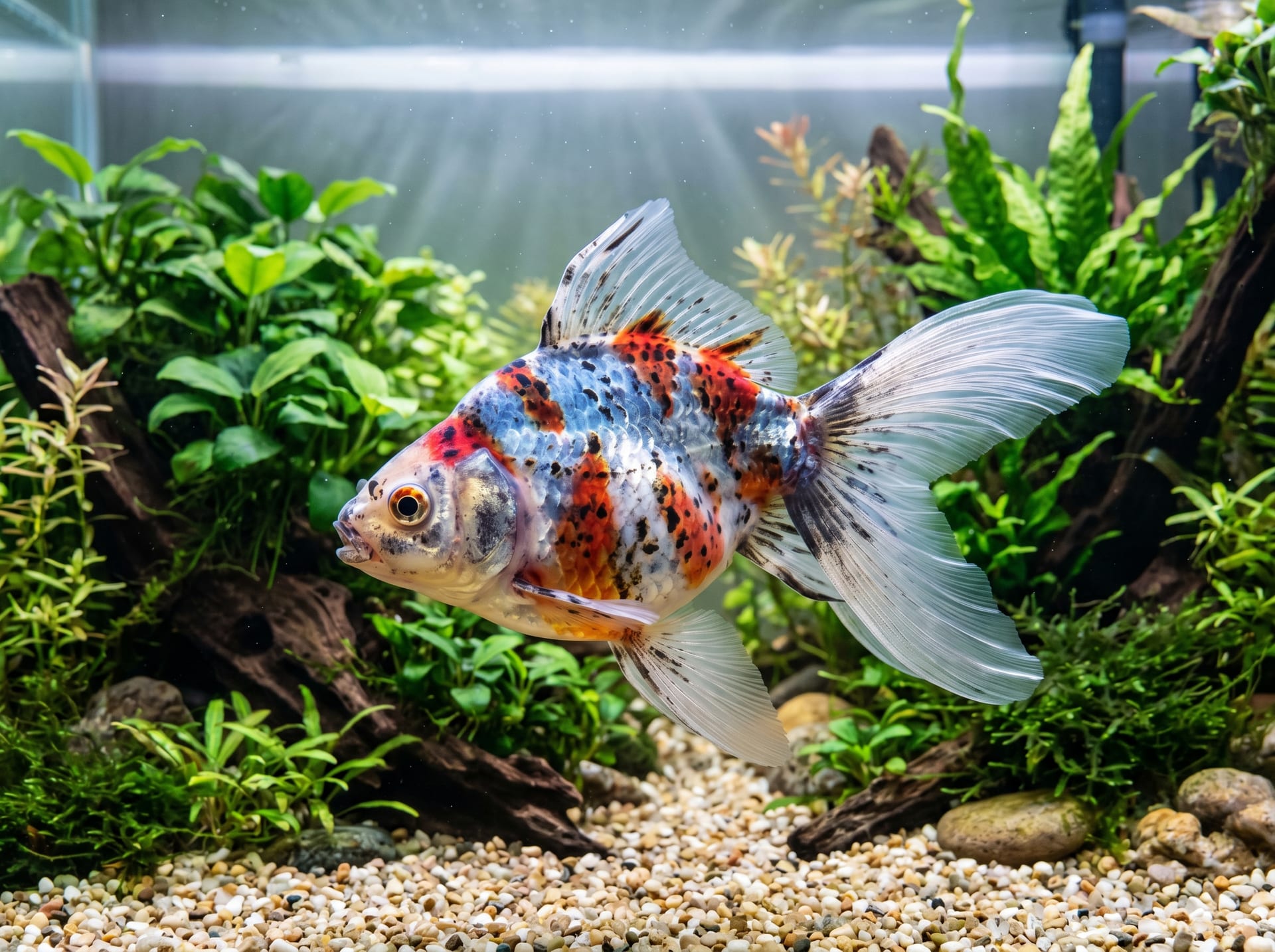
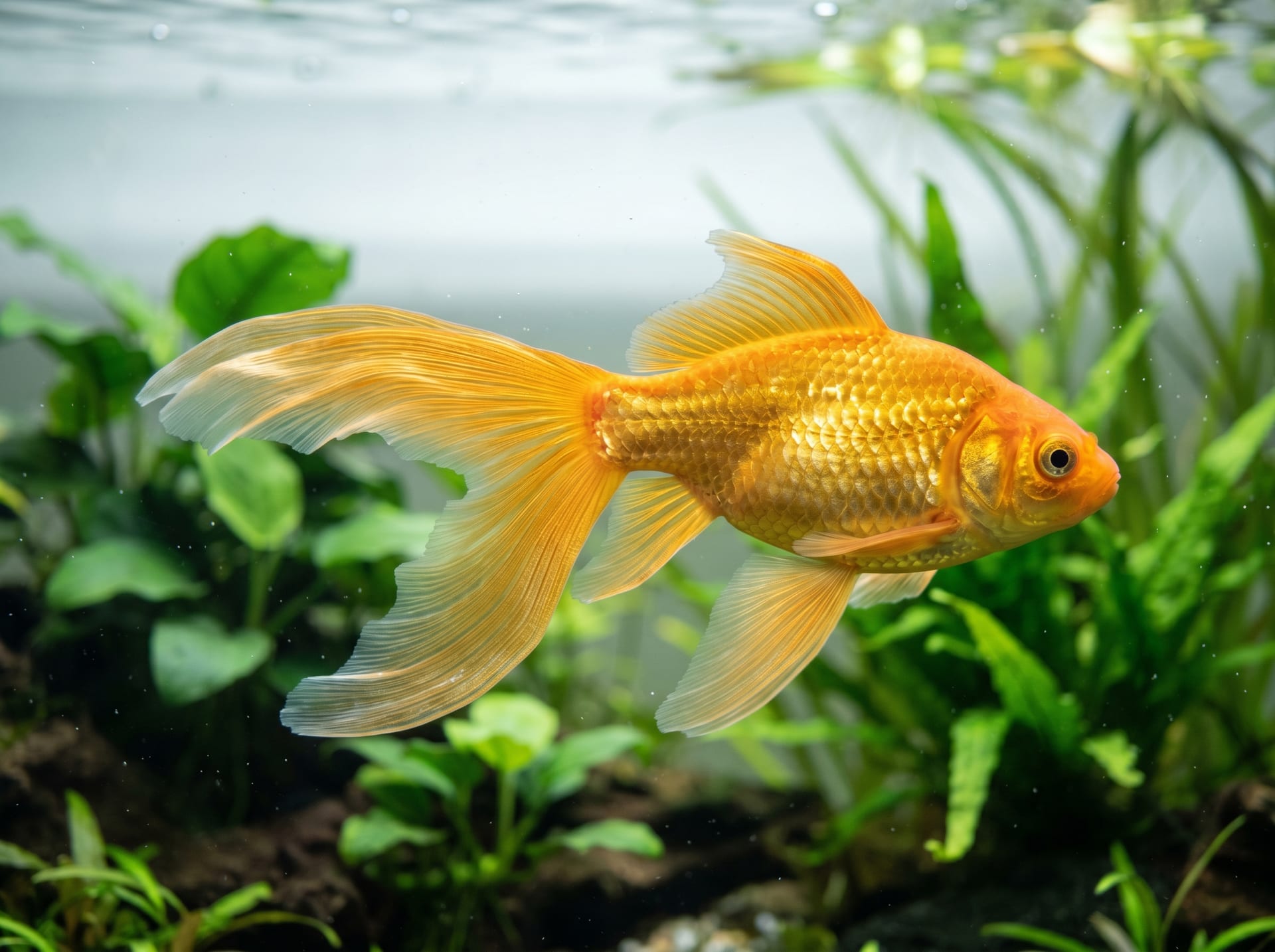
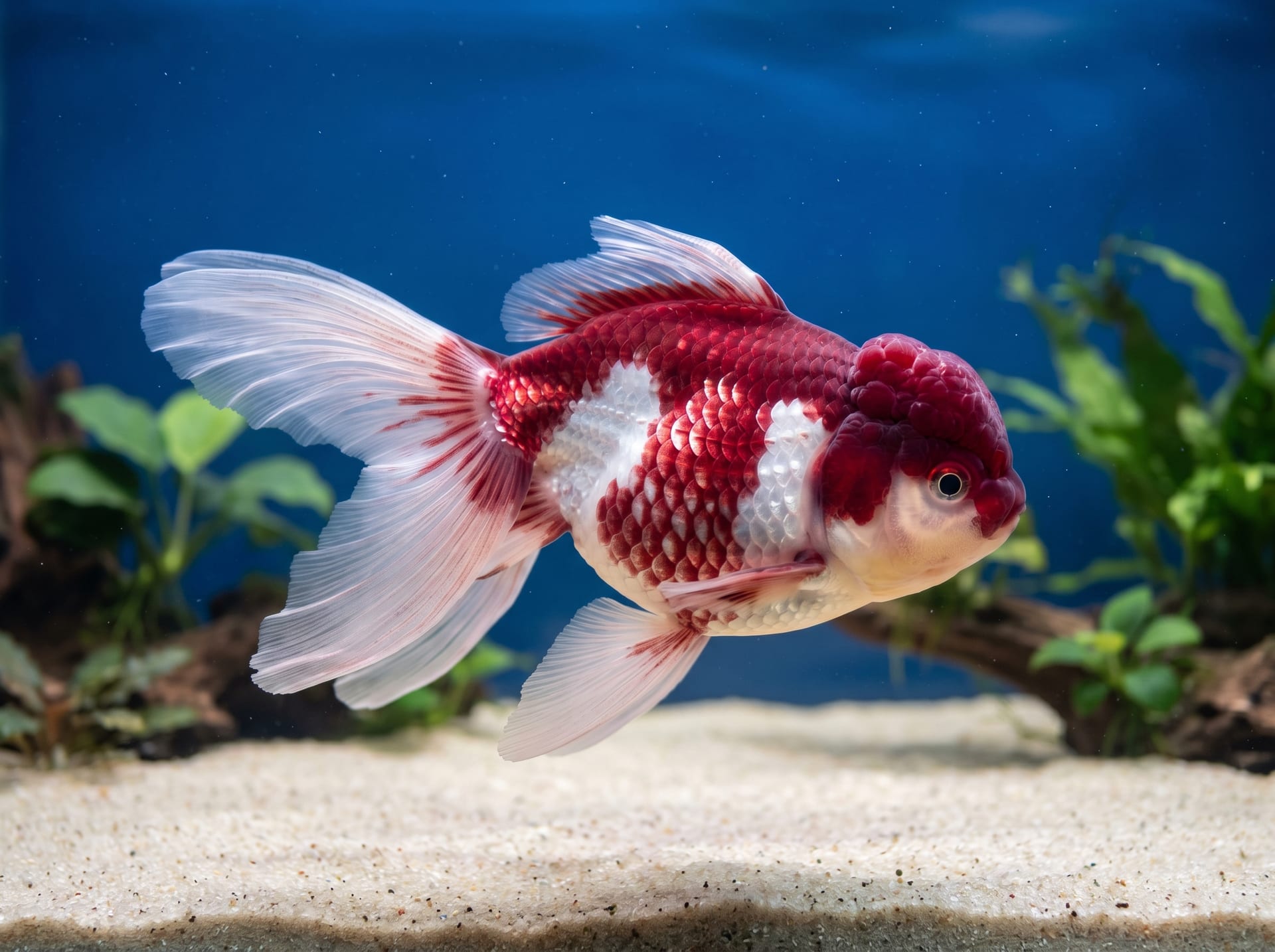
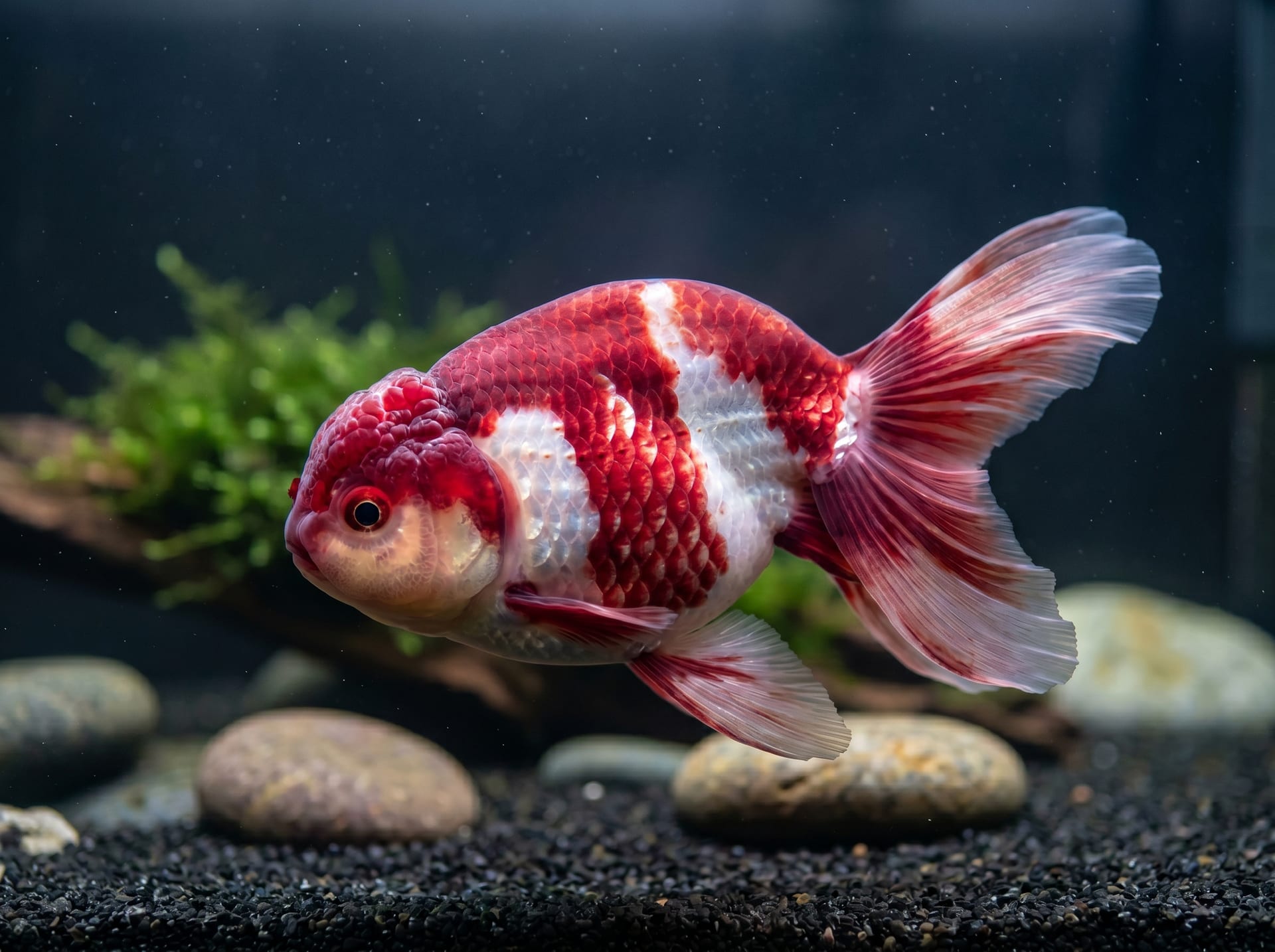
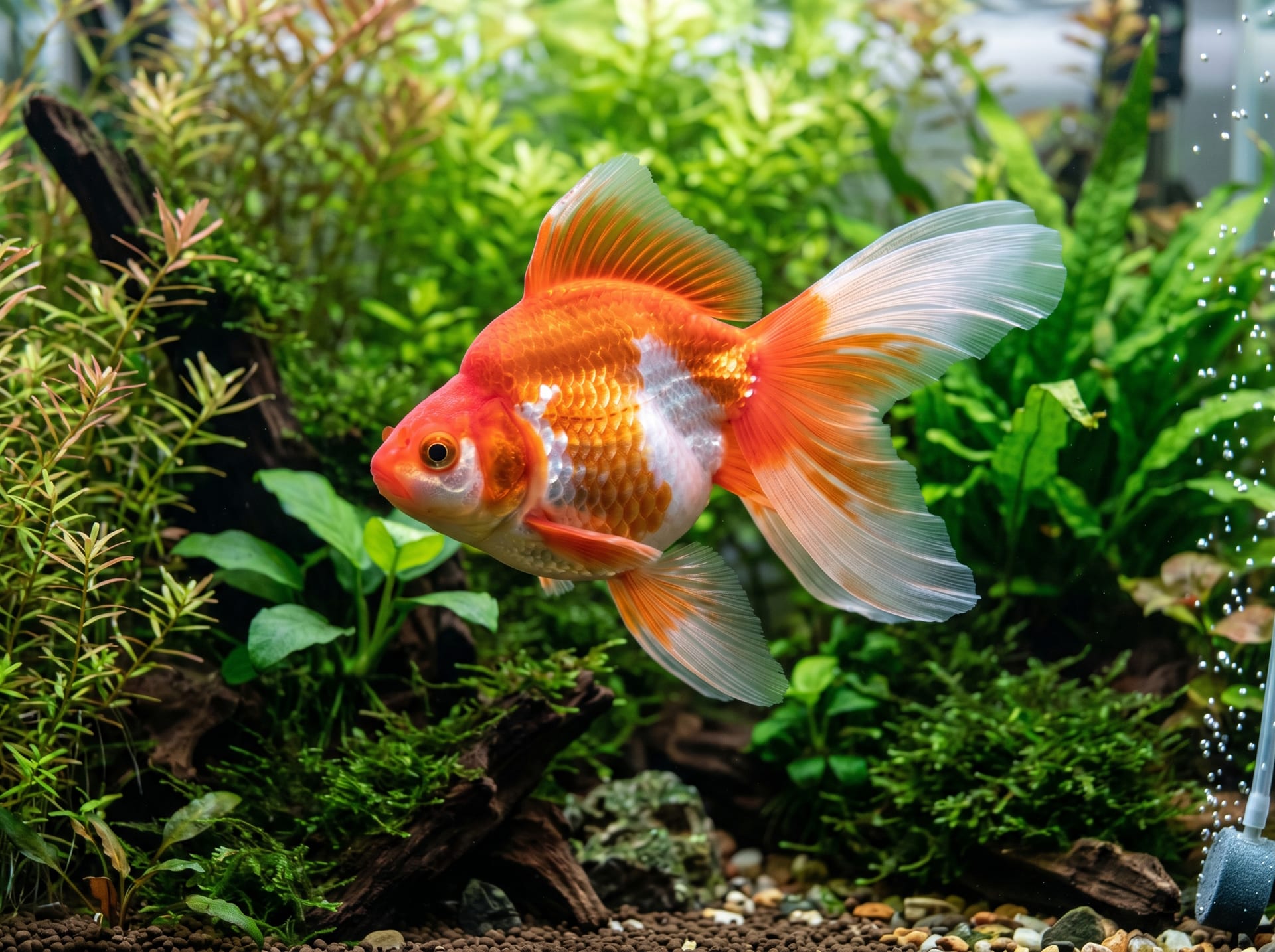
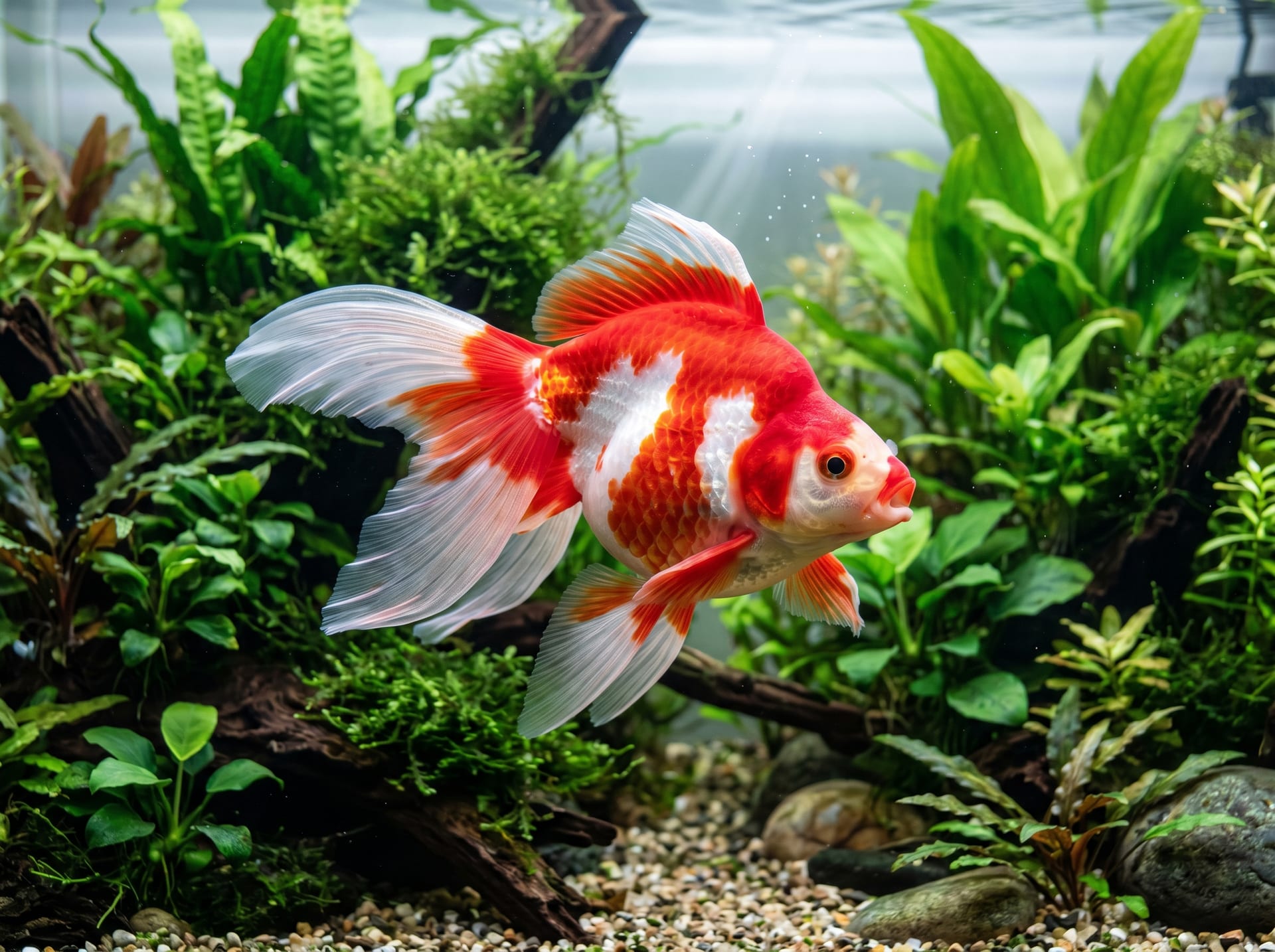
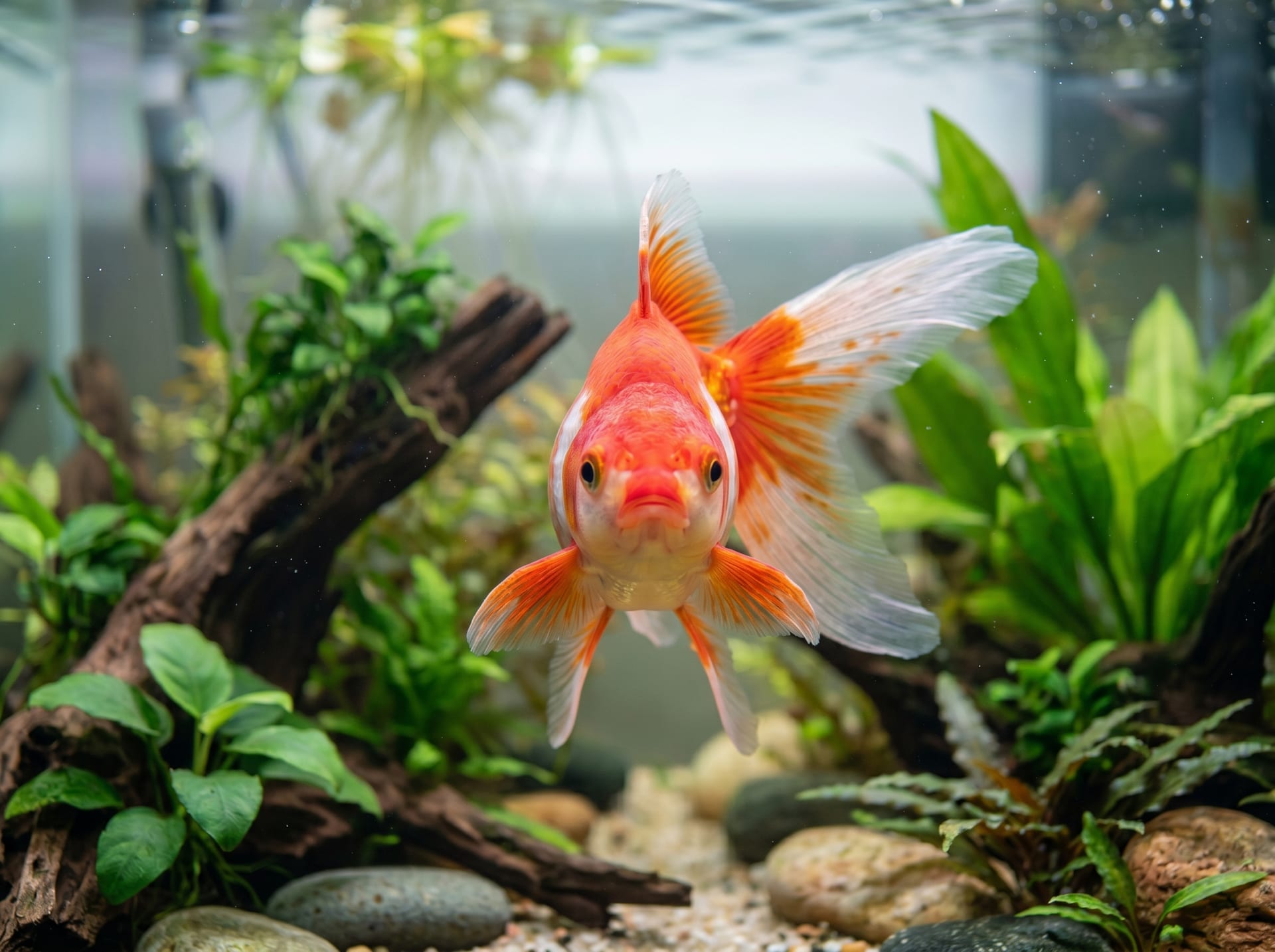
The ryukin goldfish is one of the most beloved goldfish varieties in Japan. Characterized by its plump, egg-shaped body and long tail fin that sways gracefully, it ranks among the most beautiful goldfish varieties. It may be written in katakana as ryukin or in hiragana as ryukin, but both refer to the same variety. This article provides a thorough explanation of ryukin characteristics, breeding environment, health management, and viewing tips.
Characteristics and History of Ryukin Goldfish
Origin and History
The ryukin is believed to have been introduced to Japan from China via Okinawa (Ryukyu) in the 18th century, and the name is thought to come from the meaning "goldfish that came from Ryukyu." During the Edo period, it became widely beloved by common people and remains synonymous with goldfish in modern times.
Physical Features
- Body shape: Short, rounded, egg-shaped body
- Tail fin: Long, divided tail types including "three-lobed," "four-lobed," and "sakura" varieties
- Body color: Varied colors including red, white, kohaku pattern (red and white), black, and asagi (pale blue-green tinted white)
- Eyes: Normal side-facing position
- Adult size: 10–15 cm (approaching 20 cm in ponds or large aquariums)
Classification and Related Varieties of Ryukin
| Variety | Features |
|---|
| Ryukin (standard) | Egg-shaped body, long tail fin |
| Tosa goldfish | Ryukin variant from Kochi Prefecture, reversed tail fin |
| Jigane | Short-tailed variety originating in Aichi Prefecture |
| Butterfly tail | Tail fin spreads like butterfly wings |
Size of Ryukin | How Large Do They Grow?
Adult ryukin reach 10–20 cm including the tail, and their final size is largely determined by the rearing environment.
| Rearing Environment | Estimated Final Size | Time to Reach |
|---|
| 45 cm aquarium with multiple fish | 8–12 cm | 2–3 years |
| 60 cm aquarium with 1–2 fish | 12–15 cm | 2–3 years |
| Lotus basin or outdoor pond | 15–20 cm | 3+ years |
In typical indoor aquariums, growth typically slows around 10–15 cm, and reaching close to 20 cm occurs only with spacious ponds or large aquariums kept in relaxed conditions. Juvenile ryukin purchased at 3–5 cm typically grow to around 8–10 cm within a year, which is the standard growth pace.
If you feel growth is slower than expected, the cause is almost always one of three things: insufficient water volume, overcrowding, or insufficient feeding. Increasing tank size can sometimes resume growth. Conversely, forcing large growth in cramped quarters increases body depth alone, raising swim bladder disease risk, so if seeking size, start by reviewing water volume.
It's worth noting that ryukin don't just increase in body length but also in body depth (back height) simultaneously, and the characteristic roundness emerges in the second year onward. Don't worry if your fish looks slender in its first year—that doesn't mean it isn't a ryukin.
Price and Cost Range of Ryukin
Ryukin price varies significantly by size, body color, and tail fin quality. Small solid red ryukin seen in pet shops and home centers typically cost around 300–800 yen per fish, while kohaku-patterned fish range around 800–3,000 yen.
- Solid red ryukin (small): 300–800 yen
- Kohaku ryukin: 800–3,000 yen
- Calico ryukin: 1,000–3,000 yen
- Daruma ryukin and broad-tail ryukin: 3,000–10,000 yen
- Large or award-quality individuals: 10,000–30,000+ yen
Even within the same variety, individuals with better body proportions (more pronounced back and well-opened tail) command higher prices. Buying from breeders via direct sales has the advantage of obtaining individuals whose breeding line is known at fair prices.
Lifespan of Ryukin
Ryukin live an average of 5–10 years, and with proper care can live 10–15 years. Among round-bodied goldfish, they're relatively hardy, but the greatest lifespan-determining factors are swim bladder disease and water quality deterioration.
- Adequate water volume: Reserve at least 10 liters per fish and avoid overcrowding
- Stable water temperature: Sudden temperature fluctuations trigger swim bladder disease and digestive problems
- Digestible food: Sinking pellets in small amounts. Reduce feeding in winter when temperatures drop
- Regular water changes: Maintain water quality with about one-third water changes once weekly
Types of Ryukin (Solid Red, Kohaku, Calico, Daruma, and Broad-tail)
Despite being called ryukin, they come in many variations based on body color and tail shape.
- Solid red (suaka): Entirely red, the most standard type
- Kohaku: Red and white pattern. The proportion and placement of red greatly affects appearance
- Calico ryukin: Mosaic transparent-scale type mixing red, white, black, and asagi
- Black ryukin: Entirely black, a subdued type. Some individuals fade as they grow
- Daruma ryukin (short-tail): Characterized by a round, compact body and short tail, recently gaining popularity
- Broad-tail ryukin: Long-tailed type with elegantly spreading tail fins
Tamasaba from Niigata is a related variety with a ryukin-shaped body and crucian carp-like tail fin; its proficient swimming ability also makes it suitable for pond keeping.
Ryukin Breeding Environment
Tank Selection and Appropriate Size
Ryukin aren't particularly strong swimmers and prefer tanks with depth over broad space.
Recommended aquarium size (1–2 fish):
- Minimum: 45 cm aquarium (approximately 40 liters)
- Recommended: 60 cm aquarium (approximately 65 liters) or larger
- Reason: Goldfish produce large amounts of waste, and greater water volume helps stabilize water quality
Tank shape:
- Square to tall rectangular suits goldfish movement better
- Taller tanks accommodate three-dimensional swimming
- For top-view enjoyment, lotus basins with wider openings are also an option
Filter Selection
Goldfish including ryukin produce large amounts of waste and easily degrade water quality.
Recommended filter types:
- Hang-on filter: High cost-performance, good oxygen supply (most recommended)
- External filter: Quiet and aesthetically pleasing, though adaptation may be needed for goldfish
- Undergravel filter: Good bacterial colonization and stability
Note: Air-stone and sponge filters often become insufficient in capacity
Water Quality and Temperature
| Item | Recommended Value |
|---|
| Temperature | 15–28°C (optimal 20–25°C) |
| pH | 7.0–8.0 |
| Ammonia | 0 ppm |
| Nitrite | 0 ppm |
| Nitrate | 40 ppm or below |
Water change frequency:
- Normal: One-third to one-half change every 1–2 weeks
- Overcrowded: Once weekly or more
- Initial setup: Daily small changes (before bacterial colonization)
Substrate and Aquatic Plants
Recommended substrate:
- Coral sand (slightly coarser than fine grain): Waste doesn't accumulate easily and is manageable
- Gravel (river gravel, quartz sand): Natural appearance
- No substrate (bare bottom): Easiest to clean and waste visibility is clear
About aquatic plants:
Ryukin have a habit of eating plants and consume most aquatic plant varieties. If you want to use plants:
- Use artificial silk plants
- Anacharis (waterweed) is resilient and can be partially maintained
- Hardy-leafed plants like giant vallisneria
Ryukin Feeding Management
Types of Food to Provide
| Food Type | Features | Usage |
|---|
| Sinking pellets | Fish don't gulp air at the surface, helping prevent swim bladder disease | Primary food (basic for ryukin) |
| Floating pellets | Uneaten food is easy to spot, but fish are prone to gulping air | Supplementary small amounts |
| Frozen bloodworms | High palatability, effective for fish with poor appetite | 1–2 times weekly as treats |
| Brine shrimp | Initial food for fry | Fry stage only |
| Dried shrimp and daphnia | High palatability but high protein and digestively taxing | Tiny amounts only |
| Frozen or fresh vegetables (boiled komatsuna, etc.) | Fiber helps prevent constipation | About once weekly |
For ryukin, sinking pellets should be the primary food. Floating pellets cause fish to gulp air at the surface, and in round-bodied ryukin this readily triggers swim bladder disease. If you must use floating pellets, soak them in water for several tens of seconds before offering them.
Feeding Amount and Frequency
- Frequency: 1–2 times daily
- Amount: Enough to finish in 3–5 minutes (uneaten food degrades water quality)
- Note: Goldfish have simple digestive organs and overeat easily; uneaten food stresses internal organs
Fasting:
Setting aside one fasting day weekly is said to aid digestive recovery and water quality maintenance.
Health Issues Specific to Ryukin
Swim Bladder Disease
Swim bladder disease is particularly common in round-bodied goldfish including ryukin. Abnormal swim bladder function causes the body to invert or remain floating at the water surface.
Main causes:
- Excessive air intake from floating food
- Indigestion or constipation
- Low temperature (sudden temperature change)
- Bacterial infection (internal disease)
Prevention and management:
- Switch to sinking food
- Keep water temperature stable (no sudden changes)
- Short-term fasting (for mild cases)
- Raise water temperature to 28–30°C (for bacterial cases)
- Consult a veterinarian if severe
Gill Disease and White Spot Disease
Common conditions affecting all goldfish.
White spot disease (Ichthyophthirius infection):
- Symptoms: White spots over entire body
- Cause: Ciliate parasites
- Treatment: Salt bath (0.5–0.6%) or white spot disease medication
Gill disease:
- Symptoms: Fish rise, gill covers stay open, loss of appetite
- Cause: Bacteria, parasites, water quality issues
- Treatment: Salt bath, antibacterial medication
Appreciation Tips and Show Culture
Evaluation Standards for Quality Ryukin
At goldfish shows, the following are emphasized.
| Evaluation Item | Points to Observe |
|---|
| Body shape | Plump, rounded, egg-shaped; bilaterally symmetric |
| Tail fin | Long, gracefully spread, well-proportioned |
| Body color | Vibrant, uniform, beautiful patterning |
| Swimming | Graceful, stable movement |
| Head | Dignified expression, symmetrical eyes |
Top View vs. Side View
- Top view: Enjoy the goldfish's pattern and overall balance. Lotus basins and ranchu tanks
- Side view: Enjoy body shape, tail fin length and elegance. Standard aquariums
Ryukin work for both viewing styles, but side view is recommended to fully appreciate the tail fin's beauty.
Ryukin Frequently Asked Questions (FAQ)
How large do ryukin goldfish grow?
In typical indoor aquariums, about 10–15 cm. In lotus basins or ponds kept with generous space, some individuals approach 20 cm. See the "Size of Ryukin" section for details.
Is keeping ryukin difficult?
They're relatively hardy among round-bodied goldfish and can be kept by beginners. However, the saying that "they're harder than wakin" has good reason—miss these three points and they decline quickly.
- Prone to swim bladder disease due to body shape — Round bodies easily compress the swim bladder, triggered by floating food or sudden temperature changes. Simply switching to sinking pellets reduces occurrence.
- Not strong swimmers — Continuous strong water currents exhaust them. Direct filter output at a wall to diffuse it.
- Foul water easily — High waste production makes at least 10 liters per fish and weekly water changes essential.
Conversely, if you maintain sinking pellets, stable temperature, and adequate water volume, long-term care is achievable even without special equipment.
Can ryukin be kept with other goldfish?
They're best with fellow round-bodied fish (oranda and telescope). Avoid keeping with fast-swimming wakin or comet, which will outcompete them for food.
What should I do if my ryukin develops swim bladder disease?
In early stages, 2–3 days of fasting with water temperature held around 25°C recovers many cases. If improvement doesn't occur, try 0.5% salt water bathing and switch food to digestible sinking pellets.
What is the appropriate water temperature for ryukin?
They can be kept at 15–28°C, with optimal being 20–25°C. From a swim bladder disease prevention perspective, daily temperature fluctuation matters more than absolute value, so prioritize keeping daily temperature swings within 2°C. For winter outdoor wintering, reduce feeding as temperature drops, stopping entirely when it falls below 10°C.
Summary
Ryukin are exceptionally valued for viewing among goldfish and have long been beloved. Their plump body shape and the dignified grace emanated by elegant tail fins continue to captivate many people today.
Healthy ryukin care requires an appropriately sized aquarium, quality filtration, regular water changes, and—critically for swim bladder disease prevention—use of sinking pellets. Acquiring a quality individual from a breeder and raising it in proper conditions allows many years of viewing enjoyment.