Demekin (Telescope Eye Goldfish) Care Guide | How to Protect Protruding Eyes
We explain key points to watch when keeping demekin. Introducing eye damage prevention, aquarium layout ideas, and tankmate considerations.
Key Takeaways
We explain key points to watch when keeping demekin. Introducing eye damage prevention, aquarium layout ideas, and tankmate considerations.
Related Species
What Kind of Goldfish is Demekin (Telescope Eye Goldfish)?
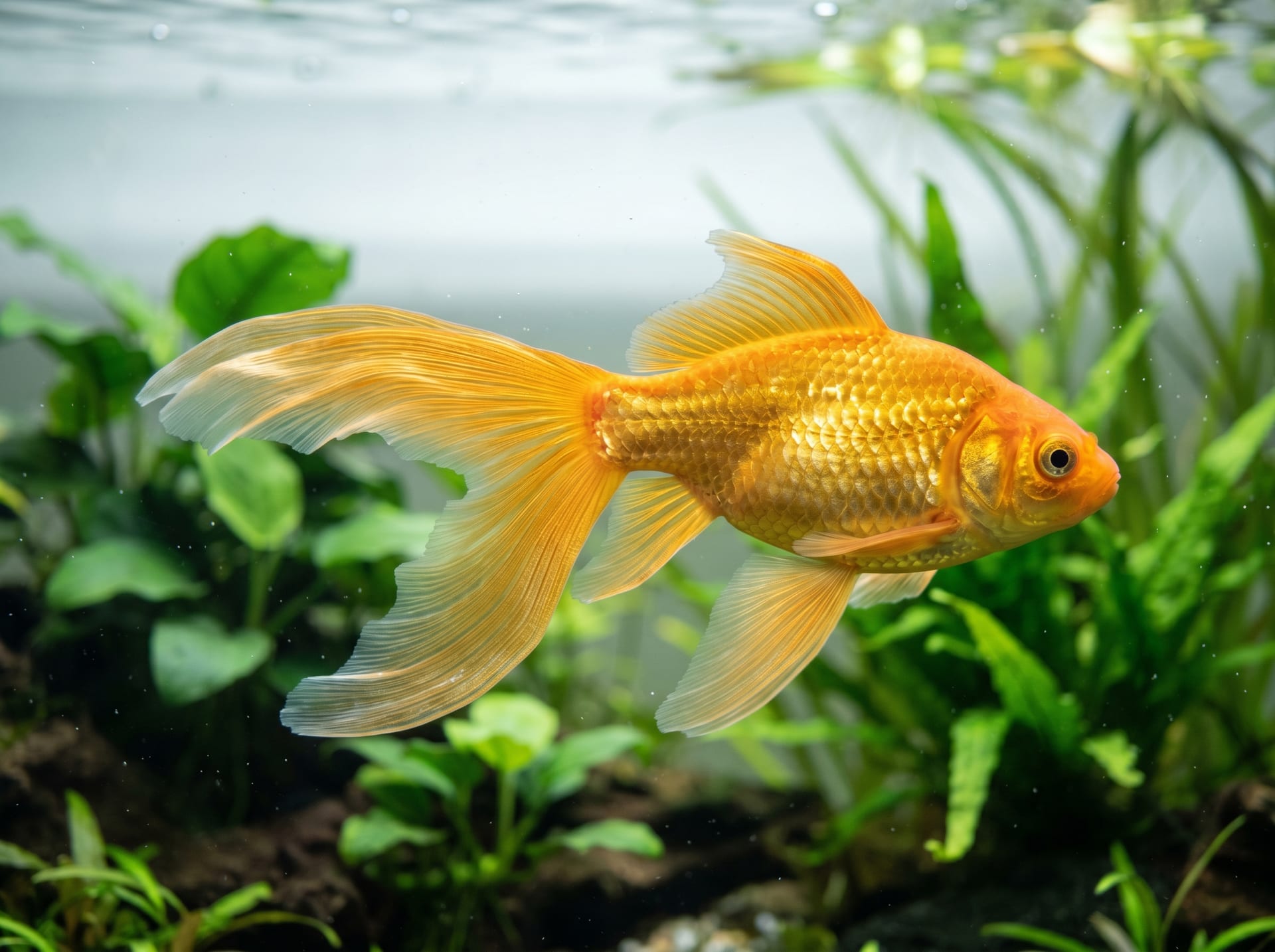
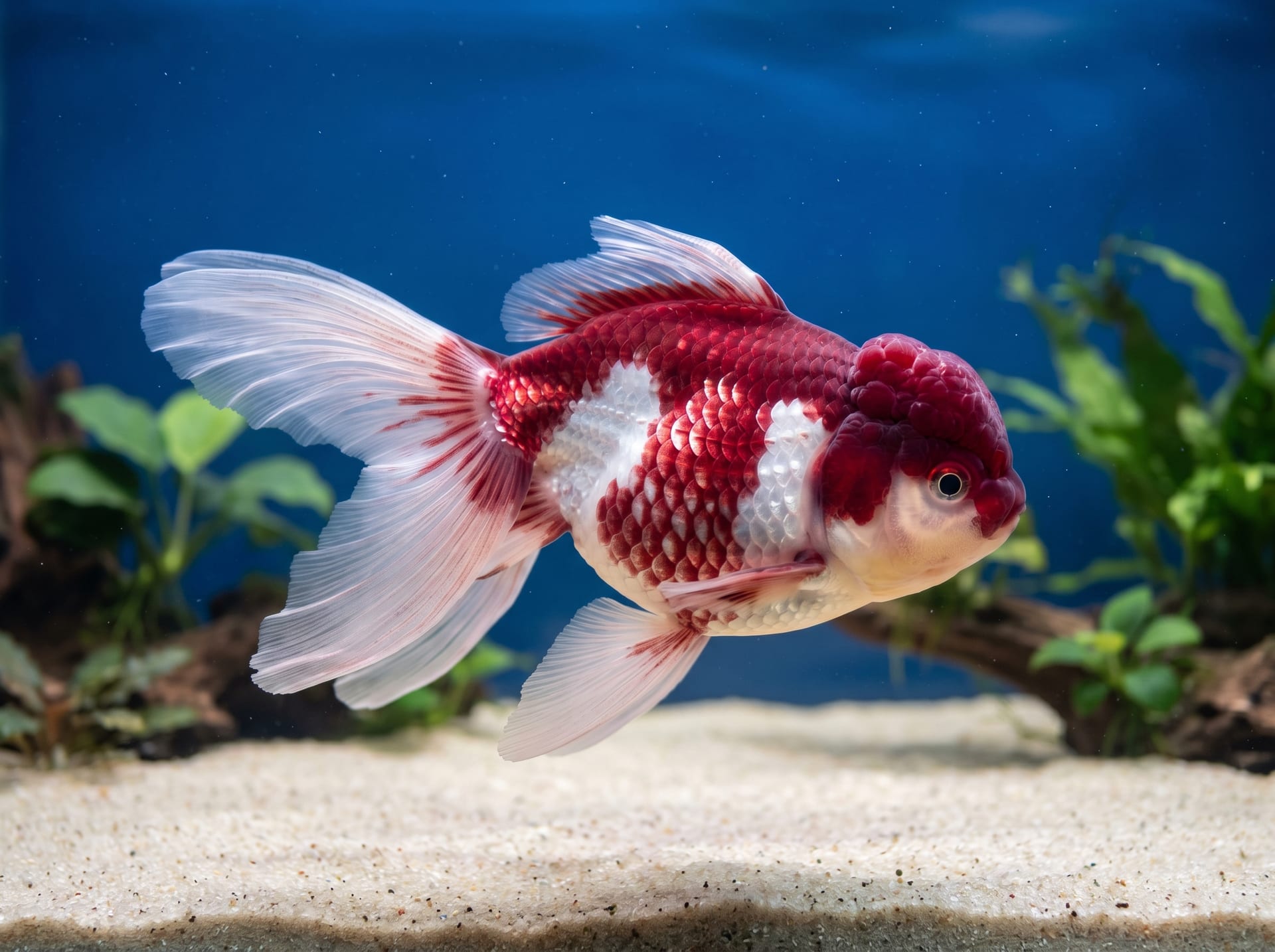
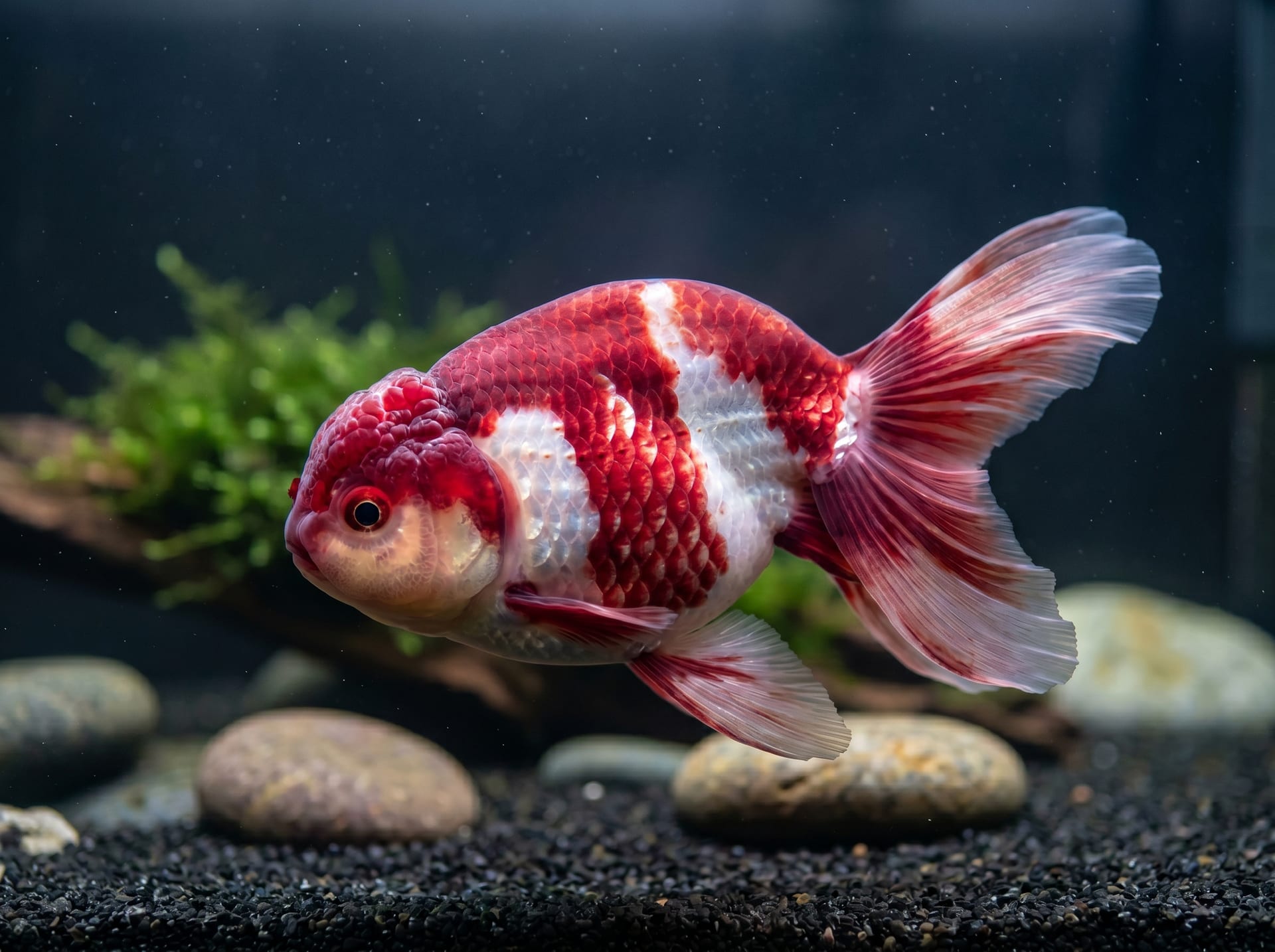
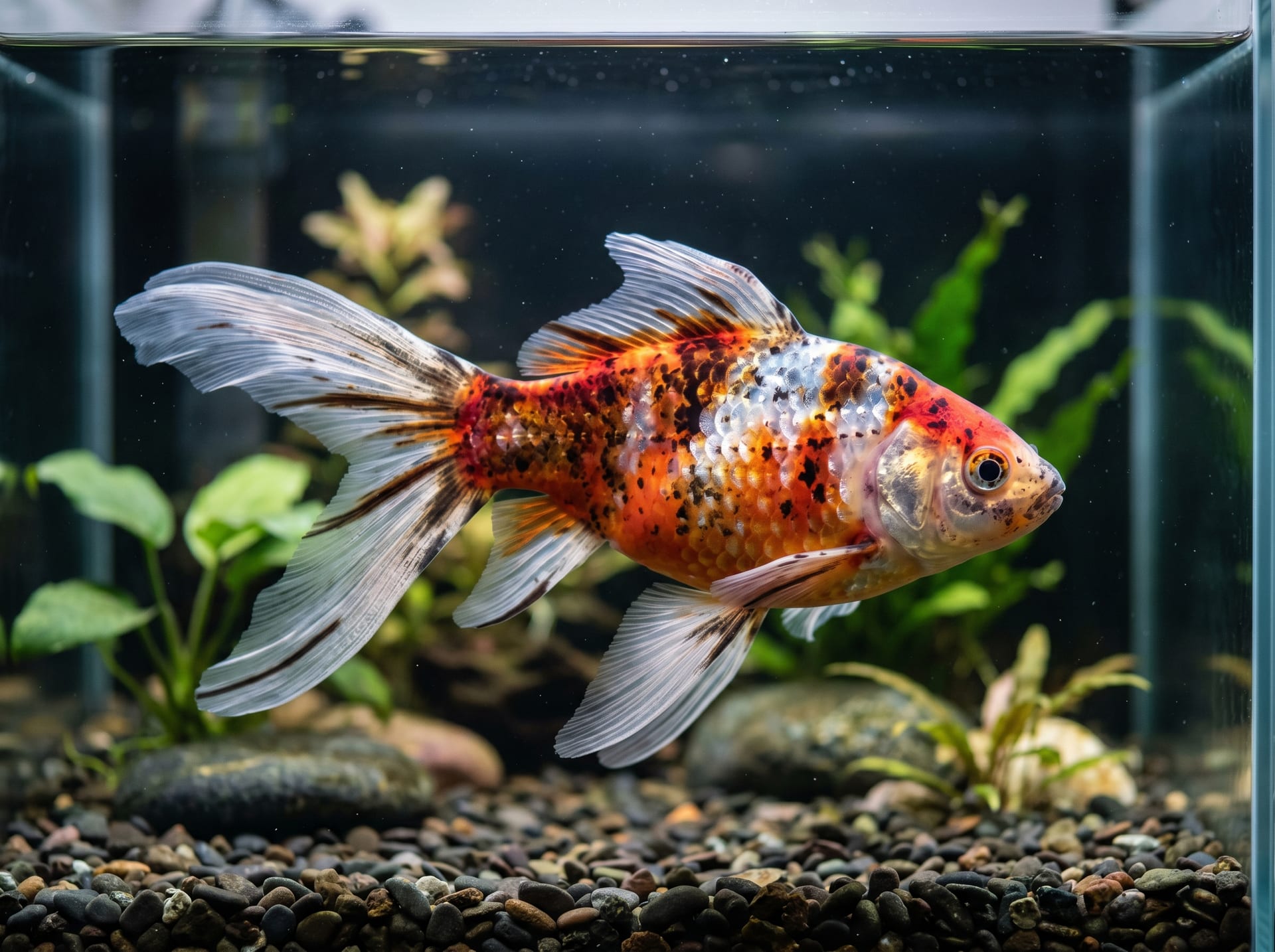
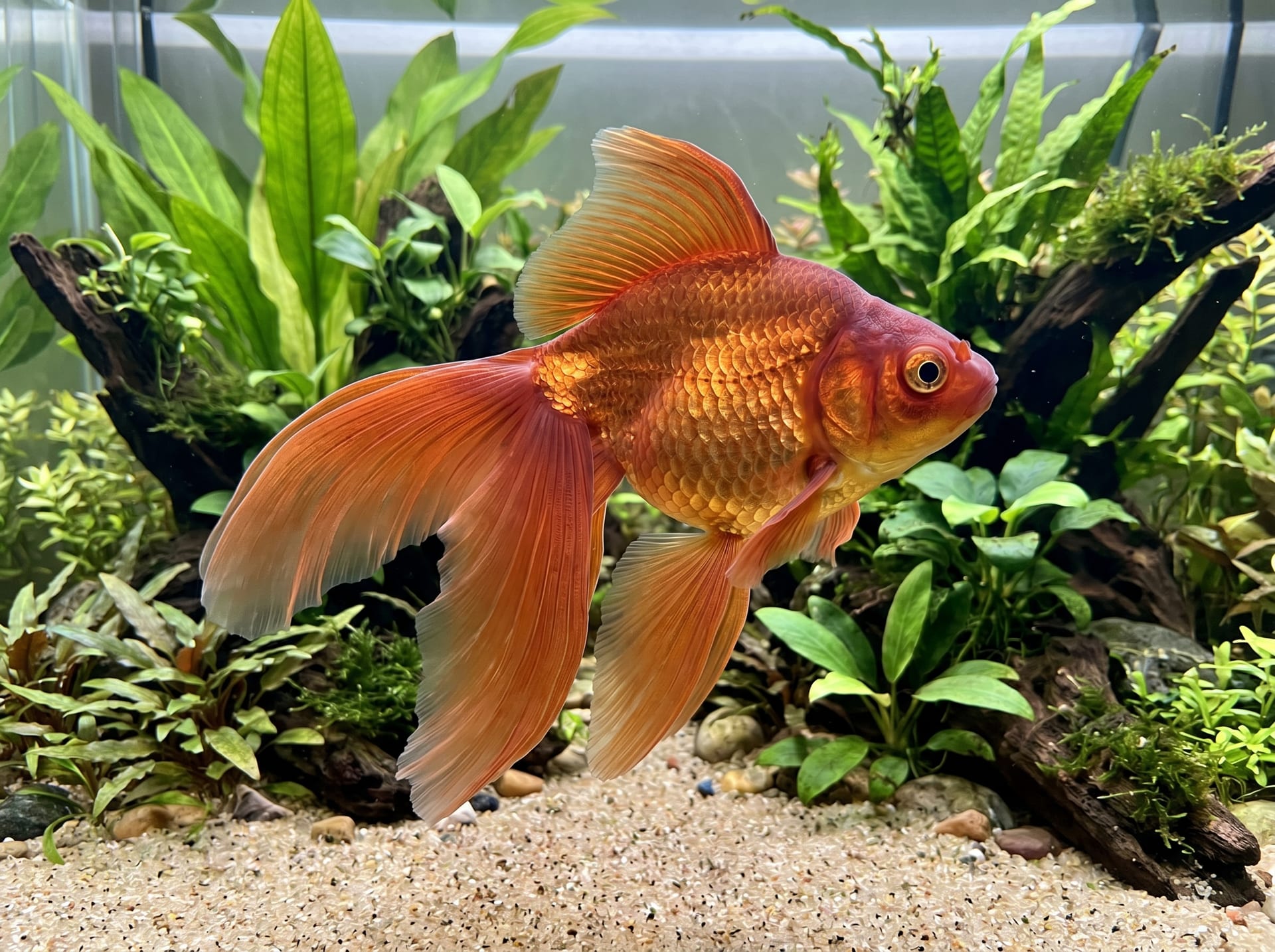
Demekin is a goldfish whose defining characteristic is its large, protruding eyes on both sides. In English, it's also called "telescope eye," and its lens-like bulging eyes create a distinctive presence. The rounded body shape combined with elegant, flowing veil tail (long fins) makes it particularly beautiful in an aquarium.
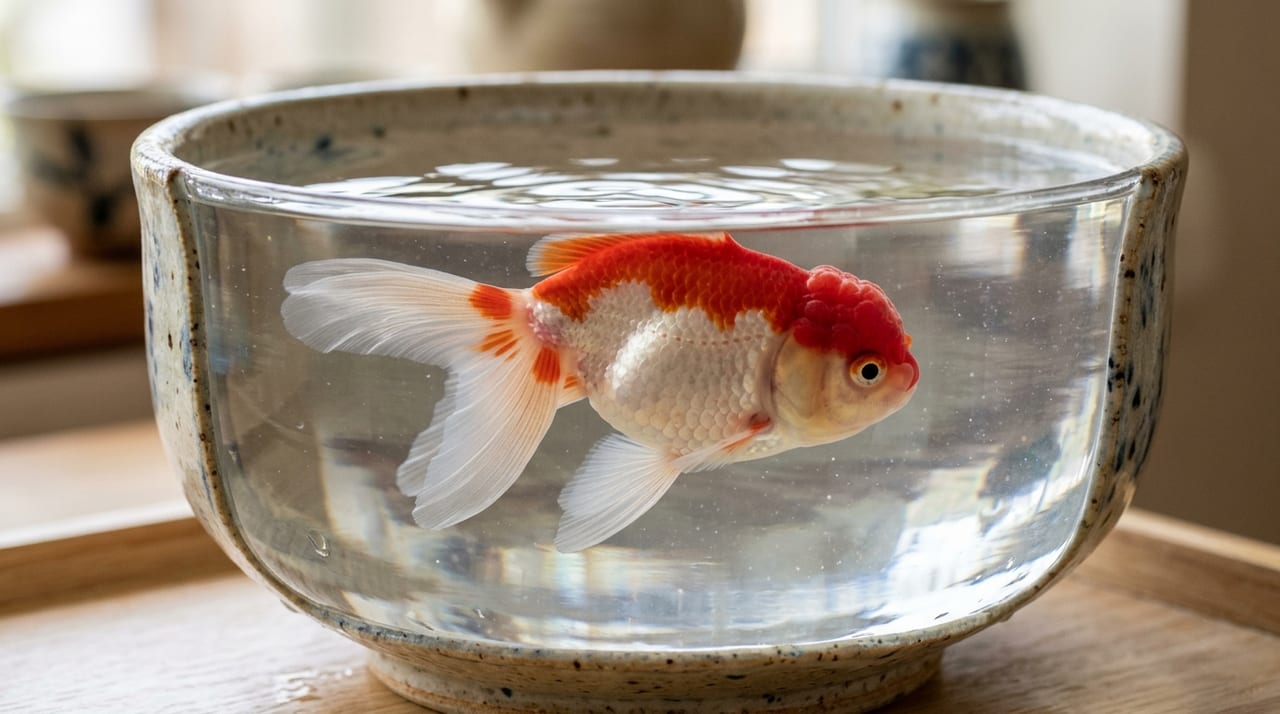
They come in many color variations, including the classic red, white, and red-and-white patterns, as well as "black demekin" with striking jet-black coloring and "blue demekin" with a bluish hue. Black demekin are relatively hardy and easy for beginners to keep, while red and tri-color demekin are somewhat delicate and require more careful water quality management.
However, the demekin's greatest charm—its protruding eyes—is also its biggest risk factor. To keep this species healthy for the long term, creating an environment that prevents eye injuries is absolutely essential.
Aquarium Layout to Prevent Eye Damage
The first step in keeping demekin is arranging the aquarium layout. Their protruding eyes are extremely delicate and are easily damaged by sharp objects or strong currents. Follow these points when setting up your layout.
Items to Avoid
- Pointed driftwood and rocks: Angular materials are the leading cause of eye injuries. If you must use them, sand down the sharp edges with sandpaper first
- Filter intake tube: There have been reports of eyes getting stuck on the motor intake. Always install a sponge cover
- Fine mesh decorations: There is a risk of eyes catching on the mesh
Recommended Items
- Substrate: Use smooth, rounded gravel or sand. Alternatively, a bare bottom makes cleaning easier and eliminates potential hazards
- Artificial plants and smooth stones: Choose soft materials without sharp edges
- Sponge filter: Has a gentle intake and poses minimal risk of eyes getting stuck, making it safe