Source: Wikimedia Commons
Brazilian Black and White
IntermediateNhandu coloratovillosus
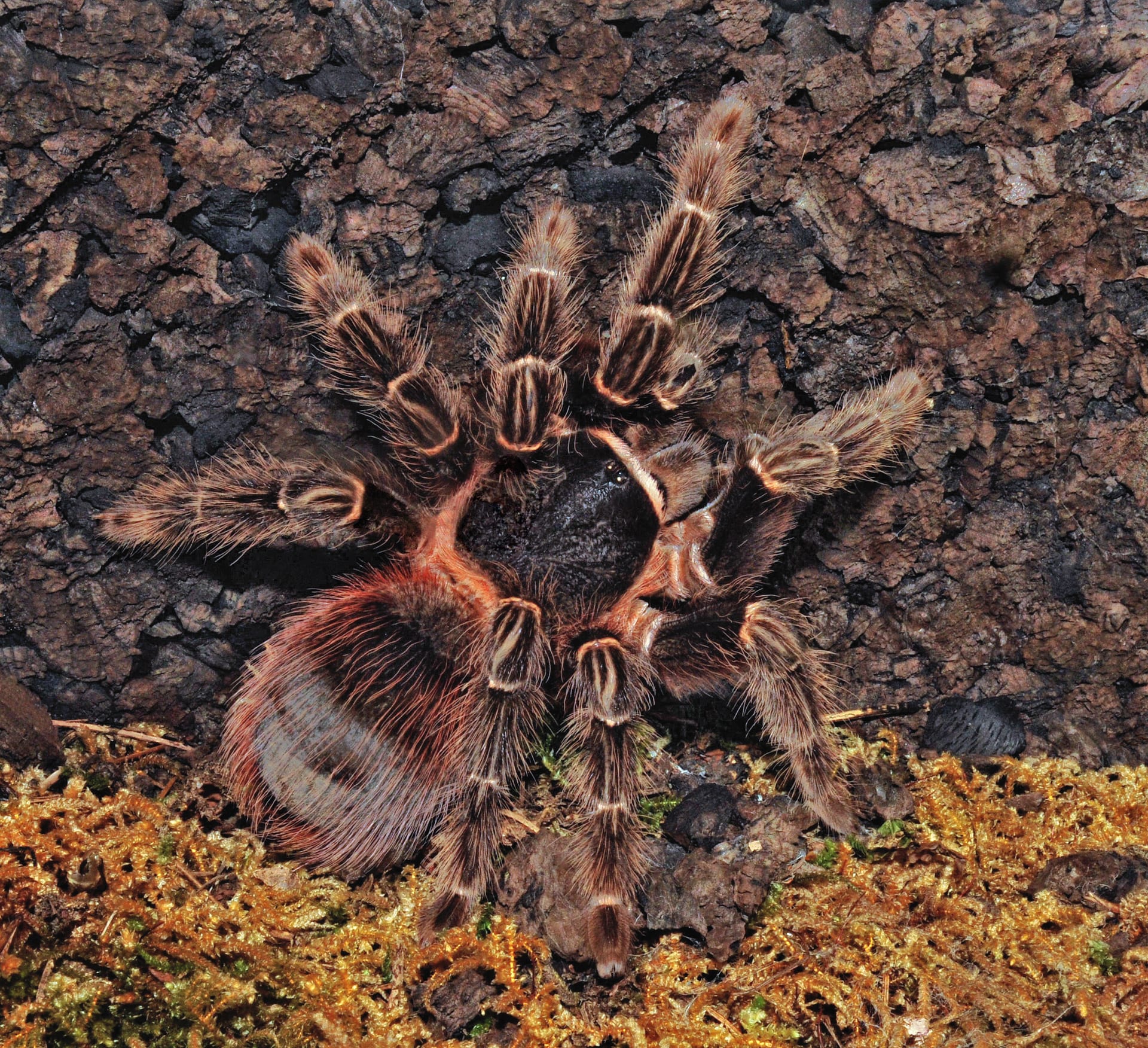
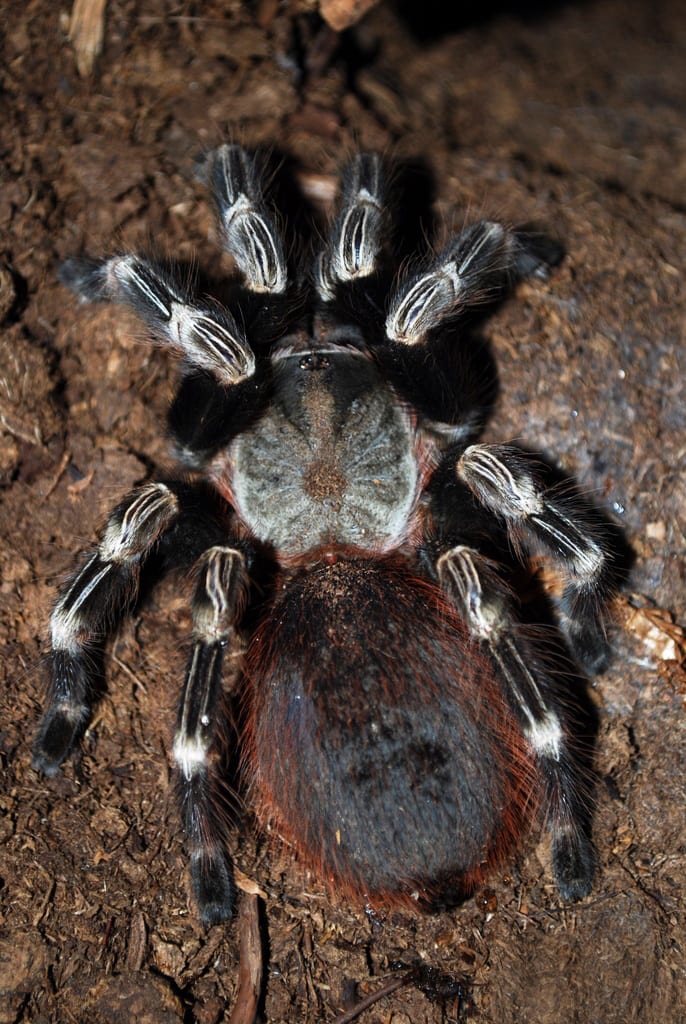
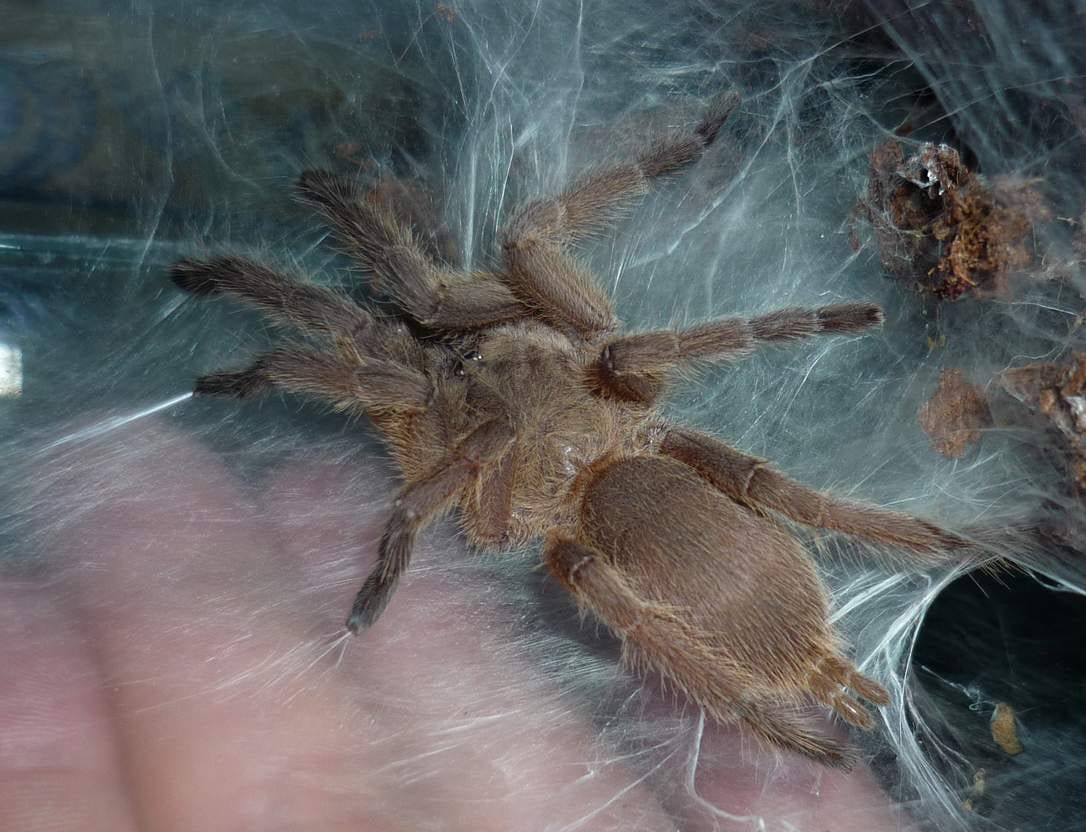
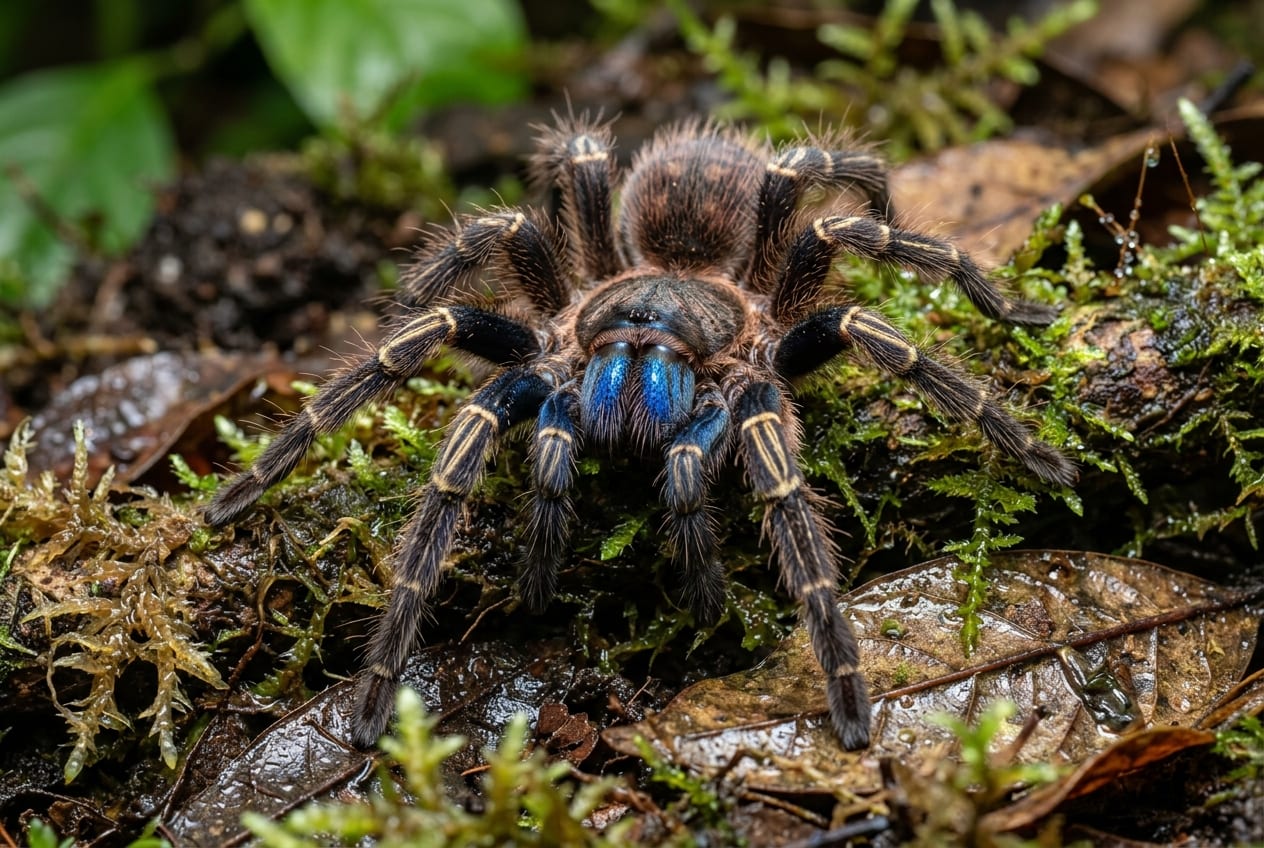
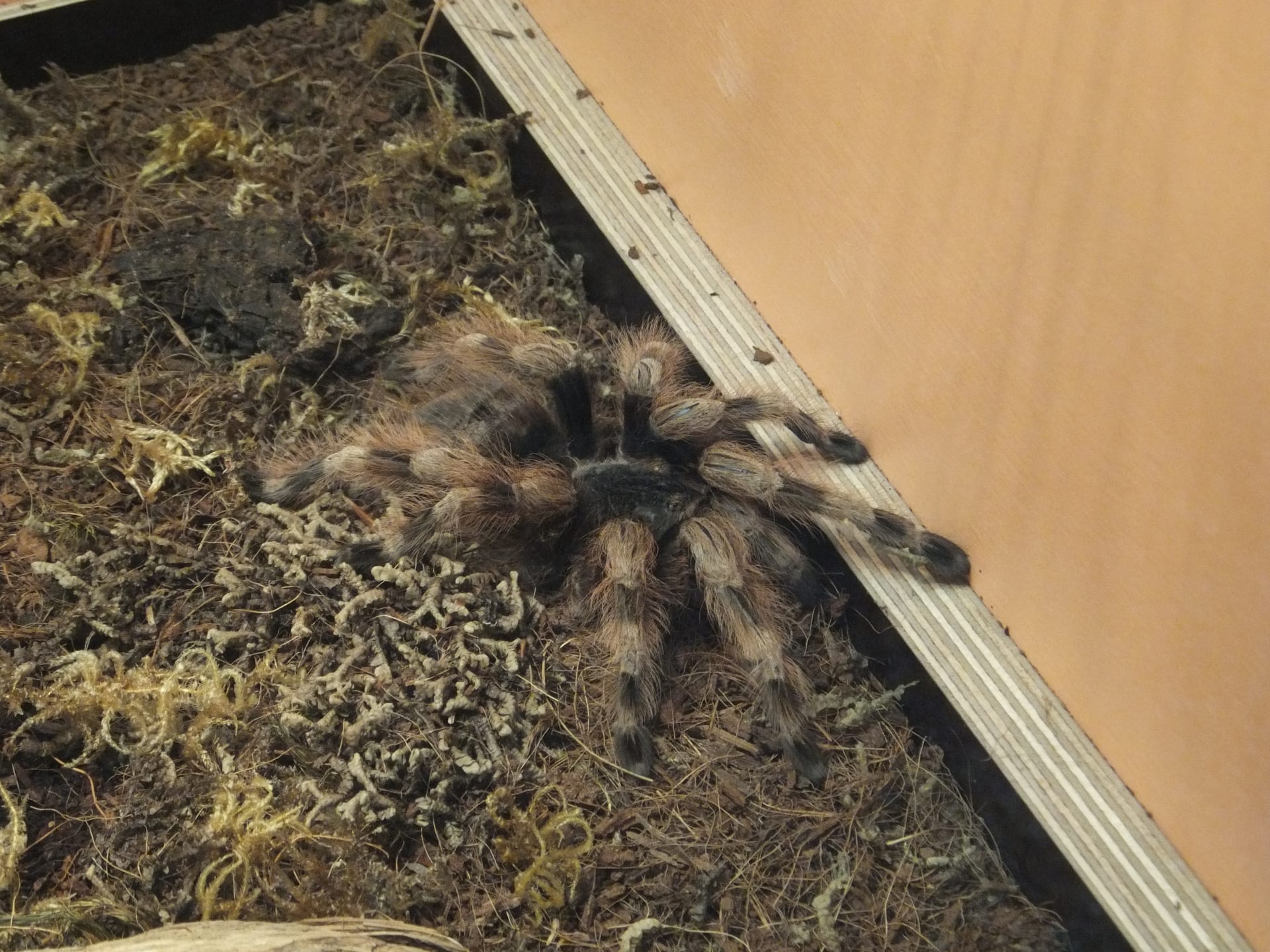
A terrestrial tarantula from Brazil with white-striped black legs and an abdomen covered in long orange-red setae. It shelters in small holes among tree roots and under cover, and is known for readily kicking urticating hairs.
Difficulty
Intermediate
Lifespan
Females about 15 years, males about 4 years
Size
Body about 8cm (female) and 6cm (male)
Diet
Live insects such as crickets and roaches
About
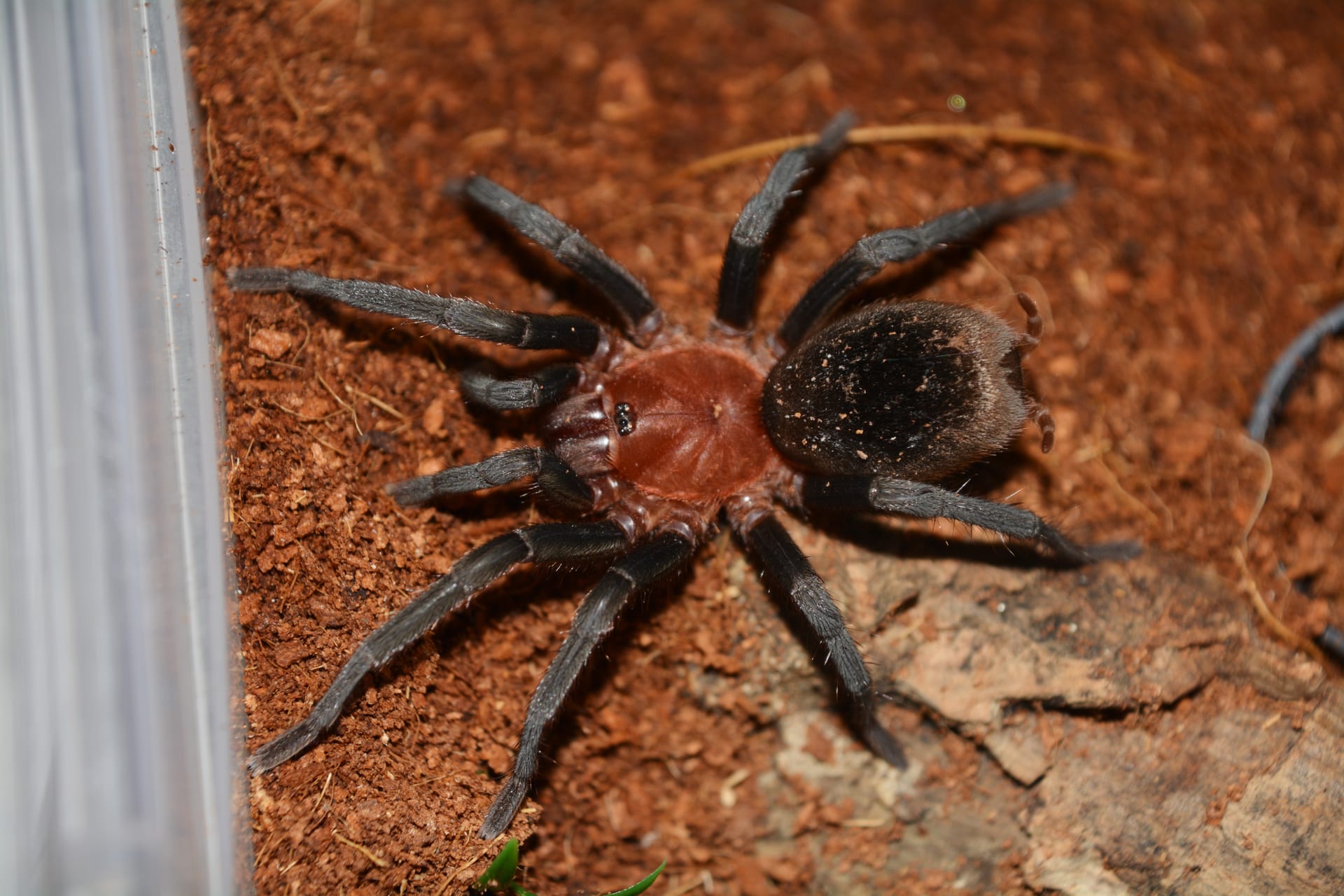
Nhandu coloratovillosus was described by Schmidt in 1998 as Brazilopelma coloratovillosum; the current combination dates from 2001, when Bertani synonymised Brazilopelma with Nhandu. Adults are mainly dark brown with an abdomen covered in long reddish setae and broad whitish stripes along the legs; the pattern is more contrasting in males. It carries type I and type III urticating hairs and is counted among the bombardier spiders that flick them in defence. It is known from Para, Tocantins and the eastern parts of Mato Grosso and Mato Grosso do Sul in Brazil, living on the ground and sheltering by day in small holes among tree roots. Temperament varies considerably between individuals: some are docile, others nervous and quick to bolt.
Source: Wikipedia (CC BY-SA 4.0)
Lifespan of the Brazilian Black and White
The Brazilian Black and White lives Females about 15 years, males about 4 years.
Size of the Brazilian Black and White
The Brazilian Black and White grows to Body about 8cm (female) and 6cm (male).
Females average 8cm in body length and males 6cm, with females more heavily built.
Basic Info
Origin
Brazil (Para, Tocantins and the eastern parts of Mato Grosso and Mato Grosso do Sul)
Lifespan
Females about 15 years, males about 4 years
Size
Body about 8cm (female) and 6cm (male)
Care Specifications
Semi-aggressiveSolitary
Sources: Polish Wikipedia: Nhandu coloratovillosus / German Wikipedia: Nhandu coloratovillosus / Wikipedia: Nhandu coloratovillosus / GBIF
References & Sources
Edited & verified by: BreederDirect editorial team
The taxonomic, regulatory, and husbandry data on this page are compiled and verified against the authoritative primary sources below.
Taxonomy & Authority
Accepted name: Nhandu coloratovillosus (Schmidt, 1998)
Synonyms: Brazilopelma coloratovillosum Schmidt, 1998
Authority databases: GBIF
Nomenclature follows global taxonomic authority databases.
Regulations & Conservation Status
Not CITES-listed
Sources: CITES Appendices (species not listed)
Regulations may change. Always verify the latest information with the relevant authorities.
Brazilian Black and White Listings
Loading latest listingsFind listings for this species