Source: Wikimedia Commons
Asian Fawn Tarantula
AdvancedChilobrachys huahini
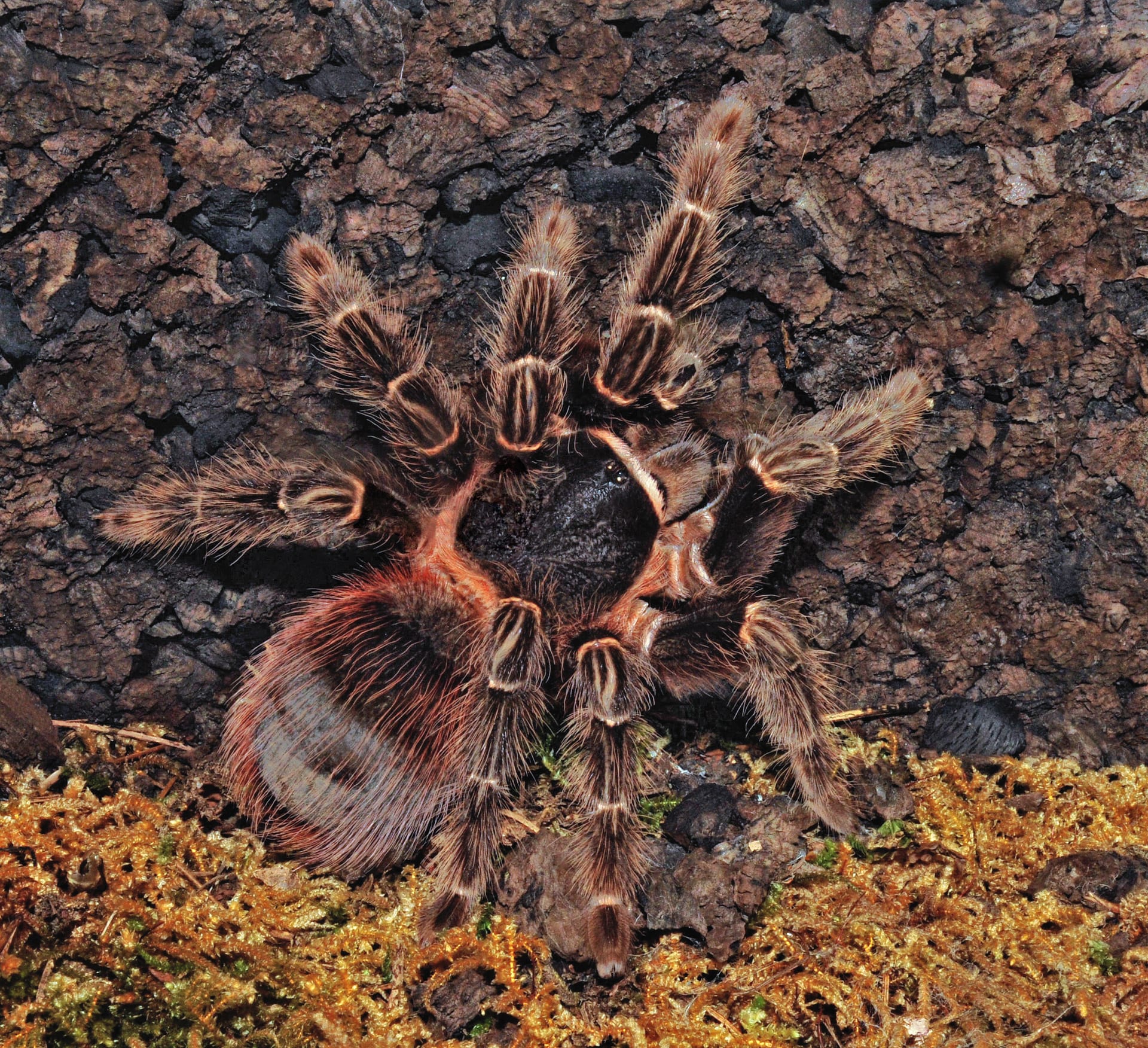
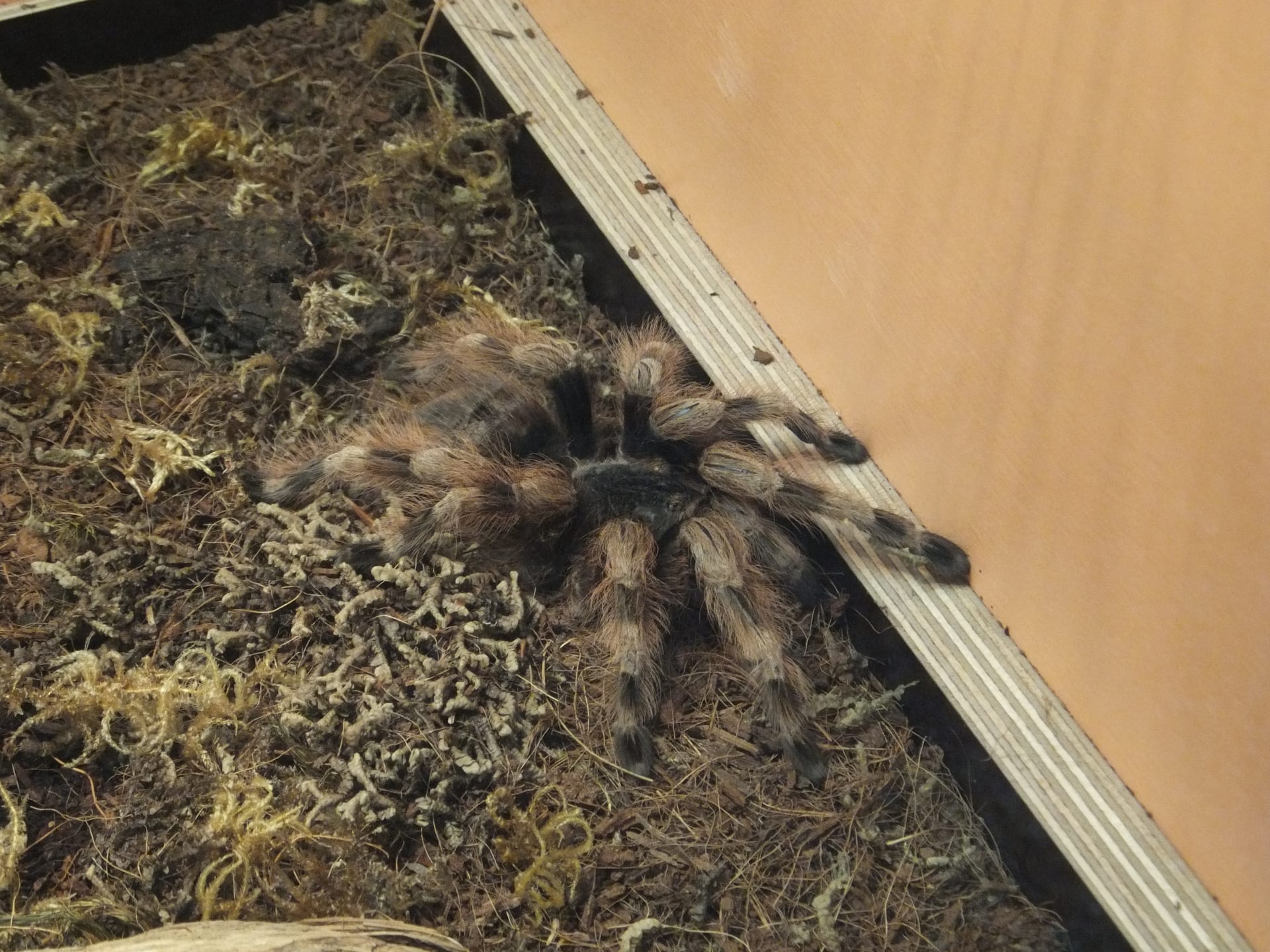
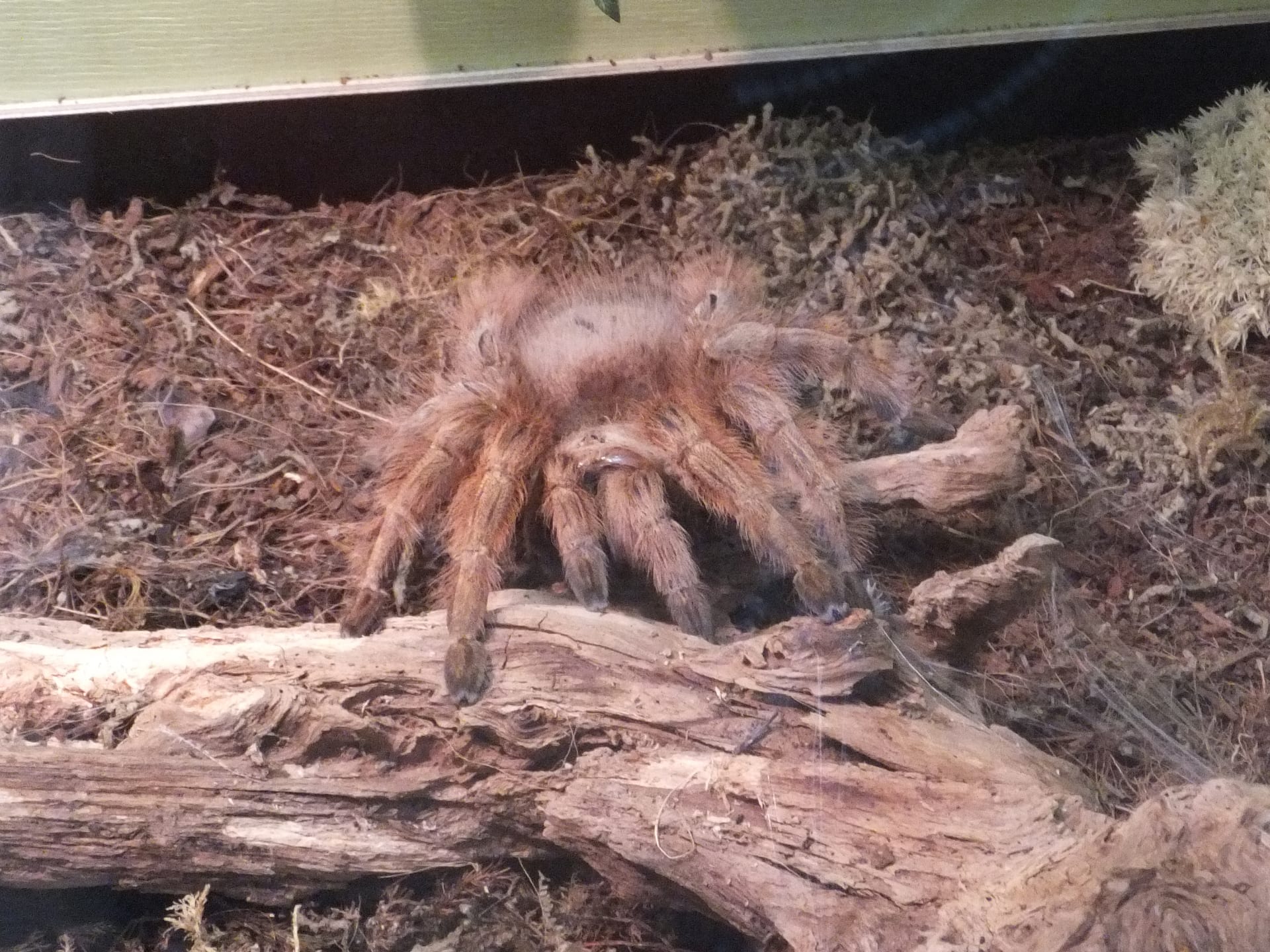
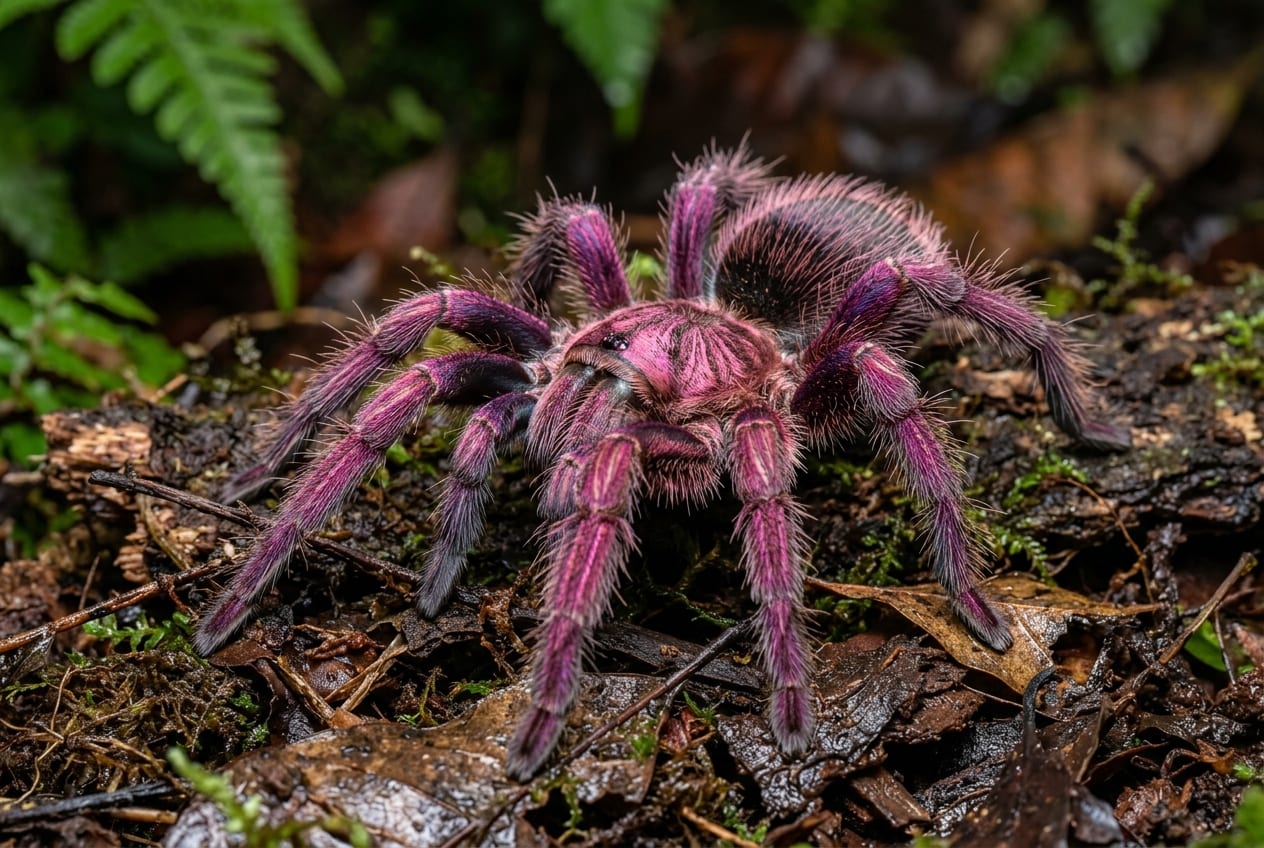
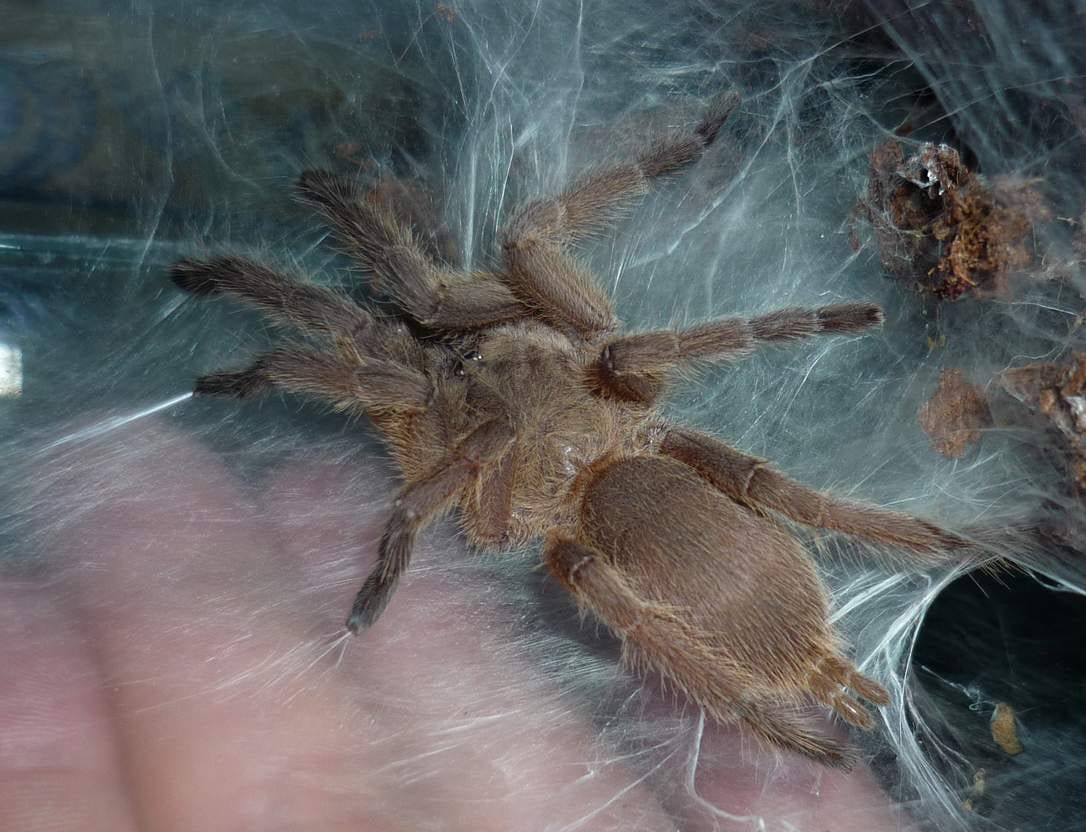
A terrestrial tarantula endemic to Thailand, light brown overall with a carapace a shade paler than the body. It produces so much silk that it soon webs over the whole enclosure. It is fast, defensive and reported to have strong venom.
Difficulty
Advanced
Temperature
28℃
Lifespan
11-12 years for females, 2-4 years for males
Size
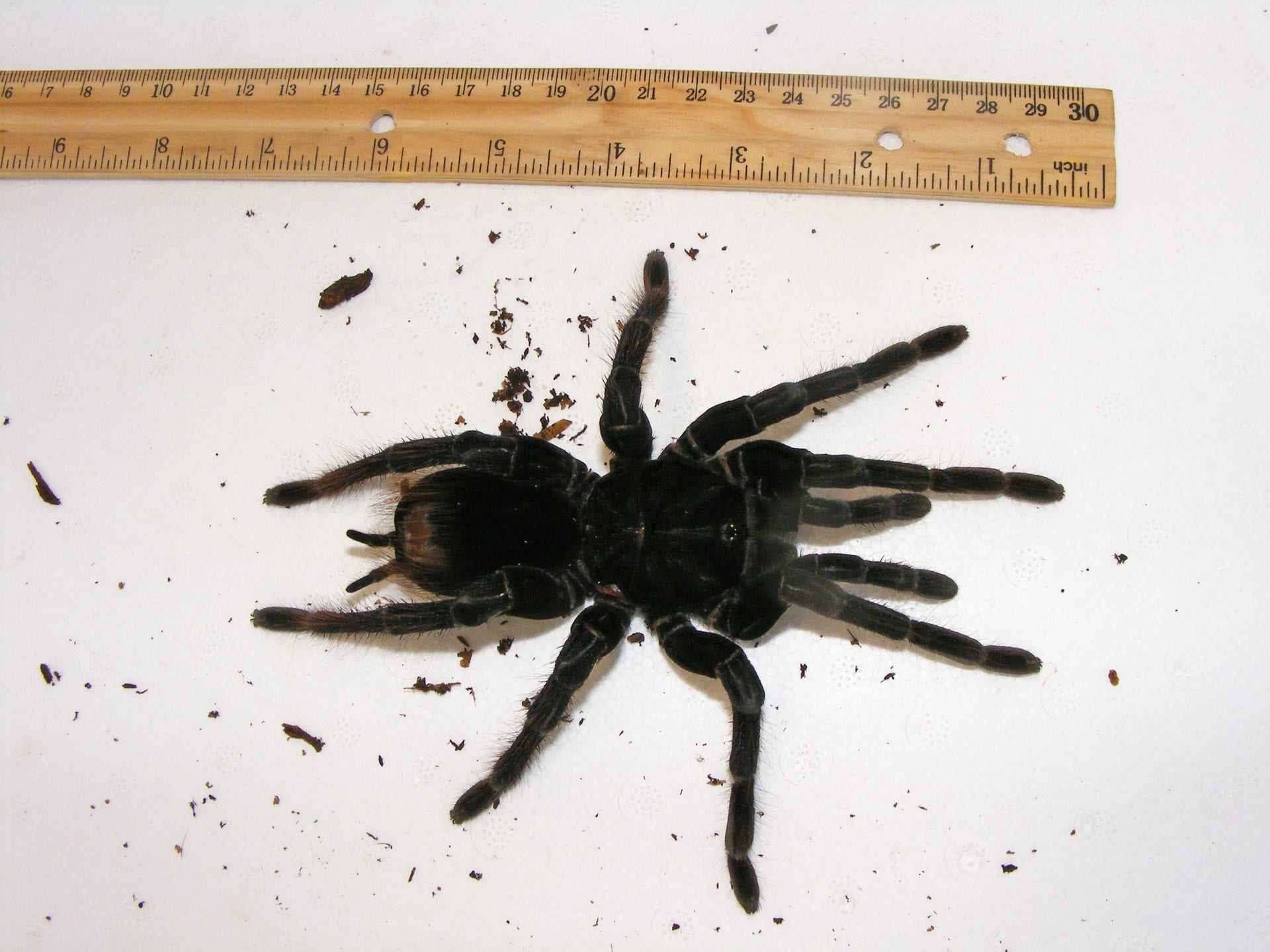
Body up to 10cm (female), leg span about 18cm
Humidity
80〜90%
Diet
Live insects such as crickets, roaches and locusts
About
Chilobrachys huahini was described in 1996 by Schmidt and Huber from a single female collected at Hua Hin in southern Thailand. Both sexes are light brown with a carapace a shade paler than the body and darker striping on the carapace and legs. This colouration appears in subadults of about 4cm, with smaller individuals being a deeper brown. Hua Hin has a tropical savanna climate with a mean annual temperature of about 28C and roughly 955mm of rain a year. The species is terrestrial but an opportunistic burrower, and in captivity it lays down so much silk that it covers the enclosure within a short time. It is highly defensive and skittish as well as fast, and will bite under persistent provocation; bites from adult females are reported to cause strong radiating pain and swelling that lasts for days. Females mature at the eleventh or twelfth moult, and egg sacs contain 150 to 250 eggs.
Source: Wikipedia (CC BY-SA 4.0)
Lifespan of the Asian Fawn Tarantula
The Asian Fawn Tarantula lives 11-12 years for females, 2-4 years for males.
Size of the Asian Fawn Tarantula
The Asian Fawn Tarantula grows to Body up to 10cm (female), leg span about 18cm.
Females reach 10cm in body length and 18cm including the legs, while males are much smaller.
Temperature & humidity for the Asian Fawn Tarantula
The ideal temperature for the Asian Fawn Tarantula is 28℃. Ideal humidity is 80〜90%.
Basic Info
Origin
Thailand (type locality Hua Hin)
Care Specifications
AggressiveSolitary
Sources: Wikipedia: Chilobrachys huahini / Polish Wikipedia: Chilobrachys huahini / Terrarium.com.pl: Chilobrachys huahini / GBIF
References & Sources
Edited & verified by: BreederDirect editorial team
The taxonomic, regulatory, and husbandry data on this page are compiled and verified against the authoritative primary sources below.
Taxonomy & Authority
Accepted name: Chilobrachys huahini Schmidt & Huber, 1996
Authority databases: GBIF
Nomenclature follows global taxonomic authority databases.
Regulations & Conservation Status
Not CITES-listed
Sources: CITES Appendices (species not listed)
Regulations may change. Always verify the latest information with the relevant authorities.
Asian Fawn Tarantula Listings
Loading latest listingsFind listings for this species