Source: Wikimedia Commons
Electric Blue Tarantula
AdvancedChilobrachys natanicharum
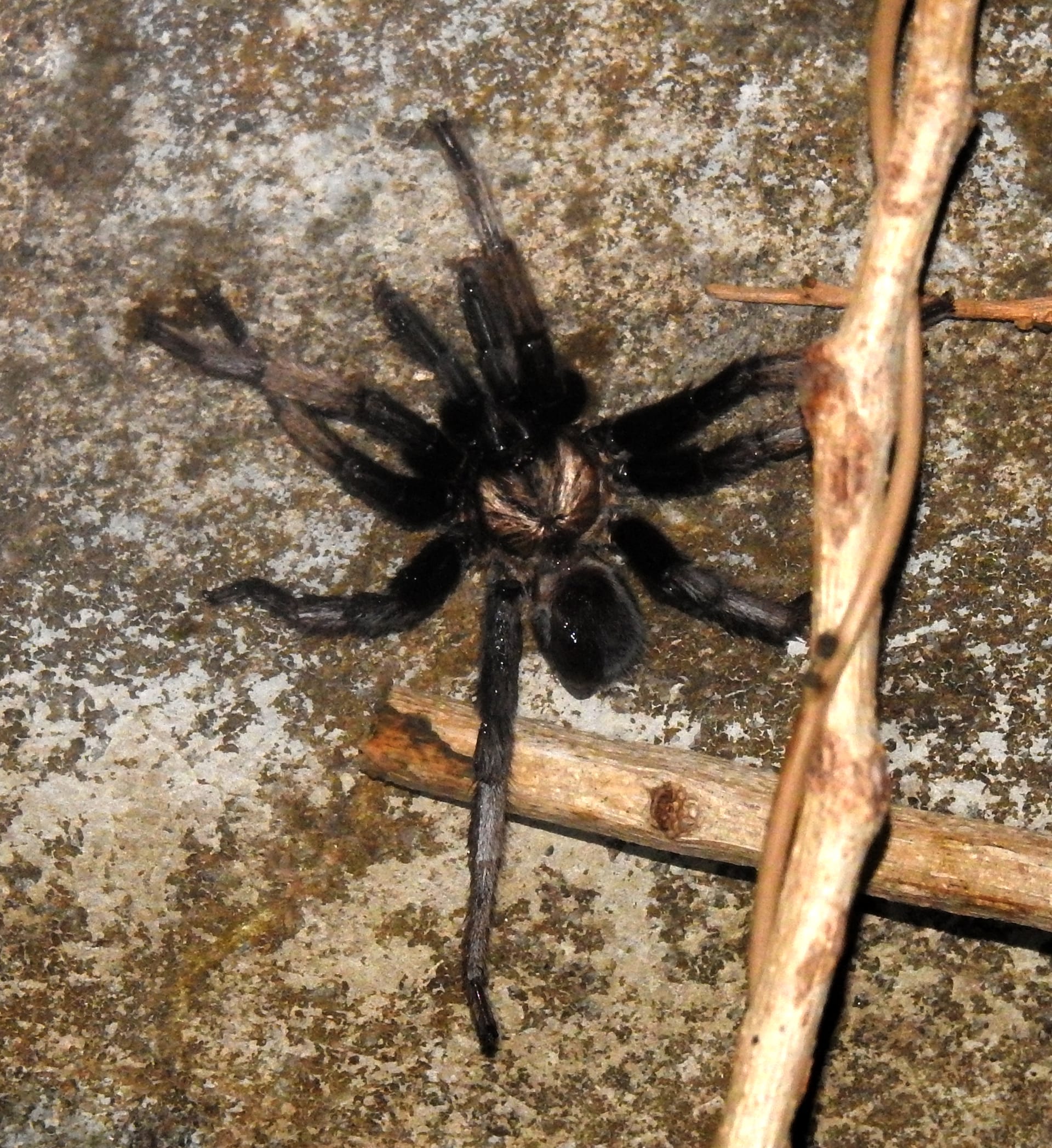
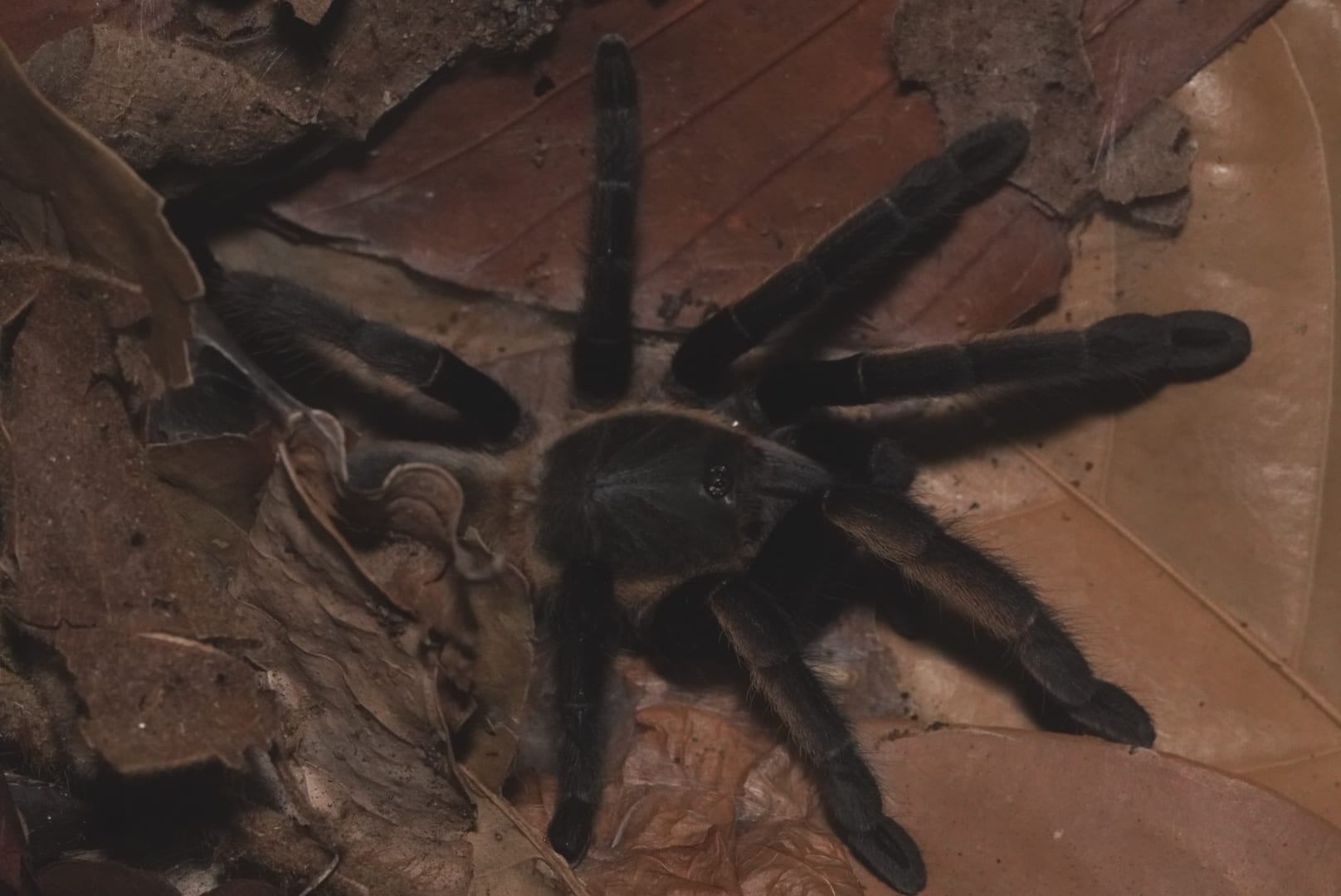
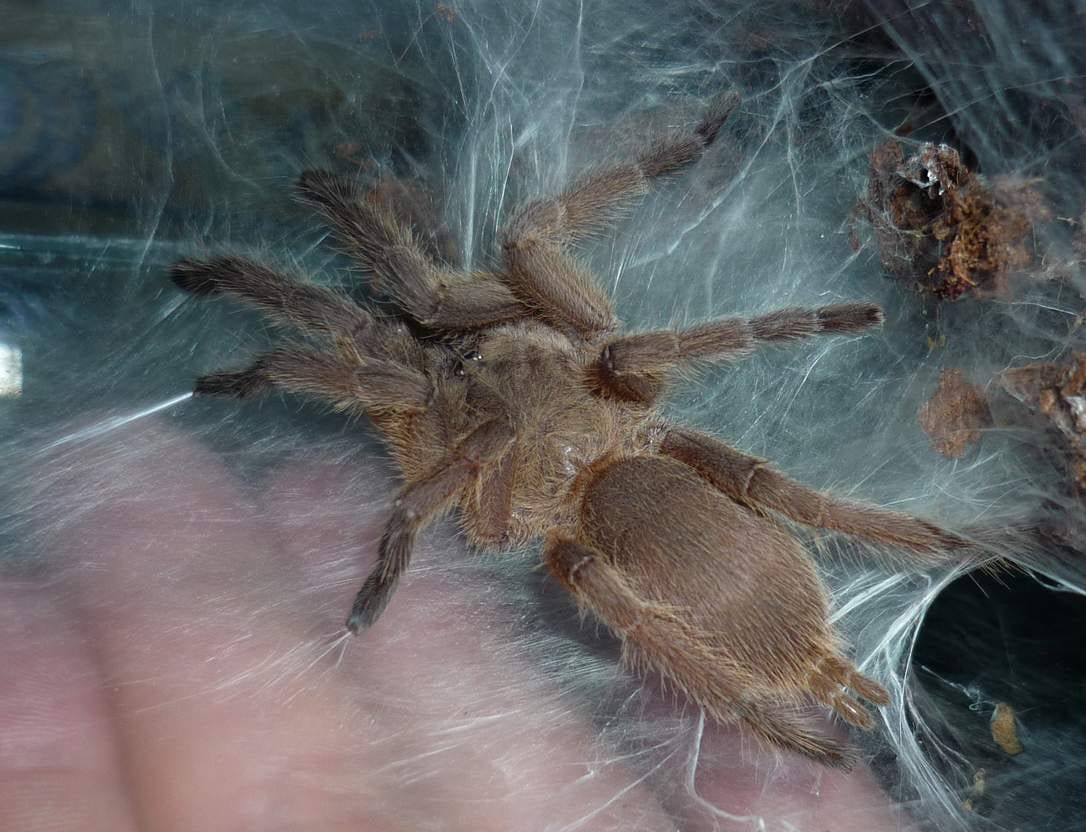
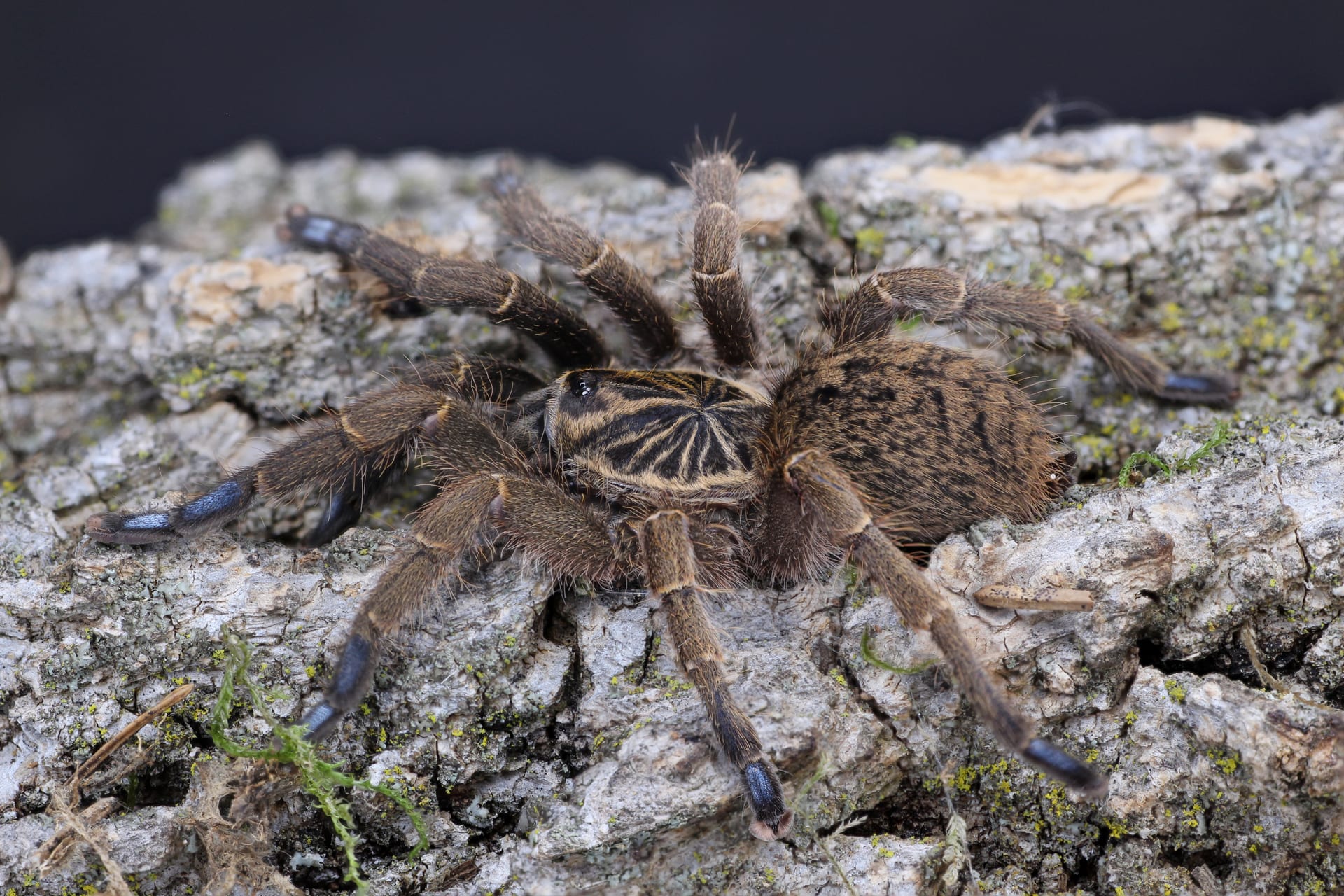
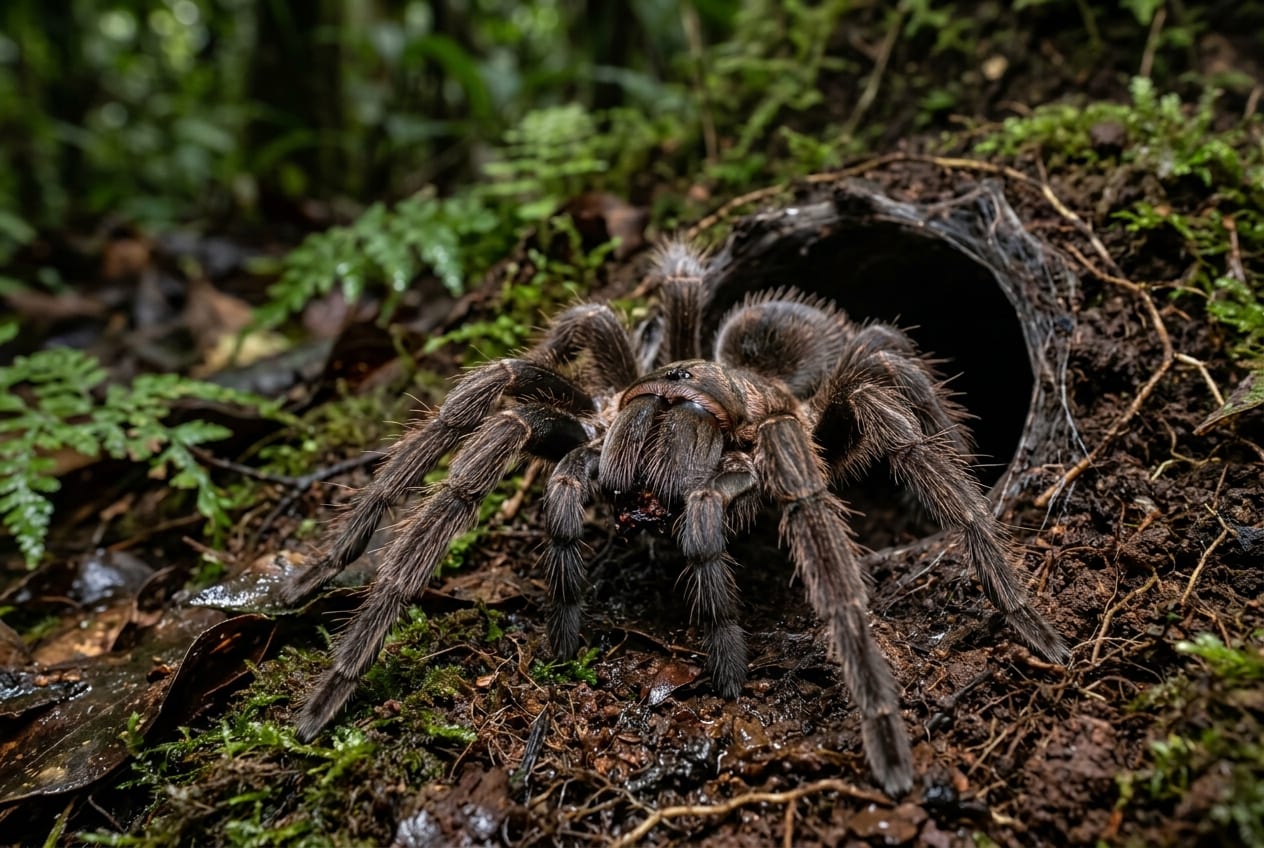
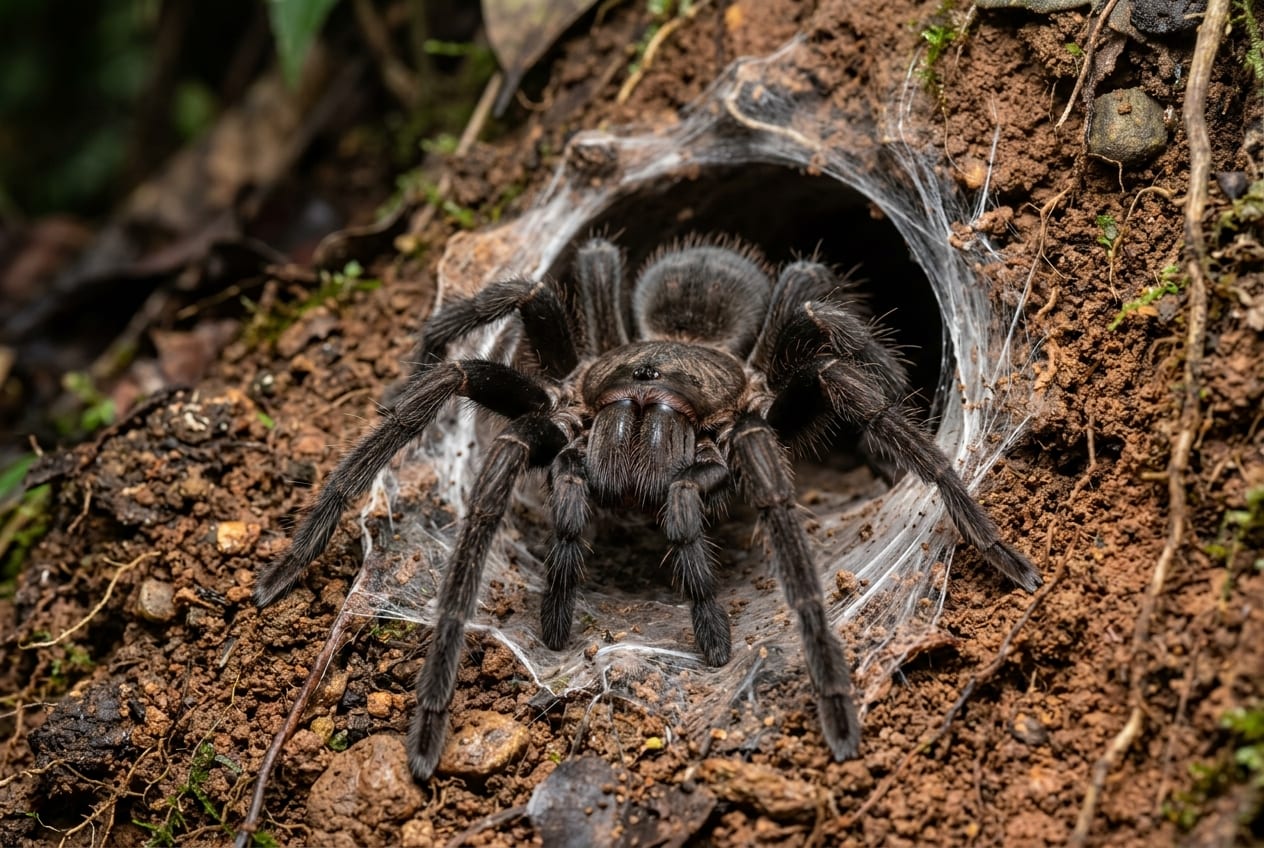
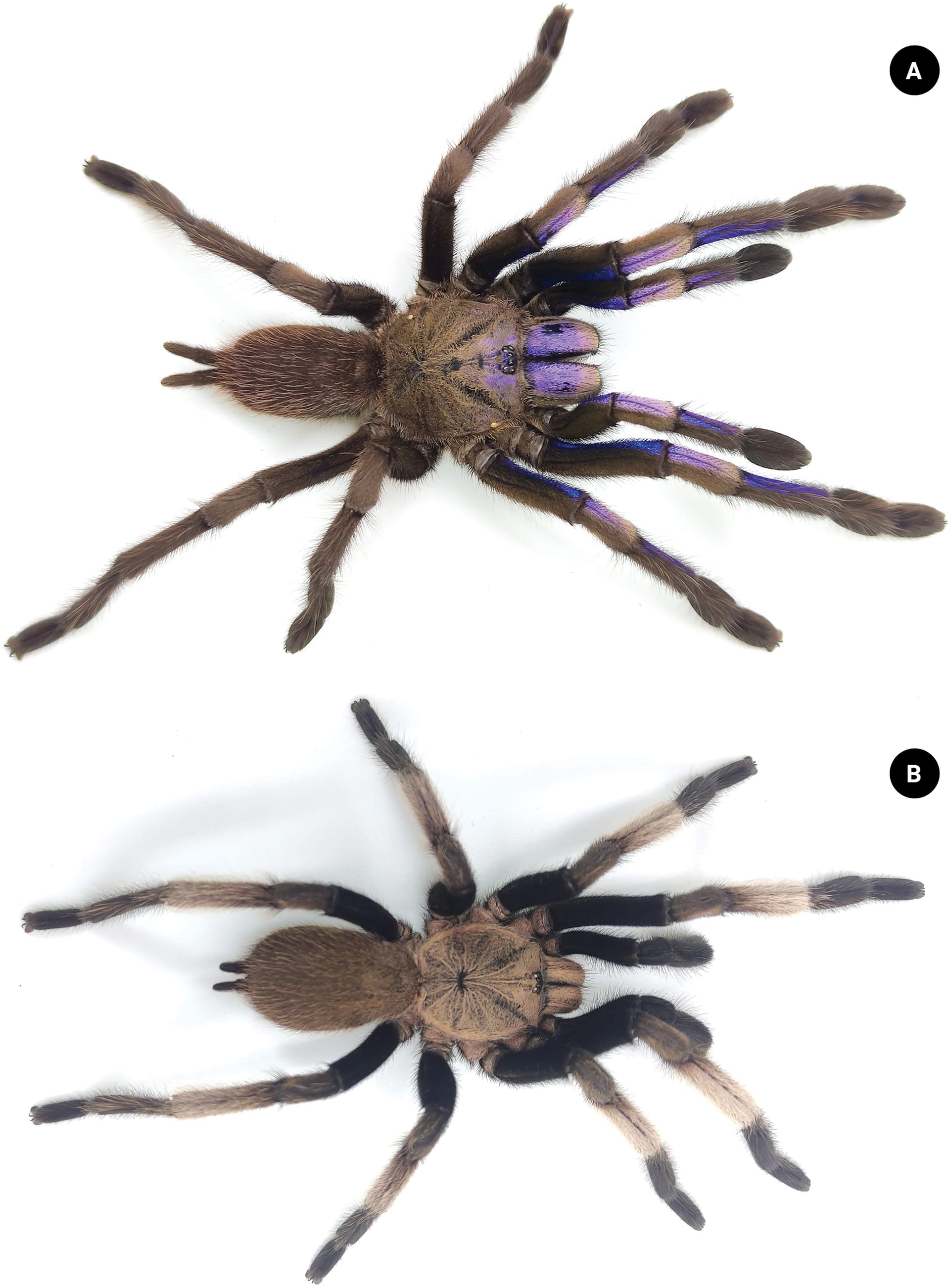
A fossorial tarantula from the mangrove forests of Thailand. The body is brown, and from around the fifth moult females develop blue iridescent setae on the undersides of the femora and tibiae. The colour comes from the nanostructure of the setae rather than from pigment.
Difficulty
Advanced
Temperature
25〜27℃
Lifespan
About 10 years for females; males die around four months after the mature moult
Size
Body up to 8cm (female)
Humidity
70〜80%
Diet
Live insects such as crickets and roaches
About
Chilobrachys natanicharum was described from Thailand in 2023. Its type locality is Khuekkhak in Takua Pa District, Phang Nga Province, on the Malay Peninsula, and it lives in evergreen and mangrove forest up to about 60m above sea level. It is regarded as the only tarantula inhabiting Thai mangroves and uses both burrows in the ground and cavities in trees. The blue is structural, produced by the nanostructure of the setae rather than by pigment, and two forms are recognised, one metallic blue and one violet. Males also carry blue setae, but only on the patellae, where they are inconspicuous. The specific name comes from naming rights auctioned to a Thai property developer, with the proceeds going to education for Lahu children and to cancer treatment. Thailand lists the species as controlled wildlife following loss of its habitat.
Source: Wikipedia (CC BY-SA 4.0)
Lifespan of the Electric Blue Tarantula
The Electric Blue Tarantula lives About 10 years for females; males die around four months after the mature moult.
Size of the Electric Blue Tarantula
The Electric Blue Tarantula grows to Body up to 8cm (female).
Adult females reach 8cm in body length, with a brown body and dark grey legs; from around the fifth moult, blue iridescent setae appear on the undersides of the femora, patellae and tibiae.
Temperature & humidity for the Electric Blue Tarantula
The ideal temperature for the Electric Blue Tarantula is 25〜27℃. Ideal humidity is 70〜80%.
Basic Info
Care Specifications
References & Sources
Edited & verified by: BreederDirect editorial team
The taxonomic, regulatory, and husbandry data on this page are compiled and verified against the authoritative primary sources below.
Taxonomy & Authority
Accepted name: Chilobrachys natanicharum Chomphuphuang, Sippawat, Sriranan, Piyatrakulchai & Songsangchote, 2023
Synonyms: Chilobrachys sp. electric blue
Nomenclature follows global taxonomic authority databases.
Regulations & Conservation Status
Not CITES-listed
Sources: CITES Appendices (species not listed)
Regulations may change. Always verify the latest information with the relevant authorities.
Electric Blue Tarantula Listings
Loading latest listingsFind listings for this species