Source: Wikimedia Commons
Thai Golden Fringed
AdvancedOrnithoctonus aureotibialis
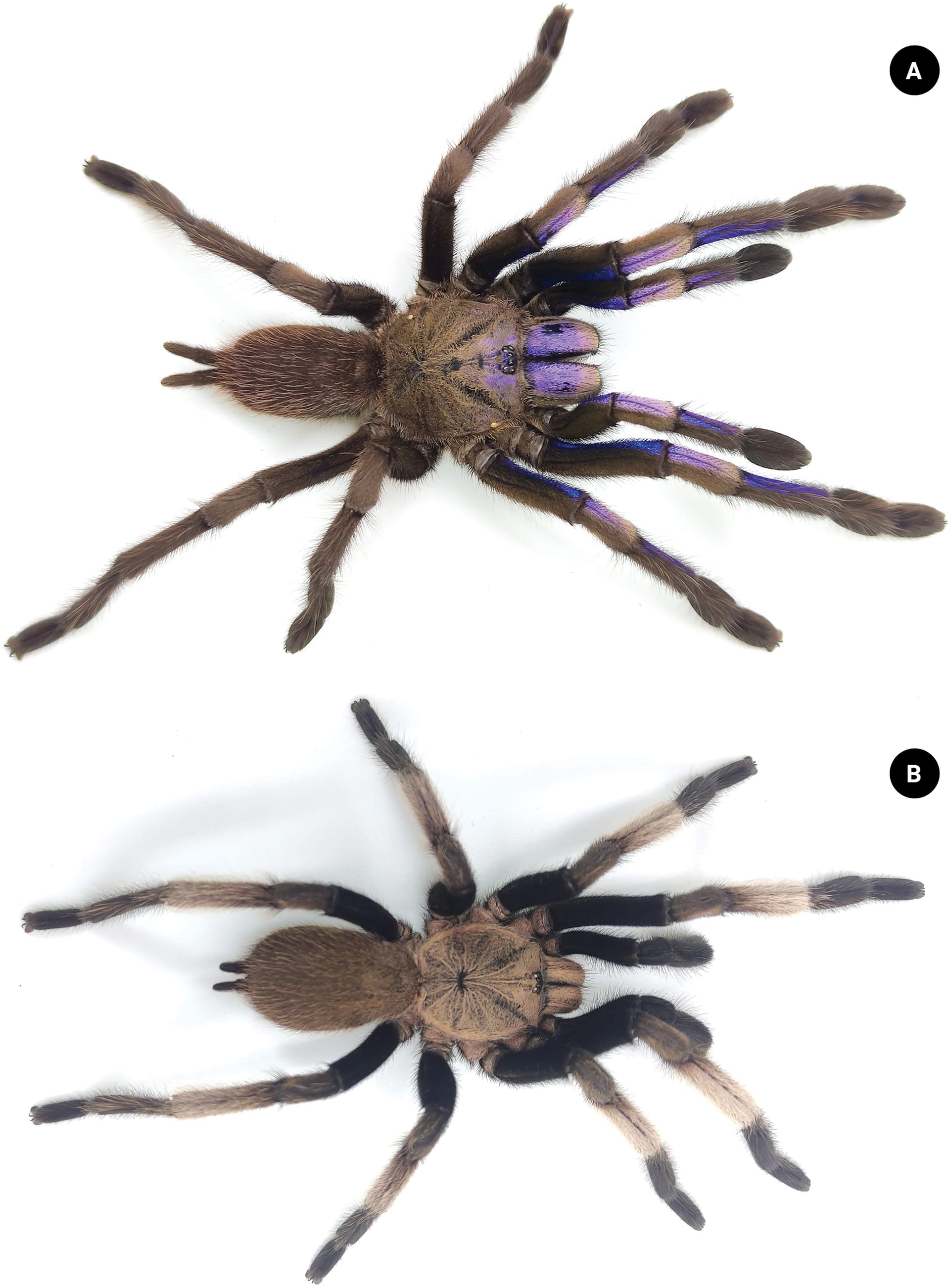
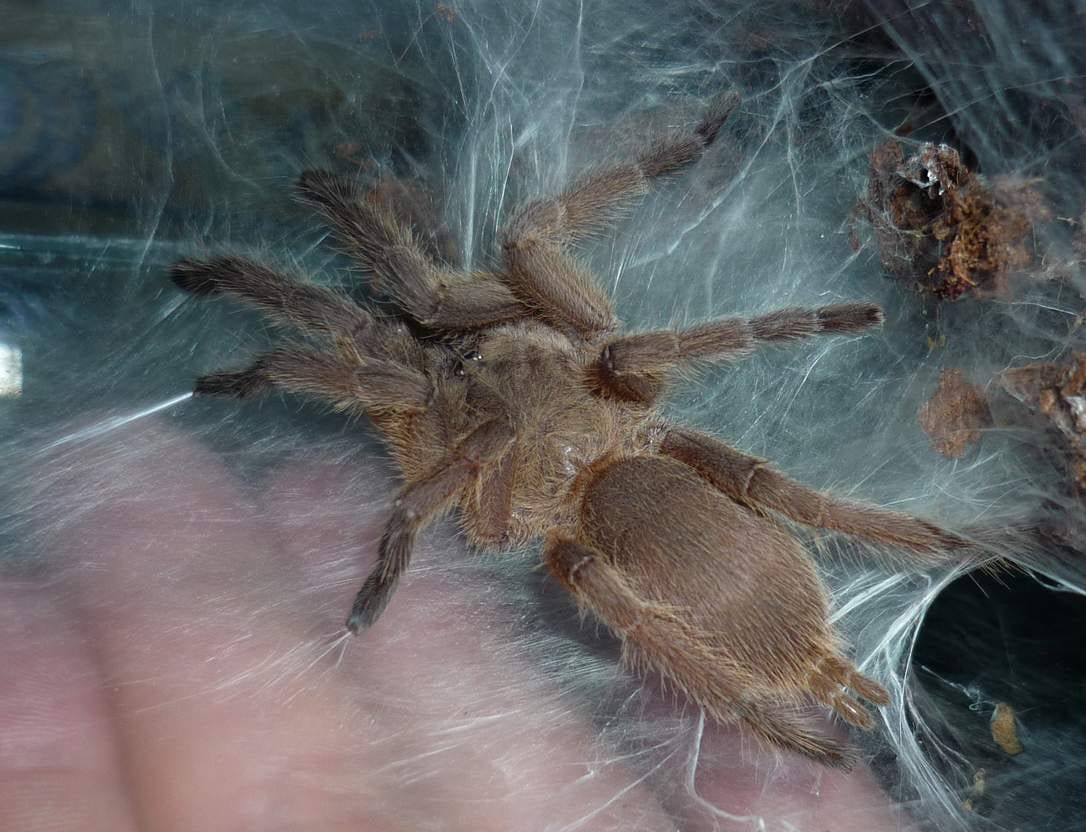
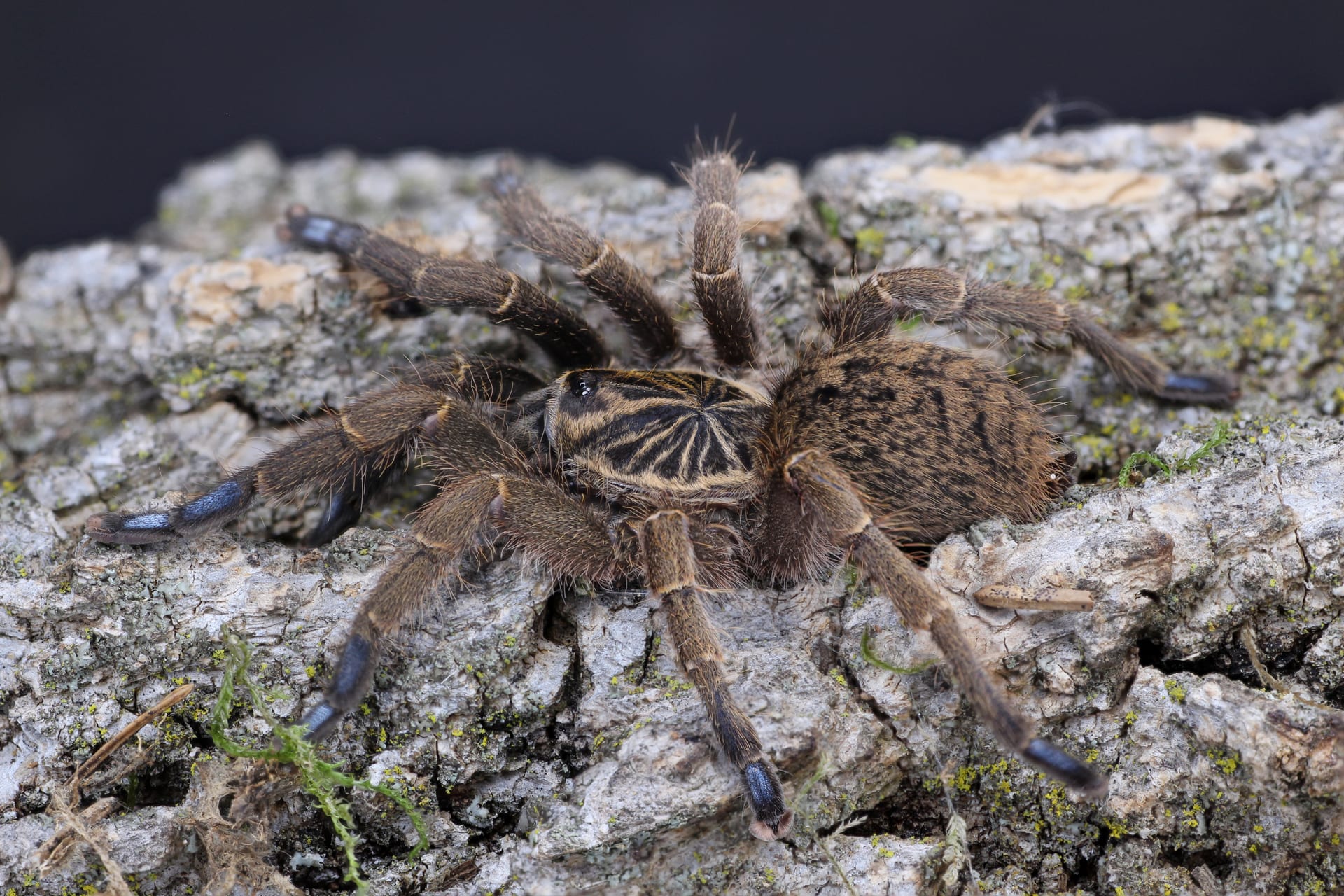
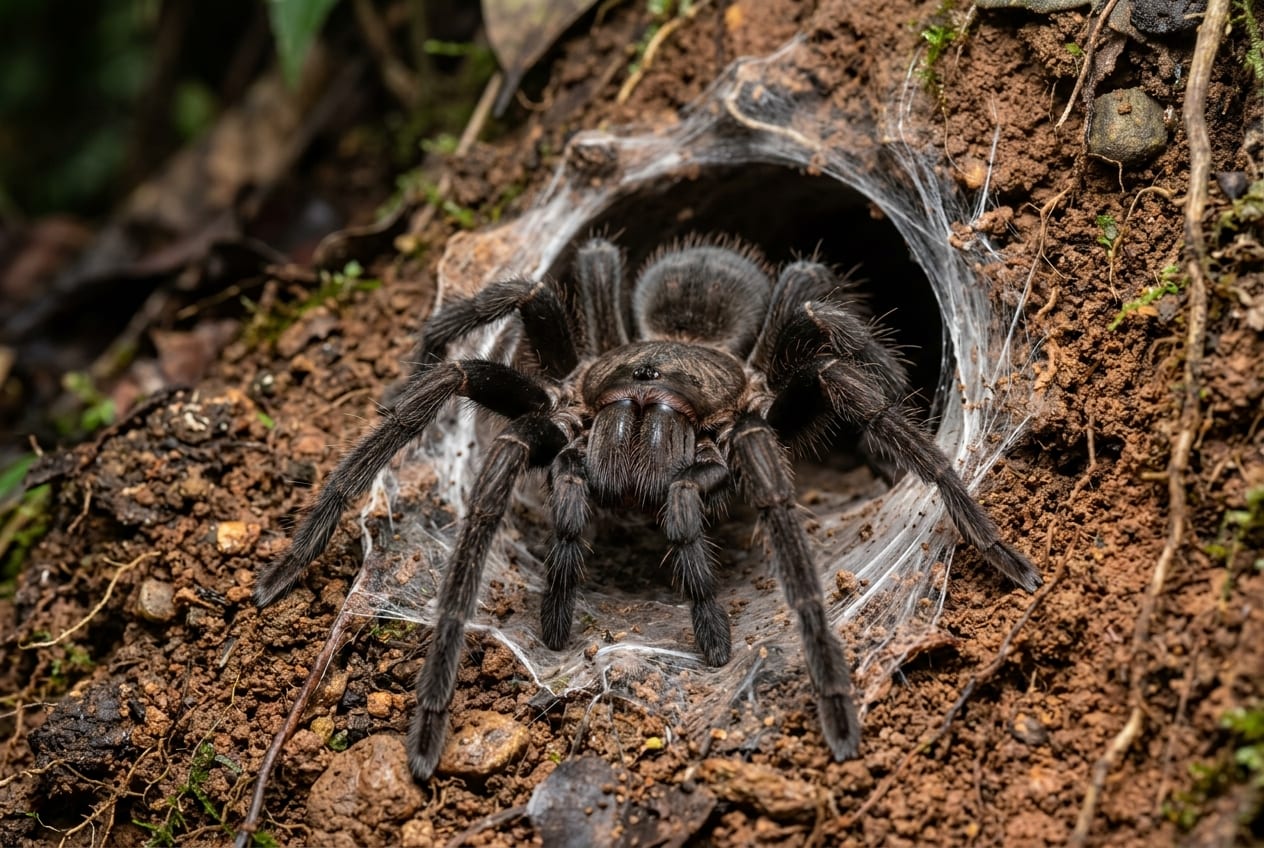
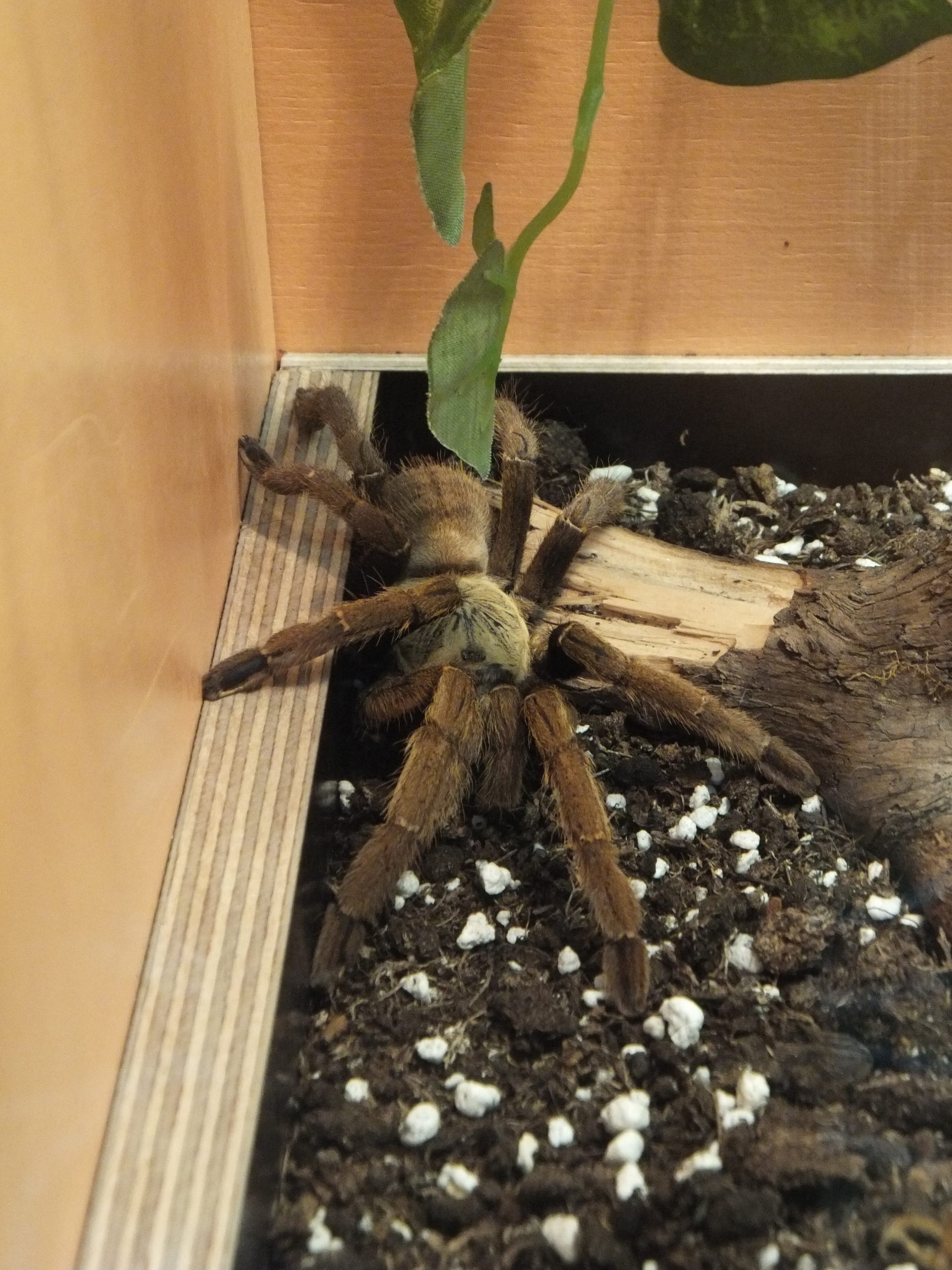
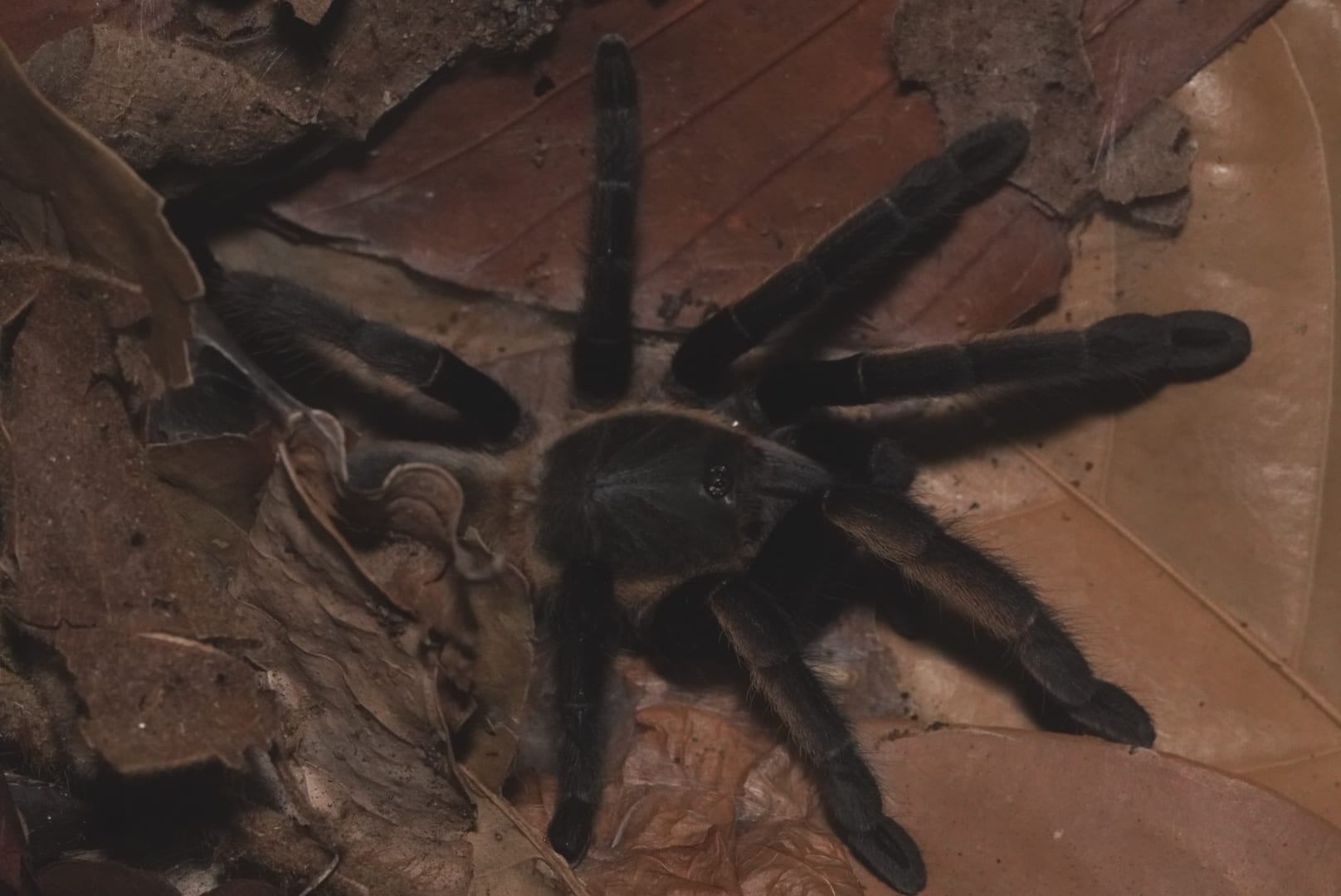
A fossorial tarantula ranging from Thailand to Malaysia. It is largely black, and subadult and adult females and subadult males develop a golden to orange fringe of setae on the patellae and tibiae of the front legs. The abdomen carries a faint fishbone pattern.
Difficulty
Advanced
Temperature
25〜30℃
Lifespan
14-15 years for females, 3-4 years for males
Size
Body 5-6cm (female)
Humidity
80%
Diet
Live insects such as crickets and roaches
About
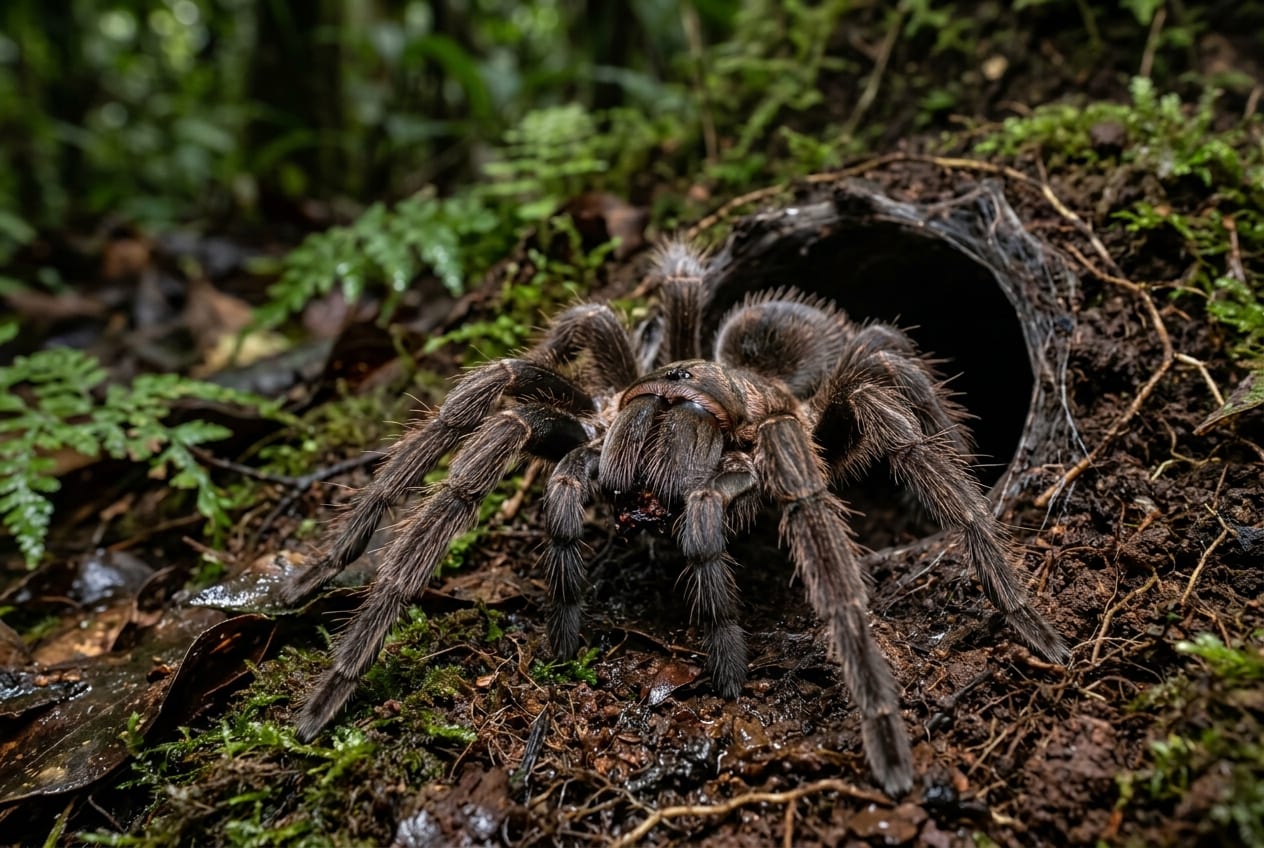
Ornithoctonus aureotibialis was described in 2005 by von Wirth and Striffler and occurs in Thailand, Myanmar and Malaysia. The specific name combines the Latin aureus, meaning golden, with tibia, referring to the golden or orange fringe of setae on the patellae and tibiae of the front legs in subadult and adult females and in subadult males. Some females become entirely black, while juveniles are well marked. Mature males are lighter and lack the abdominal pattern. Around Banglang National Park in southern Thailand it lives in tropical rainforest at about 600m above sea level, in country with a mean annual temperature of 32C and around 2860mm of rain a year. It is fossorial, digging vertical tubular burrows 30-40cm deep that it reinforces with heavy webbing and in which it normally stays. It is defensive and its venom is thought to be strong.
Source: Wikipedia (CC BY-SA 4.0)
Lifespan of the Thai Golden Fringed
The Thai Golden Fringed lives 14-15 years for females, 3-4 years for males.
Size of the Thai Golden Fringed
The Thai Golden Fringed grows to Body 5-6cm (female).
Females reach 5-6cm in body length and are largely black, with a brown abdomen bearing a darker pattern.
Temperature & humidity for the Thai Golden Fringed
The ideal temperature for the Thai Golden Fringed is 25〜30℃. Ideal humidity is 80%.
Basic Info
Origin
Thailand, Myanmar and Malaysia
Care Specifications
AggressiveSolitary
Sources: Wikipedia: Ornithoctonus aureotibialis / Terrarium.com.pl: Ornithoctonus aureotibialis / GBIF
References & Sources
Edited & verified by: BreederDirect editorial team
The taxonomic, regulatory, and husbandry data on this page are compiled and verified against the authoritative primary sources below.
Taxonomy & Authority
Accepted name: Ornithoctonus aureotibialis von Wirth & Striffler, 2005
Synonyms: Haplopelma aureopilosum (trade name)
Authority databases: GBIF
Nomenclature follows global taxonomic authority databases.
Regulations & Conservation Status
Not CITES-listed
Sources: CITES Appendices (species not listed)
Regulations may change. Always verify the latest information with the relevant authorities.
Thai Golden Fringed Listings
Loading latest listingsFind listings for this species