Source: Wikimedia Commons
Cobalt Blue Tarantula
AdvancedCyriopagopus lividus
A fossorial tarantula from Southeast Asia with iridescent blue legs. It stays deep in its burrow and is rarely seen, and its medically significant venom and defensiveness make it an advanced species.
Difficulty
Advanced
Temperature
24〜28℃
Lifespan
Females 15-18 years, males 5-6 years
Size
Body about 5cm, leg span 12-13cm
Humidity
80〜85%
Diet
Live insects such as crickets and roaches
About
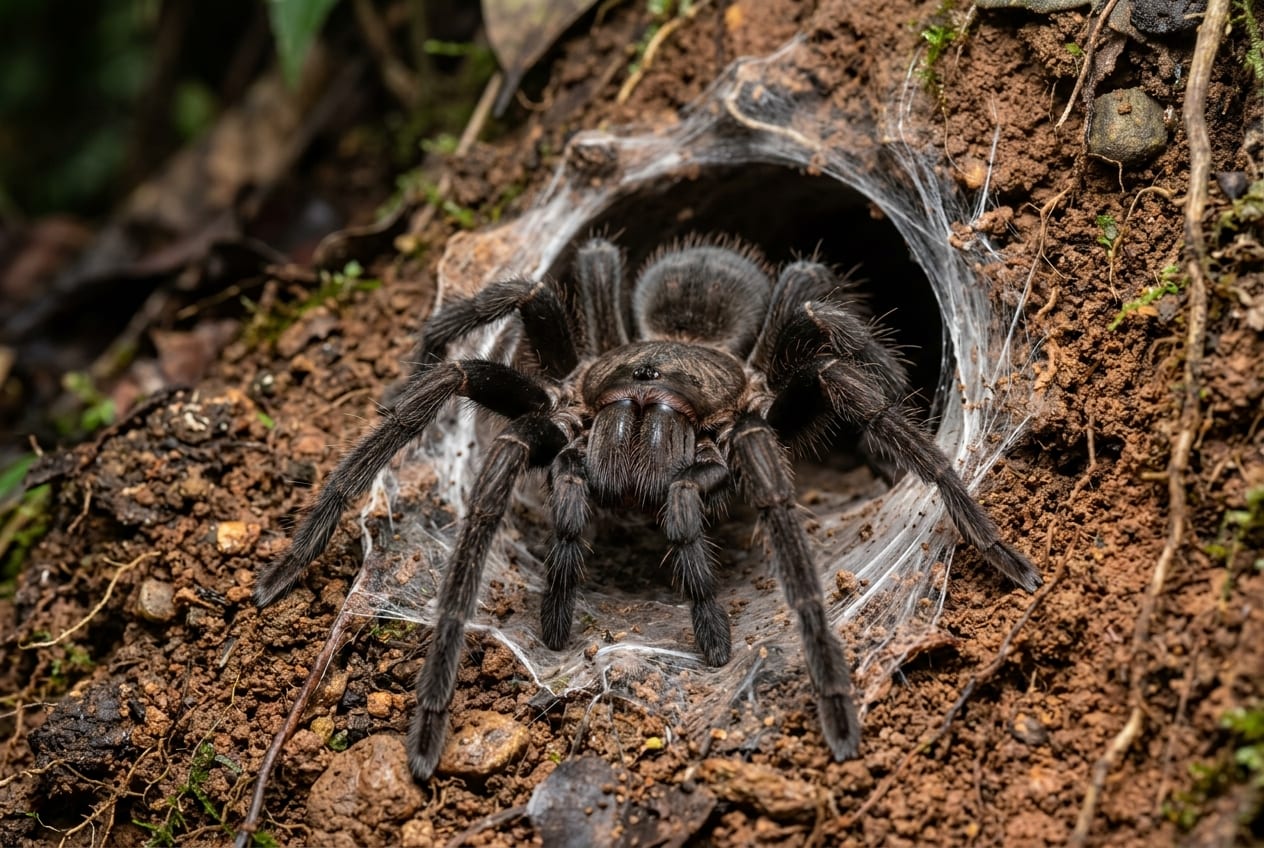
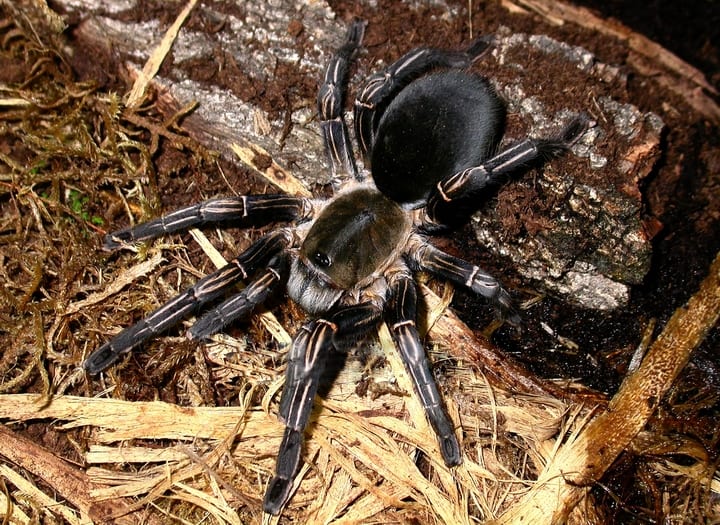
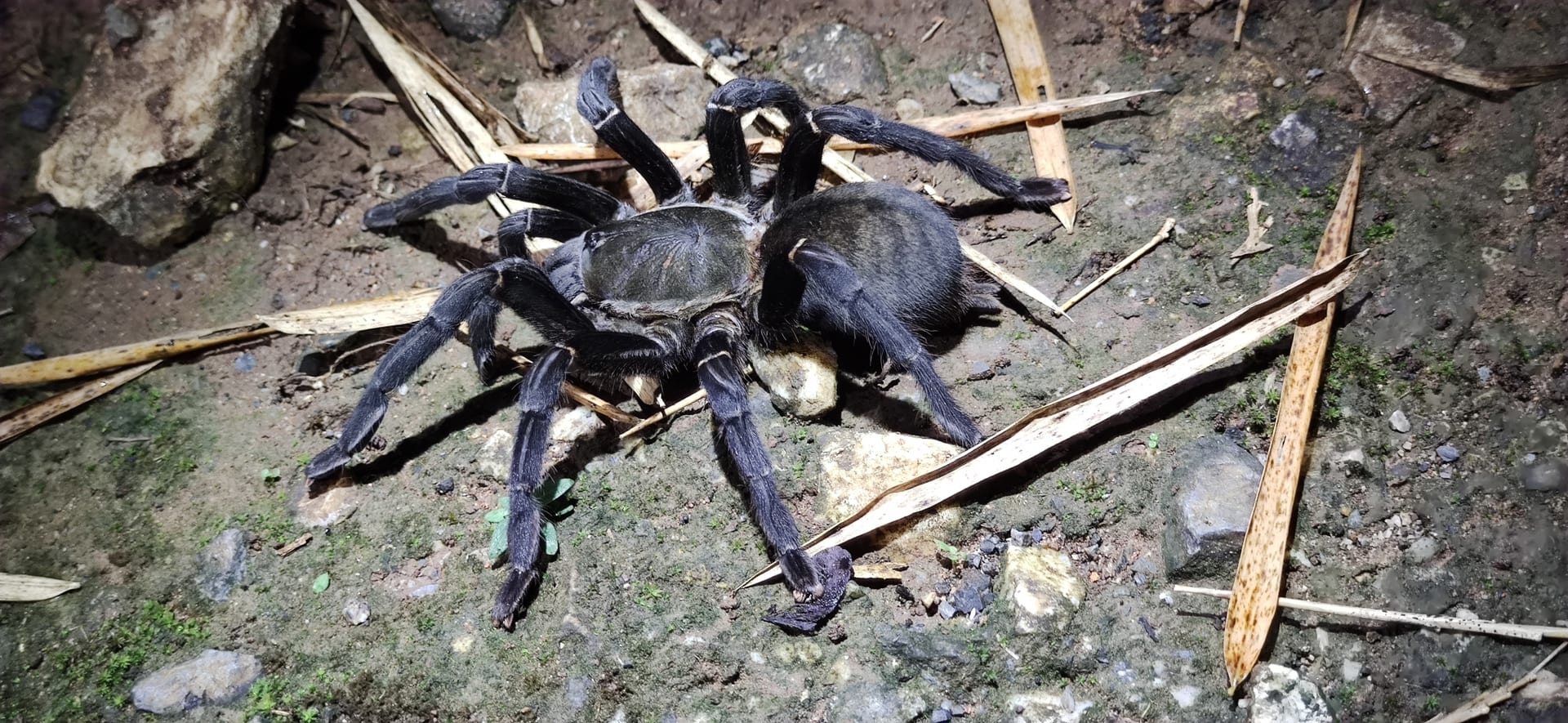
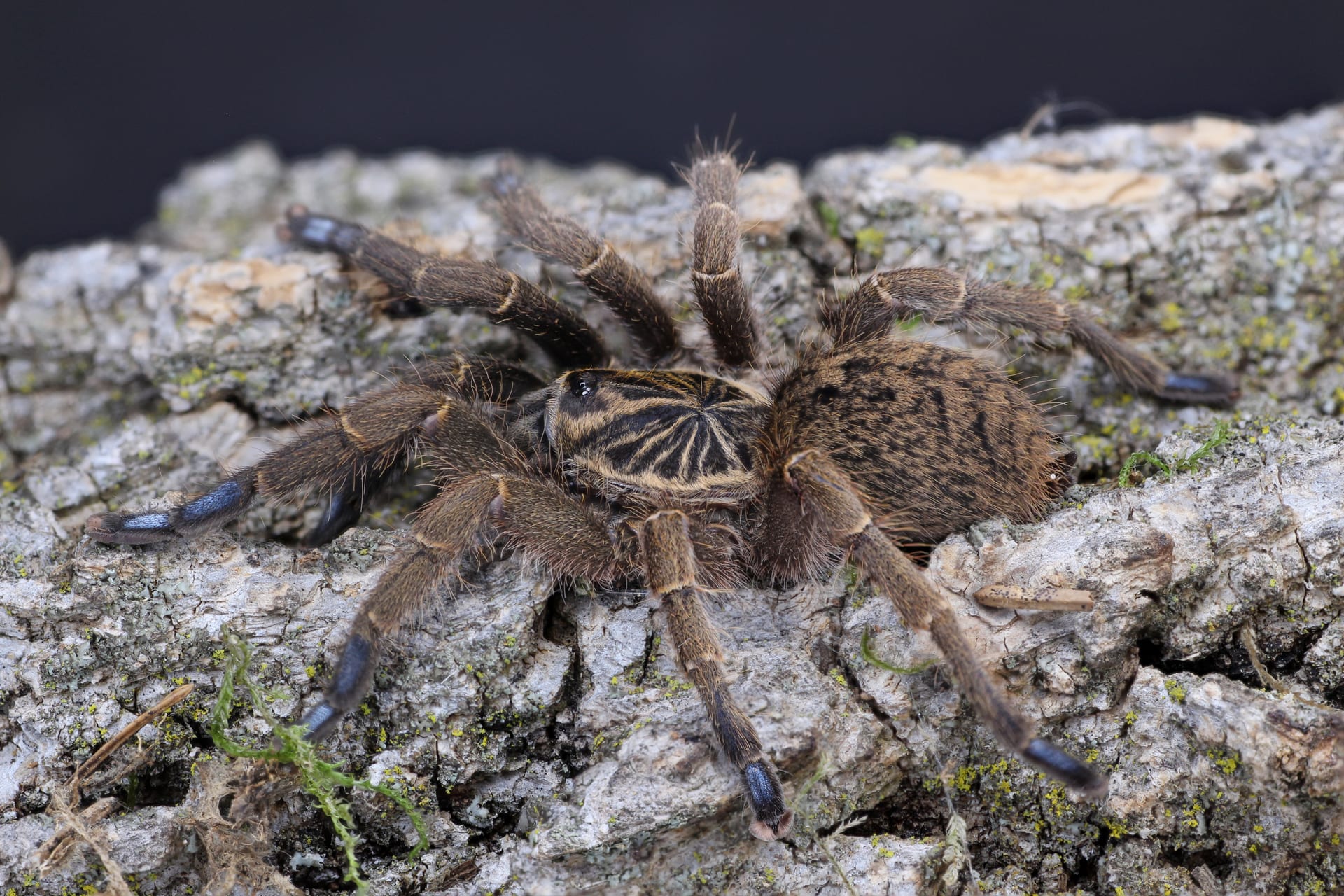
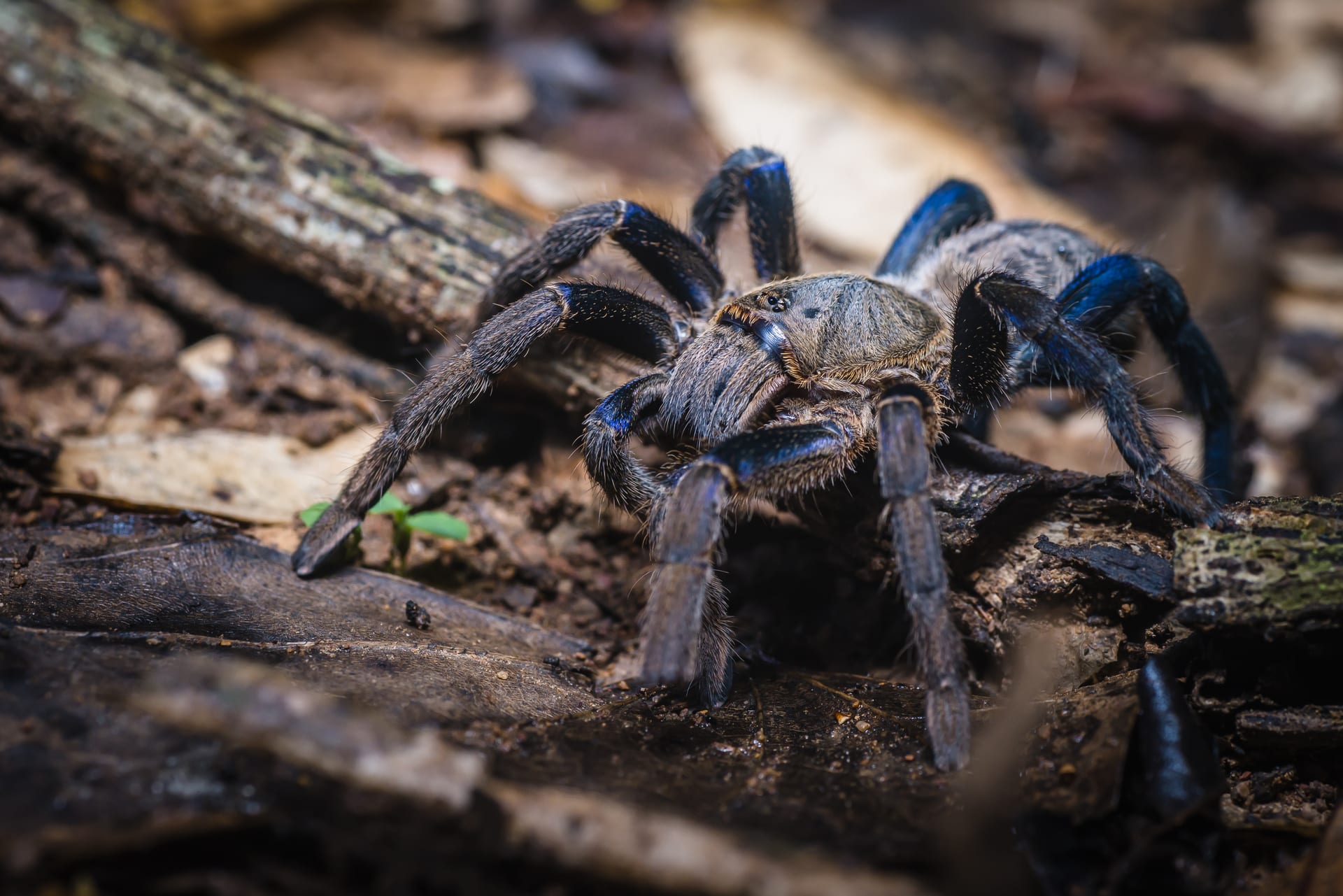
Cyriopagopus lividus belongs to the Ornithoctoninae and inhabits tropical rainforest from Myanmar across the border into Thailand, with its type locality at Kawkareik in Kayin State, Myanmar. Smith described it as Haplopelma lividum in 1996, and it took its current name when the genus Haplopelma was dissolved in 2015. Its defining feature is its iridescent blue legs, set against a light grey prosoma and opisthosoma, the latter sometimes carrying darker grey chevrons. Males look like females until their final moult, after which they become light tan and leggy. An obligate burrower, it spends nearly all its life in deep burrows of its own construction and is seldom seen even in captivity. Its venom is not life-threatening, but a Japanese case report records severe pain and inflammation with stiffness lasting weeks. It is defensive and fast, and so is considered a species for advanced keepers.
Source: Wikipedia (CC BY-SA 4.0)
Lifespan of the Cobalt Blue Tarantula
The Cobalt Blue Tarantula lives Females 15-18 years, males 5-6 years.
Size of the Cobalt Blue Tarantula
The Cobalt Blue Tarantula grows to Body about 5cm, leg span 12-13cm.
It is a medium-sized species at about 5cm in body length and 12-13cm in leg span.
Temperature & humidity for the Cobalt Blue Tarantula
The ideal temperature for the Cobalt Blue Tarantula is 24〜28℃. Ideal humidity is 80〜85%.
Basic Info
Origin
Southeast Asia (Myanmar, Thailand)
Care Specifications
AggressiveSolitaryBreeding: Hard
Sources: The Spider Shop: Cyriopagopus lividum / The Tarantula Collective: Cyriopagopus lividus / Tarantupedia: Cyriopagopus lividus / Wikipedia: Cobalt blue tarantula / GBIF
References & Sources
Edited & verified by: BreederDirect editorial team
The taxonomic, regulatory, and husbandry data on this page are compiled and verified against the authoritative primary sources below.
Taxonomy & Authority
Accepted name: Cyriopagopus lividus (Smith, 1996)
Synonyms: Haplopelma lividum Smith, 1996
Authority databases: GBIF
Nomenclature follows global taxonomic authority databases.
Regulations & Conservation Status
Not CITES-listed
Sources: CITES Appendices (species not listed)
Regulations may change. Always verify the latest information with the relevant authorities.
Cobalt Blue Tarantula Listings
Loading latest listingsFind listings for this species