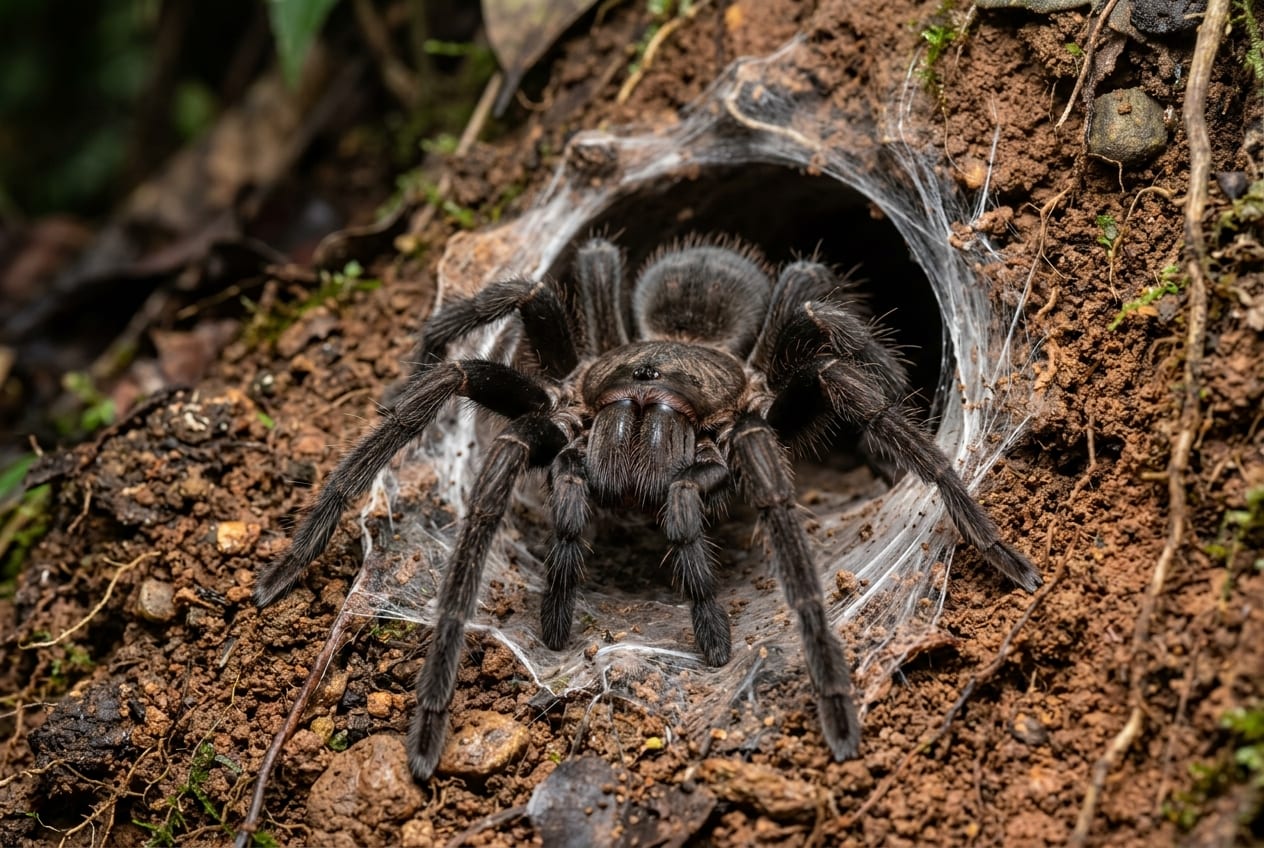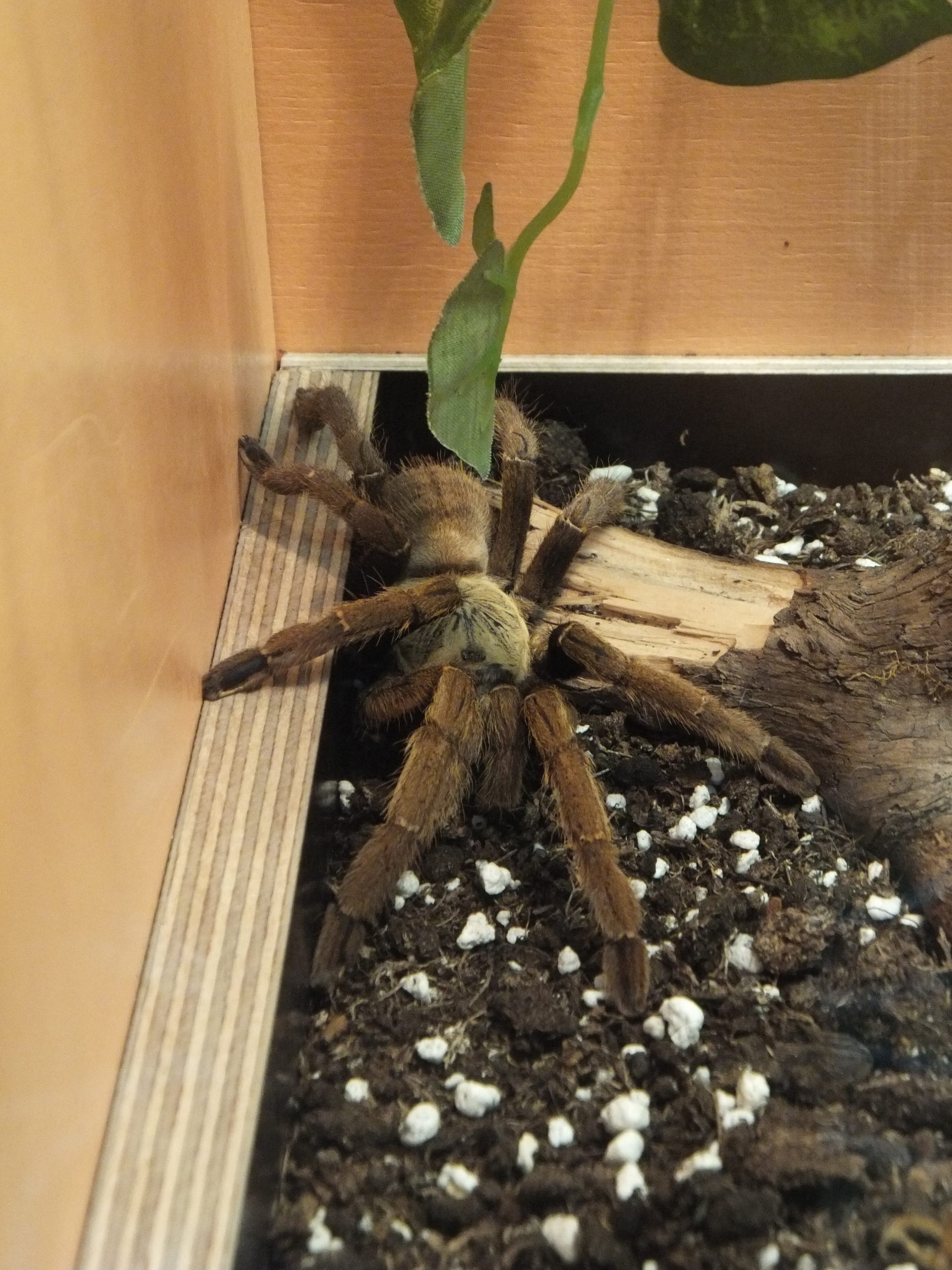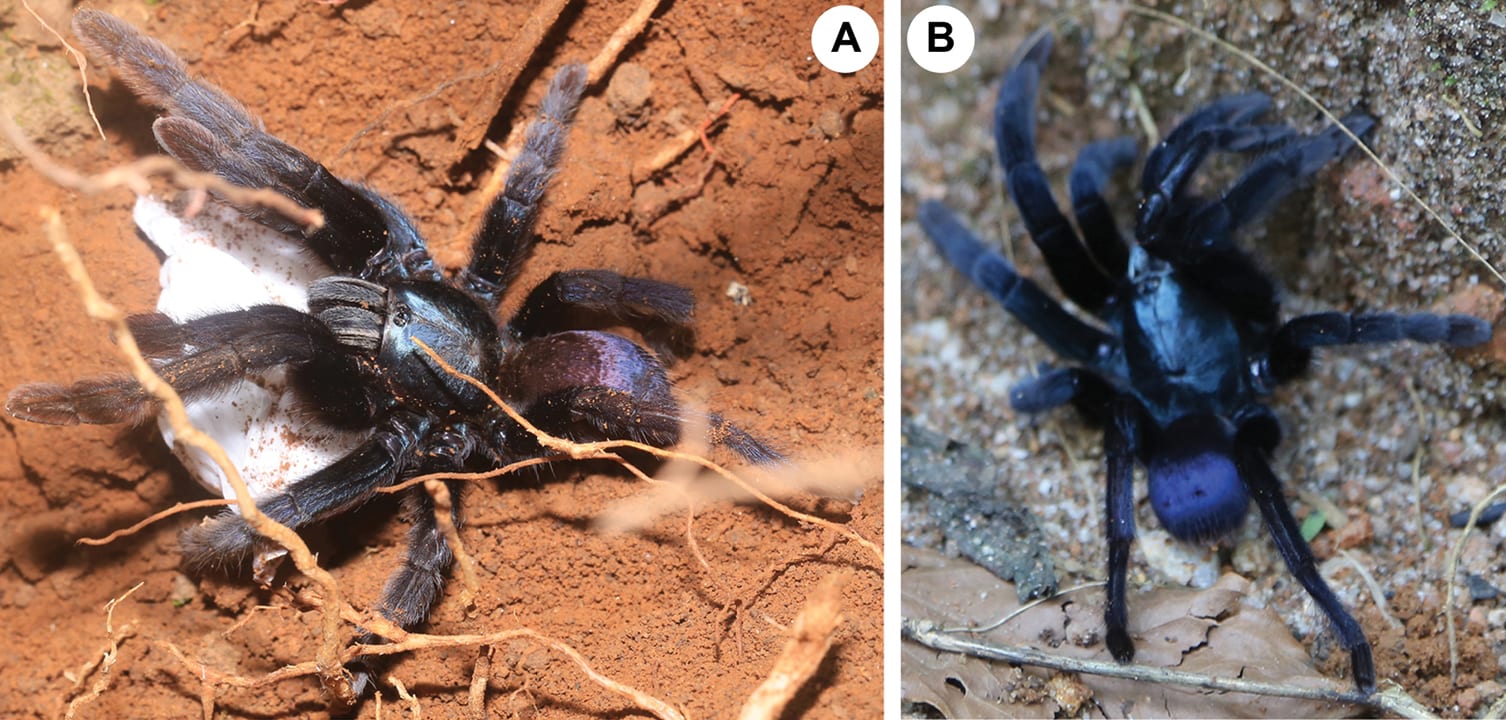
Source: Wikimedia Commons
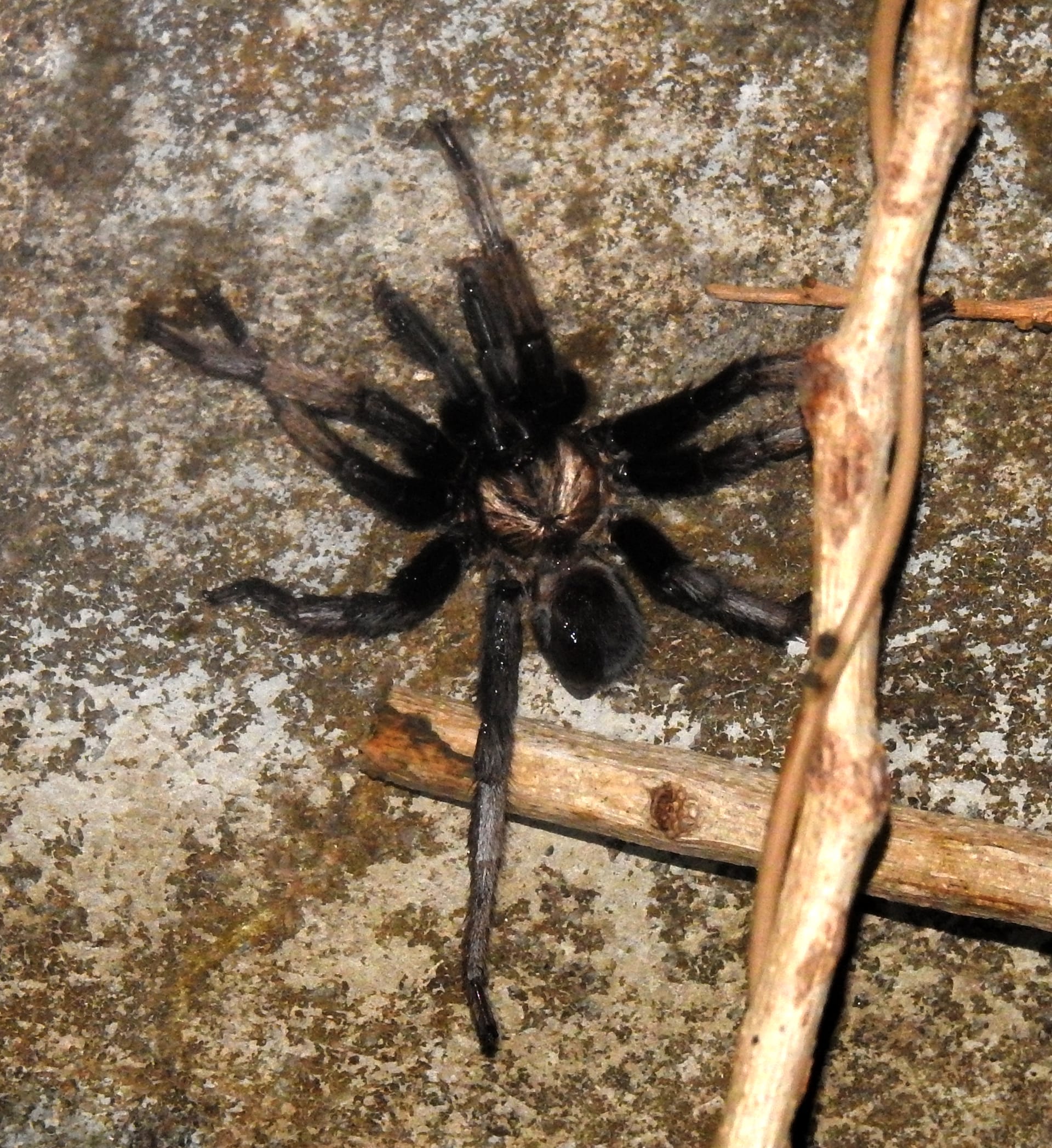
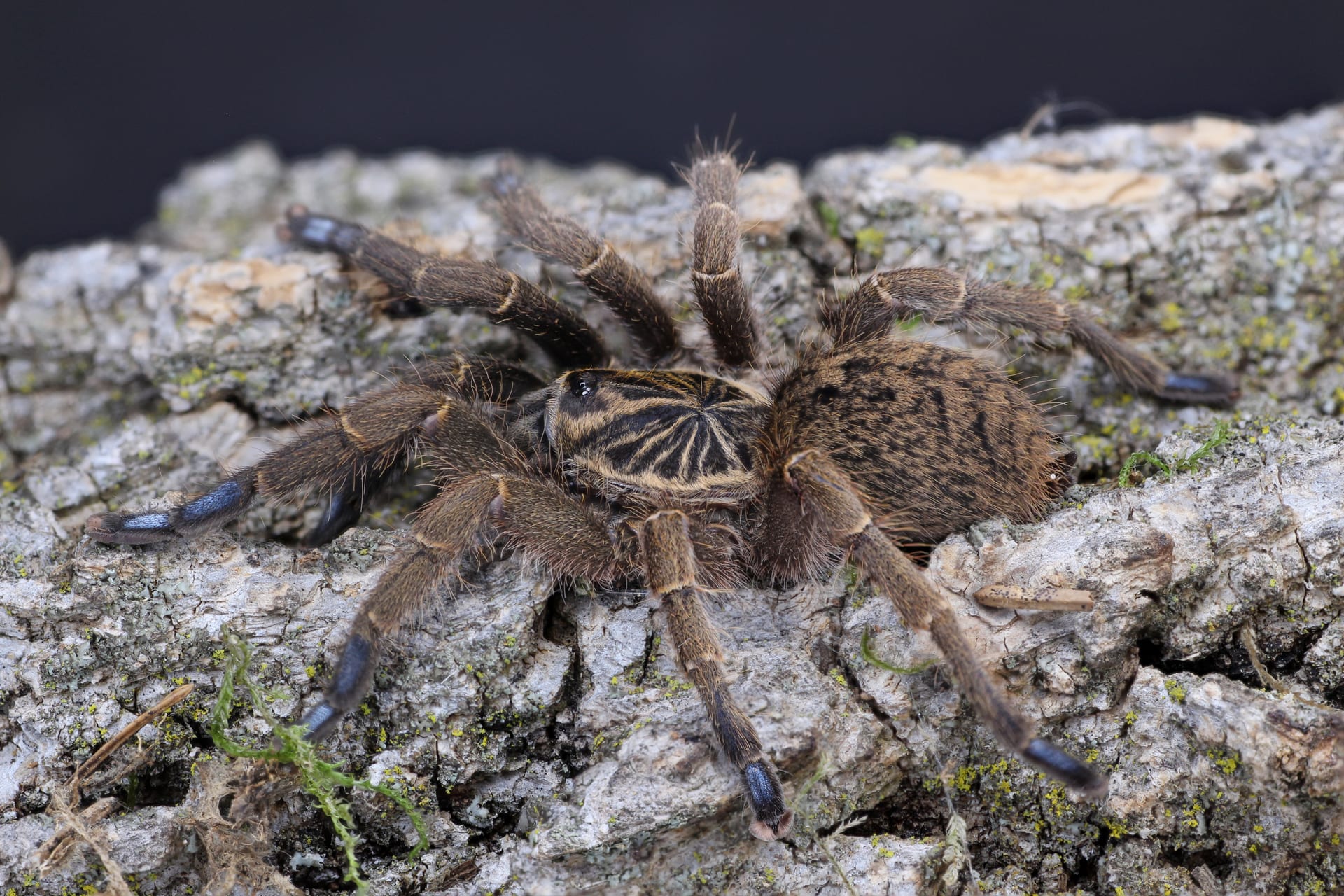
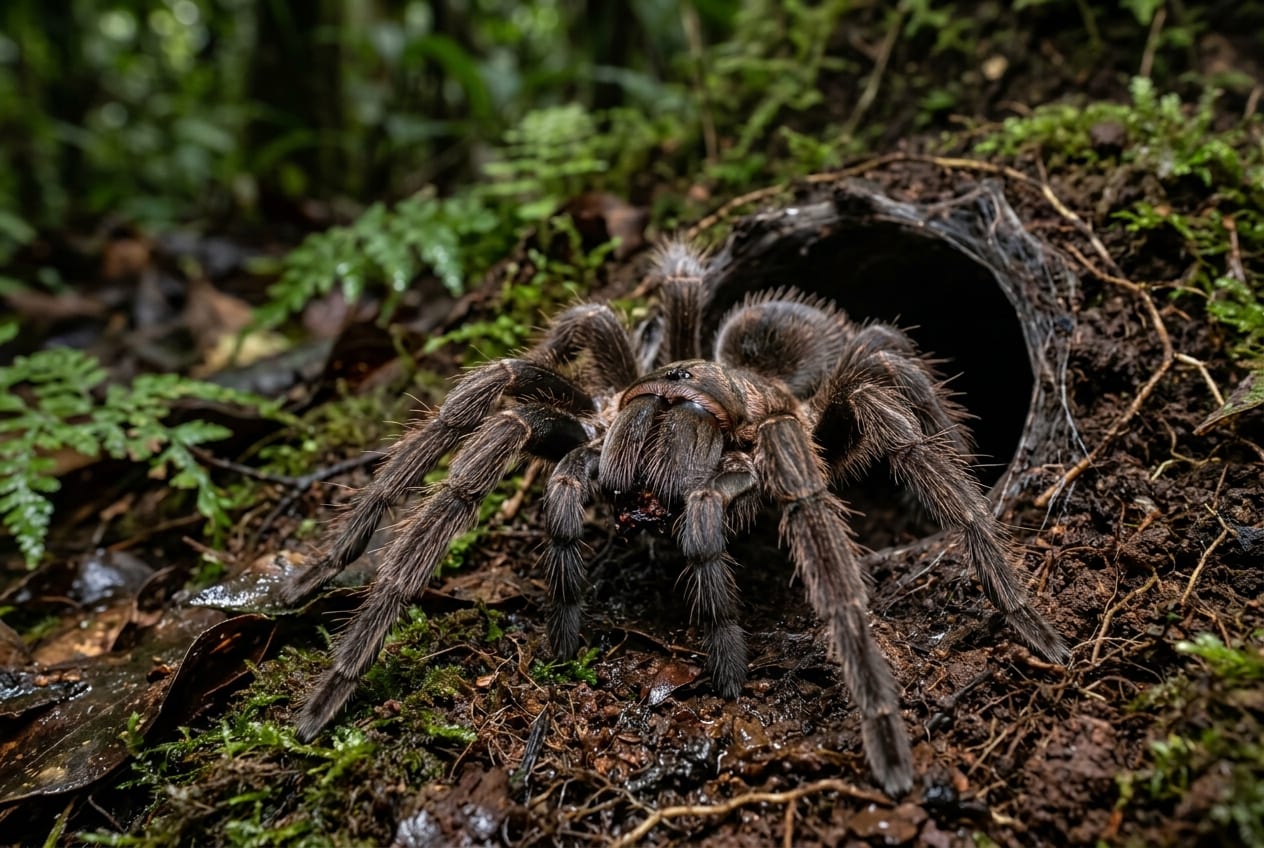
Indian Peacock Tarantula
AdvancedHaploclastus devamatha
A fossorial tarantula endemic to the Western Ghats of India. Two colour forms occur within the species, one strongly blue and one pinkish, and the blue form is the origin of the Indian peacock trade name.
Difficulty
Advanced
Lifespan
Females 12-15 years / males 3-4 years
Diet
Live insects such as crickets and roaches
About
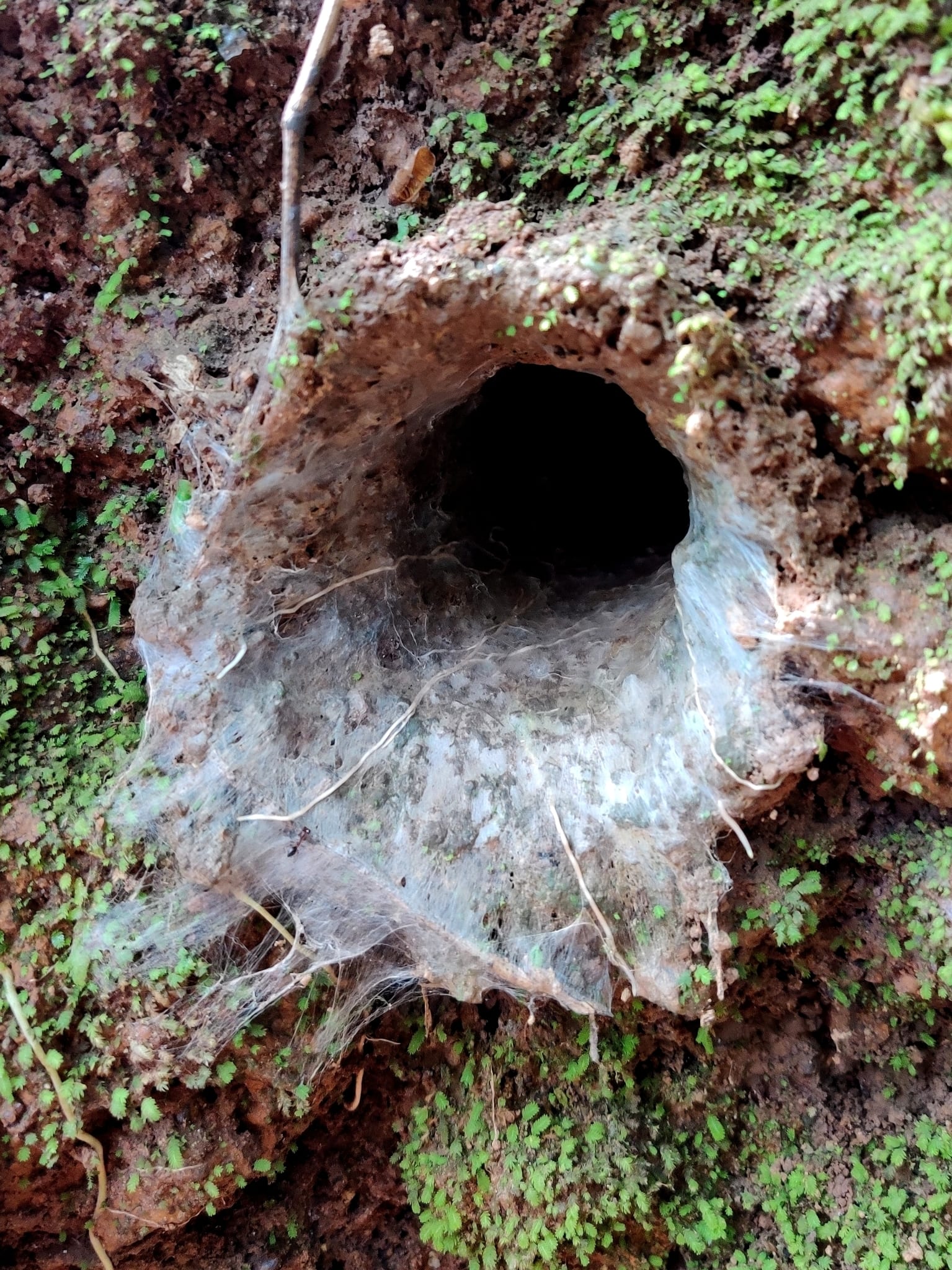
Haploclastus devamatha is a tarantula of the subfamily Thrigmopoeinae described in 2014 by Prasanth and Sunil Jose from the Western Ghats of India. A species described in the same year by Sanap and Mirza as Thrigmopoeus psychedelicus was shown in 2018 to be indistinguishable from it and was placed in synonymy. That revision also established that the species is polychromatic, with a blue form and a pink form, the blue form being the one known in the trade as the Indian peacock. It is recorded from Thenmala and the Kulathupuzha Forest Reserve in Kerala, where active burrows are found on roadside mud embankments and on the forest floor, with juvenile burrows concentrated on the embankments. The species has since been transferred to Cilantica, a genus erected in 2024 whose females carry the egg sac beneath the chelicerae. Its range is small and collecting pressure is a concern, so captive-bred animals of known origin are preferable.
Source: Wikipedia (CC BY-SA 4.0)
Lifespan of the Indian Peacock Tarantula
The Indian Peacock Tarantula lives Females 12-15 years / males 3-4 years.
Basic Info
Origin
Western Ghats of Kerala, India (Thenmala and the Kulathupuzha Forest Reserve among others)
Lifespan
Females 12-15 years / males 3-4 years
Diet
Live insects such as crickets and roaches
Care Guide
Care Specifications
Semi-aggressiveSolitary
Sources: Sankaran & Sebastian 2018, ZooKeys 749: 81-86 / Wikipedia: Haploclastus / Wikipedia: Cilantica / GBIF
References & Sources
Edited & verified by: BreederDirect editorial team
The taxonomic, regulatory, and husbandry data on this page are compiled and verified against the authoritative primary sources below.
Taxonomy & Authority
Accepted name: Haploclastus devamatha Prasanth & Sunil Jose, 2014
Synonyms: Thrigmopoeus psychedelicus Sanap & Mirza, 2014, Haploclastus psychedelicus (Sanap & Mirza, 2014)
Authority databases: GBIF
Nomenclature follows global taxonomic authority databases.
Regulations & Conservation Status
Not CITES-listed
Sources: CITES Appendices (species not listed)
Regulations may change. Always verify the latest information with the relevant authorities.
Indian Peacock Tarantula Listings
Loading latest listingsFind listings for this species