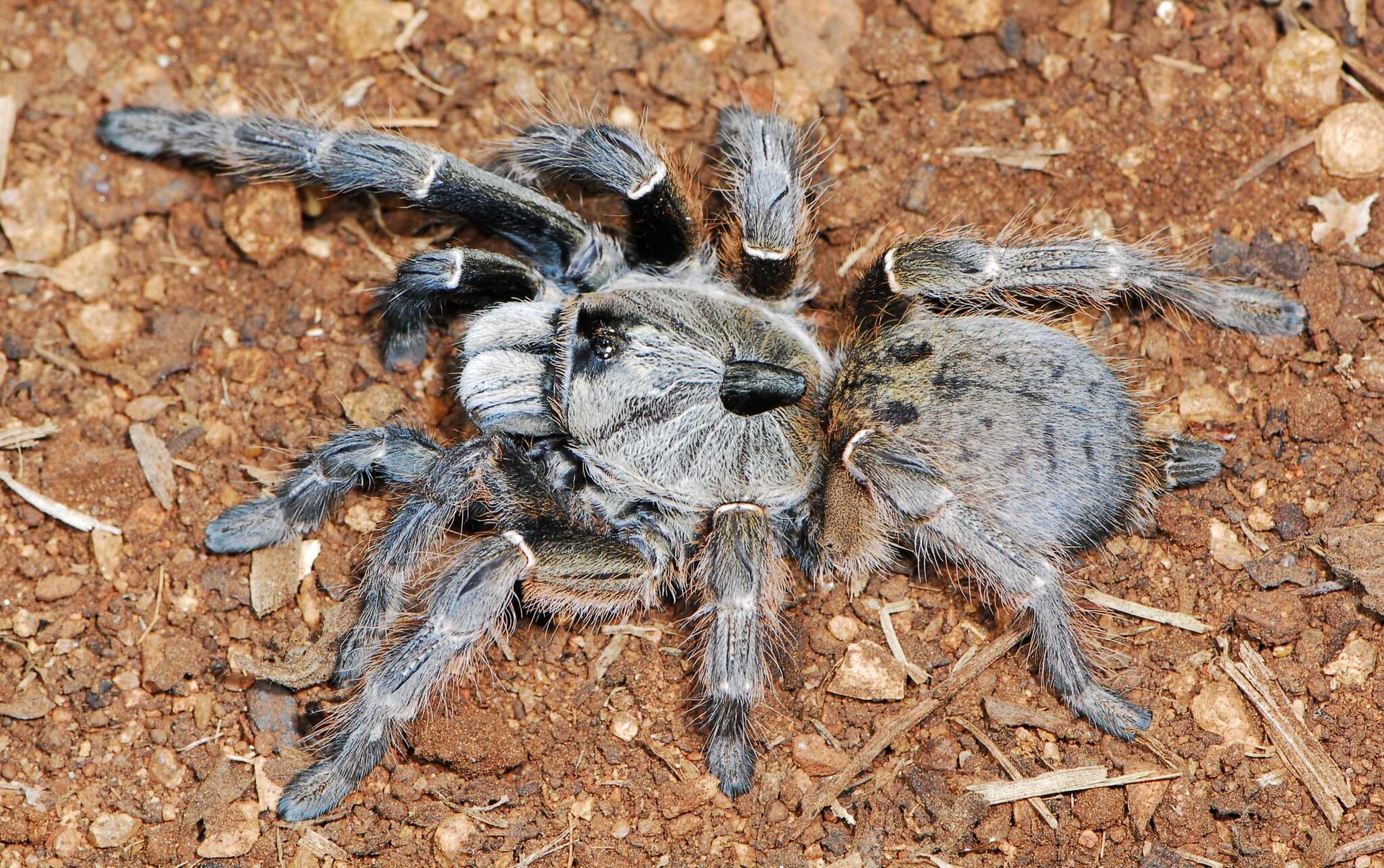
 © Peter Webb / CC BY 4.0
Rear-horned Baboon
The Rear-horned Baboon tarantula is instantly recognizable for the backward-curving horn on the rear of its carapace, a signature feature of this fossorial species native to the dry grasslands of southern Africa. In the wild it digs and lives in a burrow, so captive enclosures need a deep layer of dry substrate to dig into. It grows quickly and is a hardy species overall, but it is also fast-moving, alert, and quick to strike a defensive posture when disturbed. This is a spider best enjoyed through observation rather than handling, prized for its striking horned silhouette and lightning reflexes, making it a good pick for keepers who already have some tarantula experience.
View Rear-horned Baboon encyclopedia →Breeder Wanted!
List on BreederDirect and sell directly to customers nationwide!
BreederDirect's 5 Transparency Commitments
When listing Exotic Invertebrates, Breeders disclose the following. We guarantee transparency on growth stage and breeding unit.
- Real Photos
- Breeding Unit
- Generation Info
- Body Length (mm)
- Country of Origin
Browse all 286 breeds
No listings match your filters
Adjust your filters, or get notified when new listings arrive.
Getting alerts is free with a member account. When new listings match your saved search, we'll notify you by email and in-app.
Browse other categories
Verified breeders (preview)
Are you raising exotic invertebrates?
Register as a breeder and connect with buyers directly.
Apply as a breederRear-horned Baboon key facts
- Care level
- Intermediate
- Lifespan
- Females 13-15 years, males 2-4 years
- Size
- Leg span 13-15cm
- Temperature
- 24〜28℃
- Humidity
- 60〜70%
- Diet
- Crickets, roaches, superworms
- Temperature & Humidity
- Aim for 24-28C and 60-70% humidity. As an arid-habitat species it must not be kept too wet, and ventilation matters.
- Enclosure
- As an obligate burrower it needs deep diggable substrate such as coconut fibre, plus cork bark or leaf litter as web anchors.
- Diet & Feeding
- It takes crickets, roaches and superworms readily but tends to shy away from oversized prey.
- Temperament & Venom
- It has no urticating hairs and is fast and defensive. Bites are painful, so it is not handled.
- Notes
- It is sometimes sold under the obsolete name Ceratogyrus bechuanicus, so check the scientific name when buying.
About Rear-horned Baboon
A fossorial tarantula from southern Africa with a distinctive backward-curving horn, needing deep dry substrate. Fast-growing and hardy, but quick and defensive, this species suits keepers with some prior experience.
7 things to know before welcoming a Rear-horned Baboon
1Needs Deep Substrate
As a burrowing species, this tarantula digs its own retreat, so the enclosure needs a deep layer of dry substrate. Without enough depth, it can't dig a proper burrow and may become stressed.
2Fast Growth Rate
This species grows noticeably faster than many other tarantulas and molts at shorter intervals. It's also a robust, hardy spider, making it relatively easy to track its progress under good care.
3Fast and Defensive
True to its striking horned appearance, this spider moves extremely quickly and readily adopts a defensive posture when startled. Handling isn't recommended, so enjoy it as a species best watched rather than touched.
4Lifespan Differs by Sex
Females can live around 13 to 15 years, while males typically live only 2 to 4 years. If you're hoping for a long-term companion, it's worth keeping the sex of your spider in mind.
5Adult Size ~13-15cm
Adults reach a leg span of roughly 13 to 15 centimeters. That's a substantial size within the hobby, so the enclosure should be sized accordingly.
6Provide Hiding Spots
Along with deep substrate, adding a hide like cork bark helps encourage natural burrowing behavior. A secure setup reduces unnecessary stress and lowers the risk of molting problems.
7Set Up Before Arrival
Since this species moves fast and escape risk is a real concern, prepare a securely lidded enclosure with deep substrate before your spider arrives. Give it time to settle into its new environment once it's home.
Frequently asked questions about Rear-horned Baboon
- Q.Is this species suitable for beginners?
- A.The Rear-horned Baboon tarantula is generally considered an intermediate-level species. Because it moves quickly and is quite defensive, it's best kept by someone with some basic tarantula-handling experience already.
- Q.Is its temperament calm?
- A.Not particularly, it tends to be alert and quick-moving rather than calm. It readily takes a defensive stance when disturbed, so this species is better suited to observation than handling.
- Q.How big does it get?
- A.Adults reach a leg span of about 13 to 15 centimeters, making it one of the more impressively sized species in the hobby.
- Q.How long does it live?
- A.Lifespan differs a lot by sex, females typically live around 13 to 15 years, while males live only about 2 to 4 years. If you're planning for the long term, it's worth confirming the sex.
- Q.What kind of substrate should I use?
- A.Since this species digs its own burrow, it needs a deep layer of dry substrate. Adding a hide as well helps create a more secure, settled environment.
Learn more about Rear-horned Baboon in the encyclopedia
View Rear-horned Baboon encyclopedia entry →
Care difficulty, lifespan, size and diet — all basics covered.
More in this category
Can't find the one you're looking for?
Post your wishes for free and breeders with matching animals will contact you with introductions.