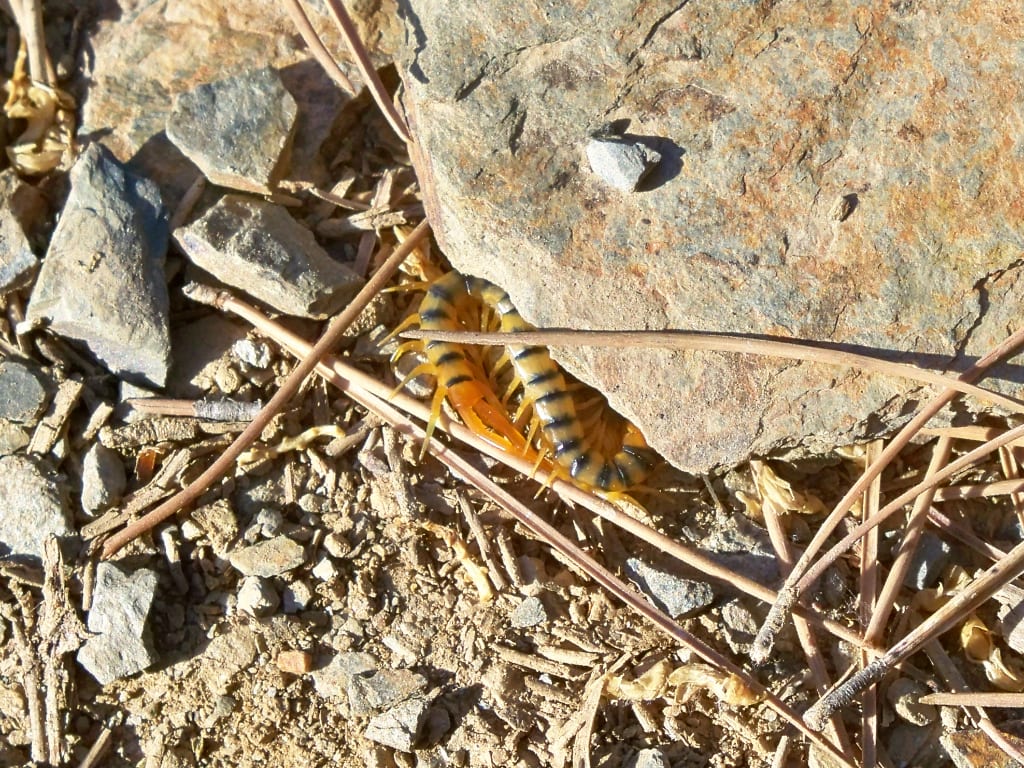
 © Daniel Capilla / CC BY-SA 4.0
Megarian Banded Centipede
The Egyptian Jewel Centipede, also known as the Megarian Banded Centipede, is a striking species native to the Mediterranean coast. Its glossy black body wrapped in alternating golden bands makes it one of the most visually striking centipedes kept by invertebrate enthusiasts. Compared to other giant centipedes, it stays on the smaller side and is generally considered to have milder venom. Unlike most centipedes, it actually prefers drier conditions, so avoiding excess humidity is a key point in its care. Bold and quick-tempered by nature, it's best appreciated as a display animal rather than a hands-on pet.
View Megarian Banded Centipede encyclopedia →Breeder Wanted!
List on BreederDirect and sell directly to customers nationwide!
BreederDirect's 5 Transparency Commitments
When listing Exotic Invertebrates, Breeders disclose the following. We guarantee transparency on growth stage and breeding unit.
- Real Photos
- Breeding Unit
- Generation Info
- Body Length (mm)
- Country of Origin
Browse all 286 breeds
No listings match your filters
Adjust your filters, or get notified when new listings arrive.
Getting alerts is free with a member account. When new listings match your saved search, we'll notify you by email and in-app.
Browse other categories
Verified breeders (preview)
Are you raising exotic invertebrates?
Register as a breeder and connect with buyers directly.
Apply as a breederMegarian Banded Centipede key facts
- Care level
- Intermediate
- Lifespan
- 4-7 years
- Size
- 10-18cm
- Temperature
- 24〜28℃
- Diet
- Crickets, dubia roaches and other insects
- Temperature & Humidity
- 24-28 C with low to moderate humidity; unusually for a centipede, keep it on the dry side.
- Enclosure
- A lidded enclosure with burrowable substrate, a hide and a shallow water dish. Do not wet the whole enclosure.
- Diet & Feeding
- Crickets or dubia once or twice a week.
- Temperament & Venom
- Venom is milder than other scolopendrids, but bites still hurt. Do not handle.
- Notes
- House singly. Declines if kept too humid. Growth is rather slow.
About Megarian Banded Centipede
The Egyptian Jewel Centipede (Megarian Banded Centipede) is a striking black-and-gold banded centipede native to the Mediterranean. It prefers dry conditions and has milder venom, but suits intermediate keepers.
7 things to know before welcoming a Megarian Banded Centipede
1Prefers Dry Conditions
Unlike most centipedes, the Egyptian Jewel Centipede comes from a dry Mediterranean habitat and does poorly in overly humid enclosures. Keep the substrate on the drier side rather than damp. Excess moisture can lead to mold and health problems.
2Bold Black-and-Gold Bands
Alternating black and golden bands give this species one of the most eye-catching patterns among pet invertebrates. At roughly 10-18cm as an adult, it stays on the smaller side for a giant centipede, making it easier to house than larger species.
3Milder Venom, Still Caution
Its venom is considered milder than that of larger giant centipede species, but it is not harmless. A bite can cause pain and swelling, so avoid direct hand contact and use tongs or tools during enclosure maintenance.
4Not Suited for Handling
This species is fast-moving and quick to become defensive or bite when startled. It's best enjoyed as a display animal rather than handled regularly by hand.
5House Individually
Being territorial with a real risk of cannibalism, this centipede should be kept one per enclosure. Avoid housing multiple individuals together and provide a separate container for each.
6Handle Molting with Care
Around molting, the centipede's body becomes especially delicate and disturbance can cause a failed molt. If it stops eating and stays hidden, this is often a sign a molt is approaching, so leave it undisturbed.
7Provide Hides and Airflow
As a nocturnal species, it spends daytime hours hidden away, so offering several hides such as cork bark helps it feel secure. While it prefers dry conditions, it also dislikes stagnant air, so choose a well-ventilated enclosure.
Frequently asked questions about Megarian Banded Centipede
- Q.Is its venom dangerous if it bites?
- A.Compared to larger giant centipede species, its venom is generally considered milder, but it is not harmless. A bite can cause pain and swelling, so extra caution is warranted for households with health concerns or small children.
- Q.How humid should the enclosure be?
- A.As one of the few centipedes that actually prefers dry conditions, it doesn't need the high humidity typical of other centipede care. Keep the substrate on the drier side and simply provide a water dish for hydration.
- Q.Can multiple individuals be housed together?
- A.No, this species is territorial with a real risk of cannibalism, so housing individuals together is not recommended. Keep one centipede per enclosure.
- Q.Can I handle it with bare hands?
- A.It's fast-moving and quick to defend itself, so regular bare-hand handling isn't recommended. Use tongs or similar tools during maintenance and enjoy it mainly as a display animal instead.
- Q.Is this species suitable for beginners?
- A.This species is rated as suited to intermediate keepers, requiring some familiarity with dry-condition management and live feeding. It's better suited to those who already have some experience keeping invertebrates.
Learn more about Megarian Banded Centipede in the encyclopedia
View Megarian Banded Centipede encyclopedia entry →
Care difficulty, lifespan, size and diet — all basics covered.
More in this category
Can't find the one you're looking for?
Post your wishes for free and breeders with matching animals will contact you with introductions.